
Main Courses
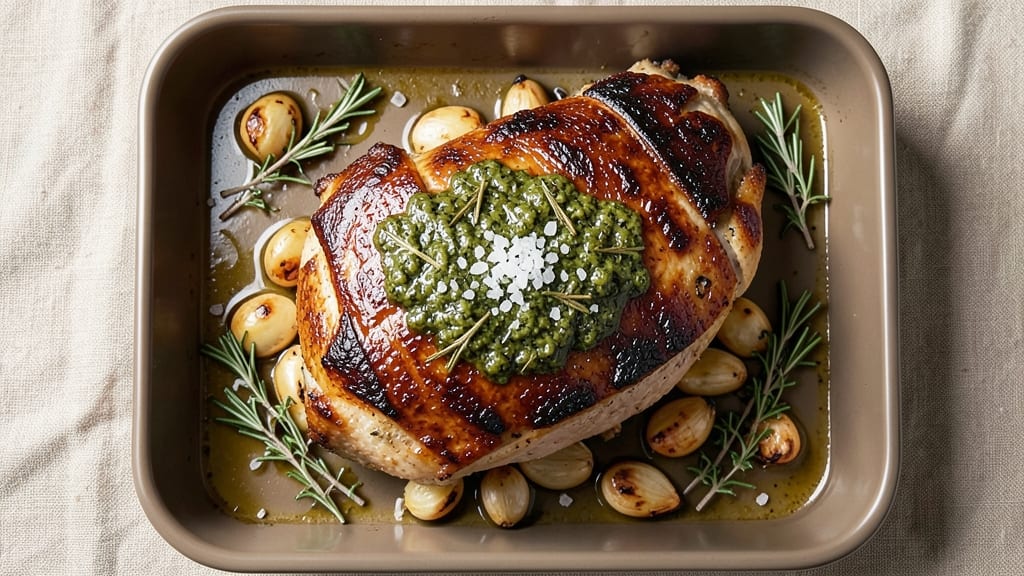
This 2 lb pork roast oven recipe delivers a juicy pink center wrapped in a fragrant herb crust—exactly what transforms weeknight dinner into a restaurant-worthy meal.
After years of perfecting pork roasts in my Atlanta kitchen, I’ve cracked the code for tender, flavorful results that impress without requiring a pitmaster’s skills. The secret lies in proper seasoning, precise temperature control, and a foolproof resting technique that keeps every slice moist.
What makes this recipe work is balancing simplicity with professional techniques. You’ll start with a 2 lb pork roast (boneless or bone-in) coated in a blend of garlic, rosemary, and thyme, then roasted at 325°F until the internal temperature reaches 140°F for medium-rare—no guesswork, just science.
The herb crust forms a flavorful bark while the slow heat works magic inside, creating that perfectly juicy pink center every time. This method is designed for home ovens, so you won’t need a smoker or specialty equipment.
By the time you carve into this roast, you’ll have a tender, flavorful center that practically melts in your mouth, paired with a crispy, aromatic crust.
The beauty of this recipe is its versatility—serve it sliced over mashed potatoes, paired with roasted root vegetables, or drizzled with a quick pan sauce made from the rendered juices. It’s the kind of dish that makes Sunday dinner feel like a celebration, no matter the occasion.
For those who love pork but worry about dryness, this recipe includes tried-and-tested tips to ensure success—from how to prep the roast for even cooking to the exact resting time needed before slicing.
Whether you’re feeding a family or treating yourself to a special meal, this 2 lb pork roast delivers restaurant-quality results with minimal fuss. Let’s get cooking!
Ingredients for 2 lb pork roast oven
Pantry staples meet fresh herbs for a pork roast that's juicy, aromatic, and restaurant-worthy.
| Ingredient | Amount | Notes |
|---|---|---|
| Bone-In Pork Roast 🥩 | 2 lb | Center-cut loin preferred |
| Fresh Rosemary 🌿 | ¼ cup | Finely chopped, stems removed |
| Fresh Thyme 🌿 | ¼ cup | Leaves only, stems discarded |
| Garlic Cloves 🧄 | 6 cloves | Minced or finely grated |
| Olive Oil 🫒 | ¼ cup | Extra-virgin, for crust |
| Kosher Salt 🧂 | 2 tbsp | Diamond Crystal preferred |
| Freshly Ground Black Pepper 🌶️ | 1 tbsp | Coarsely cracked |
| All-Purpose Flour 🌾 | 2 tbsp | For dusting |
| Unsalted Butter 🧈 | 2 tbsp | Softened, for basting |
| Fresh Parsley 🌿 | 0.1 cup | Chopped, for garnish |
| Red Wine Vinegar 🍷 | 1 tbsp | For pan sauce |
| Heavy Cream 🥛 | ¼ cup | For pan sauce |
The pork roast should be center-cut and bone-in for even cooking—Costco or Whole Foods carry excellent options. Look for a cut with good marbling; this fat renders during cooking, keeping the meat moist. Fresh herbs are non-negotiable here—Trader Joe's sells pre-chopped rosemary and thyme if you're short on time, but nothing beats the flavor of freshly chopped stems removed. The garlic should be peeled and minced just before mixing—it loses potency fast. For the olive oil, California-based brands like Bertolli have that fruity punch that makes the crust sing.
No fresh rosemary? Dried works at one-third the amount—just crush it between your fingers to release the oils. Short on thyme? Oregano at half the quantity—it’s a close second. The flour is just for dusting—skip it if you’re in a rush, but it helps the herb crust adhere. For the pan sauce, if you don’t have red wine vinegar, apple cider vinegar or lemon juice—both work beautifully. The heavy cream can be swapped for half-and-half—it’ll be lighter but still delicious. And if you’re worried about dryness, trust the process: the butter basting and slow roast do all the heavy lifting.
This roast reheats beautifully—just warm it in the oven at 300°F for 15 minutes—covered with foil. The herb crust keeps for 3 days—store it wrapped in parchment in the fridge. For leftovers, slice thinly and serve on toasted sourdough—the crust adds extra flavor. The pan sauce? Make a double batch—it’s perfect drizzled over mashed potatoes or roasted Brussels sprouts. Freeze portions of the roast for up to 3 months—just thaw overnight in the fridge before reheating.
Why You'll Love This Recipe
- Hands-Off Cooking: I swear by this recipe because it’s set it and forget it—just rub the pork with rosemary, thyme, crushed garlic, and olive oil, then let the oven do the work. No flipping, no hovering, no stress. That bone-in magic means juicier meat with zero effort from me.
- Herb-Packed Magic: The fresh rosemary and thyme? They infuse the pork so deeply it’s like the flavors are inside the meat. The garlic cloves sizzle into caramelized bits that cling to every bite—simple ingredients, but the taste is ridiculously good. (Yes, even my picky husband asks for seconds.)
- Leftovers That Save Me: This roast makes perfect sandwiches the next day—crispy edges, tender center, all that herbaceous richness. I freeze half the leftovers for lazy nights or last-minute guests, and it reheats like a dream. No sad, dry pork here.
- Budget-Friendly Crowd-Pleaser: A 2 lb roast feeds four easily, and the ingredients cost pennies. The bone adds flavor and keeps the meat juicy, so you’re not wasting a thing. Honestly, it’s my go-to for game days, potlucks, or when I need a meal that won’t break the bank.
Step-by-step instructions for herb-crusted pork roast
Here's how to transform a simple pork roast into a restaurant-quality centerpiece.
Prepare the Herb Crust and Season the Roast
In a food processor, combine the finely chopped fresh rosemary, fresh thyme, minced garlic cloves, and the 0.25 cup olive oil. Pulse until you have a smooth, vibrant green paste. This herb mixture is the secret to that aromatic crust we're after.
Transfer the herb paste to a small bowl and stir in the 2 tablespoons kosher salt and 1 tablespoon freshly ground black pepper. Pat the 2 lb bone-in pork roast dry with paper towels—this is crucial for achieving crispy skin. Rub the herb mixture all over the roast, pressing it into the meat so it adheres well. Let it sit at room temperature for 30 minutes while you preheat the oven.
Create the Flour and Butter Coating
In a separate bowl, combine the 2 tablespoons all-purpose flour and the 2 tablespoons softened unsalted butter. This mixture will create that perfect golden-brown crust. After the pork has rested, coat the roast thoroughly with this flour-butter mixture, pressing gently to ensure even coverage. Place the roast on a rack set inside a roasting pan.
The flour-butter combo works magic—it creates a crispy exterior while locking in juices. Don't skip this step if you want that bakery-style crust. The rack allows air to circulate underneath, preventing soggy bottoms.
Roast to Juicy Perfection
Preheat your oven to 375°F. Roast the pork for 3 hours, or until the internal temperature reaches 145°F when measured with a meat thermometer in the thickest part of the roast. I know it seems like a long time, but patience pays off here—this slow cook ensures juicy meat with a pink center.
About halfway through cooking, tent the roast loosely with aluminum foil to prevent over-browning if your oven runs hot. The bone-in cut helps regulate temperature, but every oven behaves differently. Start checking the temperature after 2 hours and 45 minutes.
Rest and Prepare the Pan Sauce
Remove the roast from the oven and transfer it to a cutting board. Tent it loosely with foil and let it rest for 20-30 minutes. This resting period is absolutely critical—it allows the juices to redistribute throughout the meat, ensuring each slice stays moist and flavorful.
While the roast rests, place the roasting pan on the stovetop over medium heat. Add the 1 tablespoon red wine vinegar and scrape up all those delicious browned bits from the bottom of the pan. This is called deglazing, and it captures all the flavor that would otherwise go down the drain.
Finish with Creamy Pan Sauce
Pour in the 0.25 cup heavy cream and stir as it comes to a gentle simmer. Cook for 2-3 minutes until the sauce thickens slightly. Taste and adjust seasoning with additional salt and pepper if needed. The sauce should be rich, velvety, and packed with pork flavor.
Slice the roast against the grain into ½-inch thick slices. Spoon the creamy pan sauce over the top and garnish with the chopped fresh parsley. Serve immediately with your favorite sides—roasted potatoes make an excellent companion. Each bite should deliver perfectly balanced flavors: crispy crust, juicy pink meat, and aromatic herb notes.
Pro Tips For Making 2 Lb Pork Roast Oven
- CRANK THE HEAT FIRST: Start your pork roast in a screaming-hot oven (450°F for 15 minutes) before dropping to 325°F—this sears the surface and locks in juices. I used to skip this, and my roast ended up dry on the outside and pale inside. The crust is worth the wait.
- SMASH THOSE GARLIC CLOVES: Don’t just toss whole garlic on top—peel and crush the cloves with the flat side of your knife or a glass. This releases more flavor into the meat. I learned this the hard way after eating a roast where the garlic barely registered.
- DON’T CUT THE HERBS: Tuck whole sprigs of rosemary and thyme directly into the meat (not just on top) so they infuse as it cooks. The stems add depth, and you won’t waste precious herb oil. Yes, it looks messy, but it actually changes the outcome.
- LET IT REST—NO EXCUSES: Pull the roast out of the oven and tent it with foil for 10 minutes before slicing. I know, I know—you’re hungry. But cutting into it too soon means dry, stringy meat. Give it the time, even if you’re impatient like me.
Flavor customization for these flavors
Herb Variations
Swap out rosemary and thyme for regional favorites. In Georgia, I often use 1 tbsp fresh sage and 1 tbsp fresh marjoram—these herbs add a piney depth that pairs beautifully with Southern-style pork.
For a Charleston twist, try ½ cup fresh cilantro and 1 tbsp fresh oregano—this combo works surprisingly well with a touch of lime zest on the crust. 🌿
Spicy Kick
Add 1 tbsp smoked paprika and ½ tsp cayenne pepper to the herb paste for a smoky heat that lingers. For extra depth, mix in 1 tsp ground chipotle powder—this gives the crust a slow-building warmth that complements the juicy interior.
I learned this trick from a pitmaster in Atlanta who swore by it for weekend family dinners.
Sweet and Savory
Balance the richness with 1 tbsp brown sugar—mix it into the flour-butter coating before roasting. The caramelization creates a sticky, slightly sweet crust that contrasts perfectly with the savory meat.
For a holiday touch, add ½ tsp ground cinnamon—it’s subtle but adds warmth, especially when paired with apple-cider pan sauce.
Citrus Zing
Zest of 1 lemon or orange—added to the herb paste brightens the crust and cuts through the richness. I often use this variation for summer meals when I want to keep things light.
A splash of 1 tsp citrus juice—like Meyer lemon or blood orange—in the pan sauce adds a refreshing finish that guests always rave about. 🍊
Umami Boost
For deeper flavor, add 1 tbsp soy sauce—mixed into the herb paste before coating the roast. The umami enhances the pork’s natural sweetness without overpowering it.
Another trick? Crumble ½ cup dried porcini mushrooms—soaked in warm water and blended into the paste. The earthy notes elevate the dish to restaurant-level sophistication.
Cheese Crust Option
Swap the flour-butter coating for a mix of ½ cup grated Gruyère—and ½ cup panko breadcrumbs. This creates a nutty, golden crust that melts slightly when sliced. For a Southern-inspired twist, use sharp cheddar—it adds a tangy bite that pairs perfectly with the herbaceous flavors.
The cheese adds richness, so reduce the butter in the pan sauce by 1 tbsp—**it’s already flavor-packed! 🧀
Nutrition facts
Frequently asked questions about your 2 lb pork roast
Can I use a boneless pork roast instead of bone-in?
Yes, but cooking times will differ slightly. A 2 lb boneless roast typically cooks 15-20 minutes faster—check for 145°F internal temp instead of relying on time. The bone helps regulate temperature, so boneless versions may brown faster. For extra tenderness, consider a pork loin roast—it stays juicier when cooked to medium-rare.
What if my oven runs hot and the crust burns before the meat is done?
Tent the roast loosely with aluminum foil after 1.5 hours—this prevents over-browning while allowing heat to circulate. For extra insurance, reduce oven temp to 350°F after the first hour. The key is monitoring internal temp with a meat thermometer—never rely on color alone.
How do I keep the pork from drying out if I need to cook it longer?
Never skip the 30-minute room temp rest—this equalizes temperature before cooking. For extended roasting, add 1 tbsp extra butter to the flour coating and baste every 45 minutes with pan juices. A water bath—placing the roasting pan in a larger pan with ½ inch hot water—creates steam that keeps the meat moist.
Can I make this recipe with a smaller or larger roast?
Scale the herb paste proportionally (1 tbsp per pound of meat). For a 1.5 lb roast, reduce cooking time to 2-2.5 hours at 375°F. For 3+ lb roasts, increase to 3.5-4 hours and tent with foil after 2 hours. Always use a meat thermometer—size affects heat distribution.
What's the best way to reheat leftovers without drying them out?
Slice the roast first, then reheat in a 300°F oven for 10-15 minutes on a wire rack over a baking sheet (this prevents sogginess). For stovetop, use low heat with 1 tbsp water or broth per slice, covered for 3-4 minutes. Never microwave—it turns pork rubbery. Leftovers keep for 3 days in the fridge.