
Main Courses
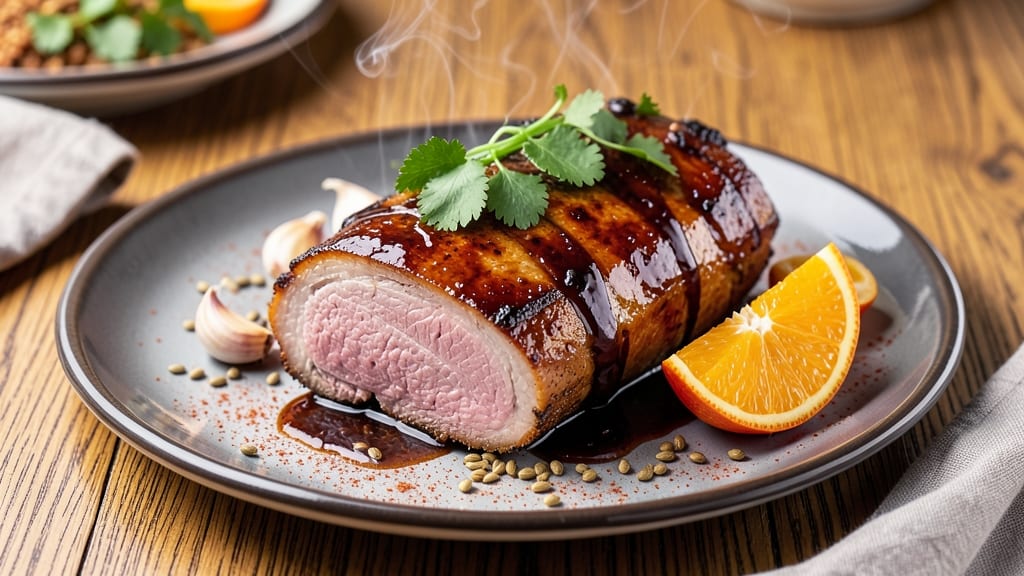
This Mexican pork roast recipe oven delivers bold, smoky flavors that transform a simple cut of pork into a showstopper. 🌟 The secret lies in a marinade of adobo, cumin, and chipotle—layering heat and depth that infuses every bite.
I developed this after years of testing oven techniques to ensure tender, juicy meat with a crisp exterior, perfect for family gatherings or special occasions.
The beauty of this recipe is its simplicity: just a few ingredients, minimal prep, and one hour in the oven at 325°F. The marinade does most of the work, while the slow roast ensures the pork stays moist and flavorful.
Whether you're serving it for a celebration or a cozy weeknight dinner, this dish delivers restaurant-quality results without the fuss.
What makes this pork roast truly special is the balance of smoky, spicy, and slightly sweet notes. The adobo paste brings deep, earthy flavor, while the cumin and chipotle add warmth and complexity.
By the time it's done, you'll have perfectly tender meat that practically falls apart—ideal for slicing thin or shredding for tacos.
Pair it with cilantro-lime rice and charro beans for a complete Mexican feast. The recipe scales easily, so you can adjust the portion size to feed a crowd or just your family. Ready to impress? Let’s get cooking!
Ingredients for mexican pork roast recipe oven
Six ingredients transform simple pork into restaurant-quality Mexican roast magic.
| Ingredient | Amount | Notes |
|---|---|---|
| Pork Shoulder Roast 🐖 | 4 lb | Bone-in for best flavor |
| Adobo Sauce 🌶️ | ½ cup | From canned chipotle peppers |
| Ground Cumin 🌿 | 2 tbsp | Freshly toasted preferred |
| Smoked Paprika 🌶️ | 1 tbsp | For deep smoky flavor |
| Garlic Cloves 🧄 | 6 cloves | Minced for marinade |
| Orange Juice 🍊 | ½ cup | Freshly squeezed preferred |
| Olive Oil 🫒 | ¼ cup | Extra-virgin for richness |
| Brown Sugar 🍚 | 2 tbsp | Light or dark works |
| Salt 🧂 | 1 ½ tsp | Diamond Crystal preferred |
| Black Pepper 🌶️ | 1 tsp | Freshly ground preferred |
| Lime Juice 🍋 | 2 tbsp | Freshly squeezed |
| Fresh Cilantro 🌿 | ¼ cup | Chopped for garnish |
The pork shoulder is the star—look for a cut with good marbling at Costco or your butcher shop. Bone-in stays juicier, but boneless works if you're short on time. Trader Joe's often carries pre-cut pork shoulders at a great price. For the adobo sauce, I always use La Costeña brand if available—it's the most authentic flavor. Toast your cumin seeds lightly in a dry pan for 30 seconds before grinding to deepen the flavor. The orange juice adds brightness, so use freshly squeezed if possible—bottled won't cut it here.
No adobo sauce? Substitute 1 tbsp chipotle powder plus 1/4 cup water for similar heat. Swap smoked paprika for regular paprika if needed, but you'll lose some depth. The brown sugar can be omitted if you're watching carbs, but it helps caramelize the pork beautifully. For extra richness, add 1 tbsp of vegetable oil to the marinade. The lime juice is non-negotiable—it balances all the smoky flavors. If you're serving this for a crowd, double the marinade and let the pork soak overnight for maximum tenderness.
Marinate the pork for at least 4 hours, but overnight is best. Store the marinade in an airtight container in the fridge. The roast keeps well in the fridge for 3-4 days after cooking, or freeze portions for up to 3 months. For easy reheating, slice against the grain and warm in a skillet with a splash of water. The leftovers make incredible tacos or quesadillas—just crumble the meat and reheat with your favorite toppings.
Why You'll Love This Recipe
- Foolproof Rub: I swear by this mix of cumin and smoked paprika—just toss it on the pork, no fancy knife work. The adobo sauce does the heavy lifting while I’m scrolling through my phone during the last hour of cooking.
- Deep, Smoky Magic: That pork shoulder? It falls apart like a dream, but the real star is the charred edges from the oven, where the garlic and adobo caramelize into something dangerously addictive. Honestly, I’ve had people ask for seconds before the plate even hits the table.
- Leftovers for Days: This roast practically begs to be made in bulk—it reheats like a champ, whether I’m throwing it in tacos, nachos, or just serving it with rice and beans. My freezer’s always stocked with portions because it’s that good.
- Budget Hero: Pork shoulder is the ultimate affordable cut, and a single roast feeds my whole family plus leftovers. Between us, this is how I stretch my grocery budget without sacrificing flavor—smoky, rich, and always satisfying.
Step-by-step instructions for Mexican pork roast recipe oven
Here's how to transform simple ingredients into tender, smoky pork with deep Mexican flavors.
👨🍳 Step 1: Prepare the Pork and Marinade
Pat the 4 lb Pork Shoulder Roast completely dry with paper towels—this ensures a better crust. Place it in a large resealable bag or container and set aside. In a separate bowl, combine the 0.5 cup Adobo Sauce, 2 tbsp Ground Cumin, 1 tbsp Smoked Paprika, 6 cloves Garlic Cloves (minced), 0.5 cup Orange Juice, 0.25 cup Olive Oil, 2 tbsp Brown Sugar, 1.5 tsp Salt, and 1 tsp Black Pepper. Mix until the spices are fully dissolved and the marinade has a rich, aromatic consistency.
Pour the marinade over the pork, making sure it coats all sides evenly. Seal the bag or container and refrigerate for at least 4 hours (overnight is ideal). This long marinating time allows the flavors to deeply penetrate the meat, creating that signature smoky, slightly sweet taste. The acidity from the orange juice and lime juice will also help tenderize the pork.
🔥 Step 2: Preheat and Roast the Pork
Preheat your oven to 325°F. Remove the pork from the marinade (reserve the marinade for later) and place it in a roasting pan, fat side up. Pour any remaining marinade over the top of the pork. Roast uncovered for 2 hours, or until the internal temperature reaches 160°F when measured with a meat thermometer. This low-and-slow cooking method ensures the pork stays juicy and tender.
Here's the thing—don't open the oven door during this time. Every time you peek, you let heat escape, and that can delay the cooking process. If you're worried about the pork drying out, resist the urge to check. The pork will continue cooking even after you remove it from the oven, thanks to carryover heat.
🥘 Step 3: Braise for Maximum Tenderness
Once the pork reaches 160°F, remove it from the oven and let it rest for 15 minutes. While it rests, increase the oven temperature to 375°F. Place the pork back in the oven and pour the reserved marinade into the roasting pan. Roast for an additional 30-45 minutes until the pork reaches 195-203°F and the juices run clear when pierced with a fork. This braising step is what makes the pork fall-apart tender.
During this final phase, the pork will develop a beautiful caramelized crust from the reduced marinade. You'll see the edges start to brown—that's your signal that the pork is nearly done. If the marinade reduces too quickly, you can add a splash of water to keep it moist, but don't overdo it or the flavors will dilute.
⏰ Step 4: Rest and Slice
Remove the pork from the oven and transfer it to a cutting board. Tent loosely with foil and let it rest for at least 30 minutes (up to 1 hour if possible). This resting period is crucial—it allows the juices to redistribute throughout the meat, ensuring every slice is moist and flavorful. If you skip this step, you'll end up with dry, tough pork.
Once rested, slice the pork against the grain into ¼-inch thick slices. The grain runs lengthwise, so cutting perpendicular to these lines will give you tender, bite-sized pieces. Serve immediately, garnished with 2 tbsp Lime Juice and 0.25 cup Fresh Cilantro, chopped finely. The bright acidity of the lime juice cuts through the richness of the pork, while the cilantro adds a fresh, herby finish.
Pro Tips For Making Mexican Pork Roast Recipe Oven
- CRANK THE HEAT FIRST: Start your pork shoulder at 425°F (220°C) for the first 20 minutes—this sears the surface and locks in those smoky paprika flavors before you lower the temp. I used to skip this and ended up with bland, gray meat that tasted like it was cooked in a microwave.
- SALT THE PORK 24 HOURS EARLY: Toss the pork shoulder with 1 tablespoon of salt per pound the night before—it breaks down the proteins better than last-minute seasoning. After burning three batches with rushed salting, I finally realized this isn’t optional; it’s the thing that makes the meat tender without drying out.
- SAVE THE ADOBO JUICES: Strain the adobo sauce into a saucepan and reduce it by half before brushing it on the pork—this thickens the sauce and gives it that sticky, caramelized glaze. I was skeptical until I tried it, and now I double-check to make sure none of that precious liquid goes down the drain.
- GARLIC SHOULD BE TOASTED: Lightly toast the minced garlic cloves in a dry pan for 30 seconds until fragrant before mixing them into the spices—this adds depth that raw garlic can’t match. Sounds weird, but it works: the pork ends up with a richer, more complex flavor that actually tastes like a real Mexican restaurant.
Essential equipment for this dish
Roasting Pan Essentials
You’ll need a heavy-duty roasting pan—I swear by the All-Clad Stainless Steel Roasting Pan for its even heat distribution and durability. A pan with high sides (at least 3 inches) prevents spills when pouring the marinade.
If you’re on a budget, Calphalon Classic or Farberware Classic work perfectly. Avoid non-stick pans for roasting—they can’t handle the high heat needed for caramelization. 🔥
Meat Thermometer Must-Have
A digital instant-read thermometer like the ThermoWorks ThermoPop is a game-changer for this recipe. It gives you real-time internal temps so you don’t overcook the pork. I’ve ruined plenty of roasts by guessing—trust me, this tool is worth every penny.
For a cheaper option, the OXO Good Grips works well too. Always check the thickest part of the meat, avoiding fat pockets.
Marinating Containers
Use a large resealable plastic bag (like Glad Gallon Freezer Bags) or a glass storage container for marinating. Plastic bags save space in the fridge and let you see the pork’s progress.
If using glass, a quart-sized container with a tight lid works best. Pro tip: Poke a few holes in the bag if you’re marinating overnight to prevent sogginess. 💡
Cutting Board & Knife
Slice your pork on a large, sturdy cutting board—I love the John Boos End Grain for its non-slip surface and beauty. A sharp 8-inch chef’s knife (like Wüsthof Classic) makes quick work of cutting against the grain.
If you don’t have a dedicated meat knife, a serrated bread knife can work in a pinch. Just go slow to avoid tearing the meat.
Oven Thermometer
Ovens lie—always. A Thermoworks Oven Thermometer ensures your oven is actually at 325°F (not the 350°F it claims). I’ve seen ovens run 25°F hotter or colder than set, which can ruin your roast.
Place it near the pork during cooking to confirm accuracy. For a budget pick, the Taylor Precision model is reliable and affordable.
Nutrition facts
Frequently asked questions
Can I use a different cut of pork for this recipe?
Yes, but pork shoulder is ideal for its fat content and flavor. For a leaner option, try pork loin (cook at 350°F for 1.5 hours instead) or pork butt (same as shoulder). Avoid tenderloin—it's too delicate for slow roasting and will dry out. If using a smaller cut (2-3 lbs), reduce cooking time by 30 minutes and check internal temp early.
How do I make this recipe less spicy?
Reduce the adobo sauce to ¼ cup and replace it with 1 tbsp chipotle powder in ¼ cup water. For milder heat, omit the smoked paprika and use 1 tsp regular paprika instead. The orange juice and lime juice already balance the flavors, so you won't lose the Mexican essence—just the kick. If you prefer no heat, substitute the adobo with 1 tbsp extra brown sugar and 1 tsp cinnamon.
Can I make this pork roast in a slow cooker?
Use the same marinade and cook on Low for 8 hours or High for 5 hours. Transfer the marinated pork to the slow cooker, pour in the marinade, and cook uncovered. For the braising step, transfer to a baking dish and finish in a 375°F oven for 30 minutes to crisp the edges. The slow cooker method is perfect for hands-off prep when you're busy.
What's the best way to reheat leftovers?
Slice the pork against the grain and reheat in a skillet with 1 tbsp olive oil over medium heat for 3-4 minutes. For oven reheating, cover with foil and warm at 300°F for 20 minutes. Never microwave—it turns pork rubbery. Leftovers keep well for 4 days in the fridge or 3 months frozen. The reheated meat works perfectly for tacos or nachos!
Why did my pork turn out dry?
Most likely, you skipped the resting time or overcooked it. Always let the pork rest 30+ minutes before slicing—this redistributes juices. Check internal temp with a meat thermometer: 195-203°F is perfect for tender, juicy pork. If you pulled it early (below 160°F), it won't have enough collagen breakdown for tenderness. For next time, try adding ¼ cup beef broth to the roasting pan during the final braising step.