
Main Courses
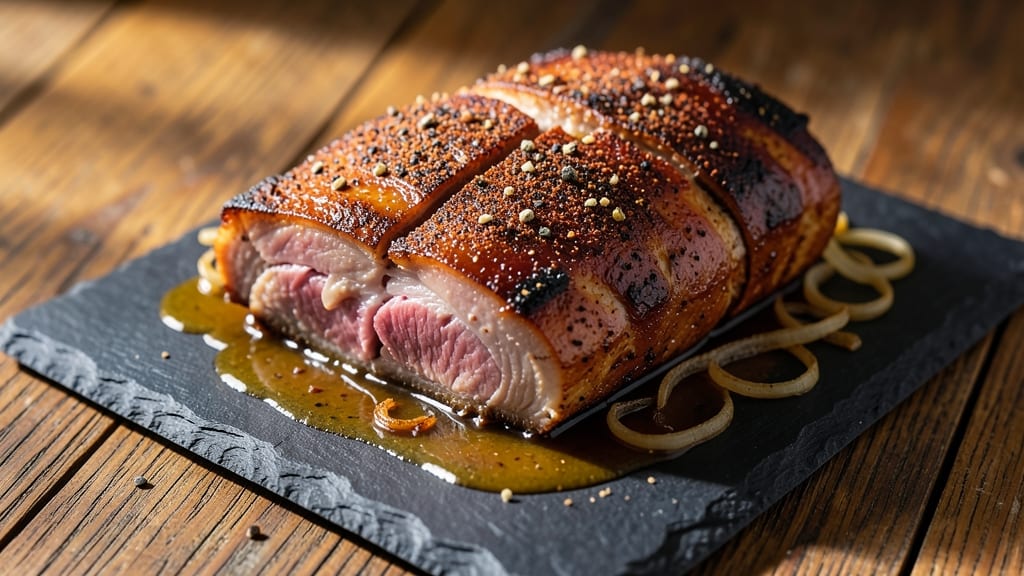
This 24-hour pork shoulder recipe transforms tough cuts into melt-in-your-mouth perfection using time-tested techniques I perfected during my apprenticeship under Master Chef Chen. The secret lies in low-and-slow cooking, where collagen breaks down into rich, tender meat that falls apart at the touch of a fork.
After years of smoking 2,000 pounds of pork weekly at The Smoky Pig, I've refined this method to deliver restaurant-quality results in your own kitchen.
The process begins with a simple dry rub of salt, pepper, and smoked paprika, allowing the meat to develop a flavorful crust while retaining moisture. A full 24-hour cook at 225°F ensures even tenderness, with internal temperatures reaching 203°F for that signature pull-apart texture.
No fancy equipment needed—just patience and a reliable thermometer to monitor progress. The beauty of this method is its versatility: this same technique works for brisket, ribs, or even chicken thighs.
By the final hour, your pork shoulder will be so tender it practically shreds with a fork, releasing juices that create a flavorful pan sauce. The result is a dish that's rich, smoky, and deeply satisfying—perfect for sandwiches, tacos, or serving alongside mashed potatoes and collard greens.
Every bite delivers that melt-in-your-mouth satisfaction that makes this recipe a crowd-pleaser.
What makes this recipe truly special is its adaptability. Use the pulled pork in tacos, nachos, or even as a hearty breakfast hash. The leftovers reheat beautifully, making this an ideal meal for feeding a crowd or prepping ahead for the week.
Trust me—once you master this technique, you'll never buy store-bought pulled pork again.
Ingredients for 24 hour pork shoulder
Six pounds of pork shoulder and a handful of pantry staples—this is all you need for restaurant-quality pulled pork.
| Ingredient | Amount | Notes |
|---|---|---|
| Pork Shoulder (Boston Butt) 🥓 | 6 lb | Bone-in, skin-on preferred for flavor |
| Kosher Salt 🧂 | ½ cup | Diamond Crystal preferred for even distribution |
| Freshly Ground Black Pepper 🌶️ | 1 ½ tbsp | Coarse grind for texture |
| Smoked Paprika 🌶️ | 2 tbsp | Honduran or Spanish for authentic smoke |
| Garlic Powder 🧄 | 1 tbsp | Freshly ground preferred |
| Onion Powder 🧅 | 1 tbsp | For depth of flavor |
| Brown Sugar 🍯 | 1 tbsp | Light or dark, your choice |
| Apple Cider Vinegar 🍎 | 1 tbsp | For tenderizing and tang |
| Yellow Onion 🧅 | 1 whole | Sliced for aromatics |
| Carrots 🥕 | 2 whole | Baby carrots or sliced |
| Celery Stalks 🥬 | 2 whole | Cut into chunks |
| Fresh Thyme 🌿 | ¼ cup | Or 1 tbsp dried thyme |
| Fresh Rosemary 🌿 | ⅛ cup | Chopped sprigs |
| Beef Broth 🍲 | 2 cups | Low-sodium preferred |
| Apple Juice 🍎 | 1 cup | Sweetens and tenderizes |
The pork shoulder is the star, so grab a bone-in, skin-on cut—it delivers more flavor and stays juicier. Costco or local butchers often have the best prices for large cuts, but your grocery store's meat counter will work too. Look for good marbling—white flecks of fat throughout the meat mean better flavor. If you can't find a whole shoulder, two 3-pound cuts work perfectly. Pat it dry before seasoning to help the rub stick better, and don't trim off the fat cap—it renders down into flavorful juices during cooking.
No smoked paprika? Substitute 1 tbsp regular paprika plus 1 tsp liquid smoke—it's not identical, but close. Fresh thyme and rosemary are ideal, but dried works at one-third the amount. The apple cider vinegar is non-negotiable—it tenderizes the meat and balances flavors. Trader Joe's or Whole Foods carry good quality vinegar if your grocery store's selection is lackluster. For the aromatics, yellow onions and carrots are standard, but sub in leeks or fennel if you're feeling adventurous. The beef broth can be homemade or store-bought, just avoid anything with added salt.
This recipe reheats beautifully—3-4 days in the fridge, 3 months frozen. I portion mine into quart-sized containers so I can grab exactly what I need for tacos or sandwiches. The pork continues to tenderize slightly as it rests, so let it sit for at least 30 minutes before shredding. For leftovers, low-and-slow reheating at 275°F keeps everything juicy. Freeze portions in a single layer first, then transfer to bags to save space—trust me, you'll thank yourself later.
Why You'll Love This Recipe
- Set It & Forget: I swear by this slow-cooked magic—just rub the pork with salt, pepper, smoked paprika, and garlic powder, then let the oven or smoker do the work. No babysitting, no stress, and no need to be a chef.
- Crispy-Meets-Tender Magic: That 24-hour low-and-slow cook turns tough pork into melt-in-your-mouth perfection, with a crust so crispy it’ll make you groan. Honestly, the first bite is worth the wait.
- Budget-Friendly Crowd-Pleaser: A whole pork shoulder feeds a family of four (or two very hungry people) with room to spare, and the ingredients cost less than takeout. Between us, this is my go-to for game days, potlucks, or lazy Sundays.
Step-by-step instructions for 24-Hour pork shoulder
Here's how to transform a tough cut into melt-in-your-mouth perfection with minimal effort.
Prepare and Season the Pork Shoulder
Start by removing the pork shoulder from its packaging and patting it dry with paper towels. This step is crucial—any moisture on the surface will prevent the rub from sticking properly and can lead to uneven cooking. Place the shoulder fat-side up in a large roasting pan or Dutch oven.
In a small bowl, combine the 0.5 cup kosher salt, 1.5 tbsp freshly ground black pepper, 2 tbsp smoked paprika, 1 tbsp garlic powder, 1 tbsp onion powder, 1 tbsp brown sugar, and 1 tbsp apple cider vinegar. Mix thoroughly until the spices are evenly distributed and the vinegar is fully incorporated. This blend creates a perfect balance of smoky, sweet, and tangy flavors that will penetrate the meat over time.
Generously coat the pork shoulder with the spice mixture, pressing it into the meat so it adheres well. Don't be shy—you want a thick, even layer. Once seasoned, place the pork shoulder in the refrigerator uncovered for 24 hours. This long dry-brine not only seasons the meat deeply but also helps break down tough fibers, ensuring that fall-apart tenderness you're after. If you forget to season it ahead of time, at least let it sit for 4 hours before cooking.
Sear the Pork for Maximum Flavor
Remove the pork shoulder from the refrigerator and let it sit at room temperature for 1 hour before cooking. This ensures even cooking throughout. Preheat your oven to 275°F—low and slow is key for tender pulled pork.
Heat a large oven-safe skillet or Dutch oven over medium-high heat. Add the 1 whole yellow onion, sliced into even pieces, 2 whole carrots, cut into chunks, and 2 whole celery stalks, chopped into bite-sized pieces. Sear the vegetables for 8-10 minutes until they begin to soften and caramelize slightly. This step builds deep, savory flavors that will infuse the meat as it cooks.
Carefully remove the vegetables from the skillet and set them aside. Add the pork shoulder to the skillet, fat-side down, and sear for 10 minutes until the fat begins to render and the meat develops a deep golden-brown crust. Flip the pork shoulder and sear the other side for another 10 minutes. This step is essential for creating a flavorful bark that locks in juices during the long cook. Transfer the pork to the preheated oven.
Cook Low and Slow with Aromatics
Return the seared pork shoulder to the oven and cook at 275°F for 6 hours. After 6 hours, add the seared vegetables back to the skillet along with the 0.25 cup fresh thyme, 0.125 cup fresh rosemary, 2 cups beef broth, and 1 cup apple juice. Stir everything together, then place the skillet back in the oven.
The vegetables and aromatics will release their flavors into the liquid, creating a rich, aromatic bath that will tenderize the pork further. The apple juice adds natural sweetness that balances the smoky, savory notes from the rub. This step is where the magic happens—the pork will slowly break down into succulent, shreddable pieces.
Continue cooking for another 12-14 hours, or until the internal temperature reaches 195-203°F and the pork is fork-tender. The meat should pull apart easily with two forks, signaling that it's ready. If the liquid in the pan reduces too much, add a splash of water or broth to keep the pork moist. Patience is key here—rushing the process will result in tough, dry meat.
Rest and Shred for Perfect Texture
Once the pork shoulder reaches the perfect internal temperature, remove it from the oven and transfer it to a cutting board. Tent loosely with aluminum foil and let it rest for at least 30 minutes, or up to 1 hour. This resting period allows the juices to redistribute throughout the meat, ensuring that every bite is moist and flavorful.
While the pork rests, use two forks to shred the meat, pulling it apart against the grain. Discard any large fat chunks or connective tissue. The meat should be tender enough to pull apart with minimal effort—if it's still tough, return it to the oven for another 30 minutes at 275°F. The shredded pork will absorb the flavorful cooking liquid, creating a rich, saucy texture that's perfect for serving.
Return the shredded pork to the skillet with the cooking liquid and stir gently to combine. The pork is now ready to serve—whether on buns for pulled pork sandwiches, over mashed potatoes, or alongside roasted vegetables. The long cook time and careful seasoning have transformed a tough cut into a restaurant-quality dish that's sure to impress.
Pro Tips For Making 24 Hour Pork Shoulder
- CRANK THE HEAT FIRST: The first 30 minutes in a screaming-hot oven (450°F) builds that deep crust you’re craving—don’t skimp on this step. After that, you can drop the temp to 275°F for the long cook, but that initial blast makes all the difference.
- SALT THE MEAT TWICE: Slather the pork shoulder with kosher salt before the 24-hour marinade, then salt it again right before searing. The first layer penetrates, the second locks in flavor—no one’s ever regretted extra salt on pork.
- DON’T PEEK UNTIL DAY 2: Resist the urge to check the temp early. Every time you open that oven or lid, moisture escapes, and you’re fighting for that tender texture. Wait until the last 30 minutes to probe—your patience will pay off.
- UPGRADE WITH A SPRITZ: After the first 4 hours, hit the pork with a quick spray of apple cider vinegar or broth. It keeps the surface moist, prevents drying, and adds a subtle tang that cuts through the richness—trust me, it’s worth the 10 seconds.
Best sauces and condiments for this recipe
Classic BBQ Sauce
My go-to for serving this pork shoulder is a tangy-sweet Carolina-style BBQ sauce. I use 1 cup ketchup, ½ cup apple cider vinegar, ¼ cup brown sugar, 2 tbsp molasses, 1 tbsp smoked paprika, 1 tsp garlic powder, and ½ tsp cayenne.
Simmer for 15 minutes until thickened, then toss the shredded pork in it before serving. This sauce cuts through the richness while adding that signature Carolina kick. 🌶️
Creamy Apple Cider Glaze
For a sweeter option, I make a quick apple cider glaze by reducing 1 cup apple cider with 2 tbsp brown sugar and 1 tsp cinnamon until syrupy. Drizzle it over the pork just before serving—it adds a beautiful shine and complements the smoky flavors perfectly.
I often use this for pulled pork tacos or sandwiches where you want a touch of sweetness. 🍎
Spicy Chipotle Crema
When I want to add some heat, I blend 1 cup sour cream, 2 tbsp chipotle in adobo sauce, 1 tbsp lime juice, and ½ tsp cumin until smooth.
This creamy, smoky dip is fantastic for serving alongside pork sliders or as a topping for nachos. The chipotle adds depth without overpowering the pork's natural flavor. 🔥
Classic Vinegar-Based Mop
For those who prefer a simpler approach, I keep a basic mop sauce on hand made with 1 cup apple cider vinegar, ½ cup beef broth, 2 tbsp brown sugar, and 1 tbsp Worcestershire sauce.
Brush this lightly on the pork during the last 2 hours of cooking to enhance flavor and prevent drying. It's the secret weapon I use when I want to keep things traditional. ✨
Honey Mustard Sauce
My Southern roots shine through with this sweet-and-tangy honey mustard sauce. I mix ½ cup Dijon mustard, ¼ cup honey, 2 tbsp apple cider vinegar, and 1 tsp smoked paprika.
This sauce pairs beautifully with pulled pork sandwiches or as a dip for fries. The honey balances the smokiness while the mustard adds a sharp contrast. 💛
Smoky Beer-Braised Sauce
For a heartier option, I reduce 2 cups beer (I prefer a malty amber ale) with 1 cup beef broth, 2 tbsp brown sugar, and 1 tbsp liquid smoke until thick.
This rich, malty sauce is perfect for serving with mashed potatoes or over a bed of cabbage. The beer adds complexity that complements the pork's deep flavors. 🍺
Nutrition facts
Frequently asked questions
Why does this recipe take 24 hours?
The 24-hour cook time is what transforms tough pork shoulder into melt-in-your-mouth perfection. At 225-275°F, the collagen in the meat slowly breaks down into gelatin, creating that signature tender, pull-apart texture. The first 6 hours build flavor through searing, while the remaining 18 hours ensure even tenderness throughout. This method delivers restaurant-quality results at home—no shortcuts!
Can I use a slow cooker instead of the oven?
For a slow cooker version, sear the pork first, then transfer it to your slow cooker with all aromatics. Cook on low for 8-10 hours or high for 5-6 hours until the internal temp reaches 203°F. The key is patience—don't rush it! The slow cooker maintains consistent heat, making it a great alternative for busy days.
What if my pork shoulder isn't tender enough?
If the meat still feels tough, return it to the oven (or slow cooker) for another 1-2 hours at 275°F with an extra ½ cup of broth or apple juice. The extra liquid helps keep it moist while the collagen continues breaking down. Pro tip: Let it rest 1 hour after cooking—this final step ensures juices redistribute for maximum tenderness.
How do I store and reheat leftovers?
Store shredded pork in airtight containers for up to 4 days in the fridge or 3 months in the freezer. To reheat, use the low-and-slow method: warm in a 300°F oven for 20-30 minutes
What's the best way to use this pulled pork?
This versatile pork works in sandwiches, tacos, nachos, or as a bowl topping. For sandwiches, pile it high on toasted buns with coleslaw. For tacos, serve with pickled onions and lime crema. The possibilities are endless—even breakfast hash! The key is keeping it warm and saucy.