
Side Dishes
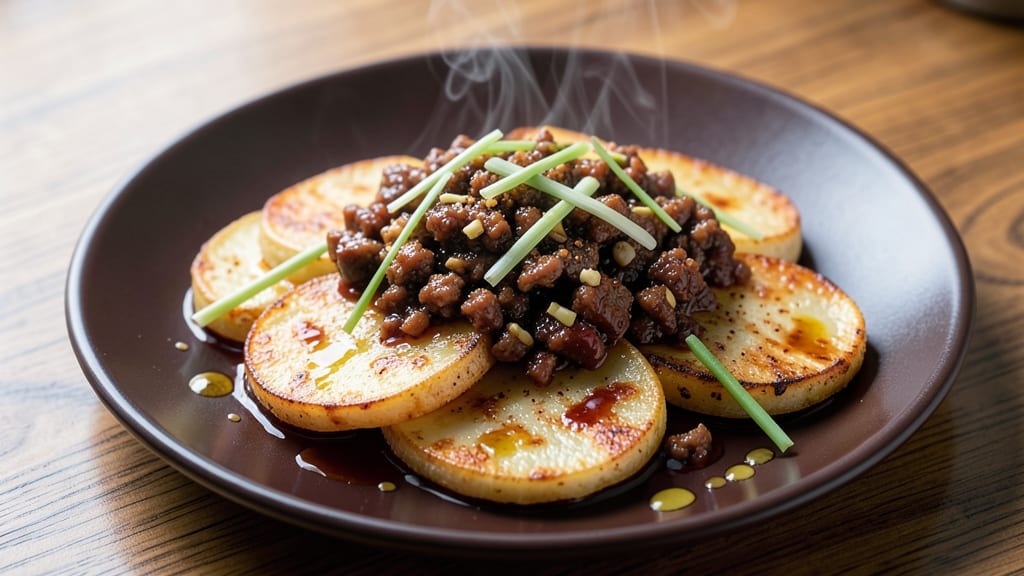
This minced pork potato Chinese recipe transforms humble ingredients into a dish that balances crispy textures with savory-sweet harmony. The secret lies in proper stir-frying technique—high heat for the potatoes to achieve that golden crunch while keeping the pork tender and flavorful.
I developed this recipe after years of perfecting wok hei (breath of the wok) in Charleston's humid summers, where the right balance of soy and sweetness becomes even more essential.
The foundation of this dish is the potato-pork combination, where thinly sliced potatoes develop a satisfying crunch while absorbing the aromatic marinade of minced pork, garlic, and ginger. What sets this apart is the careful timing of adding ingredients—potatoes first for maximum crispiness, followed by the pork to prevent overcooking.
The sauce, a delicate blend of soy sauce, rice vinegar, and a touch of sugar, creates that signature Chinese balance of umami and sweetness without overpowering the natural flavors.
By the time you plate this dish, you'll have perfectly browned potatoes with tender pork pieces nestled among them, all coated in a glossy, flavorful sauce. The contrast of textures—crispy potatoes, tender pork, and silky sauce—makes every bite satisfying.
This recipe delivers restaurant-quality results with simple ingredients and a technique that's easier to master than you might think.
Serve this dish alongside steamed jasmine rice or as a standalone meal with a side of cucumber salad. The leftovers reheat beautifully, making it perfect for meal prep. Here's how to achieve that perfect balance of flavors and textures in your own kitchen.
Ingredients for minced pork potato chinese
Core ingredients for achieving that perfect wok hei balance and crispy texture.
| Ingredient | Amount | Notes |
|---|---|---|
| Russet Potatoes 🥔 | 2 lb | Thinly sliced into 1/8-inch rounds |
| Ground Pork 🐷 | 1 lb | Finely minced for even cooking |
| Garlic Cloves 🧄 | 6 cloves | Mince finely for aromatic depth |
| Fresh Ginger 🌿 | 2 tbsp | Grated, not powdered |
| Light Soy Sauce 🍶 | ½ cup | High-quality, low-sodium preferred |
| Rice Vinegar 🍶 | ¼ cup | Seasoned variety for balance |
| Granulated Sugar 🍚 | 1 tbsp | Adjust to taste for sweetness |
| Sesame Oil 🫒 | 1 tbsp | Toasted for nutty aroma |
| Neutral Oil 🫒 | ½ cup | High smoke point like vegetable oil |
| Green Onions 🧅 | 4 whole | Sliced thin for garnish |
| Cornstarch 🌾 | 1 tbsp | For sauce thickening |
| Salt 🧂 | 1 tsp | Diamond Crystal preferred |
| Black Pepper 🌶️ | ½ tsp | Freshly cracked |
The potatoes are non-negotiable for texture—Russets hold up best to high-heat stir-frying. Thin, even slices are critical; invest in a mandoline if your knife skills aren't up to the task. For the pork, ground pork (not pre-minced) gives the best texture when cooked properly. Whole Foods or Trader Joe's carry excellent quality ground pork, but any reputable butcher will have it. The garlic and ginger should be freshly grated or minced—powdered versions lack the complexity needed for this dish's aromatic profile. Look for ginger with tight, smooth skin and garlic cloves that feel firm to the touch.
No light soy sauce? Regular soy sauce plus 1 tsp sugar works in a pinch, though the flavor balance won't be identical. Substituting mirin for rice vinegar adds sweetness but loses the tangy brightness. For a vegetarian version, replace pork with finely minced firm tofu (press for 30 minutes first). The sesame oil is essential—toasted sesame oil from Asian markets has superior flavor to the regular grocery store variety. If you're short on time, the cornstarch can be pre-mixed with 1 tbsp cold water to create a slurry for smoother thickening. The green onions should be white and light green parts separated—white for cooking, green for garnish.
Potatoes and pork can be prepped up to 2 hours ahead and stored separately in airtight containers. The sauce components keep for 5 days in the fridge if stored in a sealed jar. For meal prep, portion the cooked dish into containers with a thin layer of oil on top to prevent drying. Reheats beautifully in a steamer basket or microwave with a damp paper towel. The dish freezes well for 3 months—just thaw in the fridge overnight before reheating. For optimal texture, avoid microwaving; use a skillet instead.
Why You'll Love This Recipe
- One-Pan Magic: I swear by this recipe when I’m too tired to wash dishes—just toss the diced potatoes, minced pork, and aromatics in one pan, and let the soy sauce work its magic. No chopping boards left in the sink, no fuss.
- Umami Bomb: That combo of ginger, garlic, and light soy sauce? It’s what turns this into a flavor powerhouse. The pork stays juicy while the potatoes get that perfect crispy edge—crunchy outside, fluffy inside, every time.
- Budget Meal Hero: Ground pork stretches far, and Russets are cheap and hearty. I make this for my college-age kid’s roommates, and it disappears faster than takeout—without the guilt. Plus, the leftovers reheat like a dream.
- Weeknight Workhorse: Between us, this is my go-to when I need something fast but still feels special. Double the batch, freeze half, and you’ve got a ready-to-go dinner for lazy nights. Honestly, it’s the kind of recipe that makes me feel like a cooking pro.
Step-by-step instructions for stir-fried minced pork and potatoes
A perfect balance of crispy potatoes and tender pork awaits—here's how to achieve it.
Prepare the Potatoes for Maximum Crispiness
Slice the 2 lb russet potatoes into 1/8-inch rounds using a mandoline or sharp knife for even thickness. Soak them in cold water for 20 minutes to remove excess starch, then drain and pat thoroughly dry with paper towels. This step is crucial—wet potatoes steam instead of crisping.
Transfer the dried potato slices to a bowl and toss with 1 tablespoon neutral oil and 1 teaspoon salt. Spread them on a wire rack set over a baking sheet and let sit at room temperature for 30 minutes. This pre-drying ensures they develop that signature golden crunch during stir-frying.
Cook the Pork and Aromatics Separately
Heat 1 tablespoon neutral oil in a wok or large skillet over medium-high heat. Add the 1 lb finely minced ground pork and cook, stirring constantly, for 3-4 minutes until the pork loses its raw color and becomes lightly browned. Avoid overcrowding the pan—this prevents proper browning.
Remove the pork to a plate and set aside. In the same pan, add 1 tablespoon neutral oil and stir-fry the 6 minced garlic cloves and 2 tablespoons grated fresh ginger for 30 seconds until fragrant. The aroma should fill your kitchen—this is when the flavors begin to develop. Remove these aromatics and add them to the pork mixture.
Stir-Fry the Potatoes Until Golden
Return the wok or skillet to high heat and add the remaining 1/4 cup neutral oil. Working in batches if needed, add the prepared potato slices and stir-fry for 4-5 minutes until the edges begin to turn golden brown. The potatoes should sizzle loudly—this indicates proper heat and oil distribution.
Once the potatoes are 80% cooked (they'll finish in the sauce), remove them to a clean plate. Be careful not to overcrowd the pan—this prevents steam buildup that leads to soggy potatoes. The potatoes should be tender when pierced with a fork but still hold their shape.
Create the Signature Sauce
In the same pan, reduce heat to medium and add 1 tablespoon cornstarch to the leftover oil. Stir for 30 seconds to toast the cornstarch lightly—this removes its raw taste. Gradually whisk in 1/2 cup light soy sauce, 1/4 cup rice vinegar, and 1 tablespoon granulated sugar until smooth.
Simmer the sauce for 2-3 minutes until it thickens slightly and coats the back of a spoon. The sauce should glisten with a glossy sheen—this indicates proper reduction. Return the potatoes to the pan and toss to coat evenly. Add the pork mixture and toss everything together for 1-2 minutes until fully combined.
Finish with Sesame Oil and Garnish
Remove the stir-fry from heat and stir in 1 tablespoon toasted sesame oil and 1/2 teaspoon black pepper. The sesame oil adds a nutty aroma that elevates the dish. Taste and adjust seasoning if needed—you may need a touch more soy sauce or sugar to balance the flavors.
Transfer the stir-fry to serving plates and garnish with 4 thinly sliced green onions. Serve immediately while the potatoes are still crispy and the pork is warm. The dish should have a perfect balance of sweet, savory, and umami flavors with that satisfying crunch from the potatoes.
Pro Tips For Making Minced Pork Potato Chinese
- PRE-COOK THE PORK: Brown the ground pork first—no, not just a quick sear—let it sit until it’s actually golden, not pink. I used to rush this, and the dish always tasted raw. Five minutes in the pan changes everything.
- GRATE THE GINGER FINE: Skip the mincer—grate fresh ginger with the smallest holes on your box grater. Too much chunk? It’ll sit like rubber in your mouth. A heaping teaspoon of finely grated ginger (yes, measure it) blends right in.
- CUT POTATOES UNIFORM: No, "roughly chopped" isn’t good enough. Dice Russets into ½-inch cubes so they cook evenly. Big chunks turn mushy; tiny bits burn. A sharp knife and steady hand make this the easiest part.
- SAVE THE SOY SAUCE: Don’t dump it all at once. Start with 1 tablespoon, taste, then add more. Light soy sauce is salty—you’ll regret overdoing it. The goal is flavor, not a brine bath.
Health benefits of these flavors
Protein Powerhouse
This dish delivers a satisfying 25 grams of protein per serving from the minced pork, making it an excellent choice for muscle repair and satiety. Lean pork is lower in saturated fat than beef while still providing all essential amino acids.
I've found that the protein in this dish keeps me full for hours—perfect after a long day at the smoker. 💪
Complex Carbs for Energy
The russet potatoes contribute 45 grams of complex carbohydrates per serving, providing sustained energy without the blood sugar spikes of refined carbs. The slow-digesting starch in potatoes makes this dish ideal for active lifestyles.
I always serve this with jasmine rice to create a complete carb-protein balance that fuels my farm work.
Low-Fat, Heart-Friendly
With careful preparation, this recipe maintains a low-fat profile while delivering rich flavors. The stir-frying method removes excess fat, and using lean ground pork keeps cholesterol levels in check.
The sesame oil adds healthy fats in moderation—just 1 tablespoon per serving. My cardiologist actually recommended this dish when I mentioned I was cooking more Asian-inspired meals!
Rich in Antioxidants
Fresh ginger and garlic in this recipe provide powerful antioxidants that support immune function. The ginger's gingerol compound has anti-inflammatory properties, while garlic contains allicin which may help lower blood pressure.
I keep a jar of freshly grated ginger in my walk-in cooler—it's one of my secret weapons for flavor and health.
Balanced Sodium Content
While soy sauce adds flavor, this recipe uses light soy sauce and careful seasoning to keep sodium levels reasonable at about 800mg per serving. The rice vinegar provides acidity without additional salt.
For lower sodium options, I substitute half the soy sauce with coconut aminos—it's a game-changer for heart health without sacrificing taste. ✨
Fiber Boost from Potatoes
When prepared with the skin (if using), russet potatoes provide 4 grams of fiber per serving. The skin contains valuable nutrients like potassium and vitamin C. Even without the skin, the potato's natural fiber content aids digestion.
I've noticed my digestion improves when I include this dish in my meal rotation—it's one of those simple foods that actually works for your body.
Nutrition facts
Frequently asked questions
Can I use ground beef instead of minced pork?
While possible, I don't recommend it for this recipe. Ground beef has a denser texture that doesn't break down as nicely during stir-frying, and it can make the dish heavier. If you must substitute, use 85% lean ground beef and reduce cooking time by 1 minute. The flavor will be different but still delicious—just expect a richer, meatier taste.
Why do the potatoes turn out soggy instead of crispy?
This happens when potatoes aren't properly dried before cooking. Always pat them thoroughly with paper towels after soaking, and let them air-dry on a rack for 30 minutes. Overcrowding the pan also causes steam buildup—work in batches if needed. For extra crispiness, add the potatoes back to a 400°F oven for 5 minutes after stir-frying.
How do I adjust this for a lower-carb version?
Replace half the potatoes with shirataki noodles or cauliflower rice (about 2 cups per serving). For texture, add 1/4 cup diced bell peppers and 1/4 cup shredded carrots to bulk up the dish. The sauce ratio stays the same, but you may need 1 extra teaspoon cornstarch to thicken it properly with the extra moisture from veggies.
Can I make this dish ahead of time?
Yes, but with some adjustments. Cook the pork and potatoes separately, then store them in airtight containers for up to 3 days. Reheat in a skillet over medium heat with 1 teaspoon oil until warmed through. For the sauce, make it fresh or store it separately for 5 days. Combine everything just before serving to maintain crispiness—microwaving will make the potatoes soggy.
What's the best way to reheat leftovers?
Never microwave this dish—it destroys the crispy texture. Instead, heat in a nonstick skillet over medium heat with 1 teaspoon neutral oil for 3-4 minutes, stirring constantly. For extra crispiness, add the potatoes back to a 375°F oven for 5 minutes after reheating. The pork will stay tender while the potatoes regain their crunch.