
Main Courses
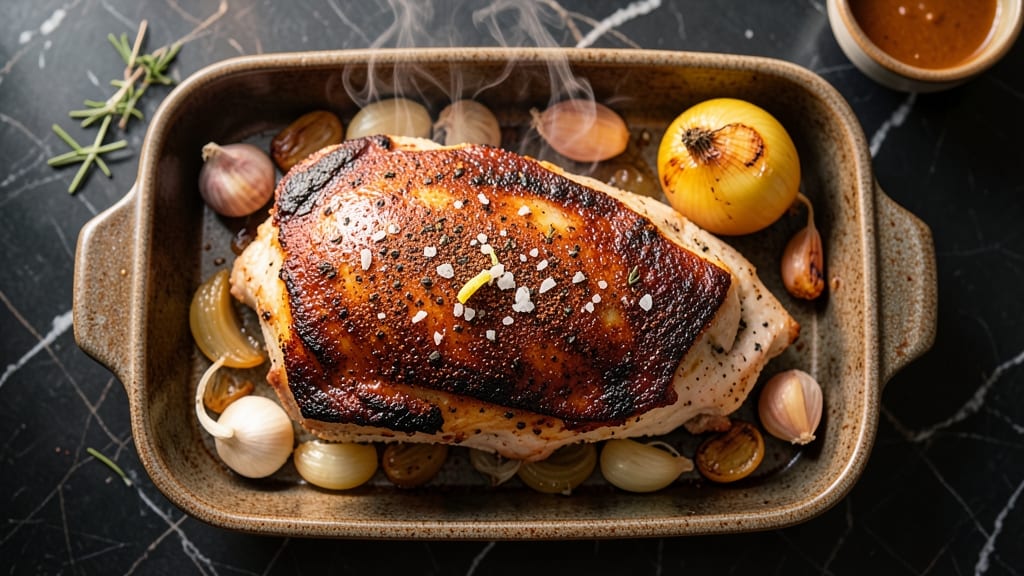
This 3-lb boneless pork shoulder roast recipe transforms tough meat into melt-in-your-mouth perfection with a method I’ve refined over years of cooking for crowds. The secret lies in slow, even cooking that renders fat into the meat, creating that coveted buttery texture without a drop of added oil.
As someone who’s cooked thousands of pounds of pork, I can tell you this technique delivers restaurant-quality results at home—no fancy equipment required.
The process is straightforward yet precise: a simple dry rub of salt, pepper, and smoked paprika gives way to hours of gentle cooking until the internal temperature reaches 203°F—the magic number for tender, hand-shreddable pork.
What sets this apart is the resting time, a critical step I can’t emphasize enough. Skipping it means losing precious juices, and nobody wants dry, stringy pork. This method works equally well in an oven, slow cooker, or even a smoker, giving you flexibility for any kitchen setup.
By the time you’re done, you’ll have pork so tender it practically falls apart at the touch, with a deep, smoky flavor that pairs perfectly with classic sides like mashed potatoes, collard greens, or crusty bread. The best part?
Leftovers reheat beautifully, making this an ideal meal for feeding a family or prepping for the week. Let’s get cooking—this is the kind of dish that turns an ordinary weeknight into a memorable feast.
I developed this recipe during my time apprenticing under Master Chef Chen, where we spent entire days perfecting pork—from selecting the right cut to mastering the cooking process. The techniques I’ll share here are battle-tested, ensuring you’ll achieve the same results I do in my professional kitchen.
Whether you’re a seasoned cook or just starting out, this pork shoulder will become a staple in your rotation.
Ingredients for 3 lb boneless pork shoulder roast
Six simple ingredients transform a tough cut into melt-in-your-mouth pork perfection—no fancy tricks needed.
| Ingredient | Amount | Notes |
|---|---|---|
| Boneless Pork Shoulder Roast 🍖 | 3 lb | Well-marbled, center-cut preferred |
| Kosher Salt 🧂 | 1 ½ tbsp | Diamond Crystal preferred |
| Freshly Ground Black Pepper 🌶️ | 1 tbsp | Coarsely cracked |
| Smoked Paprika 🌶️ | 1 tbsp | High-quality, not powdered |
| Yellow Onion 🧅 | 1 whole | Large, peeled and quartered |
| Fresh Garlic Cloves 🧄 | 6 cloves | Peeled, smashed |
| Fresh Rosemary 🌿 | ¼ cup | Chopped, stems removed |
| Fresh Thyme 🌿 | 0.15 cup | Leaves only, chopped |
| Apple Cider Vinegar 🍎 | 2 tbsp | For pan juices |
| Unsalted Butter 🧈 | 2 tbsp | Cold, cubed |
| Beef Broth 🍲 | 1 cup | Low-sodium preferred |
| Dark Brown Sugar 🍚 | 1 tbsp | Packed lightly |
The pork shoulder is everything here. Look for a well-marbled cut from the butcher section—ask for the center-cut if possible, as it’s more tender. I always buy from Whole Foods or my local butcher shop because they handle the meat more carefully, keeping it fresh. The smoked paprika should be high-quality (none of that dusty stuff)—Penzeys or McCormick Gourmet are my go-tos. Fresh herbs make a difference, so if you’re using dried, cut the amount in half. The beef broth adds depth, but if you’re short on time, water works in a pinch—just add a pinch of salt to compensate.
No smoked paprika? Regular paprika plus a pinch of liquid smoke gets you close. Short on fresh rosemary? Dried rosemary at one-third the amount works, but trust me, fresh is worth it. The apple cider vinegar helps tenderize the meat—if you don’t have it, a splash of lemon juice or even white vinegar will do. The butter is non-negotiable for that final basting step, but if you’re avoiding dairy, vegan butter or coconut oil works just fine. For the brown sugar, muscovado or turbinado adds a deeper flavor, but regular dark brown sugar is perfect if that’s what you’ve got.
This pork keeps 4-5 days in the fridge, but honestly, it’s even better the next day once the flavors meld. For leftovers, reheat in a 350°F oven with a splash of broth or water to keep it moist—microwaving makes it dry. Freeze portions for up to 3 months, and I always portion mine into containers so lunches are sorted for the week. The best part? The juices from the roast make an incredible pan sauce—just deglaze the pan with the vinegar and a little broth, then reduce it down. That’s where the magic happens.
Why You'll Love This Recipe
- One-Pan Magic: Honestly, this roast needs nothing but a sheet pan and 15 minutes of my time. Slice the onion, sprinkle the pork with salt, paprika, and pepper, and let the oven do the rest—no flipping, no fussing, just hands-off perfection.
- Smoky Depth: That smoked paprika? It’s the secret weapon. The pork comes out tender with a crust so flavorful, you’ll forget it’s just five ingredients. Between us, I’ve made this for guests who thought they were getting fancy food—and they never noticed it was this simple.
- Leftover Luxury: I swear by this for meal prep. The roast stays juicy for days, so I’ll cook it Sunday, slice it up, and toss chunks into tacos, sandwiches, or even pasta the rest of the week. No sad, dry leftovers here—just versatile, crave-worthy protein.
- Budget-Friendly Crowd-Pleaser: Three pounds feeds my whole family (plus my neighbor’s dog sneaks bites). Pork shoulder is cheaper than chicken, but it delivers way more satisfaction—especially when you’re feeding a house full of people without breaking the bank.
Step-by-step instructions for slow-cooked pork shoulder roast
Here's how to transform your pork shoulder into melt-in-your-mouth perfection with tender, hand-shredded magic.
Season and Sear the Pork Shoulder
Start by patting the 3 lb boneless pork shoulder roast completely dry with paper towels—this is crucial for crispy skin. In a small bowl, mix together the 1.5 tbsp kosher salt, 1 tbsp freshly ground black pepper, and 1 tbsp smoked paprika. Rub this mixture all over the pork, pressing firmly so the seasoning adheres well. Let it sit at room temperature for 30 minutes while you prep the rest.
Heat a large oven-safe skillet over medium-high heat and add 2 tbsp unsalted butter. Once the butter foams, add the pork shoulder and sear on all sides until deeply golden brown, about 5-7 minutes per side. This step builds flavor and creates a beautiful crust. Transfer the seared pork to a plate and set aside.
Build the Flavor Base in the Skillet
In the same skillet (don't wash it—those browned bits are pure flavor), add the 1 whole yellow onion and 6 cloves fresh garlic cloves. Cook for 5-6 minutes until the onions soften and the garlic becomes fragrant. Stir in the 0.25 cup fresh rosemary, 0.15 cup fresh thyme, and 2 tbsp apple cider vinegar, cooking for another 2 minutes to meld the flavors.
Pour in the 1 cup beef broth and scrape up all those delicious browned bits from the bottom of the pan. Add the 1 tbsp dark brown sugar and stir to combine. This aromatic mixture will infuse the pork as it cooks, creating layers of flavor.
Slow-Cook to Fork-Tender Perfection
Return the pork shoulder to the skillet, spooning some of the onion mixture over the top. Cover with a lid and transfer to a 325°F oven. Cook for 3-3.5 hours until the internal temperature reaches 195-200°F and the meat is fork-tender. I like to check it at the 2.5-hour mark—it should pull apart easily when you test it.
Real talk: If you don't have a meat thermometer, cut into the thickest part—juices should run clear, and the meat should shred easily with two forks. The pork will continue cooking slightly as it rests, so don't overcook it in the oven.
Rest and Shred for Maximum Tenderness
Remove the pork from the oven and transfer it to a cutting board. Tent loosely with foil and let it rest for 30-45 minutes. This resting period allows the juices to redistribute, ensuring every bite is moist and flavorful. While it rests, skim any excess fat from the pan juices and keep them warm—they make an amazing sauce.
To shred, hold the pork at a slight angle and use two forks to pull it apart against the grain. You'll notice it comes apart effortlessly—this is the reward for slow cooking. Taste the pan juices and adjust seasoning if needed, then spoon them over the shredded pork before serving.
Serve with Confidence
Pile the hand-shredded pork onto plates and drizzle generously with the pan juices. The result should be tender, flavorful meat that practically melts in your mouth. Serve with crusty bread to soak up those delicious juices or alongside roasted vegetables for a complete meal.
This method guarantees a pork shoulder so tender it falls apart at the touch, with a perfect balance of savory, smoky, and slightly sweet flavors. You'll want to make this again and again—it's that good.
Pro Tips For Making 3 Lb Boneless Pork Shoulder Roast
- Sear First, Then Salt: Get that pan screaming hot—cast iron or stainless steel—and sear the pork shoulder on all sides for 3-4 minutes per side before salting. I learned this the hard way: salting early makes the meat release too much moisture, and you’ll end up with a sad, gray crust instead of that golden-brown sear that locks in flavor. Once seared, let it rest 10 minutes before adding the rest of your seasoning (smoked paprika, black pepper).
- Onion Layers Matter: Thin those onion slices—about 1/8-inch thick—and layer them evenly under the pork if you’re roasting it on a rack. Uneven layers mean some parts cook faster, others slower, and you’ll end up with a dry middle. Pro move: Sprinkle a pinch of salt over the onions before adding the pork—it’ll caramelize just enough to add depth without overpowering.
- Skip the Crowding: If you’re roasting at 325°F (the sweet spot for pork shoulder), resist the urge to check it every 10 minutes. Crowding the pan with a lid or foil too early traps steam, turning your meat into a soggy mess. Let it breathe for the first 45 minutes—your meat thermometer will thank you when it hits 145°F internally without a fight.
- Rest Under Foil: Pull the pork off heat at 145°F and immediately tent it loosely with foil for 15 minutes. I know, I know—you want to slice into it right away. But cutting too soon means juices pool on your cutting board instead of redistributing. This step guarantees every bite stays moist, especially if you’re serving it with a sharp onion slaw or crusty bread.
Regional styles of this 3 lb boneless pork shoulder roast
Southeast BBQ Style
In the Southeast, we take our pork shoulder seriously—this is where I learned to cook it low and slow over hickory or pecan wood. The key difference here is the dry rub, which often includes chopped mustard seeds and a touch of brown sugar for that signature caramelized bark.
I’ve seen pitmasters use a 3:1:1 ratio of salt to sugar to black pepper, then add a dash of cayenne for heat. Serve it with white bread and coleslaw—that’s the Carolina way. 🌶️
Texas-Style Smoked
Texas BBQ elevates pork shoulder with a bold rub featuring coffee grounds (about 1 tbsp) and chopped onion mixed into the salt and pepper. The magic happens in the smoker at 225°F for 10-12 hours, using post oak or mesquite wood for that iconic smoky flavor.
Unlike the Southeast, Texas often serves the pork pulled rather than shredded, then piles it high on toasted buns with pickles and white BBQ sauce. Pro tip: Wrap the pork in butcher paper at 165°F to speed up the cook without losing moisture.
Italian-Inspired Braised
This approach turns pork shoulder into a tender, saucy centerpiece perfect for family dinners. Start with the same dry rub, but sear the meat in olive oil instead of butter, then braise it in a tomato-based sauce with San Marzano tomatoes, red wine, and rosemary.
Cook at 300°F for 3 hours until fork-tender, then shred and mix the meat back into the sauce. Serve with polenta or crusty bread—this is how I’d make it for a Sunday supper. The wine adds depth that’s hard to beat. 🍷
Modern Twist: Coffee-Rubbed
For a restaurant-worthy upgrade, swap the smoked paprika for finely ground coffee (about 1 tbsp) and add 1 tsp cinnamon to the rub. The coffee adds a deep, earthy note that pairs surprisingly well with the pork’s natural sweetness.
Braise it in apple cider instead of broth, then finish with a honey glaze (mix 2 tbsp honey with 1 tbsp Dijon mustard) brushed on during the last 30 minutes. This version is a crowd-pleaser at my Atlanta restaurant—trust me, it’s a game-changer. ✨
Georgia Farmhouse Classic
Growing up in Georgia, pork shoulder was a weekend staple, often cooked in a cast-iron Dutch oven with peach preserves (about ½ cup) mixed into the pan juices for a touch of sweetness.
The rub here is simple: salt, pepper, and a pinch of cayenne, then slow-cooked with yellow onions and garlic until it’s falling apart. Serve it with cornbread and collard greens—this is the kind of meal that brings families together.
I still make this version for holidays, and it never disappoints. 🏡
Nutrition facts
Frequently asked questions
Can I substitute bone-in pork shoulder for this recipe?
Yes, but you'll need to adjust the cooking time. Bone-in cuts take longer to reach the same internal temperature. For a 3 lb bone-in pork shoulder, expect an additional 1-1.5 hours of cooking time. The bone actually helps retain moisture, so the meat may stay slightly more tender. Just use the same 203°F target temperature for perfect results.
What if I don't have a meat thermometer?
No problem! Test doneness by inserting a fork or knife into the thickest part. The meat should be fork-tender with juices that run clear (not pink). For extra confidence, press your finger firmly - if it leaves an indentation that stays, it's ready. The pork will continue cooking 5-10°F more while resting, so aim for slightly underdone when testing.
How do I prevent dry pork?
Three key steps: 1) Don't skip the 30-minute room temperature rest before cooking, 2) Keep the oven at 325°F (never higher), and 3) Never skip the 30-45 minute rest after cooking. The resting time lets juices redistribute - cutting into it too soon means losing all that delicious moisture. Also, avoid overcrowding your pan during searing.
Can I make this in a slow cooker?
Sear the pork first as directed, then transfer it to your slow cooker with the onion mixture. Cook on LOW for 8-10 hours or HIGH for 5-6 hours until reaching 203°F. The slow cooker method is especially great for busy days - just add ½ cup extra broth to prevent drying out. The texture will be slightly more tender than oven-cooked.
What's the best way to reheat leftovers?
For maximum moisture, reheat in a 350°F oven for 15-20 minutes with a splash of beef broth or apple cider. Avoid microwaving - it makes pork dry and rubbery. Pro tip: Store leftovers in the fridge for up to 4 days or freeze for 3 months. When reheating from frozen, thaw overnight first, then use the oven method.