
Main Courses
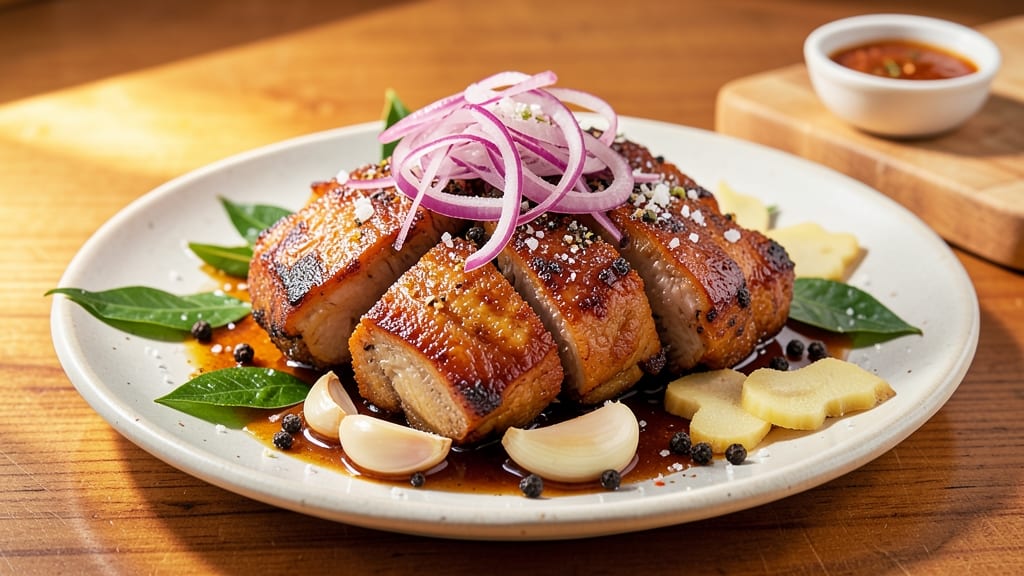
This Angamaly pork fry recipe brings the bold flavors of Kerala to your kitchen with its signature crispy pork bites and tangy tamarind glaze. 🔥 I first tasted this dish in a tiny roadside eatery in Kochi, where the combination of spiced pork and tamarind left me craving more.
The secret lies in the perfect balance of spices and the double-frying technique that ensures each bite is golden and crunchy.
Kerala cuisine thrives on aromatic spices, and this recipe delivers with black pepper, curry leaves, and a touch of coconut that elevate the pork. The tamarind twist adds a delightful tang that cuts through the richness, creating a dish that's both hearty and refreshing.
What makes this recipe special is the patience required—marinating the pork overnight allows the flavors to meld deeply, while the careful frying process transforms tough cuts into tender, crispy morsels.
By the time you're done, you'll have a platter of crispy pork bites that are irresistibly savory and slightly sweet, perfect for serving with steamed rice, appam, or a side of Kerala-style vegetable stew.
The aroma alone will have everyone gathering around the table, eager for a taste of this authentic South Indian classic.
This dish is more than just a recipe—it's a celebration of Kerala's culinary heritage, brought to life in your own kitchen. Let's get started on creating a meal that's sure to impress.
Ingredients for angamaly pork fry
Crispy pork bites, tangy tamarind glaze, and aromatic spices—the perfect mix of Kerala flavors.
| Ingredient | Amount | Notes |
|---|---|---|
| Pork Shoulder 🥩 | 1 ½ lb | Cut into 1-inch cubes |
| Tamarind Paste 🍯 | ½ cup | Or 4 tbsp tamarind pulp |
| Fresh Curry Leaves 🌿 | ¼ cup | Packed, stems removed |
| Ginger 🧄 | ½ cup | Freshly grated, peeled |
| Garlic Cloves 🧄 | 8 cloves | Peeled, minced |
| Black Peppercorns 🌶️ | 1 tbsp | Crushed, not ground |
| Shallots 🧅 | 4 whole | Peeled, thinly sliced |
| Coconut Oil 🥥 | ½ cup | For frying, not cooking oil |
| Green Chilies 🌶️ | 4 whole | Slit lengthwise, seeds removed |
| Sugar 🍚 | 2 tbsp | White or brown |
| Salt 🧂 | 1 ½ tsp | Kosher or sea salt |
| Lemon Juice 🍋 | 2 tbsp | Freshly squeezed |
| Coconut Milk 🥥 | ¼ cup | Light or full-fat |
| All-Purpose Flour 🌾 | ½ cup | For coating |
The pork shoulder is key here—it's got the right fat-to-meat ratio for that crispy exterior. Look for bone-in cuts at your local Indian grocery or butcher shop, like Meijer's or Patel Brothers, if you're in the US. If you can't find tamarind paste, substitute with lime juice + 1 tbsp sugar for tang. Curry leaves are non-negotiable for that authentic aroma—frozen works in a pinch, but fresh is best. I always grab extra because half goes into the marinade and half gets fried with the pork. The ginger and garlic? Freshly grated and minced make all the difference—pre-minced garlic lacks flavor.
No coconut oil? Vegetable oil or peanut oil works fine, but coconut gives that authentic taste. Running low on shallots? Red onion works too, but shallots add sweetness that balances the tang. The green chilies can be swapped for red chili powder (1 tsp)**> if you prefer milder heat. For the tamarind glaze, reduce it longer if you want it thicker—this is where the magic happens. The flour coating? Don't skip it—it's what gives those bites their signature crunch. Pro tip: Use a fine-mesh sieve for the flour to avoid lumps.
Marinate the pork overnight—trust me on this. The flavors deepen, and the meat becomes tender. Store leftovers in an airtight container for 3-4 days, but honestly? It reheats beautifully and tastes even better the next day. The glaze keeps for 1 week in the fridge—perfect for drizzling over rice or appam. Freeze the pork bites for up to 3 months if you're making a big batch. Just thaw overnight before reheating.
Why You'll Love This Recipe
- Tamarind Tang in Minutes: That tangy, sticky tamarind paste does all the work—just simmer it with pork, and the acidity melts into the meat while you chop garlic. No fancy marinating, just 15 minutes of hands-off cooking.
- Crispy Without the Hassle: The pork shoulder stays juicy inside but gets that addictive crust from the curry leaves and garlic—no deep-frying, no flipping constantly. One pan, one spatula, and you’re golden.
- Lunchbox Hero: Between us, this reheats like a dream. Pack it in buns for a quick office lunch or serve with rice for a family dinner. The tamarind keeps it from tasting dry, even the next day.
- Budget-Friendly Protein: Pork shoulder is cheap, and this recipe stretches it far. A single batch feeds four, and leftovers taste just as good cold—perfect for when you’re low on cash or time.
Step-by-step instructions for Angamaly pork fry
Here's how to make these addictive Kerala-style pork bites with perfect crispiness and tangy zing.
🍳 Step 1: Marinate the Pork with Tangy Spices
In a large bowl, combine the 1.5 lb pork shoulder cut into 1-inch cubes with the 0.5 cup tamarind paste, 0.5 cup freshly grated ginger, 8 minced garlic cloves, 1 tbsp crushed black peppercorns, 1.5 tsp salt, and 2 tbsp lemon juice. Mix everything thoroughly with your hands until the pork is evenly coated in the marinade.
Here's the thing—Kerala pork fry needs that tamarind tang to shine. Let the pork marinate for at least 30 minutes (I like to do 1 hour if I have time). This gives the flavors time to penetrate, and the acid in the tamarind starts breaking down the proteins slightly, ensuring juicy bites. Cover the bowl and refrigerate while you prep the rest.
👨🍳 Step 2: Make the Flour Coating and Spice Paste
In a shallow dish, mix the 0.5 cup all-purpose flour with 2 tbsp sugar—this isn't just for coating, but also helps create that signature caramelized crust. In another small bowl, combine 0.25 cup packed fresh curry leaves, 4 thinly sliced shallots, 4 slit green chilies, and 0.25 cup coconut milk. Crush the curry leaves lightly between your palms to release their aroma but keep them intact.
This spice paste is what makes Angamaly pork fry special. The coconut milk adds richness while balancing the heat from the chilies. Keep this mixture separate until you're ready to use it—it'll be used to baste the pork during frying.
🔥 Step 3: Fry Until Golden and Crispy
Heat 0.5 cup coconut oil in a heavy-bottomed pan over medium-high heat until it shimmers but doesn't smoke. Working in batches (don't overcrowd the pan!), remove the pork from the marinade and let excess drip off, then coat each piece thoroughly in the flour-sugar mixture. Shake off any excess flour.
Carefully add the coated pork to the hot oil and fry for 4-5 minutes per side until golden brown and crispy. The oil should sizzle steadily—if it stops, your pork will steam instead of fry. Use a slotted spoon to transfer the fried pork to paper towels to drain excess oil. Real talk: this is where the magic happens. You want that perfect balance of crispy exterior and tender interior.
🍳 Step 4: Baste with Spice Paste for Maximum Flavor
Reduce the heat to medium-low and pour the spice paste into the same pan. Let it sizzle for 1 minute** to toast the shallots and curry leaves slightly. Then, return the fried pork to the pan and spoon the spice mixture over each piece, letting it baste for 2-3 minutes until everything is evenly coated and the pork absorbs all those aromatic flavors.
Here's the moment that matters: the curry leaves should be fragrant and slightly crispy, and the pork should be glistening with the spice mixture. If the paste looks too dry, add 1-2 tablespoons of water to loosen it. The pork will continue cooking in its own juices as it absorbs the flavors.
🍽️ Step 5: Serve Hot with Crispy Perfection
Transfer the pork fry to a serving platter and let it rest for 2-3 minutes—just enough time for any residual oil to set and the flavors to meld. The pork should be deep golden brown all over with crispy edges that give way to tender meat. Serve immediately with hot appam or parotta for dipping, or enjoy as a standalone appetizer.
Each bite should deliver that perfect contrast: crispy exterior, juicy pork, and a tangy-sweet-spicy flavor explosion from the tamarind and curry leaves. If you made extra, store leftovers in the fridge for up to 2 days—they reheat beautifully in a skillet with a splash of water to restore crispiness.
Pro Tips For Making Angamaly Pork Fry
- CRUSH THE GARLIC: Pound those cloves with the flat side of your knife first—no chopping, no mincing, just smash them into a paste. I learned this the hard way when my first batch tasted like it was missing something. The released juices and oils bind better to the pork, and the flavor explodes when the tamarind hits.
- SLOW THE TAMARIND: Soak your tamarind paste in warm water for 10 minutes before using—it dissolves unevenly otherwise. I used to dump it dry straight into the pan, and half the time it clumped like glue. This ensures a smooth, tangy base that coats every piece of pork.
- DON’T OVERCROWDLE THE PAN: Fry the pork in batches, even if it means an extra 2 minutes. I’ve seen people shove everything in at once, and you end up with soggy edges and uneven browning. A hot, uncluttered pan gives you that crispy crust Angamaly pork fry is famous for.
- SAVE THE CURRY LEAF OIL: Remove the curry leaves after the pork is nearly done—just before serving. Fry them separately in a little oil, then pour the fragrant oil over the finished dish. It’s the lazy chef’s trick to add that restaurant-quality aroma without burning the leaves.
Make-ahead tips for this angamaly pork fry
Marinate Overnight
I can't stress this enough—the overnight marinade is where the magic happens. The tamarind paste and ginger work their way into the pork, tenderizing it while infusing deep, complex flavors.
Place the marinated pork in a ziplock bag or airtight container and refrigerate for at least 12 hours—I usually do 16-24 hours for maximum tenderness. This also makes prep day-of a breeze. 💫
Prep Ahead Spice Paste
Make the spice paste the day before and store it in a small glass jar in the fridge. The flavors meld beautifully overnight, and you'll save time on frying day. Just give it a quick stir before using.
The curry leaves release their aroma more fully when stored, making your pork fry even more fragrant. Trust me, this small step elevates everything.
Double-Fry Shortcut
For restaurant-quality results at home, try this pro trick: After the first fry, let the pork cool completely, then refrigerate for 1 hour. This firms up the exterior so it crisps perfectly in the second fry.
Work in small batches—4-5 pieces at a time—to maintain even cooking. The second fry should take just 2-3 minutes per side for that irresistible crunch.
Glaze Make-Ahead
Reduce the tamarind glaze to a syrupy consistency (it should coat the back of a spoon) and store it in a small jar in the fridge for up to 5 days. When ready to serve, simply reheat in a small saucepan over low heat until warm.
Drizzle over the pork fry just before serving—this keeps it glossy and prevents sogginess. I keep a jar of this glaze on hand all the time for quick flavor boosts.
Freezer-Friendly Bites
This dish freezes beautifully for up to 3 months if you're planning ahead. After the first fry, cool the pork completely, then freeze on a parchment-lined tray before transferring to a ziplock bag.
When ready to eat, reheat in a skillet with 1 tablespoon coconut oil over medium heat for 3-4 minutes per side until crispy again. The flour coating helps maintain texture through freezing.
Reheat Like a Pro
Never microwave these bites—they'll lose their crispiness. Instead, reheat in a cast iron skillet over medium heat for 2-3 minutes per side. Add 1 tablespoon coconut oil to the pan and cover with a lid for 30 seconds to steam any dried edges back to perfection.
For extra flavor, spoon a little of the reserved spice paste over the pork while reheating. This restores that restaurant-quality crunch and aroma. 🔥
Nutrition facts
Frequently asked questions
Why does this recipe use coconut oil instead of regular oil?
Coconut oil gives the pork fry its authentic Kerala flavor profile—it adds a subtle sweetness and richness that complements the tamarind and spices. The medium-chain fatty acids also help create that signature crispy crust. If you're out of coconut oil, vegetable or peanut oil work, but the flavor won't be quite the same.
Can I use chicken or beef instead of pork?
While pork is traditional, you can substitute with chicken thighs (bone-in for best texture) or beef cuts like chuck. For chicken, reduce marinating time to 4-6 hours—it doesn't need as long. For beef, increase to 24 hours and use a meat mallet to tenderize the pieces before marinating.
What's the secret to getting extra crispy pork bites?
Double-frying is key! After the first fry, chill the pork for 1 hour to firm up the exterior, then fry again for 2-3 minutes per side. Also, work in small batches—overcrowding the pan steams instead of fries, making the coating soggy.
How do I make this dish vegetarian?
Swap the pork for firm tofu or potatoes cut into similar shapes. Use the same marinade (without meat) and follow the same frying process. For extra protein, add chickpeas or paneer. The tamarind glaze works perfectly on both versions!
Can I make this in an air fryer instead of deep frying?
Yes! Preheat the air fryer to 375°F and spray the pork lightly with oil after coating. Air fry in batches for 8-10 minutes, shaking halfway, until golden and crispy. The results won't be quite as crispy as deep frying, but it's a much healthier alternative with similar flavor.