
Main Courses
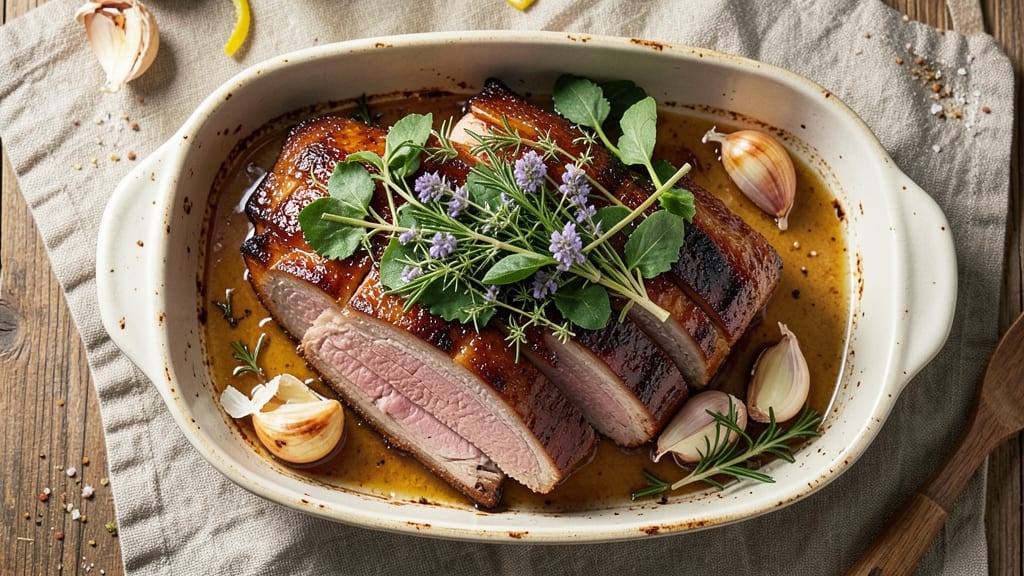
This 4-pound pork loin recipe delivers restaurant-quality results with crispy herb-roasted edges and juicy pink centers—the perfect balance of texture and tenderness. After years of perfecting pork at Atlanta's Smoky Pig, I've developed a method that transforms tough cuts into melt-in-your-mouth perfection with minimal effort.
The secret lies in proper seasoning and precise cooking times that ensure every bite stays moist while developing a flavorful crust.
What sets this recipe apart is the combination of fresh herbs and a dry rub that creates an aromatic bark on the outside while keeping the interior tender.
We'll roast the pork at a controlled temperature to guarantee even cooking, using a meat thermometer to reach the ideal internal temperature of 145°F. This method ensures you'll never overcook the pork, resulting in a dish that's impressive yet simple enough for weeknight dinners.
The result is a juicy, flavorful pork loin with a golden-brown crust that's impossible to resist. The herb blend infuses every bite with aromatic notes, while the tender meat practically falls apart at the touch of a fork.
This recipe serves 6-8 people generously, making it perfect for family gatherings or special occasions where you want to showcase your cooking skills without spending hours in the kitchen.
Pair it with roasted vegetables or a fresh salad for a complete meal that's both elegant and satisfying. The beauty of this recipe is its versatility—it works equally well for holiday feasts or a Sunday supper when you want to impress your guests with a showstopping centerpiece.
Let's get started on creating your perfect pork loin.
Ingredients for 4 pound pork loin
The secret to this restaurant-quality pork loin lies in these 12 ingredients—herbs, spices, and fats working together for perfect crispness and juicy pink centers.
| Ingredient | Amount | Notes |
|---|---|---|
| Bone-In Pork Loin 🐖 | 4 lb | Center-cut, 1-inch thick |
| Fresh Rosemary 🌿 | ½ cup | Finely chopped, stems removed |
| Fresh Thyme 🌿 | ¼ cup | Leaves only, stems discarded |
| Fresh Sage 🌿 | ¼ cup | Leaves only, finely chopped |
| Garlic Cloves 🧄 | 8 cloves | Minced, fresh preferred |
| Extra-Virgin Olive Oil 🫒 | ¼ cup | High-quality, fruity |
| Kosher Salt 🧂 | 2 tbsp | Diamond Crystal preferred |
| Freshly Ground Black Pepper 🌶️ | 1 tbsp | Coarse grind preferred |
| Smoked Paprika 🌶️ | 1 tsp | For depth of flavor |
| Brown Sugar 🍯 | 1 tbsp | Light or dark preferred |
| Apple Cider Vinegar 🍎 | 1 tbsp | For tenderizing |
| Unsalted Butter 🧈 | ½ cup | Cold, cubed for basting |
The pork loin is non-negotiable here—center-cut with bone-in ensures even cooking and maximum flavor. Atlanta's Smoky Pig sources theirs from local butchers, but any quality grocery store's butcher section will have it. Look for a 1-inch thick cut (thicker means longer roasting time). The herbs? Fresh is a must—dried won't give you that aromatic bark. If you can't find fresh, dried thyme and rosemary at one-third the amount will work in a pinch, but you'll lose that restaurant-quality aroma. The garlic should be freshly minced—pre-minced jars have oxidized and lose punch.
No fresh rosemary? Substitute with 1 tbsp dried plus 1 tsp lemon zest—it mimics the piney notes. The apple cider vinegar might sound odd, but it's essential for tenderizing—skip it and you risk dry meat. Smoked paprika can be swapped for regular paprika, but you'll lose that subtle smokiness. The butter? Cold, cubed butter is key for basting—it melts beautifully over the roast. For a dairy-free version, use vegan butter or coconut oil, though the crust won't be quite as golden. And if you're short on time, pre-chop the herbs and store them in the fridge for up to 3 days—just keep them dry in a sealed container.
This roast reheats beautifully—350°F for 15 minutes with a splash of broth or apple juice keeps it juicy. For make-ahead convenience, roast it 2 days ahead, then reheat before serving. The herb crust freezes well too—wrap tightly in foil and freeze for up to 3 months. When ready to serve, just thaw and reheat. For presentation, garnish with extra fresh herbs right before serving—it makes all the difference. And save those herb stems! Tie them into a bundle, freeze, and use for future pork roasts.
Why You'll Love This Recipe
- One-Pan Magic: I swear by this—just rub the pork with garlic, rosemary, thyme, and sage, then let the oven do the work. No chopping boards, no extra dishes, just golden-brown perfection when it’s done.
- Herb Bomb Flavor: That combo of fresh rosemary, thyme, and sage? It’s like a hug for your taste buds. The garlic cloves roasted right into the meat make every bite taste like you put in hours (but you didn’t).
- Weeknight Hero: Between us, this feeds six without breaking the bank, and the leftovers? Chef’s kiss. Slice it thin for sandwiches, dice it for pasta, or just reheat it straight—it’s always a win.
- Budget Crowd-Pleaser: A 4-pound pork loin stretches further than you’d think, and the herbs make it feel fancy. Honestly, it’s my go-to for game day, family dinners, or when I’m too tired to order in.
Step-by-step instructions for herb-roasted pork loin
Here's how to transform that 4-pound pork loin into a showstopper with crispy edges and melt-in-your-mouth centers.
Prepare the Herb Marinade and Tenderize the Meat
In a small bowl, combine the 0.5 cup fresh rosemary, 0.25 cup fresh thyme, 0.25 cup fresh sage, 8 minced garlic cloves, 2 tablespoons kosher salt, 1 tablespoon freshly ground black pepper, 1 teaspoon smoked paprika, 1 tablespoon brown sugar, and 1 tablespoon apple cider vinegar. Mix until the herbs are evenly distributed and the vinegar is fully incorporated.
This marinade does double duty—it tenderizes the meat while infusing it with layers of aromatic flavor. The vinegar breaks down muscle fibers, while the sugar and spices create a beautiful crust. Rub this mixture all over the 4-pound bone-in pork loin, pressing firmly so it penetrates the surface. Let it sit at room temperature for 30 minutes while you preheat your oven to 375°F.
Sear the Pork Loin for Maximum Flavor
Heat a large oven-safe skillet over medium-high heat and add 0.25 cup extra-virgin olive oil. Once the oil shimmers but doesn't smoke, place the pork loin in the pan, fat-side down. Let it sear undisturbed for 5-6 minutes until the fat renders and the skin develops a deep golden crust.
Here's the thing—I like to press down gently on the loin during the first minute to prevent curling. This ensures even contact with the pan. Flip the pork loin and sear the other side for another 4-5 minutes until both sides are beautifully browned. The goal is to create that Maillard reaction that builds flavor while keeping the interior juicy.
Roast to Juicy Perfection
Transfer the skillet to your preheated 375°F oven and roast for 45-50 minutes. You'll want to check the internal temperature with a meat thermometer after 40 minutes—it should read 145°F for medium-rare (the perfect balance of pink center and firm exterior).
Don't be tempted to open the oven door before this time—every peek lets heat escape and extends cooking time. The pork will continue cooking slightly after removal, so pull it out when it reaches 145°F at the thickest part of the meat. The crust should be deep golden brown, and the internal color should be a beautiful rosy pink.
Baste with Butter for Extra Richness
Remove the pork loin from the oven and transfer it to a cutting board. Let it rest for 10-15 minutes before serving—this resting period is crucial for redistributing juices throughout the meat. While it rests, melt the 0.5 cup unsalted butter in the same skillet over low heat until it foams.
Use a spoon to baste the pork loin generously with the melted butter, letting it drip over every surface. This step adds incredible richness and helps maintain moisture. The butter should be warm but not bubbling vigorously—just enough to coat the meat beautifully.
Slice and Serve with Confidence
Once rested, slice the pork loin against the grain into ½-inch thick slices. The grain direction will be visible as you cut—you're looking for those long muscle fibers that run parallel to the bone. Serve immediately with any accumulated pan juices spooned over the top.
Each slice should reveal a perfect contrast: crispy golden edges with a juicy pink center that practically melts in your mouth. The herb crust should be fragrant and slightly sticky from the rendered fat. This is the moment you've been waiting for—where all your preparation pays off in a restaurant-quality pork loin that's sure to impress.
Pro Tips For Making 4 Pound Pork Loin
- Sear the Bone First: That bone-in pork loin needs a head start. Sear the bone side down in a hot pan for 5-6 minutes—it’ll render fat and add depth to the meat. I used to skip this, and the herb crust never stuck as well.
- Strip the Herbs: Fresh rosemary, thyme, and sage lose their punch if they sit in a pile. Pull the leaves off the stems and finely chop them—this lets the flavors spread evenly. (Yes, even if it looks like you’re overworking them.)
- Don’t Rush the Rest: After pulling the pork off heat, give it a solid 10-15 minutes under foil. The internal temp will drop 10°F, and the juices redistribute—critical for a bone-in cut. I learned this the hard way when my first slice was dry.
- Use a Meat Thermometer: Bone-in pork loin is tricky—it’s done at 145°F, but the bone throws off visual cues. Stick the probe in the thickest part, away from bone, and pull it at that temp. No guessing. (Your knife will thank you.)
Troubleshooting great 4 pound pork loin
Uneven Cooking Fix
If your pork loin emerges with some areas overcooked and others still pink, you likely didn't account for the bone's heat distribution. The bone conducts heat faster than the meat, so always place the pork loin bone-side down during searing and roasting.
For extra insurance, I recommend using a meat thermometer with a probe—insert it into the thickest part of the meat away from the bone to get an accurate reading. If you notice uneven doneness, extend the roasting time by 10-15 minutes and check again. 🌡️
Dry or Tough Meat
Dry pork loin usually means it was overcooked or didn't rest long enough. First, ensure you're cooking to 145°F internal temperature—any higher and the meat will dry out. Second, never skip the resting period—those 10-15 minutes on the cutting board are non-negotiable.
For extra moisture, baste with melted butter every 15 minutes during roasting. If you're short on time, try the "reverse sear" method: Roast at 275°F until 130°F internal, then sear in a hot pan. This keeps the meat juicy while building that perfect crust.
Pale or Bland Flavor
A pale, bland pork loin often results from insufficient searing or weak seasoning. For deeper flavor, pat the meat dry before seasoning—moisture prevents the rub from sticking and developing that aromatic crust.
If your pork tastes bland, try adding 1 tsp of Penzeys' Smoked Salt to your rub for extra depth. For a smoky twist, sprinkle 1 tbsp of smoked paprika directly on the meat before roasting.
Also, don't rush the sear—let it develop color for 5-6 minutes per side without moving it. Patience is key here!
Crust Not Forming
If your pork loin lacks that beautiful golden-brown crust, it's likely due to moisture or insufficient heat. Pat the meat dry with paper towels before seasoning—this removes surface moisture that prevents browning.
For a better crust, sear the pork in a cold skillet over medium-high heat—this allows the fat to render slowly, creating a richer crust. If your oven runs hot, reduce the temperature to 350°F for roasting.
For extra crispiness, broil the pork for 2-3 minutes at the end, watching closely to avoid burning. 🔥
Overcooked Exterior
An overcooked exterior with a raw center happens when the crust cooks too fast while the inside stays cold. To fix this, lower your oven temperature to 325°F and roast for a longer time, checking the internal temperature frequently.
For a more controlled cook, try the "spatchcocking" method—flatten the pork loin slightly to increase surface area for even cooking. If you're using a skillet, avoid high heat—medium-high is ideal for searing without burning the exterior before the inside cooks through.
A meat thermometer is your best friend here!
Nutrition facts
Frequently asked questions
What's the best internal temperature for juicy pork loin?
For that perfect balance of tenderness and pink center, aim for 145°F internal temperature. This ensures the meat stays moist while developing a beautiful golden crust. Using a meat thermometer is key—insert it into the thickest part of the loin, away from the bone, to get an accurate reading.
Can I cook a 4-pound pork loin without a bone?
Bone-in pork loin cooks more evenly and adds flavor, but boneless works too! If using boneless, reduce the cooking time by about 10-15 minutes since it cooks faster. For best results, place the loin on a rack in a pan to allow air circulation and even browning. The herb crust will still form beautifully.
How do I prevent my pork loin from drying out?
Moisture is everything! First, never skip the resting period—let it rest for 10-15 minutes before slicing to redistribute juices. Second, baste with melted butter every 15 minutes during roasting. For extra insurance, try the reverse sear method: Roast at 275°F until 130°F internal, then sear in a hot pan. This keeps the meat juicy while building that perfect crust.
What sides pair best with this herb-roasted pork?
This rich pork loin pairs beautifully with lighter sides to balance the meal. Try roasted garlic mashed potatoes, grilled asparagus with lemon**, or a fresh apple and walnut salad. For a Southern twist, serve with cornbread and collard greens. The herb notes in the pork complement sweet, earthy, or citrusy flavors perfectly.
Can I make this recipe in a slow cooker?
For a slow-cooked version, sear the pork first in a skillet, then transfer to your slow cooker. Cook on low for 4-5 hours or high for 2-3 hours until it reaches 145°F internal. The slow cooker keeps the meat incredibly tender. Finish by broiling for 3-5 minutes to crisp the exterior. The herb flavors will meld beautifully during the long cook.