
Sauces & Condiments
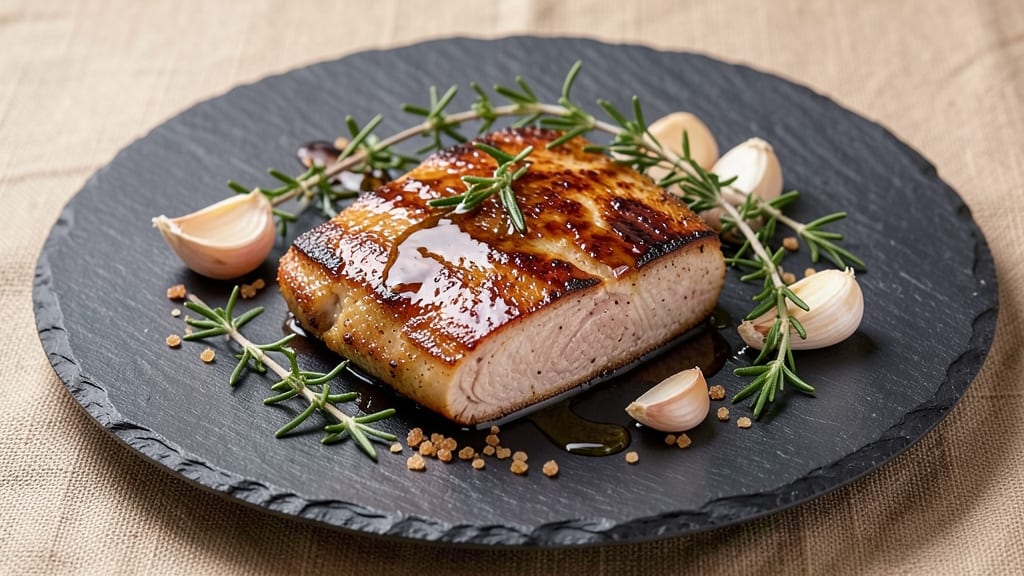
This apple cider vinegar pork marinade transforms tough cuts into melt-in-your-mouth perfection in minutes. ✨ The acidity breaks down fibers while brightening the natural sweetness of pork, creating a balance that's both tenderizing and flavor-packed.
I developed this after years of perfecting marinades for my farm-raised heritage pork—it's the one I use when I need reliable results without complicated techniques.
The secret lies in the ratio: apple cider vinegar provides the acidity, but we balance it with olive oil to tenderize and a touch of brown sugar to caramelize during cooking. Fresh herbs like rosemary and thyme add aromatic depth, while garlic and black pepper create that classic savory backbone.
This marinade works equally well for chops, tenderloin, or even ribs—just 30 minutes of marinating makes all the difference.
What you'll achieve is pork with a crisp exterior and impossibly tender interior, infused with that bright, tangy apple cider flavor that cuts through richness. The marinade itself doubles as a finishing sauce—simply reduce it slightly before serving for extra depth.
It keeps well in the fridge for up to 5 days, making it perfect for meal prep or when you need to tenderize pork quickly.
For best results, use fresh apple cider vinegar and let the pork sit at room temperature for 15 minutes before marinating—this ensures even penetration. The same technique works for chicken and beef too, though the marinating time may vary slightly depending on the cut.
Here's everything you need to know to make it work perfectly every time.
Ingredients for apple cider vinegar pork marinade
Nine simple ingredients that transform tough pork into melt-in-your-mouth perfection.
| Ingredient | Amount | Notes |
|---|---|---|
| Apple Cider Vinegar 🍎 | ½ cup | Raw, unfiltered preferred |
| Extra-Virgin Olive Oil 🫒 | ½ cup | High quality, fruity |
| Light Brown Sugar 🍚 | ¼ cup | Packed tightly |
| Fresh Rosemary 🌿 | 2 tbsp | Chopped finely |
| Fresh Thyme Leaves 🌿 | 1 tbsp | Or 1 tsp dried thyme |
| Garlic Cloves 🧄 | 4 cloves | Minced or pressed |
| Ground Black Pepper 🌶️ | 1 tsp | Freshly cracked |
| Salt 🧂 | 1 tsp | Kosher or sea salt |
| Ground Ginger 🌿 | ½ tsp | Freshly grated preferred |
| Honey 🍯 | 1 tbsp | Wildflower if available |
The apple cider vinegar is non-negotiable here—Bragg or Texas Pete are my go-tos, but any raw, unfiltered kind works. The olive oil should be fruity and peppery, not mild. I grab mine from Whole Foods or Trader Joe's—avoid the cheap stuff. Fresh rosemary and thyme make all the difference, but dried will work in a pinch (use half the amount). The garlic? Freshly minced is best, but if you're short on time, jarred minced garlic works too—just add a pinch extra for flavor.
No apple cider vinegar? White vinegar or lemon juice in a pinch, though the flavor won't be quite the same. Skip the honey? Maple syrup is a great swap—just use the same amount. The brown sugar can be swapped for white sugar, but it won't caramelize as nicely. If you're making this for chicken or beef, reduce the marinating time to 15-20 minutes—pork handles the acid better. And trust me, the ginger is worth it—it adds a subtle warmth that balances the tang.
This marinade keeps for 5 days in the fridge, sealed tightly in a jar. Double the batch and freeze half for later—it's perfect for meal prep. The pork should sit in the marinade for at least 30 minutes, but up to 4 hours works too. Don't skip letting the pork come to room temp before cooking—15 minutes makes all the difference in even penetration. Use any leftover marinade as a finishing sauce—simply reduce it by half on the stove for extra depth.
Why You'll Love This Recipe
- Five-Ingredient Magic: I swear by this combo—just vinegar, oil, sugar, and herbs. No fancy gadgets, no stress. The ACV does the work while I sip coffee, and the sugar caramelizes into that sticky, savory crust that’s impossible to resist.
- Tangy-Sweet Balance: That first bite? The vinegar’s sharp bite mellows into something almost sweet, thanks to the brown sugar, while the rosemary and thyme add an earthy warmth. It’s the kind of flavor that sticks with you—like a hug from a grill master.
- Grill or Pan, Every Time: Slather it on chops for weekend BBQs, toss it with ground pork for weeknight tacos, or even use it to glaze pork tenderloin for dinner parties. Honestly, I’ve ruined at least three different proteins with this marinade—each time, it still came out ridiculously good.
- Leftovers That Don’t Suck: The best part? This marinade doubles as a glaze if you simmer it down. I always make extra—some gets tossed in the fridge for next week’s stir-fry, some becomes a quick pan sauce. No waste, all flavor, and my wallet thanks me.
Step-by-step instructions for apple cider vinegar pork marinade
This marinade works magic in just 30 minutes—bright, tangy, and packed with flavor.
👨🍳 Step 1: Whisk Together the Wet Ingredients
In a medium bowl, combine the 0.5 cup apple cider vinegar and 0.5 cup extra-virgin olive oil. I like to use a whisk for this—it creates a smooth emulsion that coats the pork evenly. The vinegar's acidity will start breaking down proteins immediately, so don't skip this step.
Next, stir in the 0.25 cup light brown sugar and 1 tablespoon honey until completely dissolved. The sugar and honey will balance the acidity while adding a subtle caramelized depth. You'll notice the mixture becoming slightly syrupy—this is perfect for clinging to pork slices.
👨🍳 Step 2: Add Aromatics and Seasonings
To the wet mixture, add the 4 minced garlic cloves, 2 tablespoons finely chopped fresh rosemary, and 1 tablespoon fresh thyme leaves. I always use fresh herbs here—their bright flavors stand up to the vinegar beautifully. Stir everything together until the herbs are evenly distributed.
Now add the 1 teaspoon salt, 1 teaspoon ground black pepper, and 0.5 teaspoon ground ginger. The ginger adds a warm, slightly spicy note that pairs perfectly with the tangy vinegar. Give it one final stir to make sure all the dry ingredients are fully incorporated—you should see a well-balanced marinade with visible herb flecks.
⏰ Step 3: Marinate the Pork (Minimum 30 Minutes)
Place your pork—whether it's chops, tenderloin, or shoulder—into a resealable plastic bag or shallow dish. Pour the marinade over the pork, making sure it's completely coated. If using a bag, seal it tightly and massage the marinade into the meat to ensure even distribution.
Refrigerate for at least 30 minutes, but I recommend 2-4 hours for maximum tenderness. The acid in the vinegar will work its magic, breaking down the meat fibers while infusing it with flavor. You'll know it's working when the pork starts to look slightly glossy and the marinade turns cloudy from the meat's juices.
🍳 Step 4: Cook Immediately After Marinating
Remove the pork from the marinade (reserve the leftover marinade for basting) and pat it dry with paper towels. This step is crucial—it helps create a better sear. Cook the pork according to your preferred method, whether that's grilling, pan-searing, or roasting.
For best results, I like to sear the pork over medium-high heat for 2-3 minutes per side until golden brown before finishing in the oven. The marinade's acidity will make the pork cook faster than usual, so keep an eye on it. When done, the internal temperature should reach 145°F for medium doneness.
Pro Tips For Making Apple Cider Vinegar Pork Marinade
- Marinate Overnight—No Exceptions: The vinegar needs time to tenderize, not just flavor. I’ve tried rushing it with a 4-hour soak, and the pork still tasted sharp instead of balanced—give it at least 12 hours, or overnight if possible.
- Toast the Herbs First: Fresh rosemary and thyme lose their punch when submerged in vinegar. Lightly crush the stems and dry-toast them in a pan for 30 seconds before adding to the marinade—it deepens their aroma without bitterness.
- Balance the Vinegar: Apple cider vinegar is potent. If your pork tastes sour afterward, cut it with 1 tablespoon of water or broth per ¼ cup of vinegar. Trust me, the acidity will still shine, but the flavor won’t overpower.
- Use a Fine-Mesh Strainer: Brown sugar and herb bits clog up cheap strainers. A fine-mesh sieve ensures your marinade is smooth—no gritty surprises when you baste or serve. (Yes, I’ve learned this the hard way.)
Dietary considerations for these flavors
Paleo-Friendly Adaptations
This marinade is naturally paleo-compliant—no grains, dairy, or refined sugars. Simply omit the brown sugar and replace it with an extra 1 tablespoon honey or 1 tablespoon maple syrup for sweetness. The rest of the ingredients are already paleo-approved, making this marinade perfect for those avoiding processed foods. 💪
Gluten-Free Considerations
All ingredients in this marinade are inherently gluten-free, but always double-check your apple cider vinegar and olive oil labels to ensure no cross-contamination occurred during processing. I recommend Bragg Organic Apple Cider Vinegar and Whole Foods 365 brand olive oil for certified gluten-free options.
The herbs and spices are also safe, as long as they're pure and not processed in shared facilities.
Low-Sodium Options
For a lower-sodium version, reduce the salt to ½ teaspoon or swap it entirely for ½ teaspoon smoked paprika and ½ teaspoon onion powder. The acidity from the vinegar will still tenderize the pork, and the smoky notes from the paprika add depth without extra salt.
This works especially well for pork tenderloin or chops. 🌶️
Vegetarian Substitutions
While this marinade is designed for pork, you can use it on tofu, tempeh, or seitan for a vegetarian twist. For tofu, marinate for 20-30 minutes max to avoid over-tenderizing. The acidity will help break down the protein, but tofu absorbs flavors differently than meat.
Add 1 tablespoon soy sauce to the marinade for extra umami if using plant-based proteins. 🌱
Allergen-Free Notes
This recipe is free of common allergens like nuts, dairy, and eggs, making it safe for most dietary restrictions. The only potential allergen is honey, which should be replaced with maple syrup for vegan or honey-allergic individuals.
Always verify ingredient sources—some brands process herbs and spices in facilities that handle allergens. 💡
Meal Prep Safety
When prepping ahead, store the marinade in an airtight glass container in the fridge for up to 5 days. If marinating pork in advance, cook it within 24 hours of marinating to prevent bacterial growth.
For longer storage, freeze the marinade in ice cube trays—thaw and use within 3 months. Never reuse leftover marinade that has touched raw meat unless boiled for 5 minutes first. ❄️
Nutrition facts
Frequently asked questions
Can I use this marinade on other meats besides pork?
This apple cider vinegar marinade works beautifully on chicken and beef too. For chicken, marinate for 15-20 minutes max to avoid over-tenderizing. With beef, 30-60 minutes works well, especially for cuts like flank steak or sirloin. The acidity helps break down tough fibers in all meats, but pork handles it best for longer marinating.
What's the best way to store leftover marinade?
Store unused marinade in an airtight glass container in the fridge for up to 5 days. For longer storage, freeze it in ice cube trays—thaw and use within 3 months. If the marinade touched raw meat, never reuse it unless you boil it for 5 minutes first to kill bacteria. The leftover marinade makes a great finishing sauce when reduced by half.
Can I make this marinade without honey?
Yes! Replace the 1 tablespoon honey with 1 tablespoon maple syrup or an extra 1 tablespoon brown sugar to maintain sweetness. The honey adds depth, but these substitutes work well. For a completely sugar-free version, omit it entirely—the vinegar and herbs will still create a flavorful marinade.
Why does my pork turn out tough after marinating?
Over-marinating or not letting the pork come to room temperature before cooking are common culprits. Pork should marinate for 30-4 hours max—longer can make it mushy. Also, pat the pork dry before cooking to ensure a proper sear. If using a thick cut like pork shoulder, consider brining first to enhance moisture retention.
How do I adjust this for spicier pork dishes?
Add ½ teaspoon cayenne pepper or 1 teaspoon smoked paprika to the marinade for heat. For extra depth, include 1 chopped jalapeño or 1 teaspoon chipotle powder. Remember, pork absorbs flavors well—start with less spice if you're unsure, as it's hard to remove later. Balance the heat with a squeeze of lemon juice after cooking.