
Main Courses
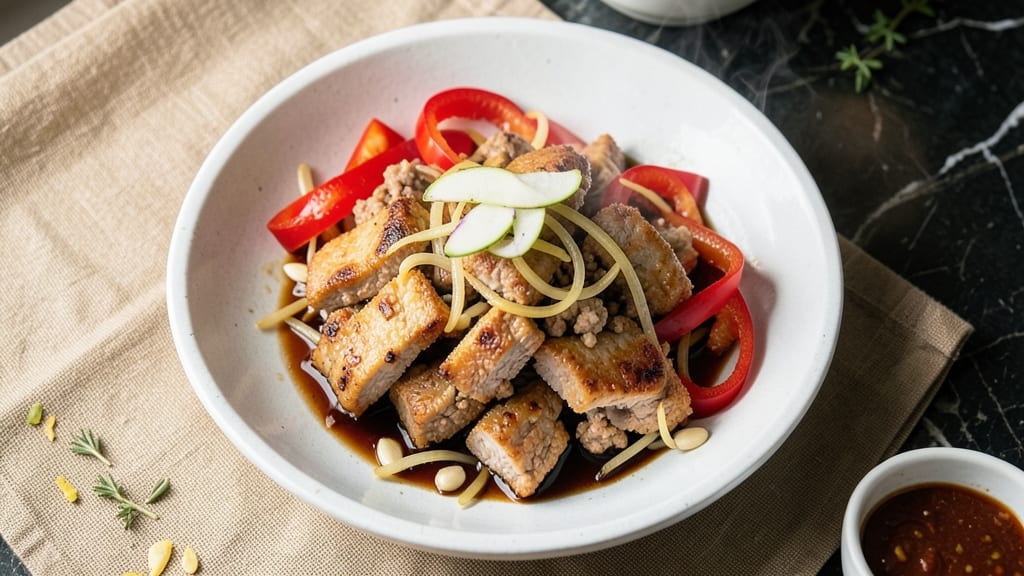
This 1 lb ground pork recipe transforms simple ingredients into a restaurant-quality stir-fry that delivers crispy edges and deep umami flavor in under 30 minutes. After years of perfecting pork stir-fries for my restaurant, I've simplified the technique without sacrificing that signature charred texture and savory sauce.
The secret lies in high-heat searing and a balanced sauce that cuts through the richness while enhancing the pork's natural sweetness.
What makes this recipe work is the combination of fresh ginger, garlic, and soy sauce that builds layers of flavor while keeping the process straightforward. I use a wok or cast-iron skillet to ensure even cooking—no special equipment required.
The pork develops a beautiful mahogany crust while staying juicy inside, and the sauce coats each piece perfectly. This is the kind of dish that feels indulgent but comes together faster than takeout.
By the time you're done, you'll have a plate of golden-brown pork stir-fry with vibrant vegetables and a glossy sauce that ties everything together. The aroma alone will have everyone gathering around the table, and each bite delivers that perfect balance of crispy, tender, and savory.
Serve with steamed jasmine rice or noodles to soak up every last drop of that umami-packed sauce.
This recipe scales perfectly for leftovers too—double the sauce and store in the fridge for up to three days. The flavors actually improve overnight as the ingredients meld. Whether you're feeding a family or meal prepping for the week, this stir-fry delivers professional-quality results with minimal effort. Let's get cooking!
Ingredients for 1 lb ground pork
High-quality pork and aromatic vegetables form the foundation of this restaurant-style stir-fry.
| Ingredient | Amount | Notes |
|---|---|---|
| Ground Pork 🥩 | 1 lb | 80% lean for optimal crispiness |
| Red Bell Pepper 🧅 | 1 whole | Thinly sliced into strips |
| Yellow Onion 🧅 | 1 whole | Thinly sliced into half-moons |
| Garlic Cloves 🧄 | 6 cloves | Minced for aromatic base |
| Fresh Ginger 🌿 | 1 tbsp | Finely grated, peeled |
| Soy Sauce 🍶 | 3 tbsp | Use light or all-purpose |
| Oyster Sauce 🍶 | 2 tbsp | For authentic umami depth |
| Honey 🍯 | 1 tbsp | Balances saltiness |
| Sesame Oil 🫒 | 1 tsp | Toasted for aroma |
| Vegetable Oil 🫒 | 2 tbsp | High smoke point preferred |
| Cornstarch 🌾 | 1 tbsp | For crispy texture |
| Green Onion 🧅 | 2 whole | Sliced for garnish |
| White Pepper 🌶️ | ¼ tsp | Freshly ground |
| Salt 🧂 | ½ tsp | Diamond Crystal preferred |
The ground pork selection is critical—80% lean ensures maximum crispiness without excessive fat. Costco or Whole Foods carry premium ground pork with balanced fat content, but any reputable butcher will have quality options. Look for bright pink color and fine texture, avoiding any with grayish streaks. Fresh ginger and garlic should be firm and aromatic—Trader Joe's often carries pre-peeled ginger, saving prep time. The bell pepper and onion should be crisp with no soft spots, indicating freshness. For the sauces, Lee Kum Kee oyster sauce and Kikkoman soy sauce are restaurant-quality staples that elevate this dish.
No oyster sauce? Hoisin sauce or extra soy sauce works in a pinch, though the umami depth will differ slightly. Substitute honey with maple syrup for a similar balance, though flavor will shift subtly. If sesame oil isn't available, toasted peanut oil provides a comparable aromatic profile. For the pork, ground chicken or turkey can replace pork (adjust cooking time slightly), but texture will differ. The cornstarch is essential for that signature crispy texture—arrowroot powder works equally well. For a spicier kick, add ½ tsp chili flakes or 1 tsp sriracha to the sauce. All vegetables can be swapped—baby bok choy or snap peas add vibrant contrast.
Store leftover pork stir-fry in an airtight container for up to 3 days in the fridge, though flavors peak after 1-2 days as ingredients meld. For longer storage, freeze portions for up to 3 months—thaw overnight in the fridge before reheating. The sauce can be made 2 days ahead and stored separately, keeping it fresh. Reheat gently on the stove with a splash of water to restore moisture. This dish reheats beautifully, with the pork maintaining its crispy edges when warmed through—cast iron or a wok is ideal for even heating. Double the sauce recipe if meal prepping for the week.
Why You'll Love This Recipe
- One-Pan Magic: I swear by this—no pots, no pans, just a single skillet where the onions caramelize while the pork browns. The bell pepper adds a sweet crunch that cuts through the richness, and honestly? That’s my kind of cleanup.
- Flavor Bomb: The ginger and garlic hit different—like a warm hug for your taste buds. The pork stays juicy, the peppers add a bright snap, and between us, it’s the kind of dish that makes you go back for seconds without even thinking.
- Weeknight Workhorse: Toss it in a wrap for lunch, pile it over rice for dinner, or stuff it into a baked potato when you’re too tired to care. I’ve made this for date nights, lazy Sundays, and even my mom’s "you’re not eating out tonight" visits—it never disappoints.
- Budget-Friendly Powerhouse: A pound of pork stretches for days—freeze half for later, or stretch it into soup when you’re broke. The veggies are cheap, the prep is fast, and honestly? It’s the kind of meal that makes grocery day feel like a win.
Step-by-step instructions for crispy ground pork stir-fry
Master this technique and you'll achieve restaurant-quality texture with a perfectly balanced umami sauce.
Prepare the Pork for Maximum Crispiness
In a medium bowl, combine the 1 lb ground pork, 1 tbsp cornstarch, 0.5 tsp salt, and 0.25 tsp white pepper. Using your hands, gently mix until the cornstarch evenly coats each piece of pork—this creates a crispy exterior while keeping the interior tender. Let the mixture sit for 5 minutes while you prep the vegetables.
Here's the thing—cornstarch is your secret weapon for that perfect texture. The longer it sits, the better it adheres to the pork. Don't skip this resting time or you'll end up with uneven crispiness. I like to press the pork into a loose disc shape before cooking to ensure even contact with the hot oil.
Develop the Aromatic Base
Heat 2 tbsp vegetable oil in a large skillet or wok over medium-high heat until shimmering. Add the 1 whole yellow onion and 1 whole red bell pepper, spreading them out in a single layer. Cook for 3-4 minutes until the onions soften and the peppers begin to blister slightly—this builds flavor without burning.
Add the 6 cloves minced garlic and 1 tbsp finely grated ginger, stirring constantly for 30 seconds until fragrant. The garlic should sizzle audibly and turn golden—this is your signal that the base is ready. Don't walk away; garlic burns faster than you think. The combination of these aromatics forms the flavor foundation for your stir-fry.
Cook the Pork to Crispy Perfection
Working in batches if needed, add the pork mixture to the skillet. Press down gently with a spatula during the first 1-2 minutes to help the pork flatten and crisp evenly. Cook undisturbed until the bottom develops a deep golden-brown crust—this should take about 3-4 minutes total. Only then should you begin stirring occasionally to prevent sticking.
This is the moment that matters: the pork should release easily from the pan when you lift the spatula. If it sticks, don't panic—just add a splash of water and scrape up those delicious browned bits. The combination of high heat and cornstarch creates that coveted crispy texture we're after. Remove the pork to a plate and set aside temporarily.
Build the Umami-Packed Sauce
Reduce heat to medium and return the cooked vegetables to the skillet. Add 3 tbsp soy sauce, 2 tbsp oyster sauce, and 1 tbsp honey, stirring to combine. Let the sauce simmer for 1-2 minutes until it thickens slightly and coats the back of a spoon. The sauce should smell rich and complex—this is where the umami magic happens.
Here's where it gets fun—toss in the 1 tsp sesame oil and stir vigorously. The aroma will fill your kitchen instantly. If the sauce looks too thick, add 1-2 tablespoons of water to reach your desired consistency. The pork should be ready to return to the pan now—it's time to combine everything for the final flavor infusion.
Finish and Garnish
Return the pork to the skillet and toss everything together for 1-2 minutes until evenly coated with the sauce. The pork should be heated through and the sauce should cling beautifully to each piece. Taste and adjust seasoning if needed—you might want to add a touch more soy sauce for saltiness or honey for sweetness.
Transfer to serving plates and garnish with 2 whole green onions, sliced diagonally. The contrast of fresh green onion against the rich, umami sauce creates a perfect visual and flavor finish. Serve immediately with steamed jasmine rice to soak up every delicious bite. The combination of crispy pork, tender vegetables, and perfectly balanced sauce makes this stir-fry truly exceptional.
Pro Tips For Making 1 Lb Ground Pork
- CRACK THE GINGER FIRST: I learned this the hard way—peeling fresh ginger right before grating makes it release way more flavor. Use a microplane or knife to get fine, juicy shreds, then let it sit in the pan for 30 seconds before adding anything else. That’s when the magic happens.
- SALT THE PORK BEFORE COOKING: Don’t wait until the end. Sprinkle the ground pork with ½ teaspoon of salt (and a pinch of pepper) while it’s raw—this breaks down proteins and keeps it juicy. I used to skip this, and the texture always came out denser.
- SWAP THE ONION FOR CARAMELIZED: Thinly slice the yellow onion and cook it separately in a dry pan for 8–10 minutes until deep golden. Toss it in at the very end—this adds sweetness that cuts through the pork’s richness. (Yes, it takes extra time, but it’s worth it.)
- DON’T OVERWORK THE MEAT: Once the pork hits the pan, stir just until it loses its raw color—about 2 minutes max. Overmixing turns it rubbery. If you’re worried about doneness, pull it off heat 2°F below your target temp and let it rest. It’ll keep cooking from residual heat.
Essential equipment for perfect results
Wok or Skillet
Your choice of cookware makes all the difference here. A carbon steel wok is my top recommendation—it heats up fast and retains heat beautifully, creating that perfect stir-fry sear. I swear by my Made In wok from Williams Sonoma, which has become my kitchen workhorse.
If you don't have a wok, a heavy-bottomed cast iron skillet works just as well, though it may take slightly longer to heat up. Avoid non-stick pans for this recipe—they won't give you that crispy crust you're after. 🔥
High-Quality Oil
You'll need an oil with a high smoke point—avocado oil or refined peanut oil are my favorites for stir-frying. I keep a bottle of Avocado Joe in my kitchen because it handles the high heat without breaking down.
If you're using vegetable oil, make sure it's a light or refined version—the last thing you want is a burnt flavor ruining your dish. A 2-tablespoon measure is perfect for this recipe, giving you enough oil to coat the pan without drowning the pork.
Tongs or Spatula
For flipping and tossing the pork, stainless steel tongs are essential—they give you the control to handle pieces without breaking them apart. I use OXO Good Grips because they're comfortable to hold and have a nice weight that helps with precision.
A wide, flat spatula works too, but tongs let you flip multiple pieces at once. Avoid wooden utensils—they can absorb flavors and burn more easily at high heat. A small offset spatula comes in handy for scraping up those delicious browned bits from the bottom of the pan.
Fine-Mesh Strainer
This isn't strictly necessary, but I find a fine-mesh strainer helpful when prepping the vegetables. It lets you quickly drain any excess moisture from sliced peppers or onions before cooking, which prevents steaming instead of searing.
I keep a collapsible stainless steel strainer from Amazon in my kitchen—it's lightweight and easy to store. If you don't have one, a clean kitchen towel works in a pinch to blot excess moisture from your vegetables before adding them to the pan.
Measuring Spoons
Precision matters when it comes to seasoning and sauce ratios. A set of stainless steel measuring spoons is a must-have for this recipe—you'll need to measure everything from the 1 tablespoon of cornstarch to the 0.25 teaspoon of white pepper.
I recommend OXO's Good Grips measuring spoons because they're easy to read and comfortable to use. Don't eyeball these measurements—especially the spices and cornstarch—they make a noticeable difference in the final texture and flavor.
Timer and Thermometer
Timing is everything in stir-frying. A kitchen timer ensures you don't overcook the pork or burn the garlic. I set mine for 30 seconds when adding the garlic to make sure it gets that perfect golden color.
For temperature control, a infrared thermometer helps monitor your pan's heat level—aim for medium-high heat that's hot enough to sear but not smoke. A digital instant-read thermometer also comes in handy for checking the internal temperature of your pork if you're concerned about doneness. 💡
Nutrition facts
Frequently asked questions
Can I use this recipe with ground beef instead of pork?
You can substitute ground beef, but the flavor and texture will differ slightly. Use 80% lean beef for similar crispiness, and reduce cooking time by 1-2 minutes since beef cooks faster than pork. The sauce ratios stay the same, but beef's stronger flavor may need 1 extra teaspoon of soy sauce to balance it.
How do I prevent the pork from sticking to the pan?
The cornstarch coating is your best defense! Make sure the pan is properly heated before adding pork, and avoid overcrowding. If sticking occurs, add 1 tablespoon of water, scrape up the browned bits (they're full of flavor!), then continue cooking. A well-seasoned carbon steel or cast iron pan helps too.
Can I make this recipe without oyster sauce?
Replace the 2 tbsp oyster sauce with 2 tbsp hoisin sauce or 1 tbsp extra soy sauce plus 1 tsp fish sauce. The umami depth will differ slightly, but your stir-fry will still taste delicious. For a vegetarian option, use 1 tbsp mushroom sauce or an extra 1 tbsp soy sauce with 1 tsp maple syrup.
What's the best way to reheat leftovers?
Reheat in a clean skillet over medium heat with a splash of water to restore moisture. Stir frequently to prevent drying out. Microwaving works too, but the texture won't be as crispy. For best results, reheat for 1-2 minutes until heated through. The sauce may thicken slightly—add a few drops of water if needed.
Can I make this recipe ahead of time?
Yes! Prepare the sauce and chop vegetables 1 day ahead and store separately. Cook the pork fresh or refrigerate uncooked pork mixture (with cornstarch) for up to 24 hours. The flavors actually improve overnight as ingredients meld. For complete make-ahead, cook everything except garnish, then refrigerate for up to 3 days** in an airtight container.