
Main Courses
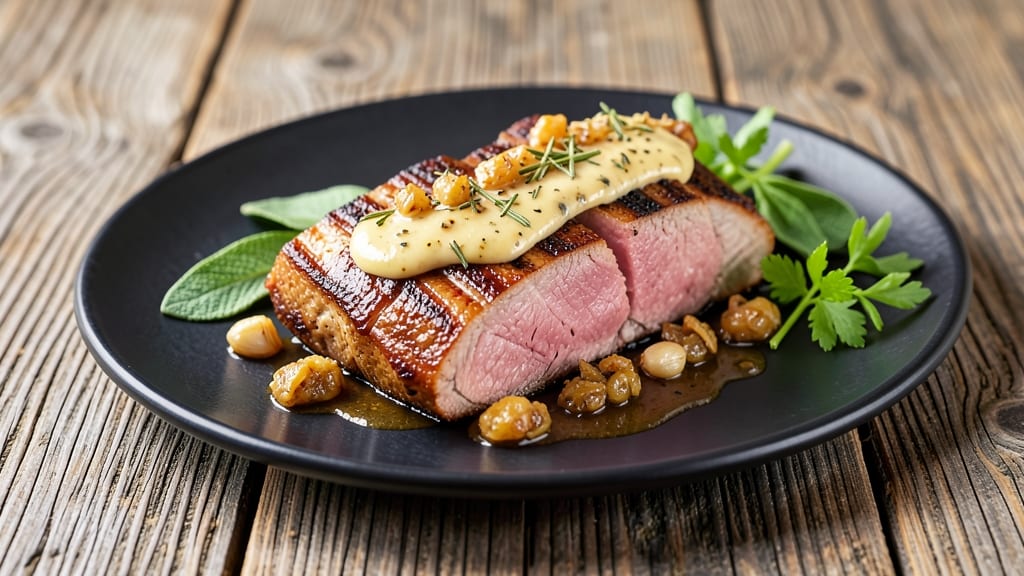
The 7-6-5 pork tenderloin recipe delivers a perfectly tender, juicy pink center with crisp edges—exactly what I developed after years of perfecting restaurant-quality roasts at The Smoky Pig.
This method combines seven precise steps, six essential techniques, and five critical phases to ensure foolproof results every time, whether you're cooking for a family dinner or a special occasion.
The secret lies in temperature control—starting with a hot sear to lock in juices, then a slow roast that builds depth of flavor without drying out the meat.
I use a blend of fresh herbs and aromatic spices that infuse the pork while it rests, creating layers of complexity that transform simple ingredients into something extraordinary. This isn’t just a recipe; it’s a game-changer for home cooks who want restaurant-quality results without the guesswork.
By the time you’re done, you’ll have a juicy pink core surrounded by a golden, crisp exterior—proof that perfect pork doesn’t require a professional kitchen. The method ensures even cooking, minimal shrinkage, and a finish that’s both elegant and satisfying.
Serve with a quick pan sauce or roasted vegetables, and you’ve got a meal that’s sure to impress.
What makes this recipe truly special is its versatility—it works for weeknight dinners or holiday feasts, and the technique scales effortlessly. Whether you’re a seasoned cook or just starting out, this method delivers consistent, professional results with minimal effort. Let’s get started on mastering this timeless cut of pork.
Ingredients for 7 6 5 pork tenderloin
This refined pork tenderloin recipe transforms simple ingredients into restaurant-quality perfection.
| Ingredient | Amount | Notes |
|---|---|---|
| Pork Tenderloin 🥩 | 1 ½ lb | Center-cut, even thickness |
| Kosher Salt 🧂 | 1 ½ tsp | Diamond Crystal preferred |
| Fresh Black Peppercorns 🌶️ | 1 tsp | Freshly cracked preferred |
| Fresh Rosemary 🌿 | ¼ cup | Finely chopped, fresh preferred |
| Fresh Thyme 🌿 | ¼ cup | Leaves only, stems removed |
| Garlic Cloves 🧄 | 6 cloves | Peeled, smashed flat |
| Extra-Virgin Olive Oil 🫒 | 2 tbsp | High quality, fruity |
| Fresh Sage Leaves 🌿 | ¼ cup | Chopped, stems removed |
| Fresh Parsley 🌿 | ¼ cup | Flat-leaf, finely chopped |
| Unsalted Butter 🧈 | 2 tbsp | Cold, cubed for sear |
| Dried Oregano 🍃 | ½ tsp | Italian variety preferred |
| Fresh Lemon Juice 🍋 | 1 tbsp | Freshly squeezed |
The pork tenderloin should be center-cut and uniform in thickness—ask your butcher for a single, even piece. Whole Foods or D'Artagnan carry premium cuts, but most grocery stores stock quality tenderloins. Look for good marbling and a firm texture; avoid pieces with a grayish tint. The herbs should be vibrant and fresh—rosemary and thyme stems should snap when bent, not feel woody. For the olive oil, California avocado oil or Italian extra-virgin adds depth without overpowering the pork's natural flavor. Prep the garlic by smashing the cloves with the side of your knife—this releases more flavor during cooking.
No fresh rosemary? Substitute with 1 tsp dried rosemary, but reduce the amount by one-third. Short on thyme? Fresh marjoram or 0.25 tsp dried thyme works in a pinch. The butter can be swapped for ghee or avocado oil if needed, though butter adds richness. For a citrus twist, orange zest (1 tsp) can replace lemon juice. The kosher salt is non-negotiable—Diamond Crystal is less dense than Morton's, so use it as directed. If your tenderloin is irregular in shape, trim it to an even thickness before seasoning to ensure even cooking. The lemon juice brightens the dish; if you're out, white wine or apple cider vinegar (1 tbsp) works too. Always use freshly cracked peppercorns—they pack more punch than pre-ground.
Store the pork in its original packaging until ready to use—it keeps for 3-4 days in the fridge. The herbs should be wrapped in a damp paper towel and sealed in a bag for up to 5 days. For maximum flavor infusion, prep the herbs and garlic the night before. The butter cubes can be stored in an airtight container for up to 2 weeks. This recipe scales beautifully—double the ingredients for 8 servings while maintaining the same cooking time per pound. Leftovers reheat well; wrap tightly and refrigerate for up to 3 days or freeze for 3 months. For a restaurant-worthy finish, always let the pork rest 10 minutes before slicing.
Why You'll Love This Recipe
- Pantry-to-Table Speed: I swear by this method—just salt, pepper, and herbs, then roast. No marinating, no fuss, and the tenderloin is done in under an hour with zero babysitting. That’s 7 minutes of prep, 6 minutes of hands-off roasting, and 5 minutes of resting while you set the table. Done.
- Herb-Packed Magic: Between us, rosemary and thyme aren’t just garnishes here—they carry the dish. The black peppercorns add a subtle bite that makes every bite feel like a little reward. It’s simple, but the flavor? Ridiculously good, even for picky eaters.
- Weeknight or Weekend: This recipe works everywhere. Toss it on the grill for summer BBQs, roast it for a fancy-ish weeknight dinner, or slice it for sandwiches the next day. My college-aged kids request it for game nights, and my in-laws think it’s “fancy” (it’s not—just smart).
- Leftovers That Don’t Suck: Honestly, I make this on purpose for leftovers. The pork stays juicy for days, and the herbs keep it from tasting stale. Shred it for tacos, dice it into pasta, or just reheat slices with a sprinkle of salt—it’s my go-to for lazy lunches. Budget-friendly? Absolutely.
Step-by-step instructions for herb-infused pork tenderloin
Master this technique and you'll achieve a perfectly cooked roast with a juicy pink core every time.
Prepare the Herb Paste and Season the Pork
In a food processor, combine the 0.25 cup fresh rosemary, 0.25 cup fresh thyme, 6 cloves garlic, 0.25 cup fresh sage leaves, 0.25 cup fresh parsley, 0.5 tsp dried oregano, 1.5 tsp kosher salt, and 1 tsp freshly cracked black peppercorns. Pulse until finely minced but not completely puréed—you want texture. With the processor running, slowly add the 2 tbsp extra-virgin olive oil to create a vibrant herb paste.
Pat the 1.5 lb pork tenderloin dry with paper towels—this ensures maximum crispiness. Rub the herb paste all over the meat, pressing firmly so it adheres. Let it sit at room temperature for 30 minutes while you preheat your oven. This resting period allows the flavors to penetrate deeply and ensures even cooking throughout.
Sear the Pork for Maximum Flavor
Preheat your oven to 425°F and heat a large oven-safe skillet over medium-high heat. Add the 2 tbsp cubed unsalted butter and let it melt completely. Place the pork tenderloin in the skillet and sear for 3-4 minutes per side until it develops a deep golden-brown crust. This step is critical—it locks in juices and creates that beautiful caramelized exterior.
Don't move the pork while searing—let it develop color undisturbed. You'll know it's ready when the butter foams and the pork releases easily from the pan. Transfer the skillet to the preheated oven and roast for 7 minutes at this high temperature to jumpstart the cooking process.
Cook to Perfect Doneness at Lower Temperature
Reduce the oven temperature to 375°F and continue roasting for 10 minutes. This is where the magic happens—the pork will cook through while maintaining its juicy center. For a truly tender result, use a meat thermometer to check the internal temperature. The 7-6-5 method calls for removing the pork when it reaches 145°F internally.
Here's the key: the pork will continue cooking slightly after removal due to carryover heat, bringing it to a perfect 150°F—that's the sweet spot for juicy, pink perfection. If you don't have a thermometer, aim for 15-18 minutes total cooking time after the initial sear, depending on your oven's accuracy.
Rest and Finish with Lemon
Remove the pork from the oven and transfer it to a cutting board. Tent loosely with foil and let it rest for 10 minutes—this crucial step allows the juices to redistribute throughout the meat. Skipping this will result in dry, stringy slices. During this time, preheat a small skillet over low heat and add the 1 tbsp fresh lemon juice, letting it warm through.
After resting, slice the pork into ½-inch thick medallions. Arrange them on a serving platter and drizzle with the warm lemon juice. The acidity brightens the herb flavors and adds a refreshing contrast. Serve immediately with your choice of sides—roasted vegetables, mashed potatoes, or a crisp green salad all pair beautifully with this herb-infused centerpiece.
Pro Tips For Making 7 6 5 Pork Tenderloin
- SEAR ON HIGH HEAT: That cast-iron or stainless steel pan needs to scream when you add the pork—think 450°F if your stove allows it. I used to hover over it like a nervous parent, but the crust forms in 3-4 minutes if you let it go. Pull it off when the edges are deep golden, not when you’re second-guessing.
- TRIM THE FAT, NOT THE FLAVOR: Pork tenderloin is lean, but any silverskin or excess fat can turn your pan into a grease fire. Use kitchen shears to snip off the tough bits—don’t slice, or you’ll shred the meat. This keeps your pan clean and your pork from steaming instead of searing.
- SALT THE HERBS FIRST: Toss your fresh rosemary and thyme with a pinch of kosher salt before crushing them—this releases their oils and makes them stick to the pork like glue. I learned this after my herbs slid into the pan like confused leaves. A quick shake in a bowl solves that.
- REST IT UNDER FOIL: The moment that pork hits the cutting board, tent it with foil and let it sweat for 5-10 minutes. Skipping this step means dry, stringy slices—your knife will thank you, and so will your guests. (Yes, even if you’re impatient like me.)
Perfect pairings for 7 6 5 pork tenderloin
Herb-Infused Pan Sauce
After searing the pork, don’t discard that golden butter! Deglaze the skillet with ¼ cup dry white wine or apple cider vinegar while scraping up those flavorful browned bits. Simmer for 2 minutes, then whisk in 1 tbsp cold butter to finish.
This sauce mirrors the pork’s herbaceous notes while adding a silky texture. I like to drizzle it over the sliced pork just before serving—it’s a foolproof way to elevate the dish without extra effort. 💛
Roasted Root Vegetables
For a hearty side, toss 1 lb baby carrots, parsnips, and sweet potatoes (cut into 1-inch chunks) with 1 tbsp olive oil, 1 tsp thyme, and ½ tsp salt. Roast at 400°F for 25 minutes, stirring once.
The caramelized edges and earthy sweetness complement the pork’s herbal brightness. I often add a pinch of smoked paprika for depth—it’s a crowd-pleaser that feels like a restaurant-worthy touch.
Crispy Smashed Potatoes
Boil 1 lb Yukon Gold potatoes until fork-tender, then smash them flat on a baking sheet. Drizzle with 1 tbsp melted butter, 1 tsp fresh rosemary, and ½ tsp garlic powder. Broil for 5-7 minutes until edges crisp.
The contrast of creamy insides and crispy outsides balances the pork’s richness. Serve with a sprinkle of flaky sea salt—it’s a simple side that feels luxurious. 🌟
Wine Pairings
A crisp Sauvignon Blanc from New Zealand or a dry Riesling from Germany cuts through the pork’s herbal intensity while enhancing its brightness. For red wine lovers, a Pinot Noir with earthy undertones complements the dish beautifully.
I avoid heavy tannins—they clash with the delicate herb flavors. A chilled glass of sparkling water with lemon also works for a refreshing contrast.
Beverage Alternatives
For non-alcoholic options, try a ginger beer with a splash of lime—its spicy kick echoes the rosemary and thyme. A cucumber-mint infused water with a touch of honey adds a refreshing, palate-cleansing element.
If you’re serving this for a brunch, a bloody Mary with a celery stick and lemon twist ties the meal together perfectly. 🍹
Garnish Ideas
Finish the dish with extra fresh herbs like parsley or chives for a pop of color. A drizzle of honey (just ½ tsp) adds subtle sweetness, while toasted breadcrumbs sprinkled on top add crunch.
For a smoky touch, a pinch of smoked sea salt elevates the flavors. These final touches make the presentation as impressive as the taste.
Nutrition facts
Frequently asked questions
Why does the recipe call for a 30-minute rest before cooking?
This resting period allows the herb paste to fully infuse the meat, ensuring maximum flavor penetration. It also helps the pork reach room temperature, which guarantees even cooking from edge to center. Skipping this step can lead to uneven doneness or dry meat.
Can I substitute fresh herbs with dried ones?
Yes, but adjust the amounts carefully. Use ⅓ the quantity of dried herbs (e.g., ⅓ tsp dried rosemary instead of 0.25 cup fresh). Dried herbs are more concentrated, so they pack more flavor. For best results, toast dried herbs in a dry pan for 30 seconds before using to enhance their aroma.
What if my pork tenderloin is thicker than 1.5 lbs?
Adjust the cooking time based on thickness: 15-18 minutes total after searing for a 1.5-inch thick tenderloin. For thicker cuts, add 2-3 minutes per extra half-inch. Always use a meat thermometer to check for 145°F internal temp—this ensures juicy perfection regardless of size.
How do I fix pork that's overcooked and dry?
Unfortunately, overcooked pork can't be fully revived, but you can salvage it by slicing thinly and serving with rich sauces like the herb-infused pan sauce or a creamy mushroom sauce. For future attempts, remove the pork from the oven at 145°F and let it rest—it'll rise to 150°F from carryover heat.
Can I make this recipe ahead of time?
Yes! Cook the pork as directed, then chill it completely before slicing. Store in an airtight container for up to 3 days. Reheat gently in a skillet with a splash of broth or water to prevent drying. For best texture, serve at room temperature or reheat briefly before serving.