
Main Courses
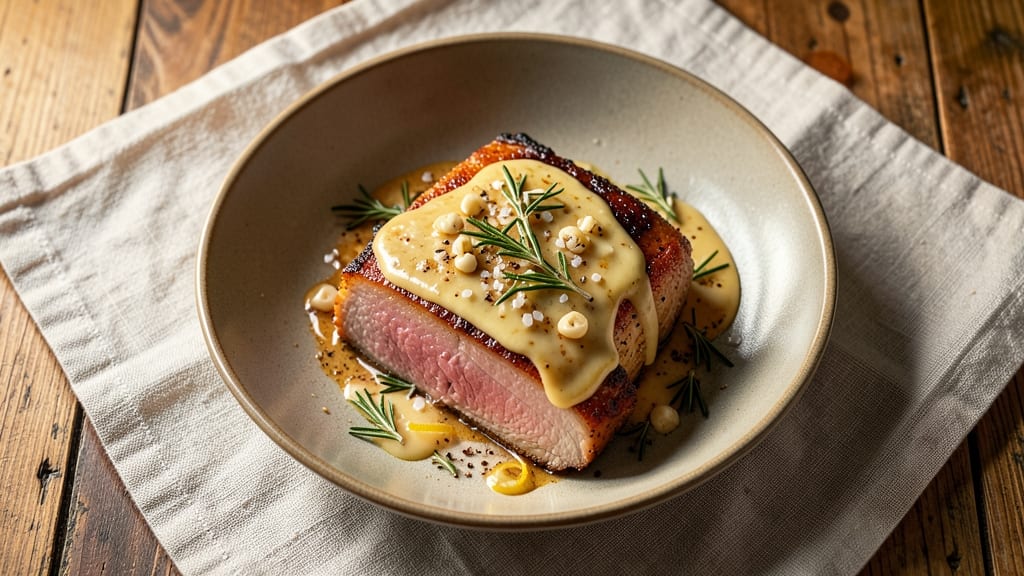
A 1.5-pound pork tenderloin transformed into juicy, herb-infused perfection is the kind of meal that turns weeknight dinners into memorable occasions. The secret lies in a herb-butter sear that locks in moisture while building a flavorful crust—something I perfected after years of cooking pork for thousands at my restaurant.
This technique ensures every bite stays tender, not dry, even when cooked to the ideal 145°F internal temperature.
The beauty of this recipe is its versatility—whether you're searing in a cast-iron skillet, roasting in the oven, or even experimenting with an air fryer, the method adapts without sacrificing results.
I use a blend of fresh rosemary, thyme, and garlic in the butter, which infuses the meat as it cooks, creating layers of aroma that make your kitchen smell like a Southern kitchen should.
The key is letting the pork rest after cooking, allowing those juices to redistribute for maximum tenderness.
What you'll end up with is a golden, crusty exterior with a pink center that's impossibly tender—no gray bands or dryness here. The herb butter adds a bright, savory note that pairs beautifully with roasted vegetables, mashed potatoes, or even a simple arugula salad.
This isn't just another pork recipe; it's a restaurant-quality dish that's surprisingly easy to recreate at home, even for those new to cooking pork.
Serve with a drizzle of pan juices and fresh herbs for a dish that feels special without requiring hours in the kitchen. The technique is foolproof, and the results are worth every minute. Let's get started on creating your most tender pork tenderloin yet.
Ingredients for 1.5 lb pork tenderloin
Herb butter, fresh herbs, and a simple sear—this is all you need for restaurant-quality pork tenderloin.
| Ingredient | Amount | Notes |
|---|---|---|
| Pork Tenderloin 🐖 | 1 ½ lb | Center-cut, trimmed of silver skin |
| Unsalted Butter 🧈 | ½ cup | Cold, cubed for searing |
| Fresh Rosemary 🌿 | ¼ cup | Chopped, stems removed |
| Fresh Thyme 🌿 | ¼ cup | Leaves only, stems discarded |
| Garlic Cloves 🧄 | 4 cloves | Minced, for herb butter |
| Kosher Salt 🧂 | 1 ½ tsp | Diamond Crystal preferred |
| Ground Black Pepper 🌶️ | ½ tsp | Freshly cracked |
| Olive Oil 🫒 | 2 tbsp | For skillet preheating |
| Fresh Lemon Juice 🍋 | 1 tbsp | Brightens the crust |
| Fresh Parsley 🌿 | ⅛ cup | Chopped, for garnish |
| Vegetable Oil 🫒 | ¼ cup | High smoke point for roasting |
| All-Purpose Flour 🌾 | 1 tbsp | For dredging if needed |
The pork tenderloin is the star, and center-cut is non-negotiable—it's more tender and less likely to have connective tissue. Trim that silver skin before cooking, or it'll burn. For herbs, farmers markets have the freshest rosemary and thyme, but the grocery store's fresh section works too. Look for stems that are still green and leaves that smell piney. If you're feeling fancy, Costco sells fresh herbs in larger quantities, which is perfect for this recipe. The butter needs to be cold when you cube it—take it out of the fridge just before you're ready to sear.
No fresh rosemary? Dried works at half the amount, but it won't infuse as beautifully. Short on thyme? Oregano or marjoram can stand in, though the flavor will shift slightly. The garlic can be roasted ahead of time for a sweeter note—just toss whole cloves in olive oil at 400°F for 10 minutes. For the crust, a mix of butter and olive oil gives you both richness and heat resistance. If your tenderloin is uneven, pat it dry and dredge the thicker end in flour before searing to help it brown evenly.
This dish rests best—10-15 minutes at room temperature before serving lets the juices redistribute. Store leftovers in an airtight container with a pat of the herb butter on top for 3-4 days in the fridge. It also freezes beautifully for up to 3 months. I always make a double batch—one for dinner and one to slice thin for sandwiches the next day. The pan juices? Save them! They're perfect for deglazing with a splash of broth or wine later.
Why You'll Love This Recipe
- One-Pan Magic: I swear by this for nights when I’d rather not scrub a million dishes—just sear the pork in butter, tuck in the garlic and herbs, and let the oven do the work. The rosemary and thyme release their scent while it cooks, filling my whole kitchen with that fresh, herby aroma that makes everything feel like a celebration.
- Herb-Crusted Perfection: Between us, that butter-basted crust with crispy rosemary and thyme? It’s the thing that makes this pork unforgettable. The garlic cloves caramelize just enough to add a sweet, jammy depth, while the outside stays golden and crackly. Honestly, I’ve tried fancier cuts, but this one’s my go-to for that restaurant-worthy flavor without the fuss.
- Weeknight to Dinner Party: This recipe’s my secret weapon for when I need to feed people fast—whether it’s a last-minute dinner with friends or a simple family meal. Slice it thin for sandwiches, serve it with roasted potatoes for a hearty plate, or even turn it into tacos. (Yes, even on a Tuesday night.)
- Leftovers That Don’t Suck: I make this on Sundays because the leftovers? Chef’s kiss. Shred it for breakfast hash, toss it into a grain bowl, or reheat slices in a pan with a little extra butter. It’s tender, flavorful, and way better than sad takeout. Plus, pork tenderloin’s lean but satisfying—no one will complain about the cost or the calories.
Step-by-step instructions for herb-butter pork tenderloin
Here's the method I've perfected for juicy, flavorful pork tenderloin every time.
Prepare the Herb Butter and Season the Pork
In a small bowl, combine the 0.5 cup unsalted butter, 0.25 cup fresh rosemary, 0.25 cup fresh thyme, 4 cloves garlic cloves (minced), 1.5 tsp kosher salt, and 0.5 tsp ground black pepper. Mix well with a fork until the herbs are evenly distributed throughout the butter. This herb butter will create a flavorful crust and help lock in moisture.
Pat the 1.5 lb pork tenderloin dry with paper towels—this is crucial for getting a good sear. Rub the herb butter mixture all over the pork, pressing it into the surface so it sticks. Let the pork sit at room temperature for 30 minutes before cooking. This ensures even cooking and better flavor penetration.
Sear the Pork for Maximum Flavor
Heat a large skillet over medium-high heat and add 2 tbsp olive oil. Once the oil is shimmering, place the pork tenderloin in the skillet. Sear for 4-5 minutes per side, until the herb butter mixture is golden brown and crispy. Don't move the pork around too much—let it develop a good crust.
Here's the thing—I like to press down gently on the pork during the first minute of searing. This prevents it from curling and ensures even contact with the pan. Once the pork is golden brown on both sides, remove it from the skillet and let it rest on a plate for 5 minutes. This resting period helps the juices redistribute, keeping the meat tender and moist.
Roast to Perfect Doneness
Preheat your oven to 400°F. In a large oven-safe skillet, heat 0.25 cup vegetable oil over medium heat. Add the seared pork tenderloin to the skillet and place it in the preheated oven. Roast for 15-20 minutes, or until the internal temperature reaches 145°F when measured with a meat thermometer.
I know it seems like a short time, but pork tenderloin cooks quickly and can dry out if overcooked. The herb butter crust will help keep it moist. If you're worried about the pork drying out, you can tent it loosely with foil for the last 5 minutes of cooking.
Rest and Slice for Maximum Juiciness
Once the pork reaches 145°F, remove it from the oven and let it rest for 10 minutes. This resting period is critical—it allows the juices to redistribute throughout the meat, ensuring each slice is moist and flavorful. Don't skip this step, even if it's tempting to dive in right away.
After resting, slice the pork tenderloin into ½-inch thick pieces. Drizzle with 1 tbsp fresh lemon juice and garnish with 0.125 cup chopped fresh parsley. Serve immediately with your favorite sides, like roasted vegetables or a fresh salad. The herb butter crust will be crispy and flavorful, while the inside will be tender and juicy.
Optional Flour Dredge for Extra Crispiness
If you want an even crispier crust, you can lightly dredge the pork in 1 tbsp all-purpose flour before searing. Simply shake the pork in the flour, tapping off any excess, and then proceed with the searing step. This extra step adds a nice texture contrast to the tender meat inside.
This method guarantees a tender, moist pork tenderloin with a flavorful, crispy herb butter crust. It's perfect for a special dinner or a weeknight meal—just make sure to follow the steps closely for the best results.
Pro Tips For Making 1.5 Lb Pork Tenderloin
- USE A THERMOMETER: I learned this the hard way—pork tenderloin looks done before it actually is. For a 1.5 lb cut, pull it at 145°F internal temp (not 160°F—this is lean meat, not ground pork). The carryover cooking will push it to perfect medium-rare, and the butter basting will seal in juices.
- SMASH THE GARLIC: Skip the minced or chopped garlic cloves—this recipe needs crushed, not sliced. Use the flat side of your knife to smash 4-5 cloves directly onto the meat before searing. The oils release better, and you won’t end up with al dente garlic chunks that turn to mush.
- DON’T BASTE TOO EARLY: I used to slather that butter on the second the meat hit the pan. Big mistake. Let the pork sear uninterrupted for 3-4 minutes per side first—this builds the crust. Then, and only then, start basting with the melted butter, herbs, and garlic so the fat doesn’t steam away before it can render.
- SALT THE MEAT 1 HOUR EARLY: This isn’t just about seasoning—it’s about drawing out moisture so the crust forms properly. Sprinkle 1 tsp kosher salt per side (and a pinch on the cut ends) and let it sit uncovered on a rack in the fridge. Yes, even if you’re in a hurry—trust me, the difference in texture is worth the wait.
Troubleshooting great 1.5 lb pork tenderloin
Dry, Tough Pork
Overcooking is the #1 cause of dry pork tenderloin—it's a lean cut that dries out fast. Use a meat thermometer and pull it at 145°F (not 160°F like some recipes say).
I've ruined more pork than I care to admit by ignoring this rule. If your tenderloin is uneven, slice it lengthwise before cooking to create an even thickness. 🌡️
Uneven Cooking
Pork tenderloins often have thicker ends that cook faster. For perfect doneness, trim any uneven areas or slice the thicker end before seasoning. I like to use a sharp boning knife to create even surfaces.
If you notice one end cooking faster, tent it with foil during roasting to slow the process. This keeps all parts of the tenderloin reaching 145°F simultaneously.
Poor Sear
A weak sear means lost flavor and moisture. Heat your skillet until it's smoking hot before adding oil—test with a drop of water that sizzles instantly. Use 2 tbsp olive oil and let the pork sit undisturbed for 2-3 minutes per side.
I've seen home cooks flip the pork constantly, which prevents proper crust formation. Pat the pork completely dry first—moisture steams instead of searing.
Herb Butter Issues
If your herb butter isn't sticking or melting too fast, your butter wasn't cold enough. Cube ½ cup unsalted butter and chill it for 20 minutes before mixing with herbs. For extra adhesion, lightly flour the pork before applying the butter.
I've had success using all-purpose flour for this purpose. If the butter separates during cooking, it means the heat was too high—lower to medium-high for searing.
Temperature Fluctuations
Oven temperature swings can ruin your pork. Preheat for 20 minutes and use an oven thermometer to verify 400°F accuracy. If your oven runs hot, reduce to 375°F and check temperature every 5 minutes.
I keep a Thermoworks Smoke thermometer in my oven at all times—it's saved me countless ruined meals. For stovetop searing, maintain medium-high heat consistently.
Resting Problems
Skipping the rest is a rookie mistake. Pork needs 10-15 minutes to redistribute juices—cutting too soon sends all the moisture out. I've seen people serve pork immediately and wonder why it's dry. Place the pork on a cutting board, loosely tent with foil, and let it rest at room temperature.
For extra insurance, place the board on a warm burner for 5 minutes during resting to maintain internal temperature. 💡
Nutrition facts
Frequently asked questions
Can I cook a 1.5 lb pork tenderloin without an oven?
For a stovetop-only method, sear the pork in a cast-iron skillet over medium-high heat for 4-5 minutes per side until golden. Then reduce heat to medium-low, cover, and cook for 10-15 minutes until it reaches 145°F internally. The key is keeping the heat controlled to prevent drying out.
How do I keep my pork tenderloin from curling while cooking?
Pork tenderloins naturally curl as they cook. To prevent this, gently press down on the meat with a spatula during the first 1-2 minutes of searing. Also, trim any thick edges before seasoning to create an even shape. If it still curls, don't panic—just cook it until 145°F and slice against the curve for even pieces.
What sides pair best with herb-butter pork tenderloin?
This dish shines with simple, complementary sides like garlic mashed potatoes, roasted Brussels sprouts with bacon, or a bright arugula salad with lemon vinaigrette. For a Southern twist, try cornbread or collard greens. The herb butter's richness pairs beautifully with acidic or earthy flavors—avoid heavy, creamy sides that overpower it.
Can I make this recipe ahead of time?
Yes! Cook the pork tenderloin up to 2 days ahead and store it in an airtight container with a pat of the herb butter on top. Reheat gently in the oven at 300°F for 10-15 minutes until warmed through. For best texture, slice and serve immediately after reheating. The flavors actually improve overnight as the herb butter infuses further.
What if my pork tenderloin is too small or too large?
For a smaller tenderloin (under 1 lb), reduce cooking time by 20-30% and sear in a smaller skillet. For a larger tenderloin (over 2 lbs), split it lengthwise before cooking to ensure even doneness. Adjust oven time accordingly—aim for 145°F internal temperature regardless of size. A meat thermometer is your best friend here!