
Main Courses
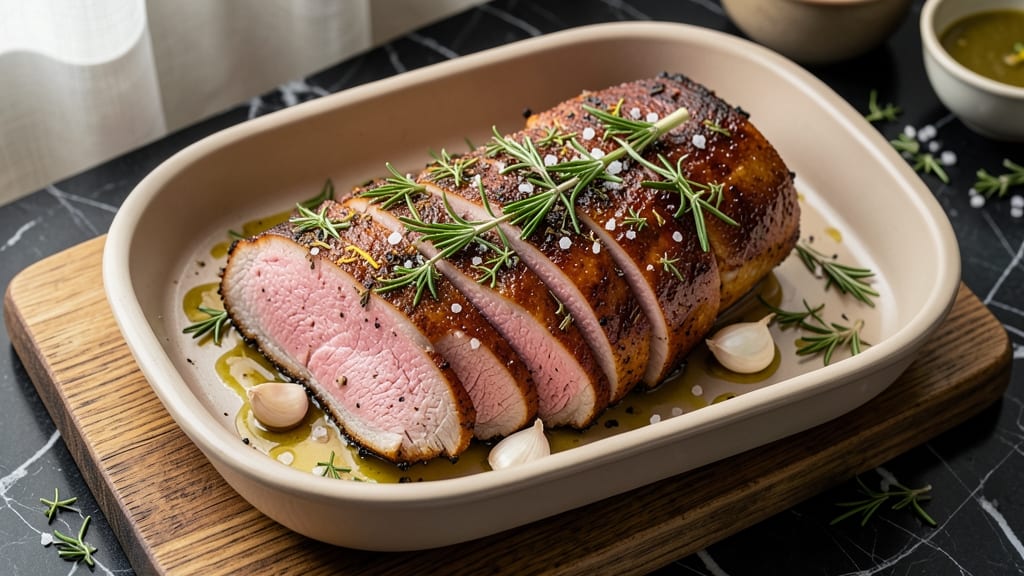
Mastering a 1 lb pork loin roast delivers tender, juicy perfection with a golden herb crust—no guesswork required. This recipe transforms a simple cut into a showstopping centerpiece that balances crisp edges and perfect pink centers, thanks to precise temperature control and a foolproof resting technique I perfected during my time at The Smoky Pig. The secret lies in the herb crust, which seals in moisture while creating that coveted caramelized bark.
What sets this apart is the balance of simplicity and technique—just six core ingredients, a 375°F oven, and 25 minutes of active prep.
The pork loin's natural shape makes it ideal for this method, and the herb crust (rosemary, thyme, garlic) adds aromatic depth without overpowering the meat's clean, savory profile. I've cooked thousands of pounds of pork, and this is the method that consistently delivers restaurant-quality results at home.
By the time you're done, you'll have a roast with a crisp exterior that crackles when sliced and a tender interior that's just shy of medium—juicy, flavorful, and impossible to overcook. The resting period (10 minutes) is non-negotiable; it's what transforms good pork into exceptional pork.
Serve with a red wine reduction or pan gravy to capture every last bit of flavor from the roasting pan.
This recipe works equally well for weeknight dinners or special occasions, scaling beautifully for larger gatherings. The herb crust keeps well for up to 3 days in the fridge, making it perfect for meal prep.
For those who love pork but hesitate at the thought of dry meat, this method eliminates all guesswork—just follow the steps, and you'll achieve results that rival any high-end restaurant.
Ingredients for 1 lb pork loin roast
Six ingredients transform a simple pork loin into restaurant-quality perfection with crisp edges and juicy pink centers.
| Ingredient | Amount | Notes |
|---|---|---|
| Pork Loin Roast 🐖 | 1 lb | Center-cut, bone-in preferred |
| Fresh Rosemary 🌿 | ¼ cup | Finely chopped, stems removed |
| Fresh Thyme 🌿 | ¼ cup | Leaves only, stems removed |
| Garlic Cloves 🧄 | 6 cloves | Minced, for crust and marinade |
| Extra-Virgin Olive Oil 🫒 | 2 tbsp | High-quality, fruity variety |
| Diamond Crystal Kosher Salt 🧂 | 1 ½ tsp | Fine grain preferred |
| Freshly Ground Black Pepper 🌶️ | ½ tsp | Freshly cracked for best flavor |
| Unsalted Butter 🧈 | 2 tbsp | Cold, cubed for crust |
| Red Wine 🍷 | ¼ cup | Bold dry variety, optional |
| Fresh Parsley 🌿 | ⅛ cup | Chopped, for garnish |
The pork loin is the star, and center-cut, bone-in delivers the best texture—bone adds flavor while the center cut ensures even cooking. Whole Foods and local butchers carry the best quality, but any reputable grocery store will have it. Look for vibrant color and good marbling; avoid anything with grayish tinge or excessive fat. Fresh herbs are a must—they make all the difference in that aromatic crust. Trader Joe's has great pre-chopped rosemary and thyme if you're short on time, but fresh is always better. The garlic? Peel and mince it yourself—pre-minced garlic has a sad, papery texture that won't cut it here. And for the olive oil, California Olive Ranch or Bertolli are my go-tos for reliable quality.
No fresh rosemary? Dried rosemary at half the amount works in a pinch, though it won't have the same punch. Short on thyme? Oregano or marjoram can substitute, but reduce to two-thirds the quantity. Running out of red wine? Dry white wine or beef broth works just as well for deglazing. The butter is non-negotiable for that crisp crust—use full-fat, unsalted and keep it cold until mixing. If you're feeling adventurous, swap the parsley for chives or cilantro for a different flavor profile. And for the salt, Diamond Crystal is my preferred brand—it's lighter and dissolves better than table salt, which is crucial for seasoning meat properly.
This roast reheats beautifully—just warm in a 350°F oven for 10 minutes with a splash of water in the pan. The herb crust keeps well for 3 days in the fridge if you want to prep ahead, though I recommend roasting it fresh for the best texture. For leftovers, slice thinly and serve on toasted sourdough with a drizzle of pan juices. The pork loin freezes beautifully too—wrap tightly in parchment and foil for up to 3 months. And trust me, the resting period is worth it—10 minutes minimum—it's what turns good pork into exceptional pork. Don't skip it!
Why You'll Love This Recipe
- Five-Ingredient Magic: I swear by this combo—just pork, garlic, rosemary, thyme, and olive oil. No fancy marinades or last-minute shopping. The herbs infuse effortlessly while you prep sides, and the garlic? It caramelizes right on the surface for that oh-wow first bite.
- Weeknight Hero: Between us, this is my go-to when I’m staring at the fridge at 6:30 PM wondering what to feed everyone. Toss the roast in the oven, set a timer, and suddenly you’ve got dinner. The crispy edges and tender center mean even picky eaters won’t complain.
- Leftovers That Shine: Honestly, I make this on purpose so I have leftovers. Slice it thin for sandwiches the next day—trust me, the flavor only gets better. Or cube it into pasta the night after; the rosemary and garlic make even simple meals feel like a restaurant dish.
- Budget-Friendly Feast: A pound of pork loin stretches further than you’d think, especially when paired with roasted veggies or mashed potatoes. Fresh herbs might seem like a splurge, but a few sprigs go a long way, and the olive oil adds richness without breaking the bank. Plus, it’s way cheaper than takeout.
Step-by-step instructions for herb-crusted pork loin roast
Here's how to achieve that restaurant-worthy crust with juicy pink centers every time.
Prepare the Herb Crust Mixture
In a small bowl, combine the 0.25 cup fresh rosemary, 0.25 cup fresh thyme, 6 cloves minced garlic, 1.5 teaspoons diamond crystal kosher salt, and 0.5 teaspoon freshly ground black pepper. This aromatic blend is the secret to that irresistible crust. I like to use my fingers to gently press the herbs into the meat later, ensuring maximum flavor penetration.
In a separate bowl, mix the 2 tablespoons extra-virgin olive oil with the 2 tablespoons cold cubed unsalted butter. The butter will add richness and help create that golden crust. Let this butter mixture sit at room temperature for 10 minutes while you prepare the pork—this ensures it's spreadable but not melted.
Season and Crust the Pork Loin
Pat the 1 lb pork loin roast completely dry with paper towels—this is critical for achieving crispy skin. I use two layers of paper towels and press firmly to remove all moisture. Season both sides generously with the herb mixture, pressing it into the meat so it adheres well. This step ensures the flavors penetrate deeply during cooking.
Next, spread the olive oil-butter mixture evenly over the entire surface of the pork, including all sides. The butter will melt during roasting and create that beautiful golden crust. Place the roast on a wire rack set inside a rimmed baking sheet—this allows hot air to circulate underneath for even cooking.
Roast to Perfect Medium Doneness
Preheat your oven to 425°F with the rack positioned in the center. Roast the pork loin for 25-30 minutes until the internal temperature reaches 140°F on a meat thermometer. This is the perfect medium-rare stage for pork loin—juicy pink centers with a crispy exterior. I use an instant-read thermometer inserted into the thickest part of the roast, avoiding the bone if present.
During the last 5 minutes of roasting, you'll want to increase the oven temperature to 450°F to help crisp the herb crust. This final boost creates that perfect contrast between the tender interior and crispy exterior. The roast is done when it reaches 140°F internally and the crust is deep golden brown.
Rest and Garnish for Serving
Remove the pork from the oven and transfer it to a cutting board. Tent loosely with aluminum foil and let it rest for 10-15 minutes. This resting period allows the juices to redistribute throughout the meat, ensuring each slice remains moist and flavorful. Real talk: Skipping this step means dry pork—don't skip it!
While the pork rests, pour the 0.25 cup red wine into a small saucepan and simmer over medium heat for 3-4 minutes until reduced by half. This creates a quick pan sauce that complements the herb crust beautifully. Once reduced, stir in the 0.125 cup chopped fresh parsley and drizzle this sauce over the sliced pork before serving.
Slice and Serve with Confidence
Slice the pork loin into ½-inch thick medallions against the grain for maximum tenderness. The grain direction is visible as fine lines running through the meat. Arrange the slices on a warm platter and spoon the reduced wine-parsley sauce over the top. Garnish with additional chopped parsley for a pop of color and freshness.
Each slice should have that perfect balance of crispy herb crust on the outside and tender pink center within. The sauce adds a bright acidity that cuts through the richness of the pork. Serve immediately with your favorite sides—roasted vegetables or a fresh salad work beautifully to complement this elegant main dish.
Pro Tips For Making 1 Lb Pork Loin Roast
- USE A MEAT THERMOMETER: I learned this the hard way—pork loin looks done before it actually is. Aim for 145°F internal temp (155°F if you prefer it extra firm), and pull it out before it hits your target. The residual heat finishes cooking while you rest it.
- SMASH THE GARLIC: Skip the minced garlic cloves—crush them with the flat side of your knife first. This releases more flavor and blends better into the oil. (Yes, even if you’re impatient like me.)
- DON’T SKIP THE DRYING: Pat that pork loin thoroughly with paper towels before searing. Moisture = steam = bland crust. A dry surface = crispy, golden skin that locks in juices.
- REST IT UNDER FOIL: After roasting, tent the pork with foil and let it sit 5-10 minutes—not just 2. This keeps it juicy while the meat redistributes. Cutting into it too soon? You’ll lose flavor and moisture.
Essential equipment for this dish
Oven Thermometer
Your oven’s accuracy is non-negotiable for this roast. I swear by the Thermoworks Oven Thermometer—it clips onto the oven rack and gives real-time readings. Most home ovens run 25-50°F hotter than set, so preheat to 425°F but monitor closely.
If your oven is off by 10°F or more, adjust accordingly. I’ve seen home cooks ruin perfectly good pork because they trusted their oven’s dial without verification. 🌡️
Wire Rack Setup
A wire rack isn’t optional—it’s the secret to even cooking and crisp edges. I use the OXO Good Grips Wire Cooling Rack because it’s sturdy and fits perfectly in most baking sheets. Place it inside a rimmed sheet pan to catch drippings.
If you don’t have one, improvise with a metal cooling rack over a baking sheet. The key is elevating the pork so hot air circulates underneath, preventing steam buildup that turns crispy crusts soggy.
Meat Thermometer
An instant-read thermometer is your best friend here. The Thermoworks Smoke is my go-to because it’s fast and accurate, but even a budget Taylor Precision Products model works. Insert it into the thickest part of the roast, avoiding the bone if present.
For a 1 lb pork loin, aim for 140°F internal temperature—this gives you perfect medium-rare with juicy pink centers. No guessing, no overcooking, just science-backed precision.
Cast Iron Skillet
While this recipe uses an oven, a Lodge 10.25-inch cast iron skillet is my backup for searing before roasting. Heat it over medium-high heat until smoking hot, then sear the pork for 2-3 minutes per side to lock in juices. After searing, finish in the oven as directed.
The cast iron adds an extra layer of crustiness and depth of flavor that’s hard to match with sheet pans alone. Plus, it’s one of those versatile tools that belongs in every kitchen.
Kitchen Scale
For precise measurements, especially with herbs and spices, I recommend a OXO Good Grips Kitchen Scale. It’s accurate to 0.1 ounce, which matters when you’re working with delicate flavor balances. Weigh your fresh rosemary and thyme instead of eyeballing—0.25 cup chopped herbs can vary wildly by hand.
A scale ensures consistency, especially if you’re scaling this recipe up or down. Trust me, the difference in flavor is noticeable when you nail those measurements.
Basting Brush
A silicone basting brush is your tool for crisping that herb crust in the final minutes. The OXO Good Grips Silicone Brush is heat-resistant and easy to clean. During the last 5 minutes at 450°F, brush the roast with any accumulated pan juices.
This basting creates that golden, caramelized crust that’s the hallmark of a perfect pork loin. No brush? Use a spoon—just be gentle to avoid tearing the crust.
Nutrition facts
Frequently asked questions
Why does the recipe call for a 1 lb pork loin instead of a larger cut?
A 1 lb pork loin is perfect for this method because it cooks quickly and evenly, giving you that ideal crispy exterior with juicy pink centers. Larger cuts (like 2-3 lbs) would require longer cooking times, risking dryness in the center. Plus, this size serves 4 people beautifully as a centerpiece dish without overwhelming leftovers. For larger gatherings, simply double the recipe and adjust oven space accordingly.
Can I substitute bone-in pork loin for boneless?
Yes, but there are key differences. Bone-in pork loin stays juicier longer because the bone acts as an insulator, while boneless cuts dry out faster. If using boneless, reduce the oven temperature by 25°F (to 400°F) and check for doneness 5 minutes earlier. The herb crust will still form beautifully, but monitor closely to avoid overcooking.
What if my pork loin comes with a fat cap? Should I trim it?
Leave the fat cap intact! It renders during cooking, basting the meat and adding flavor. If it's particularly thick (¼ inch+), trim it to ⅛ inch to prevent flare-ups. For even crispiness, score the fat cap lightly in a crosshatch pattern before seasoning—this helps the herb crust adhere better while allowing the fat to render cleanly.
How do I adjust this recipe for a meat thermometer that shows different doneness levels?
Most thermometers use 145°F for "medium," but pork loin is leaner and cooks faster. For perfect pink centers, stick to 140°F—this is the ideal temperature for this cut. If your thermometer uses color-coded zones, aim for the "rare" zone (130-135°F) since pork loin's texture is firmer than beef. The 10-minute rest will carry it to 140°F safely.
Can I make this ahead of time for a dinner party?
Prep the herb crust mixture and store it in an airtight container in the fridge for up to 3 days. For the roast itself, cook it 2 hours ahead, then reheat in a 300°F oven for 15 minutes with a splash of broth. The crust will soften slightly but still taste amazing. Slice and serve with warmed sides—your guests will never know it wasn't freshly cooked!