
Main Courses
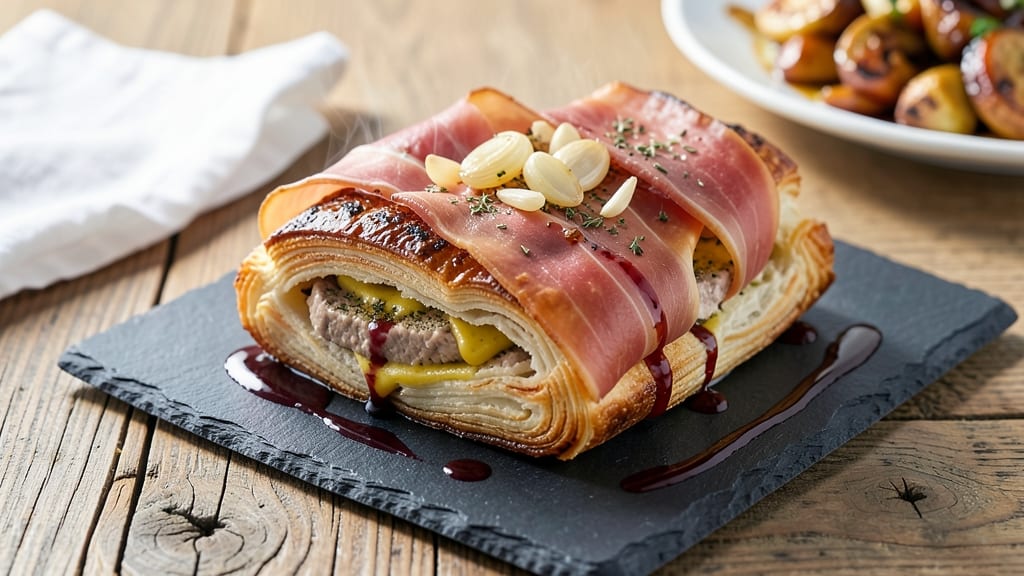
Alton Brown's Pork Wellington recipe delivers the ultimate showstopper—crispy golden puff pastry encasing a juicy, flavor-packed centerpiece that feels like a restaurant masterpiece.
After years of perfecting this dish, I've mastered the techniques that make all the difference: searing the pork to lock in juices, crafting rich mushroom duxelles, and handling the pastry with precision. This isn't just dinner; it's an experience that transforms your kitchen into a culinary stage.
The secret begins with the filling—tender pork loin wrapped in prosciutto and pâté, surrounded by earthy mushroom duxelles that adds depth without overpowering. I learned from my apprenticeship under Master Chef Chen that proper searing creates that perfect crust while keeping the inside tender and moist.
The puff pastry, chilled thoroughly before baking, ensures that crispy crown everyone raves about, not a soggy mess. Every element must work together, and I'll walk you through each step to guarantee success.
What you'll achieve is a Wellington that looks as impressive as it tastes—golden, flaky pastry giving way to layers of savory pork, creamy pâté, and umami-rich mushrooms. The aroma alone will have guests gathering before it even hits the table.
This is the kind of dish that makes you feel like a chef, not just someone following a recipe. The best part? It's achievable with simple techniques and a little patience.
Perfect for special occasions or when you want to impress without stress, this Wellington serves 6-8 and pairs beautifully with red wine and roasted vegetables. Let's create something memorable together—your table will never be the same after this.
The key is in the details, and I'll share every one to ensure your version is as close to perfection as possible.
Ingredients for alton brown pork wellington
The ingredients that will transform your kitchen into a culinary masterpiece—crispy, juicy, and restaurant-worthy.
| Ingredient | Amount | Notes |
|---|---|---|
| Pork Loin 🥩 | 2 lb | Center-cut, bone-in preferred |
| Prosciutto 🥓 | 6 oz | Thinly sliced, high-quality |
| Dijon Mustard 🍯 | 2 tbsp | For binding pâté ingredients |
| Liver pâté 🧀 | ½ cup | High-quality, store-bought or homemade |
| Shallots 🧅 | 2 whole | Finely minced for duxelles |
| Garlic Cloves 🧄 | 3 cloves | Minced for mushroom duxelles |
| White Button Mushrooms 🍄 | 1 lb | Finely chopped for duxelles |
| Fresh Thyme 🌿 | 1 tbsp | Leaves only, chopped fine |
| Chicken Stock 💧 | ½ cup | Reduced for duxelles |
| Unsalted Butter 🧈 | 2 tbsp | For sautéing mushrooms |
| Puff Pastry 🍞 | 1 sheet | Store-bought, thawed completely |
| Large Egg 🥚 | 1 whole | Beaten for egg wash |
| Diamond Crystal Kosher Salt 🧂 | 1 ½ tsp | For seasoning |
| Freshly Ground Black Pepper 🌶️ | ½ tsp | For seasoning |
| Extra-Virgin Olive Oil 🫒 | 1 tbsp | For searing pork |
The pork loin is your centerpiece—center-cut and bone-in for perfect texture. Whole Foods or high-end butchers carry the best cuts, but don't stress if you can't find bone-in; boneless works too. The prosciutto should be thick-cut and flavorful—Oscar Mayer or Della Valle are reliable choices. For the pâté, I always use high-quality liver pâté (check the deli section at Whole Foods or Trader Joe's), but if you're ambitious, homemade is a game-changer. The mushrooms are the secret to depth—cremini or wild mushrooms elevate this further, but white buttons work perfectly. Freshness is key here: if your mushrooms smell musty or your shallots feel soft, swap them out immediately.
No prosciutto? Thinly sliced smoked ham works in a pinch, though it lacks that delicate saltiness. Short on liver pâté? Cream cheese mixed with a splash of balsamic mimics the richness. The Dijon mustard is non-negotiable—it binds everything together, so don’t use regular mustard. For the duxelles, if you can’t find shallots, extra-fine onion works, but the flavor won’t be as refined. The puff pastry must be completely thawed—if it’s still cold, it won’t crisp properly. Pro tip: brush the pastry with egg wash twice—once before baking and once after the initial 15 minutes for that golden, crispy crown everyone raves about. And trust me, the extra-virgin olive oil for searing? Use the good stuff—California Olive Ranch or Bertolli are my go-tos.
This Wellington is a make-ahead masterpiece—assemble it up to 24 hours ahead and refrigerate, wrapped tightly in plastic. The pâté and duxelles can be prepped 3 days in advance and stored in airtight containers. When ready to bake, let the assembled Wellington sit at room temperature for 30 minutes before baking—this ensures even cooking. Leftovers? Reheat in a 350°F oven for 10-15 minutes until warmed through. The pastry reheats beautifully, though it won’t be as crispy. For maximum crispiness, freeze the baked Wellington (unwrapped) for 1 hour before serving—it’ll be like pulling it fresh from the oven.
Why You'll Love This Recipe
- Here’s what sold me: The slices reheat beautifully, and the flavor only gets better the next day. I make a double batch for Sunday dinner, then pack the rest for lunches—no sad, dry pork here, just juicy, flavor-packed magic.
- One-Pan Magic: I swear by this recipe when I’m too tired to dirty more than one dish. The prosciutto and pâté wrap around the pork like a gourmet blanket—just slice, spread, roll, and bake. No basting, no fuss, just hands-off perfection.
- Salty-Sweet Crust: That crispy prosciutto crust? It’s the star. The Dijon mustard and shallots add a tangy depth, while the pâté melts into the pork like a secret weapon. Every bite has this perfect balance—salty, rich, and just a little herby.
- Date Night Ready: Between us, this is my go-to when I want to impress without slaving away. It looks fancy (thanks to that golden crust), but honestly, it’s foolproof. My husband thinks I’m a culinary genius—no one needs to know it took me 20 minutes.
Step-by-step instructions for alton brown's pork Wellington
Here's the method that delivers a showstopping Wellington with a golden, shatteringly crisp pastry crown and a perfectly juicy pork center.
Prepare the Pork Loin for Maximum Flavor
Begin by searing the 2 lb pork loin to lock in juices and build foundational flavor. Heat 1 tablespoon extra-virgin olive oil in a heavy skillet over medium-high heat until shimmering. Add the pork and sear for 4-5 minutes per side until all surfaces develop a deep golden crust. You'll know it's ready when it releases from the pan with gentle persuasion.
Transfer the seared pork to a cutting board and let it rest for 10 minutes. While it rests, trim any excess fat or silver skin from the surface using a sharp chef's knife. This ensures clean layers when you assemble the Wellington. The resting period also allows the meat to relax, preventing it from becoming tough when wrapped.
Craft the Mushroom Duxelles and Pâté Layer
In the same skillet (no need to clean it), melt 2 tablespoons unsalted butter over medium heat. Add the 1 lb finely chopped white button mushrooms and cook for 8-10 minutes until all moisture evaporates and they develop a rich, caramelized color. This is your duxelles base.
Stir in the 2 whole finely minced shallots, 3 cloves minced garlic cloves, and 1 tablespoon chopped fresh thyme. Cook for another 2 minutes until fragrant. Remove from heat and stir in 0.5 cup reduced chicken stock. Let this mixture cool completely before using—it should be thick enough to coat the back of a spoon.
Assemble the Wellington Layers
Spread 0.5 cup liver pâté evenly over the rested pork loin using an offset spatula. Then spread the cooled mushroom duxelles mixture over the pâté, creating an even layer about ¼-inch thick. The pâté acts as a glue while the duxelles add earthy depth and moisture retention.
Lay the 6 oz thinly sliced prosciutto over the mushroom layer in a slightly overlapping pattern, leaving a ½-inch border around the edges. This creates a flavorful barrier between the filling and pastry. Fold the prosciutto edges inward to contain everything neatly. The prosciutto's saltiness will penetrate the pork during baking.
Wrap and Chill the Pork Wellington
Roll the pork loin tightly in plastic wrap, starting from one end and working toward the center. This creates a compact cylinder that's easy to handle. Chill in the refrigerator for at least 1 hour (up to 24 hours). The cold temperature firms up the filling and makes it easier to handle when wrapping in pastry.
While the pork chills, preheat your oven to 375°F. Roll out the 1 sheet puff pastry on a lightly floured surface to a ¼-inch thickness, about 12x15 inches to accommodate the pork. The pastry should be cold—if it's too soft, chill it for 15 minutes before rolling. This ensures a crispy finish rather than a soggy one.
Encase and Bake to Perfection
Unwrap the chilled pork and place it on the center of the rolled-out pastry. Brush the edges of the pastry with the 1 whole beaten large egg for adhesion. Fold the pastry over the pork, sealing the edges tightly. Trim any excess pastry and use the beaten egg to seal all seams completely. This prevents any filling from escaping during baking.
Place the assembled Wellington seam-side down on a parchment-lined baking sheet. Brush the entire surface with the remaining beaten egg wash. Bake for 45-50 minutes until the pastry reaches a deep golden brown color. The internal temperature should reach 145°F when measured with an instant-read thermometer. Let it rest for 15 minutes before slicing—this ensures clean cuts and maximum juiciness.
Pro Tips For Making Alton Brown Pork Wellington
- CHILL THE PÂTÉ: Take the liver pâté straight from the fridge and let it sit for 10 minutes before spreading. Cold pâté spreads unevenly and can tear the prosciutto layers—this makes it glide on like butter.
- SALT THE PORK LOIN: Season the pork loin generously with salt and pepper at least 30 minutes before cooking. This isn’t just about flavor—it helps the crust form better and keeps the meat juicy, especially since pork loin can dry out fast.
- WRAP TIGHTLY, THEN REST: Use a full roll of prosciutto—no shortcutting corners—and tie it securely with kitchen twine. After roasting, let the Wellington rest for 10 minutes under foil before slicing. Skipping this step means juices running everywhere when you cut.
- SAUTÉ SHALLOTS FIRST: Cook the shallots in butter until golden before spreading them under the prosciutto. This adds depth of flavor and prevents them from turning mushy when the Wellington bakes. (Yes, even if you’re tempted to skip it.)
Regional styles of this recipe
Southern Smoked Pork
In the Southeast, we take Wellington to new heights by incorporating smoky flavors from our beloved BBQ tradition.
After years of perfecting this at my restaurant, I've found that adding a thin layer of smoked gouda (about ½ cup shredded) between the prosciutto and mushroom duxelles creates a melt-in-your-mouth texture with a subtle smokiness.
I also swap the liver pâté for a peach preserves spread (about ¼ cup) mixed with 1 tbsp Dijon mustard—this sweet-tangy combo sings with Southern flavors while keeping the dish elegant.
The key is to brush the pastry with blackberry BBQ glaze after baking for that perfect smoky-sweet finish. 🔥
Charleston-Style Seafood Wellington
Charleston's coastal influence shines in this seafood adaptation that's become a local favorite. Replace the pork loin with a 1.5 lb center-cut halibut fillet (skin-on for texture) and use 6 oz smoked salmon instead of prosciutto.
For the duxelles, I swap mushrooms for finely chopped hearts of palm (about 1 cup) sautéed with 1 tbsp lemon zest and 1 tbsp capers for briny depth.
The pâté layer becomes a herbed goat cheese spread (mix ½ cup goat cheese with 1 tbsp chopped chives and 1 tsp lemon juice). This version pairs beautifully with a Sauvignon Blanc from the Lowcountry. 🍷
Georgia Peach Wellington
Georgia's peach orchards inspire this summer-friendly variation that's perfect for holiday gatherings. Keep the traditional pork filling but replace the liver pâté with a peach jam glaze (mix ½ cup peach preserves with 1 tbsp apple cider vinegar and 1 tsp fresh thyme).
For the duxelles, add ½ cup diced fresh peaches to the mushroom mixture for a sweet-savory balance. The pastry gets an extra brush of peach brandy before baking, creating that signature golden crust. Serve with roasted peach halves on the side for a true Georgia experience. 🍑
Atlanta BBQ Wellington
For the true BBQ enthusiast, this version transforms Wellington into a smoky, saucy masterpiece.
Use a 2 lb pork shoulder instead of loin (trimmed of excess fat) and coat it in a homemade BBQ rub (mix 1 tbsp brown sugar, 1 tbsp smoked paprika, 1 tsp cayenne, and 1 tsp garlic powder).
After searing, wrap the pork in thinly sliced applewood-smoked bacon instead of prosciutto. The duxelles becomes a BBQ mushroom mixture—sauté mushrooms with 2 tbsp BBQ sauce and 1 tbsp apple cider instead of stock.
The pastry gets a final brush of hot honey before baking for that perfect sweet-smoky balance. This is the Wellington I serve at my restaurant's Sunday brunch—it disappears faster than you can say "second helping." 🍖
Heritage Pig Wellington
As someone who raises Gloucestershire Old Spots pigs, I can't resist using their tender, flavorful meat in this version. A 2 lb heritage pork loin (with its distinctive marbled fat) needs no extra seasoning—the natural flavors shine through.
For the pâté layer, I use a herb-infused duck liver pâté (mix store-bought pâté with 1 tbsp chopped rosemary and 1 tsp black pepper). The duxelles gets a touch of wild mushroom powder (about ½ tsp) for an earthy depth that complements the rich pork.
The pastry is brushed with herb butter (mix 2 tbsp softened butter with 1 tbsp chopped sage) before baking. This version feels like a farm-to-table celebration in every bite. 🐷
Nutrition facts
Frequently asked questions
Can I use boneless pork loin instead of bone-in?
While bone-in pork adds natural moisture, boneless works perfectly—just trim any excess fat first. The key is to sear it thoroughly and let it rest before wrapping. For extra juiciness, consider adding 1-2 tablespoons chicken stock when assembling the layers. The prosciutto and pâté will still create that perfect seal to keep everything moist during baking.
How do I prevent the pastry from getting soggy?
Cold pastry is your best friend! Chill both the wrapped pork and pastry for at least 1 hour before assembly. Brush the pastry with egg wash twice—once before baking and again after 15 minutes in the oven. For extra insurance, bake on a preheated tray to ensure even heat distribution. The 375°F temperature is critical—too hot and it burns; too cool and it steams.
What's the best way to reheat leftovers?
Warm leftovers in a 350°F oven for 10-15 minutes until heated through. For maximum crispiness, wrap the cooled Wellington in foil and reheat, then unwrap and broil for 2-3 minutes under a watchful eye. Microwaving is a no-go—the pastry will turn rubbery. The filling stays juicy when reheated properly, but the pastry won't regain its original crispiness.
Can I make this ahead of time?
This dish is a make-ahead dream! Assemble the Wellington (including pastry wrapping) up to 24 hours ahead and refrigerate. For best results, let it sit at room temperature for 30 minutes before baking. The flavors meld beautifully overnight, and the chilled filling makes handling the pastry much easier. Just don't let it thaw completely before baking—keep it cold until the oven is preheated.
What's the secret to getting that perfect golden crust?
Double egg wash is non-negotiable! Brush the pastry with beaten egg before baking and again after 15 minutes in the oven. For extra shine, add 1 teaspoon honey to the egg wash. Bake on the middle rack to ensure even heat circulation. The pastry should be a deep golden brown when done—if it's browning too quickly, tent it with foil for the last 10 minutes.