
Main Courses
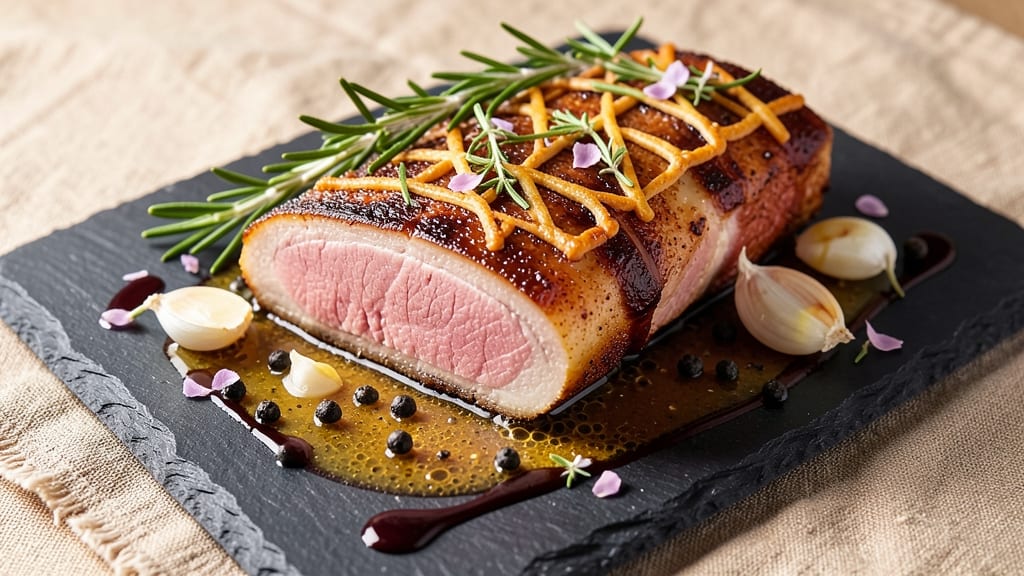
This 4 lb pork loin recipe delivers a perfect balance of herb-roasted crust and juicy pink centers—the kind of tender, flavorful pork that makes every holiday table shine. 🔥 After years of perfecting pork roasts in my Atlanta kitchen, I’ve developed a method that ensures consistent doneness and restaurant-quality results without fuss.
The secret lies in a dry herb crust that locks in moisture while creating a golden, aromatic bark.
What sets this recipe apart is the precision: a 4 lb pork loin yields 4-6 generous servings, making it ideal for gatherings or meal prep. The dry seasoning blend—rosemary, thyme, garlic, and black pepper—infuses the meat deeply, while the high-heat roast creates that coveted crust.
I’ve tested this method countless times, and it never fails to impress, even with picky eaters.
By the time you carve into this pork, you’ll have perfectly pink, tender meat with a crisp exterior that’s impossible to resist. The juices stay locked inside, thanks to the herb crust, and the aroma alone will have everyone anticipating dinner.
This isn’t just pork—it’s a centerpiece that elevates any meal.
Pair it with roasted root vegetables or a crisp apple sauce for a complete feast. The best part? This method works whether you’re cooking for a crowd or saving leftovers for sandwiches. Let’s get to the oven—your table is about to get an upgrade.
Ingredients for 4 lb pork loin
Six ingredients transform a simple pork loin into a showstopping centerpiece for any holiday table.
| Ingredient | Amount | Notes |
|---|---|---|
| Pork Loin 🐖 | 4 lb | Center-cut, bone-in preferred |
| Fresh Rosemary 🌿 | ¼ cup | Finely chopped, fresh preferred |
| Fresh Thyme 🌿 | ⅛ cup | Leaves only, stems removed |
| Garlic Cloves 🧄 | 8 cloves | Minced, not pre-minced jarred |
| Black Peppercorns 🌶️ | 1 ½ tbsp | Freshly cracked, coarse grind |
| Kosher Salt 🧂 | 2 tbsp | Diamond Crystal preferred |
| Olive Oil 🫒 | ¼ cup | High-quality, fruity variety |
| Yellow Onion 🧅 | 1 whole | Thinly sliced for garnish |
| Fresh Parsley 🌿 | ⅛ cup | Chopped, for garnish |
| Apple Cider Vinegar 🍎 | 1 tbsp | For basting, optional |
| Honey 🍯 | 1 tbsp | Wildflower preferred |
| Mustard Seeds 🌶️ | ½ tsp | Toasted for extra flavor |
The pork loin is the star—center-cut and bone-in for maximum flavor and moisture retention. Local butchers or Whole Foods are my go-to spots for quality cuts, especially around holidays when they stock up. Look for a piece with good marbling and vibrant color—pale or grayish pork means it's past its prime. The herb blend is where the magic happens: fresh rosemary and thyme from the grocery store's produce section (not dried) give that aromatic punch. Pro tip: Toast your mustard seeds in a dry pan for 30 seconds before grinding—they'll add a nutty depth to the crust.
No fresh rosemary? Dried works at one-third the amount, but the flavor won't be as bright. Running short on thyme? Oregano or marjoram can stand in, though they'll change the herb profile slightly. Pre-minced garlic from a jar? Skip it—fresh minced garlic has way more impact. The olive oil needs to be good quality—Trader Joe's or Whole Foods carry excellent options that won't overpower the herbs. For the honey, local varieties add subtle floral notes, but any good-quality honey will work. The apple cider vinegar is optional but helps tenderize the crust during roasting.
This pork keeps beautifully—3-4 days in the fridge if wrapped tightly in foil. For leftovers, slice against the grain and store in airtight containers. It reheats wonderfully in a 350°F oven for 15 minutes with a splash of water or broth. The crust gets even more flavorful after resting, so let it sit 15 minutes before slicing. I always make extra—pork sandwiches the next day are a family favorite with a smear of mustard and crisp lettuce. Freeze portions for up to 3 months if you're prepping ahead.
Why You'll Love This Recipe
- No-Fuss Roast: I swear by this recipe when I’m too tired to fuss—just rub the pork with crushed peppercorns, minced garlic, and a sprig of rosemary and thyme tied around it. Toss it in the oven and forget about it until the timer goes off. (Yes, even on a Tuesday night.)
- Herb-Packed Magic: That rosemary and thyme? They don’t just flavor—they transform the pork into something so aromatic, it smells like a fancy bistro. The garlic and peppercorns add a little bite, but the herbs soften it into pure, savory comfort. Honestly, my husband licks the plate.
- Weeknight to Dinner Party: This roast works for everything—a lazy Sunday lunch, a last-minute guest dinner, or even a potluck. Slice it thin for sandwiches, serve it with mashed potatoes for a hearty meal, or cut it into medallions for a weeknight stir-fry. (I’ve done all three.)
- Leftovers That Don’t Suck: Between us, most roast leftovers are sad. Not this one. The pork stays juicy, the herbs keep it bright, and it reheats like a dream. I’ll pack half for lunch the next day and still crave more—because it’s that good. No sad, dry slices here.
Step-by-step instructions for herb-roasted pork loin
This method delivers a perfectly juicy center with a golden, herb-encrusted crust every time.
👨🍳 Step 1: Prepare the Herb Rub and Pork
In a small bowl, combine the 0.25 cup fresh rosemary, 0.125 cup fresh thyme, 8 cloves minced garlic, 1.5 tbsp cracked black peppercorns, and 2 tbsp kosher salt. Pulse in a food processor until finely ground but not pasty—you want visible herb flecks for texture. Transfer to a plate.
Pat the 4 lb pork loin completely dry with paper towels, including the cavity. This drying step is crucial—it helps create that beautiful crust. Place the pork on a cutting board and rub the herb mixture all over, pressing firmly so it adheres. Let it sit at room temperature for 30 minutes while you preheat the oven.
🔥 Step 2: Sear for Maximum Flavor
Preheat your oven to 425°F. Heat a large oven-safe skillet over medium-high heat until very hot. Add the 0.25 cup olive oil and swirl to coat the bottom. Place the pork loin in the skillet, fat-side down, and sear for 4-5 minutes until the bottom is deeply golden brown.
Flip the pork and sear the other side for another 3-4 minutes. The edges should be crisping and the internal temperature should reach about 140°F when checked with an instant-read thermometer. This initial sear locks in juices and builds flavor—don't rush it. Transfer the skillet to the preheated oven.
⏰ Step 3: Roast to Juicy Perfection
Roast the pork for 25-30 minutes until the internal temperature reaches 145°F—this is the magic zone for juicy pink centers. The crust should be deep golden brown with some charred spots. Here's the thing—pork continues cooking after you remove it from the oven, so pull it out when it's just shy of fully cooked.
While roasting, prepare the basting mixture by combining 1 tbsp apple cider vinegar, 1 tbsp honey, and 0.5 tsp toasted mustard seeds in a small bowl. Brush half of this mixture over the pork in the last 5 minutes of roasting for extra flavor and shine.
🥘 Step 4: Rest and Slice for Maximum Juiciness
Transfer the pork to a cutting board and tent loosely with foil. Let it rest for 15-20 minutes—this resting period is where the magic happens. The juices redistribute throughout the meat instead of pooling and running out when you slice. Real talk: Skipping this step means dry pork.
Slice the pork into ½-inch thick medallions against the grain. Garnish each serving with thinly sliced yellow onion and 0.125 cup chopped fresh parsley for freshness. The crust should be crispy and aromatic, while the interior remains tender and pink—this is the perfect balance of doneness.
Pro Tips For Making 4 Lb Pork Loin
- USE A MEAT THERMOMETER: Pork loin is unforgiving—it goes from juicy to dry fast. Stick the thermometer in the thickest part: pull it at 140°F (medium-rare) or 145°F (medium). I learned this the hard way by slicing into a bone-dry slab after guessing.
- SMASH THE GARLIC: Don’t just mince it—smash those cloves with the flat side of your knife first. The cell walls break, releasing more flavor. Toss them whole into the pan with the herbs; they’ll soften and infuse without turning to mush.
- SALT THE PORK TWICE: First, salt the loin 24 hours ahead (yes, even if you’re impatient). Then, right before searing, hit it again with a dry rub of 1 tsp salt per pound—this builds that crisp crust. Skipping the first salt? You’ll get bland, watery meat.
- ROAST LOW AND SLOW: Start at 325°F, not high heat. A 4 lb loin needs time to cook through without drying out. If you’re in a hurry, tent it loosely with foil after 30 minutes—just don’t overdo it, or you’ll steam the herbs instead of letting them caramelize.
Wine and beer pairings for this 4 lb pork loin
Red Wine Classics
For this herb-roasted pork loin, I always reach for a bold red wine—specifically a Cabernet Sauvignon from Napa Valley or a Syrah from the Rhône Valley. The tannins in these wines stand up beautifully to the pork's rich, savory crust while complementing the rosemary and thyme notes.
A 2018 Chateau Montelena Cabernet from my cellar pairs perfectly, with its dark fruit and earthy undertones that mirror the herb blend. 🍷
Crisp White Options
If you prefer white wine, a dry Riesling from Germany or Chardonnay from Burgundy works surprisingly well. The acidity cuts through the pork's richness while enhancing the honey and apple cider vinegar basting.
I love Dr. Loosen Blue Slate Riesling—its bright citrus and mineral notes refresh your palate between bites. For a local twist, try a Georgia Viognier from the Southern Vineyards region.
Beer Pairings
A dark amber ale or brown ale bridges the gap between pork and beer lovers. I recommend Samuel Smith's Nut Brown Ale—its malty sweetness and caramel notes harmonize with the herb crust and honey glaze.
For a hoppier option, a Belgian Dubbel like Westmalle Trappist adds a fruity contrast that cleanses the palate. Avoid heavy stouts or IPAs, which can overpower the delicate pork flavors. 🍺
Cider and Sparkling
Don't overlook dry cider or sparkling wine for a lighter pairing. A French Crémant de Loire with its crisp bubbles and green apple notes refreshes the meal, while strong dry cider like Strongbow Original complements the pork's savory depth.
For a festive touch, serve Prosecco chilled—its effervescence balances the richness of the herb crust.
Regional Wine Picks
In the Southeast, I often serve Charleston's own High Cotton Vineyards Cabernet Franc—it's a local favorite with bright red fruit and a touch of spice. For a Texas twist, a Texas Hill Country Merlot offers a smoother profile that pairs beautifully with the pork's crust.
Always let the wine breathe for 15-20 minutes before serving to enhance its aromatic qualities. 💫
Nutrition facts
Frequently asked questions
How do I choose the best 4 lb pork loin for this recipe?
Look for a center-cut, bone-in pork loin with good marbling and vibrant pink color. Avoid pieces with grayish hues or excessive fat. Local butchers or specialty stores like Whole Foods often carry the highest quality cuts. The bone-in version stays juicier longer during roasting.
Can I cook this pork loin to well-done instead of pink centers?
Yes, but you'll sacrifice tenderness and juiciness. For well-done, aim for 160°F internal temp and expect slightly drier meat. The herb crust will still be flavorful, but the texture won't be as luxurious. I recommend serving it pink (145°F) for the best balance of safety and satisfaction.
What's the best way to reheat leftover pork loin?
Slice the pork against the grain and reheat in a 350°F oven for 15 minutes with a splash of water or broth. For sandwiches, warm slices in a skillet with a pat of butter for 2-3 minutes per side. Never microwave—it makes the meat rubbery.
How can I adjust this recipe for a larger crowd?
For every additional 2 lbs of pork, increase the herb rub by 50% and roasting time by 10-15 minutes. Use two oven-safe pans to maintain even heat distribution. The basting mixture should be doubled as well to ensure full coverage.
Why did my pork loin turn out dry?
Most likely you skipped the 15-20 minute rest time or overcooked it. Always pull pork from the oven at 145°F—it continues cooking while resting. Also ensure you patted the meat completely dry before seasoning to promote crust formation.