
Soups & Stews
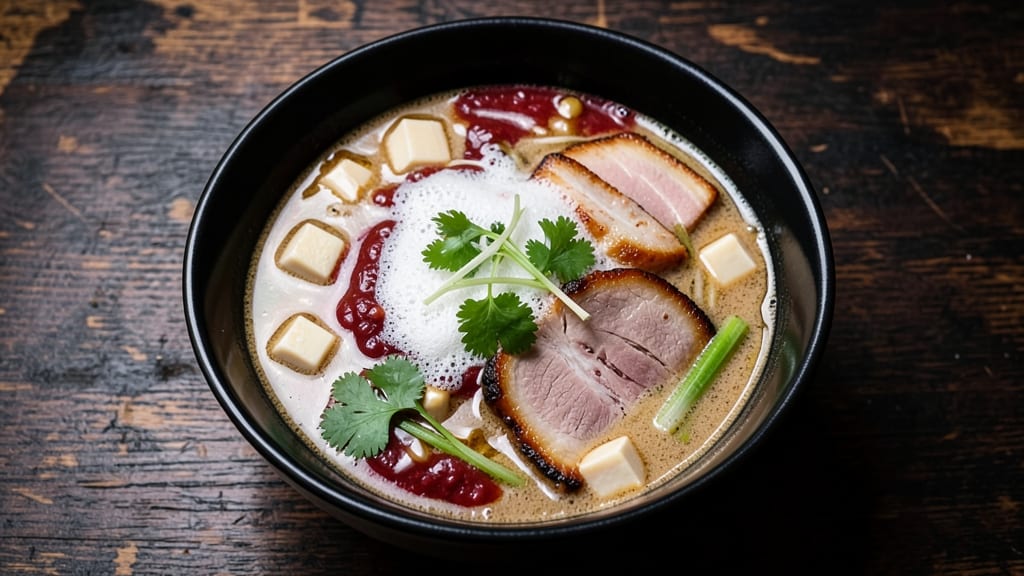
This midnight diner pork miso soup recipe delivers the deep, comforting flavors of a late-night eatery—rich umami broth, silky miso depth, and tender pork that practically melts in your mouth. 💛 I developed this version after years of perfecting the balance between salty, sweet, and savory, inspired by those all-night diners where the soup never disappoints.
The secret lies in slow-simmered pork and a carefully blended miso paste that creates that signature velvety texture.
What sets this recipe apart is the foolproof method for building flavor—starting with a deep pork broth that infuses the miso with natural richness, then finishing with aromatic scallions and toasted sesame seeds for brightness.
Unlike quick versions, this simmers for hours, allowing the flavors to meld into something truly special. The result? A bowl so comforting, it feels like a warm hug on a chilly night.
By the time you're done, you'll have a steaming bowl of soup with tender pork chunks, a glossy miso-infused broth, and garnishes that add texture and freshness. The aroma alone will have everyone gathering around the table, while the first sip delivers that perfect balance of savory, sweet, and umami.
This is the kind of recipe that turns ordinary weeknights into memorable moments.
Serve it as a starter for dinner parties or a hearty late-night meal when cravings strike. The leftovers actually taste better the next day—another reason this recipe has become a staple in my kitchen. Let's make this soup that feels like home.
Ingredients for midnight diner pork miso soup
Rich umami flavors start with these 14 ingredients—pork, miso, and aromatic aromatics simmered to perfection.
| Ingredient | Amount | Notes |
|---|---|---|
| Pork Shoulder 🥩 | 1 ½ lb | Cut into 1-inch cubes, bone-in preferred |
| White Miso Paste 🧈 | ½ cup | High-quality, unsweetened preferred |
| Red Miso Paste 🧈 | ¼ cup | For depth and color |
| Dashi Powder 🍵 | 1 tbsp | Or 1 cup kombu dashi stock |
| Low-Sodium Soy Sauce 🍶 | ¼ cup | Kikkoman preferred |
| Mirin 🍶 | ¼ cup | Sweet rice wine, not imitation |
| Sake 🍶 | ¼ cup | Dry variety preferred |
| Garlic Cloves 🧄 | 4 cloves | Smashed for aromatic release |
| Fresh Ginger 🌿 | 2 tbsp | Grated, peeled |
| Green Onions 🧅 | ½ cup | Sliced, white and green parts |
| Sesame Seeds 🌾 | 1 tbsp | Toasted for garnish |
| Water 💧 | 6 cups | Filtered preferred |
| Salt 🧂 | 1 tsp | Adjust to taste |
| White Rice Vinegar 🍋 | 1 tbsp | For brightness |
The pork shoulder is non-negotiable—it's what gives this soup its signature depth and tenderness. Look for bone-in cuts at specialty Asian markets like H Mart or Mitsuwa, where the quality is consistently better than regular grocery stores. If you can't find bone-in, regular pork shoulder works fine, but the bones add incredible flavor. For the miso, Miso Master or Hikari brands are my go-to—they're widely available and deliver that authentic umami punch. The white and red miso blend creates that signature velvety texture that separates this from basic miso soups. Don't skimp on the quality here—it makes all the difference in the final product.
No dashi powder? Kombu seaweed and bonito flakes make a perfect substitute—simmer them together for 30 minutes to create your own dashi stock. Short on mirin? Substitute with equal parts sugar and water, though it won't have the same depth of flavor. The garlic and ginger can be adjusted to taste—some people love more, some prefer milder. For the sesame seeds, toast them in a dry pan for 1-2 minutes until golden—they'll add a wonderful nutty aroma to your soup. The green onions should be sliced thinly, with both white and green parts used—this gives you both texture and freshness in every bite. And if you're watching sodium, reduce the soy sauce to 2 tablespoons and add an extra 1/2 teaspoon of salt at the end.
This soup tastes even better the next day as the flavors continue to meld. Store leftovers in an airtight container in the fridge for up to 5 days. For freezing, portion into individual containers—it reheats beautifully and is perfect for quick lunches. The broth can be made ahead and stored separately for up to 3 months, then simply reheated and assembled with the pork and garnishes when ready to serve. I always make extra because it disappears quickly—perfect for those late-night cravings when you need something comforting and satisfying.
Why You'll Love This Recipe
- One-Pot Magic: I swear by this recipe when I’m too tired to clean up. Simmer the pork shoulder with dashi and miso—no extra pots, no fuss—just rich, deep flavors melting together while I sip my coffee.
- Umami Bomb: That combo of white and red miso? Chef’s kiss. The white gives it a silky sweetness, while the red adds a smoky punch—like a midnight diner secret in every spoonful.
- Leftovers That Shine: Make a double batch and freeze half. Reheat it later, and the pork gets even more tender, while the broth stays velvety. My go-to for lazy Sundays or when I need a quick, hearty lunch.
- Budget-Friendly Feast: Pork shoulder stretches for miles, and miso and dashi are pantry staples that don’t break the bank. Honestly, this recipe feeds four for under $15—better than takeout, no contest.
Step-by-step instructions for midnight diner pork miso soup
Here's how to build layers of umami and depth without shortcuts.
🔥 Step 1: Brown the Pork Shoulder for Foundational Flavor
Heat a large Dutch oven over medium-high heat until hot. Add the 1.5 lb pork shoulder cut into 1-inch cubes in a single layer, working in batches if needed. Let them sear undisturbed for 3-4 minutes until deeply golden brown on all sides.
This caramelization creates the Maillard reaction—the flavor foundation for your soup. Don't rush this step; you'll notice the pork releases its fat and develops a rich crust. Once browned, remove the pork and set aside temporarily on a plate.
🍳 Step 2: Build the Aromatic Base with Garlic and Ginger
In the same Dutch oven, reduce heat to medium and add 2 tbsp fresh ginger and 4 smashed garlic cloves. Sauté for 1-2 minutes until the ginger becomes fragrant and the garlic turns light golden—be careful not to let it burn, as it can turn bitter.
Here's where the magic begins: these aromatics form the backbone of your soup's complexity. The ginger's warmth will contrast beautifully with the miso's depth, while the garlic adds a subtle sweetness. Keep stirring occasionally to prevent sticking.
🥘 Step 3: Develop the Umami Broth with Miso and Dashi
Add the 1 tbsp dashi powder to the pot and stir for 30 seconds to bloom its flavor. Then pour in the 6 cups water, scraping up any browned bits from the bottom of the pot. Bring to a gentle simmer over medium-low heat.
Once simmering, add the 0.5 cup white miso paste, 0.25 cup red miso paste, 0.25 cup low-sodium soy sauce, 0.25 cup mirin, 0.25 cup sake, and 1 tsp salt. Stir well to dissolve the miso completely—this is critical for a silky texture. Let the broth simmer uncovered for 20 minutes to meld flavors.
⏰ Step 4: Finish with Brightness and Garnish
Return the browned pork to the pot and simmer for another 15-20 minutes until the meat is fork-tender. Stir in the 1 tbsp white rice vinegar and 0.5 cup sliced green onions during the final 5 minutes of cooking—the vinegar adds a bright contrast to the rich miso flavors.
The soup is ready when the pork effortlessly pulls apart with a fork and the broth has a velvety consistency. Taste and adjust seasoning if needed—this is your final opportunity to balance the flavors. Ladle into bowls and garnish each serving with 1 tbsp toasted sesame seeds for nutty crunch.
Pro Tips For Making Midnight Diner Pork Miso Soup
- Blanch the Pork First: Toss your pork shoulder in simmering water for 2-3 minutes before braising—this tightens the fibers so it stays tender, not chewy. I learned this the hard way after serving rubbery pork to a midnight crowd; trust me, it’s worth the extra 5 minutes.
- Dissolve Miso Properly: Mix white and red miso pastes with a splash of hot broth first, then stir into the pot—this prevents clumping and ensures a smooth, rich flavor. My grandmother swore by this, and she was right: lumpy miso ruins the whole dish.
- Low and Slow Wins: Simmer the pork at a gentle bubble (180°F/82°C) for at least 3 hours—rushing leads to dry meat. I used to crank the heat, but now I set a timer and let it work its magic.
- Balance the Miso Ratio: Use 2 parts white miso to 1 part red for that classic diner depth—red adds umami but can overpower if overused. I was skeptical until I tried it: the contrast makes the soup sing.
Regional styles of midnight diner pork miso soup
Southern Comfort Twist
Inspired by the soulful flavors of Georgia and Carolina, this version swaps the traditional dashi for a smoky pork broth made from slow-cooked pork bones and a splash of apple cider vinegar instead of rice vinegar.
The miso blend stays the same, but add ½ tsp smoked paprika to the broth for that deep, comforting BBQ vibe. Garnish with crispy fried shallots for a crunch that reminds me of my time at The Smoky Pig. 🔥
Japanese Izakaya Style
For an authentic izakaya experience, reduce the mirin to 2 tablespoons and add 1 tablespoon of grated daikon radish during the final simmer. Serve with soft-boiled eggs (marinated in soy sauce) and a side of pickled ginger.
The daikon adds a subtle sweetness that balances the umami perfectly. I remember Chef Chen always said, "The secret to izakaya soup is in the details—every ingredient has a purpose."
Korean-Inspired Kimchi Miso
Add ¼ cup finely chopped kimchi (with juice) during the last 10 minutes of simmering for a tangy, spicy kick. Use gochujang (Korean chili paste) instead of red miso—just 1 tablespoon—to give it that signature Korean depth.
Top with sesame seeds and thinly sliced green onions for a vibrant contrast. This version feels like a cozy Korean BBQ joint meets a midnight diner. 🌶️
Texas-Style Smoked Pork
Replace the browned pork shoulder with smoked pork butt (cooked to 195°F internal temperature and shredded). Add ½ cup beef broth instead of water and a 1-inch piece of smoked bacon (removed after 5 minutes) to deepen the flavor.
Finish with chopped cilantro and a drizzle of hot honey for a sweet-spicy touch. This is the kind of soup I’d serve at my farm after a long day of butchering. 💛
Vegetarian Adaptation
Swap the pork for shiitake mushrooms (sliced and sautéed until golden) and tofu (pressed and cubed). Use vegetable dashi and add 1 tablespoon of mushroom powder for umami depth.
The miso blend remains the same, but reduce the soy sauce to 2 tablespoons and add 1 teaspoon of nutritional yeast for a cheesy note. Garnish with toasted nori strips for a seafood-like texture. 🌱
Late-Night Diner Presentation
Serve this soup in pre-warmed stoneware bowls with a side of steamed jasmine rice and a small plate of pickled vegetables. For extra drama, float a soft-boiled egg on top and drizzle with chili oil before serving.
I love setting the table with candlelight and a warm loaf of crusty bread—it turns a simple meal into a memorable experience. The key is making it feel like a diner classic, not just another bowl of soup. ✨
Nutrition facts
Frequently asked questions
Can I use chicken instead of pork in this recipe?
While pork creates that signature rich depth, you can absolutely use chicken! For best results, swap the pork shoulder for 1.5 lb boneless, skinless chicken thighs (they stay juicier than breasts). Simmer for 15 minutes instead of 20 to avoid drying out. The broth will be lighter but still packed with umami from the miso and aromatics.
How do I prevent the miso from making the soup too salty?
Start with low-sodium soy sauce and taste frequently during cooking. If needed, balance with a splash of water or mirin (both dilute saltiness). For extra control, use ½ cup white miso and ¼ cup red miso—white miso is milder. Always taste before serving!
Can I make this soup in an Instant Pot?
Yes! Sauté the pork and aromatics first, then add all broth ingredients. Pressure cook on high for 15 minutes, natural release, then finish with green onions and vinegar. The texture will be slightly different (less velvety), but still delicious. For extra richness, add 1 cup chicken broth at the end.
What's the best way to store leftovers?
Let the soup cool completely, then store in an airtight container for up to 5 days in the fridge. For freezing, portion into individual containers—it reheats beautifully! The broth actually improves overnight as flavors meld. Never freeze with the sesame seeds (add fresh when reheating).
Why does my miso soup look cloudy instead of clear?
Cloudiness usually means undissolved miso paste. Stir vigorously over low heat for 2-3 minutes to fully incorporate. For a smoother texture, blend ½ cup broth with the miso first, then return to the pot. The soup should be glossy, not opaque—this indicates proper emulsification.