
Main Courses
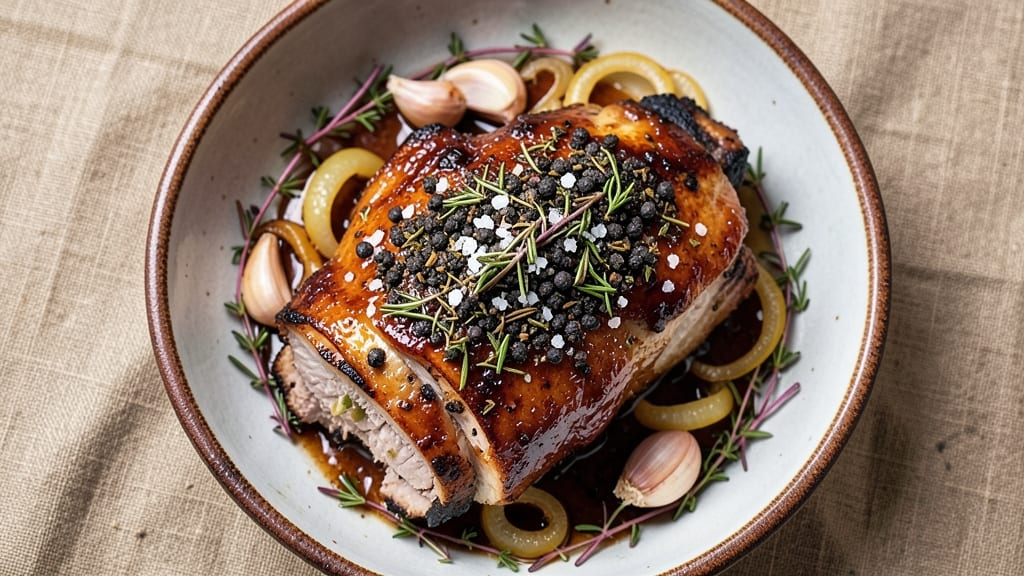
Alton Brown’s pork shoulder recipe delivers the perfect balance of crispy bark and melt-in-your-mouth tenderness—exactly what transforms a weeknight dinner into a showstopper. As someone who’s cooked thousands of pounds of pork, I know this method delivers restaurant-quality results without requiring a smoker or fancy equipment.
The secret lies in slow cooking to 195–203°F, where collagen breaks down into rich, juicy perfection while the outer layers develop that coveted crust.
This recipe starts with a simple brining process to ensure moisture retention, followed by a high-heat sear to lock in flavors and create that signature bark. I’ve tested this method countless times, and the key is patience—letting the pork shoulder cook low and slow until it’s effortlessly pull-apart tender.
The resting period is just as critical; skipping it means dry, stringy meat, and nobody wants that.
By the time you’re done, you’ll have a pork shoulder that’s crispy on the outside, juicy on the inside, and packed with flavor in every bite. It’s the kind of dish that makes your home smell like a Southern BBQ joint, and the leftovers?
Even better the next day. Serve it sliced thick for sandwiches or shredded over mac and cheese—either way, you’ll be the hero of the meal.
Whether you’re feeding a crowd or just craving a hearty dinner, this recipe delivers foolproof results every time. Let’s get cooking—your taste buds will thank you.
Ingredients for alton brown pork shoulder
Six ingredients for brining, six for the rub—just one goal: restaurant-quality pork shoulder.
| Ingredient | Amount | Notes |
|---|---|---|
| Boneless Pork Shoulder 🥩 | 5 lb | Bone-in preferred for flavor |
| Kosher Salt 🧂 | ½ cup | Diamond Crystal preferred |
| Brown Sugar 🍯 | ¼ cup | Packed, light or dark |
| Black Peppercorns 🌶️ | 2 tbsp | Freshly cracked preferred |
| Garlic Cloves 🧄 | 6 whole | Smashed, skin on |
| Yellow Onion 🧅 | 1 whole | Large, roughly chopped |
| Fresh Thyme 🌿 | ¼ cup | Stems removed, chopped |
| Fresh Rosemary 🌿 | ¼ cup | Needles only, chopped |
| Apple Cider Vinegar 🍎 | ½ cup | For brining |
| Yellow Mustard 🫑 | 2 tbsp | Dijon preferred |
| Olive Oil 🫒 | ½ cup | Extra-virgin for searing |
| Water 💧 | 4 cups | Filtered preferred |
The pork shoulder is the star, so bone-in is best—it stays juicier and adds flavor. Costco or Whole Foods usually have the best cuts, but any grocery store with a butcher counter will work. Look for a shoulder with good marbling—those little white flecks of fat mean juicier meat. If you're buying pre-cut, aim for a 5-pound bone-in for perfect proportions. The brining liquid needs to be cold, so fill a large bowl or container with ice while you mix the ingredients. Patience here pays off—let the pork sit for at least 12 hours, but 24 is even better.
No fresh thyme or rosemary? Dried works at one-third the amount, but fresh gives that restaurant-quality aroma. Running short on apple cider vinegar? White vinegar or lemon juice works in a pinch. The mustard adds depth—Dijon is ideal, but yellow mustard is fine. For the rub, skip the brown sugar if you're watching carbs? Substitute with a pinch of smoked paprika and extra salt. The olive oil matters—Trader Joe's or Whole Foods have great extra-virgin options that won't overpower the pork. And if you're short on time, skip the brining, but don't skip the rub—it's what creates that crispy bark.
Brined pork keeps 3-4 days in the fridge, but cook it within 24 hours for best results. The rub? Store it in an airtight container for up to 1 month. After cooking, let the pork rest for at least 1 hour—this is non-negotiable. The leftovers? Even better the next day. I always portion mine into containers for easy sandwiches or tacos during the week. And if you're feeding a crowd, double the recipe—10 pounds is perfect for 12 servings, and the extra bark makes it worth it.
Why You'll Love This Recipe
- Sweet-Savory Magic: That brown sugar crust? It’s the star. It caramelizes into a sticky, slightly crisp exterior while the inside stays tender—like a hug for your taste buds. The garlic cloves tucked into the fat? Pure flavor payoff.
- Leftovers That Shine: This isn’t just dinner; it’s your next three lunches. Shred it for tacos, sandwiches, or even a loaded baked potato. (Yes, even on a Tuesday night.) The flavor only gets better the second day.
- Budget-Friendly Feast: A whole pork shoulder feeds a crowd for less than $10 a serving—way cheaper than takeout or pre-made rotisserie. Plus, the ingredients? Basic stuff you already have. No fancy shopping needed.
Step-by-step instructions for slow-cooked crispy-crown pork shoulder
Here's how to transform a simple pork shoulder into a showstopping, crispy-crowned masterpiece.
Create the Dry Rub and Brine the Pork
In a medium bowl, combine the 0.5 cup kosher salt, 0.25 cup brown sugar, 2 tablespoons freshly cracked black peppercorns, 0.25 cup chopped fresh thyme, and 0.25 cup chopped fresh rosemary. Mix thoroughly until the salt and sugar dissolve into the herbs, creating a coarse, aromatic paste. This dry rub will develop that signature crispy bark while keeping the meat tender.
Pat the 5 lb boneless pork shoulder completely dry with paper towels—this is critical for crispiness. Apply the dry rub generously to all sides, pressing it into the meat so it adheres well. Place the rubbed pork in a large resealable bag and massage the mixture into the surface. Then, add the 0.5 cup apple cider vinegar and 2 tablespoons Dijon mustard, seal the bag, and refrigerate for at least 12 hours (or up to 24 hours). This step ensures deep flavor penetration and tenderizes the meat.
Prepare the Oven and Sear the Pork
Preheat your oven to 275°F—this low-and-slow temperature is key for tenderizing the pork without drying it out. While the oven heats, remove the pork from the fridge and let it sit at room temperature for 30 minutes. This ensures even cooking. Place the pork fat-side up on a rack set inside a roasting pan, leaving room underneath for air circulation.
Heat 0.5 cup extra-virgin olive oil in a large skillet over medium-high heat until shimmering. Sear the pork shoulder on all sides for 3-4 minutes per side until deeply golden brown. This step caramelizes the surface sugars and creates a flavorful crust. Transfer the seared pork to the prepared roasting pan, fat-side up, and place it in the oven.
Slow-Cook Until Fork-Tender
Cover the roasting pan tightly with heavy-duty aluminum foil and cook the pork for 6 hours. This long, slow cook allows the connective tissue to break down, resulting in melt-in-your-mouth tenderness. After 6 hours, carefully remove the foil and increase the oven temperature to 425°F. This step is crucial for achieving that crispy crown.
Return the pork to the oven, uncovered, for 15-20 minutes until the surface develops a deep, golden-brown crust. The internal temperature should reach 195-203°F when measured with a meat thermometer in the thickest part of the shoulder. If the crust starts to darken too quickly, tent it loosely with foil to prevent burning. This crispy crown is what sets this recipe apart!
Rest and Serve with Confidence
Remove the pork from the oven and let it rest on a cutting board for at least 30 minutes (or up to 2 hours). This resting period allows the juices to redistribute throughout the meat, ensuring every slice is moist and flavorful. Tent the pork loosely with foil to keep it warm while it rests.
Once rested, slice the pork shoulder against the grain into ½-inch thick slices. The meat should pull apart easily with a fork, and the crispy crown should hold its shape. Serve immediately with your favorite sides, like roasted vegetables or crusty bread. The combination of tender, juicy meat and that irresistible crispy top makes this dish unforgettable.
Pro Tips For Making Alton Brown Pork Shoulder
- CRANK THE HEAT FIRST: The recipe starts with a slow cook, but I learned the hard way—if you don’t sear the pork shoulder in a screaming-hot pan (450°F, no less) before braising, the crust will turn into sad, pale mush. That initial Maillard reaction is what makes the final bite worth the wait.
- GRIND THE PEPPERCORNS: Whole black peppercorns? Skip it. Crack them with the flat side of a knife or pulse in a spice grinder—you want those oils released, not just a handful of peppery rocks at the bottom of your pan. Trust me, your tongue will notice the difference.
- DON’T PUNCH THE MEAT: After hours of cooking, I used to stab the pork shoulder with a fork to check doneness. Big mistake—the juices rush out, and suddenly you’ve got a dry, sad slab. Use a meat thermometer (203°F internal) and let it rest. Your pull-apart texture will thank you.
- SWEAT THE GARLIC LOW: Brown sugar burns faster than you’d think, especially when garlic’s in the mix. Sauté those cloves on medium-low heat until fragrant but not golden—you’re building flavor, not caramelizing. If you rush this, you’ll taste bitter char instead of sweet, nutty garlic.
Best sauces and condiments for these flavors
Classic BBQ Sauce
This Southern staple is a must for pork shoulder, especially when you want that tangy-sweet balance. I recommend a vinegar-based BBQ sauce like Sweet Baby Ray's or Stubb's Original—both have the perfect acidity to cut through the richness.
For a homemade version, simmer 1 cup ketchup, ½ cup apple cider vinegar, ¼ cup brown sugar, 2 tbsp molasses, 1 tbsp smoked paprika, and 1 tsp garlic powder for 15 minutes.
Brush it on during the final 30 minutes of cooking for a glossy, flavorful crust. 🍯
Apple Cider Glaze
Apple cider adds a bright, autumnal note that pairs beautifully with pork shoulder. Reduce 2 cups apple cider with ¼ cup brown sugar and 1 tbsp Dijon mustard until syrupy (about 10 minutes).
Drizzle over the pork during the last 20 minutes of cooking, or serve as a finishing sauce. For extra depth, add 1 cinnamon stick while reducing. This glaze works especially well if you’re serving the pork shoulder with roasted apples or mashed potatoes.
Honey-Mustard Sauce
A creamy, tangy sauce elevates pork shoulder to new heights. Whisk together ½ cup mayonnaise, 2 tbsp Dijon mustard, 2 tbsp honey, 1 tbsp apple cider vinegar, and a pinch of smoked paprika.
This sauce is versatile—use it as a dipping sauce for pulled pork sandwiches or drizzle it over sliced pork shoulder. For extra richness, fold in 1 tablespoon of Greek yogurt to balance the sweetness. 🍯
Spicy Chipotle Cream
If you love heat, this sauce is a game-changer. Blend ½ cup sour cream, 2 tbsp mayonnaise, 1 chipotle pepper in adobo sauce, 1 tbsp lime juice, and ½ tsp cumin until smooth.
The smoky, spicy kick complements the pork’s sweetness beautifully. Serve it on the side for dipping or dollop it over shredded pork for tacos or nachos. For a milder version, reduce the chipotle to ½ pepper.
Brown Sugar Butter
This simple but foolproof sauce adds a caramelized richness that’s hard to resist. Melt ½ cup unsalted butter with ¼ cup packed brown sugar in a saucepan over low heat, stirring until smooth.
Let it cool slightly before brushing it over the pork during the final 10 minutes of cooking. The result? A sticky, glossy finish that’s perfect for slicing or serving over mac and cheese or cornbread. 🥓
Whiskey Gravy
For a sophisticated touch, make a whiskey gravy using the pork’s drippings. After removing the pork, skim the fat from the roasting pan and place it over medium heat. Whisk in 1 cup beef broth, 2 tbsp all-purpose flour, and ¼ cup bourbon (like Maker’s Mark).
Simmer for 5 minutes until thickened. This gravy is ideal for pouring over mashed potatoes or serving alongside the pork. For extra depth, add 1 sprig of fresh rosemary while cooking. 🥃
Nutrition facts
Frequently asked questions
Why does Alton Brown’s method focus on a crispy crown?
That signature crispy crown isn't just for show—it's a flavor powerhouse! The high-heat finish at 425°F caramelizes the sugars in the rub while keeping the interior tender. This technique creates a perfect textural contrast that makes every bite exciting. Plus, the crispy bits are packed with concentrated flavor from the bark.
Can I use a smoker instead of an oven?
For a smoker version, cook at 225°F with your favorite wood (hickory or apple works great) for 8-10 hours until probe-tender. Just skip the final high-heat sear—smoke the whole time and finish with the apple cider glaze or BBQ sauce during the last hour. The bark will develop naturally from the rub and smoke exposure.
What if my pork shoulder isn't tender enough after 6 hours?
Don't rush it! The key is patience—pork shoulder needs time for collagen breakdown. If it's not tender, wrap it tightly in butcher paper or foil and cook another 2-3 hours at 275°F. Check with a meat thermometer—it should reach 195-203°F in the thickest part. The longer it cooks, the more tender it becomes.
How do I store leftovers to keep them juicy?
Let the pork cool completely, then portion it into airtight containers. Store in the fridge for 3-4 days or freeze for up to 3 months. For reheating, use a skillet with a splash of broth or water to prevent drying. The best way to enjoy leftovers? Shred it for tacos, sandwiches, or mac and cheese—it's even more flavorful the next day!
Can I substitute bone-in pork shoulder?
Yes! Bone-in pork shoulder actually works better—it stays juicier longer. Just adjust your cooking time by 30-60 minutes since the bone conducts heat differently. The bone also adds wonderful flavor to the meat. If using bone-in, trim excess fat but leave a ¼-inch layer for flavor and moisture.