
Main Courses
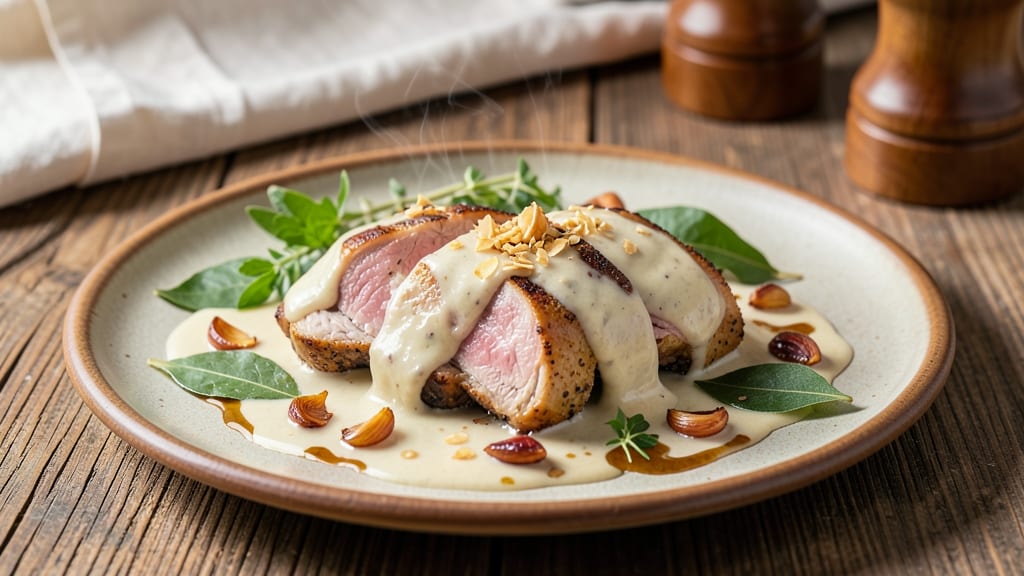
This Adobo sa Puti pork recipe delivers melt-in-your-mouth tenderness with a velvety coconut milk twist on the classic Filipino dish. ✨ The secret lies in balancing tangy white vinegar with creamy coconut milk, creating a sauce that clings to every shred of pork while keeping it impossibly juicy.
After years of perfecting adobo techniques in my kitchen, I've developed a method that respects tradition while making it accessible for home cooks.
The magic happens during the marinating and slow braising process, where the pork absorbs the bold flavors of garlic, soy sauce, and bay leaves while the coconut milk transforms into a rich, velvety sauce.
Unlike traditional adobo, this version incorporates coconut milk for a luxurious texture that still delivers that signature tangy-sweet balance. The result? Fall-apart pork with a sauce so creamy it'll have everyone asking for seconds.
What makes this recipe special is its versatility—serve it over steamed jasmine rice for a comforting meal, or pair it with atchara (Filipino pickled papaya) for a pop of bright acidity.
The dish is hearty enough for family gatherings but simple enough for a weeknight dinner. With just a few pantry staples and patience, you'll achieve restaurant-quality results that taste like home.
This method ensures tender, juicy pork that practically falls apart at the touch, all while maintaining that essential adobo tang. The coconut milk adds depth without overpowering the dish's classic flavors, making it a crowd-pleaser that bridges tradition and modern tastes. Let's get cooking—your taste buds will thank you.
Ingredients for adobo sa puti pork
Creamy coconut milk and tangy vinegar transform simple pork into restaurant-quality shreds.
| Ingredient | Amount | Notes |
|---|---|---|
| Pork Shoulder 🥩 | 3 lb | Bone-in for best flavor |
| Coconut Milk 🥥 | 2 cans | Full-fat, 13.5 oz each |
| White Vinegar 💧 | ½ cup | Distilled preferred |
| Soy Sauce 🍶 | ½ cup | Light or regular |
| Garlic Cloves 🧄 | 8 cloves | Minced for marinade |
| Bay Leaves 🌿 | 4 whole | Fresh or dried |
| Olive Oil 🫒 | 2 tbsp | Extra-virgin for richness |
| Brown Sugar 🍚 | ¼ cup | Packed firmly |
| Black Peppercorns 🌶️ | 1 tsp | Crushed lightly |
| Onion 🧅 | 1 whole | Yellow, sliced |
| Salt 🧂 | 1 tsp | Kosher or sea salt |
| Jasmine Rice 🍚 | 2 cups | Uncooked, for serving |
| Fresh Ginger 🌿 | 1 tbsp | Grated, optional |
The pork shoulder is the star—bone-in stays juicier during long cooking. Costco or Trader Joe's usually have great deals on this cut, but any grocery store will work. Look for good marbling (white fat streaks) to ensure tenderness. If you can't find bone-in, use boneless but add 10 extra minutes to cooking time. The coconut milk? Thai Kitchen brand is my go-to—it's affordable and full-fat, which matters here for that velvety sauce. Skip the light version, trust me on the full-fat.
No full-fat coconut milk? Heavy cream plus 1 tbsp cornstarch mimics the texture (mix well first). White vinegar too strong? Apple cider vinegar at half the amount softens the tang. Fresh ginger missing? Ground ginger at one-third the amount works, but the fresh version adds real depth. The soy sauce can be swapped for tamari for gluten-free, and if you're short on garlic, garlic powder at one-quarter the amount is fine—just know it won't be as aromatic. Brown sugar substitutes? Coconut sugar or honey (if not vegan) both work, but brown sugar's molasses notes are traditional here.
This dish tastes even better the next day—plan ahead! Store leftovers in the fridge for up to 5 days, or freeze for 3 months (sauce separates but mixes right back up). The rice? Cook it fresh the day you serve—leftover rice gets gummy when reheated with the pork. For meal prep, portion the pork into containers with a splash of sauce to keep it moist. If you make extra sauce, freeze it in ice cube trays for quick future use—just thaw and warm through.
Why You'll Love This Recipe
- One-Pot Magic: Honestly, I swear by this recipe because it’s all in one pot—no chopping mountains of veggies, no messy sauces to whisk separately. Just pork, coconut milk, vinegar, and garlic simmering together until the meat falls apart like it’s been slow-cooked for hours (but it’s not).
- Tangy Creamy Bliss: That balance of vinegar’s sharp bite and coconut milk’s richness? It’s ridiculously good. The soy sauce ties it all together with this deep, savory punch—like a hug for your taste buds, but better because it’s edible.
- Budget Meal That Feeds: Pork shoulder is cheap, and a can of coconut milk stretches this into a full meal for four (or five if someone’s extra hungry). I’ll be real: it’s my go-to for lazy Sundays or when I’m pinching pennies but still want something that feels special.
Step-by-step instructions for adobo sa puti pork
Here's how to transform tough pork shoulder into melt-in-your-mouth shreds with a rich, creamy coconut sauce.
🔥 Step 1: Sear the Pork Shoulder for Maximum Flavor
Pat the 3 lb pork shoulder dry with paper towels—this helps the seasoning stick and creates a better sear. Heat 2 tbsp olive oil in a large Dutch oven over medium-high heat until shimmering. Place the pork in the pot, fat-side down, and sear undisturbed for 8-10 minutes until a deep golden-brown crust forms.
Flip the pork and sear the other side for another 8-10 minutes. This step builds flavor through the Maillard reaction—the chemical process that creates that irresistible aroma. While the pork sears, keep the heat steady so it develops that perfect crust without burning. You'll know it's ready when the exterior releases easily from the pan.
👨🍳 Step 2: Build the Marinade and Simmer the Pork
Remove the pork from the pot and set it aside. In the same Dutch oven, add 1 whole sliced onion, 8 cloves minced garlic cloves, 1 tbsp grated fresh ginger, 4 whole bay leaves, 1 tsp crushed black peppercorns, 1 tsp salt, and 0.25 cup packed brown sugar. Sauté for 3-4 minutes until the onions soften and the aromatics become fragrant.
Pour in 0.5 cup white vinegar and 0.5 cup soy sauce, scraping up any browned bits from the bottom of the pot. These bits pack serious flavor—don't miss this step! Return the pork to the pot, then add 2 cans coconut milk. The mixture should come about halfway up the sides of the pork. Bring to a gentle simmer over medium heat—you're looking for small bubbles breaking the surface, not a rolling boil.
⏰ Step 3: Slow-Cook Until Fork-Tender
Cover the pot and transfer it to a 325°F oven (or use a stovetop if you prefer). Here's the magic: cook the pork for 3-4 hours until it shreds easily with two forks. The sauce should reduce slightly, becoming thick and creamy—this is where the "puti" (white) comes from, thanks to the coconut milk.
I check for doneness by inserting a meat thermometer into the thickest part of the pork. It should read 203-205°F—this ensures it's tender but not falling apart. If the sauce looks too thin, uncover and simmer for another 15-20 minutes to thicken it up. The pork is ready when you can pull it apart with minimal effort, and the sauce clings beautifully to every strand.
🍽️ Step 4: Shred and Serve Over Jasmine Rice
Remove the pork from the pot and transfer it to a clean cutting board. Let it rest for 10 minutes before shredding—this allows the juices to redistribute, keeping every bite moist. Using two forks, pull the pork apart against the grain into ¼-inch thick shreds. Discard the bay leaves and any large onion pieces that didn't break down.
Return the shredded pork to the pot and stir to coat it in the creamy sauce. Serve immediately over 2 cups cooked jasmine rice, spooning generous amounts of that rich coconut sauce on top. The rice soaks up the flavor beautifully, creating a harmonious balance between the tender pork and the creamy, slightly sweet sauce. Garnish with extra black pepper if you like!
Pro Tips For Making Adobo Sa Puti Pork
- Simmer Slow and Steady: Once the pork shoulder hits the pot with vinegar and soy sauce, don’t rush the simmer—keep it at a gentle bubble, not a rolling boil. I learned this the hard way when my first batch turned out mushy because I cranked the heat too high; the collagen needs time to break down properly.
- Char the Garlic First: Toast your garlic cloves in a dry pan until fragrant and golden before adding them to the coconut milk. This adds depth of flavor that raw garlic can’t match—plus, it prevents that bitter aftertaste some people get when cooking garlic directly in the adobo.
- Balance the Vinegar: Start with half the vinegar called for, taste the sauce, then add the rest gradually. Too much upfront makes the dish harsh; too little leaves it bland. I now keep a small cup aside to adjust as I go, especially if using thicker cuts of pork.
- Use Full-Fat Coconut Milk: Skip the light version—full-fat coconut milk gives the sauce richness and helps the pork stay tender. If you’re in a pinch, blend canned coconut milk with a splash of heavy cream, but don’t skip the fat entirely. The texture and flavor won’t be the same.
Perfect pairings for adobo sa puti pork
Filipino Side Dish Pairings
Serve your adobo sa puti over steamed jasmine rice—it's the classic pairing that soaks up the creamy sauce perfectly. For extra authenticity, add a side of atchara (Filipino pickled papaya)—its tangy crunch cuts through the richness.
I keep a jar of atchara in my fridge year-round; Filipino Fiesta Market sells great quality. 🥥
Vegetable Complements
Sautéed garlic green beans with a sprinkle of toasted sesame seeds add freshness and texture. For a heartier meal, serve with stir-fried bok choy or sambal (Filipino chili sauce) on the side. My go-to is quick-pickled cucumbers with a splash of rice vinegar and a pinch of sugar. 🥬
Beverage Recommendations
A cold San Miguel beer (the Filipino classic) balances the dish's richness perfectly. For non-alcoholic options, try calamansi juice—its citrusy tang cleanses the palate. I also love iced barako coffee (Filipino robusta blend) for a bold contrast. 🍺
Dessert Pairings
Finish with halo-halo (Filipino shaved ice dessert) for a sweet contrast. The creamy pork's richness pairs beautifully with the tropical flavors. For something simpler, serve ube halaya (purple yam jam) with steamed rice. My family always saves room for this—it's a must after a big meal. 🍧
Regional Variations
In the Visayas region, they often serve adobo with sinigang (sour tamarind soup) for a tangy contrast. Meanwhile, Bicolanos might add bagoong (fermented shrimp paste) to the sauce. For a Southern touch, I sometimes add collard greens cooked with bacon—it's a fusion I love. 🗺️
Nutrition facts
Frequently asked questions
Why does this recipe use coconut milk instead of traditional vinegar?
This version keeps the classic adobo tang while adding creamy richness from coconut milk. The "puti" (white) in "adobo sa puti" refers to the lighter color and texture created by coconut milk, which balances the vinegar's sharpness. It's a modern twist that makes the dish extra velvety while staying true to Filipino flavors.
Can I substitute bone-in pork shoulder with another cut?
Yes! Use pork butt or pork picnic shoulder as direct swaps—they're essentially the same cut. For boneless options, try pork loin (but reduce cooking time by 30 minutes) or pork shoulder roast. The bone-in version stays juicier longer, but boneless works if you adjust the time carefully.
What's the best way to thicken the sauce if it's too thin?
Simmer uncovered for 15-20 minutes to reduce naturally. For extra thickness, mix 1 tbsp cornstarch with 2 tbsp cold water, stir into the sauce, and cook for 3-5 minutes until it gels. Avoid flour—it can make the sauce cloudy. The coconut milk should create a natural creaminess without needing thickeners.
How do I make this recipe faster without sacrificing tenderness?
Use a pressure cooker instead of oven braising: sear the pork as directed, then cook with all ingredients on high pressure for 50 minutes (release pressure naturally). For stovetop, simmer covered for 2-2.5 hours instead of 3-4. The pork will still be tender, just with less hands-off time.
Can I make this dish in a slow cooker?
Sear the pork first, then combine all ingredients in your slow cooker and cook on low for 7-8 hours or high for 4-5 hours. The slow cooker's gentle heat mimics oven braising perfectly. Just stir occasionally to prevent sticking, and add extra coconut milk if needed to keep the pork submerged.