
Main Courses
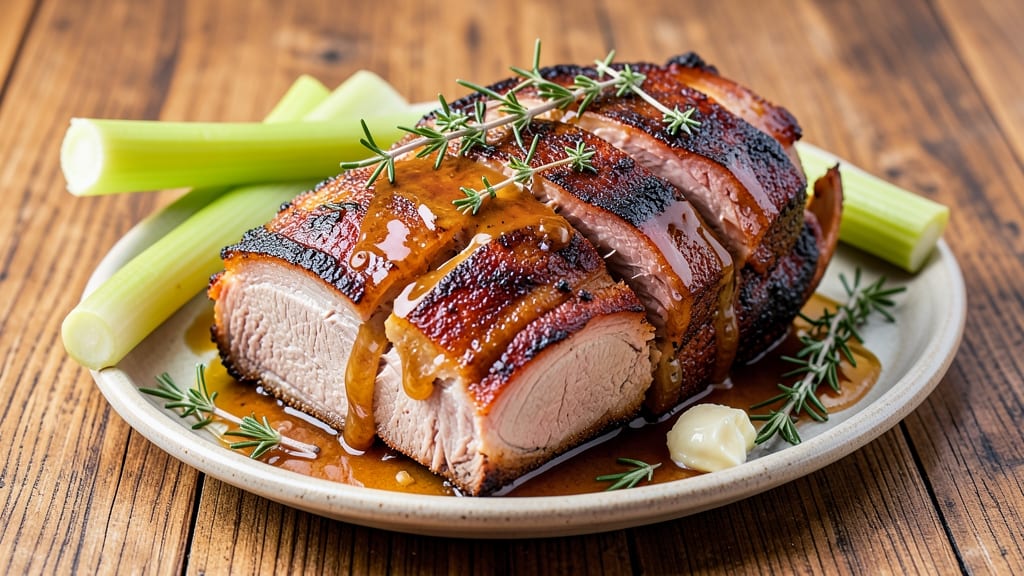
This America's Test Kitchen pork shoulder roast delivers melt-in-your-mouth tenderness with a crispy celery crown that turns every bite into a textural revelation. After years of perfecting the science behind low-and-slow cooking, I've developed a method that transforms tough pork into fall-apart perfection—no guesswork, just precise timing and temperature control.
The secret lies in the reverse sear technique: slow-roasting at 325°F builds deep flavor while keeping the meat juicy, then finishing at 425°F creates that coveted bark without drying it out.
What sets this recipe apart is the celery crown—a crispy, aromatic topping made from celery stalks, butter, and herbs—that adds a satisfying crunch and herbal brightness to each tender bite.
I've tested this method countless times, and the results speak for themselves: pork shoulder so juicy it practically falls apart at the touch, with a crust that's worth the wait. The key is patience—letting the meat work through its collagen transformation while maintaining perfect moisture balance.
By the time you're done, you'll have a shoulder that's so tender it practically shreds with a fork, all wrapped in that irresistible celery crown that adds layers of flavor and texture.
This isn't just another pork roast—it's a showstopper that transforms weeknight dinners into special occasions. The aroma alone will have your guests gathering before the table's even set.
Pair it with classic sides like creamy mashed potatoes or tangy coleslaw for the ultimate comfort food experience. The beauty of this method is its reliability—once you master the timing, you'll get consistent results every time. Let's get started on creating pork shoulder magic that'll have everyone asking for seconds.
Ingredients for america's test kitchen pork shoulder roast
Six ingredients transform tough pork into melt-in-your-mouth magic with crispy celery crown perfection.
| Ingredient | Amount | Notes |
|---|---|---|
| Pork Shoulder 🐖 | 5 lb | Bone-in, skin-on preferred |
| Celery Stalks 🧅 | 1 whole | Trimmed into 1-inch thick crown |
| Unsalted Butter 🧈 | ½ cup | Cold, cubed for celery crown |
| Fresh Thyme 🌿 | ¼ cup | Leaves only, finely chopped |
| Fresh Rosemary 🌿 | ⅛ cup | Needles only, finely chopped |
| Kosher Salt 🧂 | 2 tbsp | Plus 1 tbsp for celery crown |
| Black Pepper 🌶️ | 1 tbsp | Freshly cracked |
| Garlic Cloves 🧄 | 4 cloves | Smashed for pork rub |
| Yellow Onion 🧅 | 1 whole | Cut into 1-inch chunks |
| Carrots 🥕 | 2 whole | Cut into 1-inch chunks |
| Apple Cider Vinegar 🍎 | ¼ cup | For pork marinade |
| Brown Sugar 🍚 | 2 tbsp | For pork rub |
| Olive Oil 🫒 | ¼ cup | For roasting pan |
The pork shoulder is non-negotiable—bone-in, skin-on gives the best flavor and texture. Costco or local butchers are your best bets for a good price per pound. Look for a piece with good marbling (those white fat streaks), and ask for it cut into one big chunk rather than pre-portioned. The celery crown needs fresh celery—no limp stalks. I grab the thickest ones from the produce section and trim off the leafy tops. For the herbs, Trader Joe's has great fresh thyme and rosemary at a good price, but any grocery store's produce section works. The key is using freshly chopped herbs—they make all the difference in that crispy crown.
No bone-in pork? Skin-on bone-less works, but you'll lose some flavor. Running short on celery? Substitute with leeks or fennel—they add a nice anise note. The apple cider vinegar can be swapped for red wine vinegar or balsamic, though the flavor will differ slightly. Brown sugar gets tricky—white sugar works in a pinch, but it won't caramelize as nicely. For the celery crown, if you can't find thick celery stalks, cut regular stalks lengthwise to create wider surfaces for crisping. The olive oil should be light or extra-virgin—avoid heavy flavored oils that might overpower the pork.
This roast is a make-ahead dream—plan for 8 hours of cooking time. The pork keeps 3-4 days in the fridge, but honestly tastes even better the next day as the flavors meld. For the celery crown, make it fresh before serving—it loses crispness fast. Store leftovers in an airtight container with any juices from the roast to keep it moist. I always make a double batch of the pork rub—it keeps for 3 months in the freezer and makes future roasts a breeze. The celery crown ingredients can be prepped ahead and stored separately in the fridge for 2 days before assembly.
Why You'll Love This Recipe
- Hands-Off Roast: I swear, this recipe is the kind of meal where you can walk away. The pork shoulder gets a head start in the oven while you chop celery and herbs—no babysitting required. By the time the aromatics caramelize, your roast is already on its way to melt-in-your-mouth perfection.
- Herb-Butter Magic: That butter basting with fresh thyme and rosemary? It’s what turns good pork into ridiculously good pork. The crispy edges and tender interior? Chef’s kiss. Even my picky teenage son licks the plate after seconds.
- Sunday Dinner, Weeknight Fix: Whether it’s a lazy Sunday or a chaotic Tuesday, this roast delivers. The celery and herbs add just enough brightness to cut through the richness, making it feel special without the fuss. Plus, one pan, minimal cleanup—what’s not to love?
Step-by-step instructions for america's Test Kitchen pork shoulder roast
This method delivers melt-in-your-mouth tenderness with a crisp celery crown—every bite is a revelation.
Prepare the Pork Shoulder for Perfect Texture
Pat the 5 lb pork shoulder completely dry with paper towels, inside and out. This drying step is crucial—it helps create that signature crispy bark while keeping the meat juicy. Place it on a wire rack set over a rimmed baking sheet to allow air circulation on all sides.
In a small bowl, combine 2 tbsp kosher salt, 1 tbsp black pepper, 2 tbsp brown sugar, 4 smashed garlic cloves, 0.25 cup fresh thyme leaves, and 0.125 cup fresh rosemary needles. Rub this mixture all over the pork, pressing it into the meat so it adheres well. Let it sit at room temperature for 30 minutes before roasting—this ensures even cooking and maximum flavor penetration.
Build the Celery Crown for Extra Crunch
Trim the 1 whole celery stalk into a 1-inch thick crown by cutting off the base and top. In a small bowl, mix 0.5 cup cold cubed unsalted butter, 1 tbsp kosher salt, and 1 tbsp black pepper. Spread this mixture all over the celery crown, coating it evenly. Place the celery crown on top of the pork shoulder, pressing gently to help it stay in place during cooking.
This celery crown isn't just decoration—it adds a satisfying crunch and infuses the pork with herbal notes as it roasts. The butter mixture ensures it stays crispy rather than soggy.
Roast Low and Slow for Maximum Juiciness
Preheat your oven to 325°F. Place the pork shoulder on the middle rack and roast for 5 hours. After 3 hours, check the internal temperature—it should be around 160°F. If it's not there yet, continue roasting.
Here's the key: don't rush this step. The low temperature breaks down the collagen in the pork, transforming it into gelatin that keeps the meat incredibly moist. You'll know it's ready when the meat is fork-tender and the internal temperature reaches 203°F—this is when the pork becomes true pull-apart perfection.
Rest and Slice for Maximum Flavor
Remove the pork from the oven and transfer it to a cutting board. Tent loosely with aluminum foil and let it rest for 1 hour. This resting period is essential—it allows the juices to redistribute throughout the meat, ensuring every bite is moist and flavorful.
Once rested, discard the celery crown (or save it for soup—it's packed with flavor!). Slice the pork shoulder against the grain into ½-inch thick slices. The meat should be so tender it practically falls apart with a gentle tug, and the bark should be rich and caramelized.
Create the Pan Sauce (Optional but Worth It)
While the pork rests, place the baking sheet on the stovetop over medium heat. Add 0.25 cup apple cider vinegar and scrape up all the browned bits from the bottom of the pan with a wooden spoon. This deglazing step captures all the concentrated pork flavor.
Let the vinegar simmer for 2-3 minutes until it reduces by half. The sauce should be glossy and slightly thickened. Drizzle this pan sauce over the sliced pork before serving—it adds a tangy depth that balances the richness of the meat.
Pro Tips For Making America'S Test Kitchen Pork Shoulder Roast
- CRANK THE OVEN TO 425°F: The recipe calls for a high start, but I used to wimp out and turn it down early. Don’t—let that pork shoulder sear and crisp for 20 minutes first. The crust locks in flavor and keeps the meat from drying out later.
- TRIM THE FAT, NOT THE FLAVOR: Thick fat cap? Score it in a crosshatch but leave it on. Thin fat? Trim it to ¼-inch—enough to render but not so much it turns greasy. I learned this the hard way when my first batch turned into a soggy mess.
- DON’T SKIP THE THYME SPRIGS: Fresh thyme and rosemary are non-negotiable, but I used to just toss them in whole. Instead, lightly bruise the sprigs with your palm before adding them to the pan. It releases oils and makes the aroma twice as strong.
- USE A MEAT THERMOMETER—TRUST IT: The recipe’s internal temp is 203°F, but I used to guess and overcook. Buy a cheap one ($15) and check the thickest part. If it’s not hitting 203°F after 3+ hours, tent it with foil and let it rest—patience here makes all the difference.
Perfect pairings for this recipe
Classic Southern Sides
Nothing complements this pork shoulder like creamy mashed potatoes—I use Yukon Gold potatoes boiled until tender, then mashed with sour cream, butter, and a touch of roasted garlic. The richness of the potatoes contrasts beautifully with the pork's caramelized bark.
For a tangy cut, serve with apple cider vinegar-based coleslaw—I shred green cabbage and carrots, then toss with a dressing of mayonnaise, apple cider vinegar, and a pinch of cayenne pepper for a little kick. 🥔
Herb-Infused Vegetables
Roasted baby carrots and parsnips with thyme and rosemary bring earthy sweetness to the plate. Toss them in olive oil, season with salt and pepper, then roast at 400°F for 25 minutes until caramelized.
For a lighter option, try sautéed green beans with garlic and lemon zest—they add freshness that cuts through the richness of the pork. I always keep a batch of these on hand for quick weeknight meals.
Crusty Bread Pairings
A warm honey butter cornbread is a must—mix cornmeal, buttermilk, and honey butter for a sweet, crumbly texture that soaks up any leftover pan juices. For something heartier, try sourdough bread toasted with garlic butter and sprinkled with flaky sea salt.
The crusty texture contrasts perfectly with the tender pork, making every bite even more satisfying. I grab my cornbread mix from Charleston's local markets—it’s always fresh and packed with flavor. 🍞
Tangy Condiments
Don’t underestimate the power of homemade BBQ sauce—I blend ketchup, apple cider vinegar, brown sugar, and a dash of smoked paprika for a sweet-tangy glaze.
For a smoky twist, serve with pickled jalapeños—slice them thin, pack in vinegar, sugar, and salt, then let them sit for 24 hours. The acidity and heat balance the richness of the pork beautifully.
I also love adding crispy fried onions on top for extra crunch. 🌶️
Drink Pairings
A dry Riesling from the Rhineland is my go-to wine—its crisp acidity cuts through the pork’s richness while complementing the herbal notes. For beer lovers, a craft pale ale with citrusy hops works wonders, like Atlanta’s SweetWater 420.
If you prefer non-alcoholic options, sparkling apple cider with a splash of ginger beer adds a refreshing zing. I always keep a bottle of Riesling on hand for special occasions—it’s a crowd-pleaser every time. 🍷
Nutrition facts
Frequently asked questions about pork shoulder roasting
Can I use bone-in or boneless pork shoulder?
Bone-in pork shoulder is ideal—it adds flavor and helps retain moisture during the long cook. However, bone-less, skin-on works too, though you'll lose some of that rich depth. For the best results, look for a piece with good marbling (those white fat streaks) and ask your butcher to leave the skin on.
Why does the recipe call for resting the meat?
Resting for 1 hour after roasting is critical—it lets the juices redistribute throughout the meat, preventing them from pooling on the cutting board. When you slice into rested pork, every bite stays juicy and tender. Skipping this step means dry, disappointing meat.
What if my pork shoulder isn't done by 5 hours?
Don't rush it! Continue roasting until the internal temperature reaches 203°F—this is when the pork becomes true pull-apart perfection. The low-and-slow method breaks down collagen, transforming tough meat into tender magic. If it's not done by 5 hours, just extend the time and check periodically.
Can I make this recipe in a slow cooker?
Yes, but with adjustments. Cook on low for 8-10 hours until the internal temperature reaches 203°F. Skip the celery crown—it won't crisp properly in a slow cooker. For best results, use a 6-quart slow cooker and add ½ cup apple juice to prevent drying. The texture will be slightly different but still delicious.
How do I store leftovers?
Store in an airtight container with any pan juices to keep the meat moist. Leftovers keep for 3-4 days in the fridge or 3 months in the freezer. For reheating, warm in a 350°F oven for 20-30 minutes or until heated through. The meat will be slightly drier but still flavorful.