
Main Courses
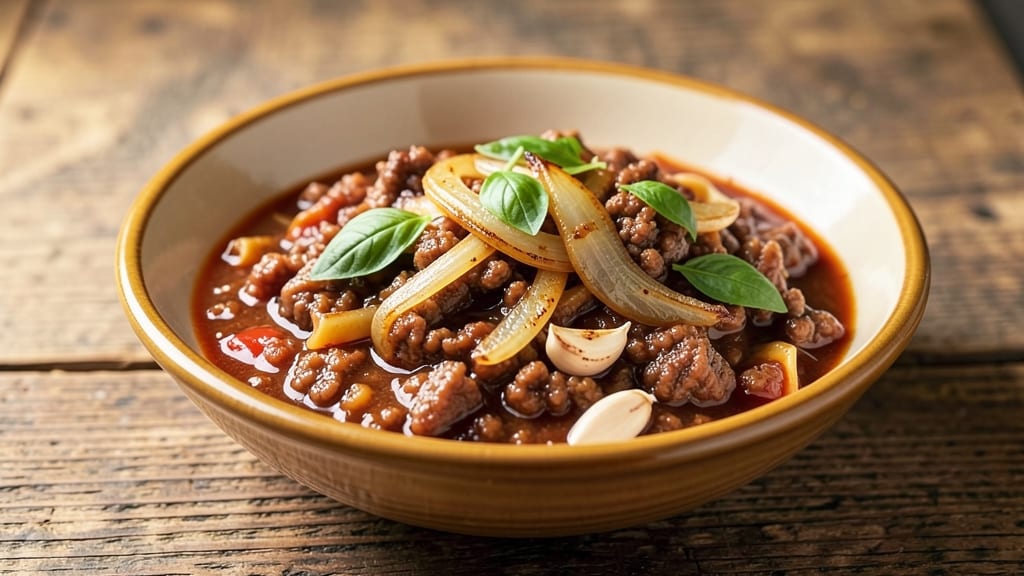
This minced pork ragu recipe delivers the kind of slow-simmered richness that transforms simple ingredients into something extraordinary. 🌟 The secret lies in proper browning—searing the pork until deeply caramelized—and letting it develop layers of umami through hours of gentle simmering.
I've perfected this technique over years of working with pork, ensuring every bite carries that perfect balance of savory, sweet, and tangy notes.
The foundation begins with onions and garlic cooked until translucent, then deglazed with wine to dissolve those precious browned bits. Adding crushed tomatoes and broth creates the base, while herbs like rosemary and thyme infuse depth.
The long simmer breaks down the pork into tender, melt-in-your-mouth pieces that cling to pasta or polenta like liquid gold.
What you'll end up with is a ragu so flavorful it tastes like it simmered all day—even if you cut the time. The texture is velvety yet substantial, with pork pieces that practically dissolve on your tongue.
This is comfort food at its finest, elevated by professional techniques that anyone can master.
Serve over al dente pasta, creamy polenta, or crusty bread to soak up every last drop. Garnish with fresh basil and grated Parmesan for that final touch of restaurant-quality elegance. The variations are endless—mushrooms add earthiness, bell peppers bring sweetness, or a splash of cream adds luxurious richness.
Ingredients for minced pork ragu
The perfect balance of savory, sweet, and umami—just 14 ingredients for restaurant-quality ragu.
| Ingredient | Amount | Notes |
|---|---|---|
| Minced Pork 🥩 | 1 ½ lb | Ground pork, not pre-seasoned |
| Yellow Onion 🧅 | 1 whole | Finely chopped, about 1.5 cups |
| Garlic Cloves 🧄 | 4 cloves | Minced, about 2 tsp |
| Dry Red Wine 🍷 | ½ cup | Bold variety like Cabernet |
| Crushed Tomatoes 🍅 | 14 ½ oz | San Marzano preferred |
| Beef Broth 💧 | 1 ½ cups | Low-sodium preferred |
| Olive Oil 🫒 | ¼ cup | Extra-virgin for richness |
| Fresh Rosemary 🌿 | ¼ cup | Chopped, about 1 tbsp |
| Fresh Thyme 🌿 | ¼ cup | Chopped, about 1 tbsp |
| Salt 🧂 | 1 ½ tsp | Diamond Crystal kosher |
| Black Pepper 🌶️ | ½ tsp | Freshly ground |
| Tomato Paste 🍅 | 2 tbsp | Squeeze tube preferred |
| Parmesan Cheese 🧀 | ¼ cup | Freshly grated, for serving |
| Fresh Basil 🌿 | 0.2 cup | Chopped, for garnish |
The pork is everything here. Ground pork (not pre-seasoned) gives you that authentic texture—avoid lean ground pork, which dries out. Look for 80/20 fat ratio at the meat counter, or grab pre-minced pork from the butcher section. Costco or Whole Foods usually have the best quality, but your local grocery store's ground pork works fine if it's fresh. The onions and garlic are your flavor base—don't rush them. Cook them until soft and sweet, then deglaze with that red wine. That's where all the magic happens.
No red wine? Beef broth with a splash of balsamic works in a pinch. Fresh rosemary and thyme are ideal, but dried at one-third the amount gets you close. The crushed tomatoes—San Marzano is worth the splurge, but any quality canned tomatoes work. Tomato paste? The squeeze tubes at Trader Joe's are perfect—no waste, and they keep forever. For the broth, low-sodium is key so you control the saltiness. If you're short on time, use 1 cup broth plus 1 cup water instead of the full 1.5 cups.
This ragu tastes even better the next day—4-5 days in the fridge, 3 months frozen. Portion into containers with a splash of broth to keep it moist. The Parmesan and basil are just for serving, so don't stress about adding them early. If you're prepping ahead, freeze the ragu in portions and thaw overnight in the fridge. Reheat gently on the stove with a splash of water or broth to restore that velvety texture. Leftovers make amazing pasta the next night—just warm through and serve.
Why You'll Love This Recipe
- Weeknight-Friendly Magic: I swear by this when I’m too tired to think—just brown the pork, toss in the onions and garlic, deglaze with wine, and let the tomatoes do their thing. No fancy steps, no last-minute grocery runs.
- Wine-Infused Depth: That splash of dry red wine isn’t just for show—it melts into the pork, giving it this rich, slightly tangy backbone that makes it taste like you simmered for hours. (Spoiler: You didn’t.)
- Leftovers That Shine: Make a double batch and freeze half—it reheats like a dream, whether tossed with pasta, stuffed into buns, or slathered on toast. My lunchbox’s new best friend.
- Budget Stretch: Minced pork and canned tomatoes? Affordable. Flavor-packed. I’ve fed six people for under $15 with this—plus, the wine makes it feel fancy without breaking the bank. Smart move.
Step-by-step instructions for slow-cooked minced pork ragu
Here's how to build layers of flavor that'll make your ragu taste like it simmered all day.
🍳 Step 1: Sauté the Aromatics Until Deeply Fragrant
Heat the 0.25 cup olive oil in a large, heavy-bottomed pot over medium heat. Add the 1 whole yellow onion and cook for 8-10 minutes, stirring occasionally, until softened and golden. You'll see the edges start to caramelize—that's when you know it's ready.
Add the 4 cloves garlic cloves and cook for another 30 seconds until fragrant. Here's the thing—don't let the garlic burn. It should smell amazing but not bitter. Immediately add the 0.25 cup chopped fresh rosemary and 0.25 cup chopped fresh thyme, stirring to combine. These herbs will infuse their earthy notes into the oil as you build the sauce.
🔥 Step 2: Brown the Pork Thoroughly for Maximum Flavor
Increase heat to medium-high and add the 1.5 lb minced pork, breaking it up with a wooden spoon. Cook for 8-10 minutes, stirring frequently, until the pork loses its raw color and develops a deep brown crust. This browning step is crucial—it creates the Maillard reaction that builds rich, meaty depth in your ragu.
I press down gently on the pork during the first minute to prevent it from sticking. If it starts to stick, don't panic—just add a splash of 0.5 cup dry red wine to deglaze. Scrape up all those browned bits from the bottom of the pot with a wooden spoon as you go. These bits are pure flavor gold.
🍳 Step 3: Build the Sauce Base with Wine and Tomatoes
Pour in the remaining 0.5 cup dry red wine and let it simmer for 3-4 minutes until reduced by half. You'll see the alcohol cook off and the wine concentrate into a rich, syrupy liquid. Add the 2 tbsp tomato paste and stir until fully dissolved and smooth.
Now add the 14.5 oz crushed tomatoes and stir well. Here's where it gets good—let the mixture simmer uncovered for 10 minutes to cook off any excess acidity. You'll notice the tomatoes start to break down and thicken slightly. This step ensures your final ragu has balanced acidity and depth.
⏰ Step 4: Simmer Slowly Until Rich and Thick
Pour in the 1.5 cups beef broth and bring to a gentle simmer. Add the 1.5 tsp salt and 0.5 tsp black pepper, then reduce heat to low. Cover the pot and let it simmer for 1.5-2 hours, stirring occasionally. This long, slow cook time is what transforms simple ingredients into restaurant-quality ragu.
I know it seems like forever, but trust the process. The ragu will gradually thicken as the pork renders its fat and the vegetables break down. You're looking for a sauce that coats the back of a spoon but still has body—almost like a thick stew. Taste occasionally and adjust seasoning if needed.
🍽️ Step 5: Finish and Serve with Fresh Herbs
Once the ragu reaches your desired consistency, remove from heat. Stir in the 0.2 cup chopped fresh basil and let it steep for 5 minutes to infuse its bright, fresh flavor. This is the moment that matters—adding the basil at the end keeps its vibrant taste from turning bitter during cooking.
Serve the ragu immediately over al dente pasta or with crusty bread, topped with 0.25 cup freshly grated parmesan cheese. The sauce should cling beautifully to the pasta, with each bite delivering layers of umami from the pork, depth from the wine, and freshness from the herbs. Leftovers? Even better tomorrow—the flavors only deepen with time.
Pro Tips For Making Minced Pork Ragu
- Brown the Pork Properly: Don’t rush this—get that pork golden and crispy in batches if needed. I learned the hard way that skipping this step leaves you with a soggy, bland ragu instead of the rich, caramelized base you want.
- Finely Dice the Onion: A food processor does the job, but don’t pulse it too much—you want small, even pieces that dissolve into the sauce. My grandmother swore by this, and she was right: uneven onions make the ragu taste uneven.
- Deglaze with Wine Immediately: As soon as the pork hits the pan, pour in that red wine right away. Letting it sit too long means you’ll scorch the fond (the browned bits) and lose all that flavor. Sounds weird, but it works—trust the process.
- Simmer Low and Slow: After adding the tomatoes, drop the heat to a gentle simmer. I was skeptical until I tried it: rushing it makes the sauce break and taste raw. Give it 45 minutes minimum, and stir occasionally—your future self will thank you.
Best sauces and condiments for these flavors
Classic Tomato Sauce
The foundation of any great ragu is a rich tomato base, and this recipe delivers with San Marzano crushed tomatoes and tomato paste. I always add 2 tbsp tomato paste to deepen the flavor—it thickens the sauce and adds a concentrated sweetness that balances the acidity.
For extra depth, simmer the tomatoes uncovered for 10 minutes to let their natural acidity mellow. This step is non-negotiable—it ensures your ragu won't taste sharp or underdeveloped. 🍅
Red Wine Reduction
Deglazing with 0.5 cup dry red wine (like Cabernet Sauvignon) transforms your ragu from good to extraordinary. The wine's acidity cuts through the richness of the pork, while its tannins add complexity. Let it reduce by half before adding other ingredients—this concentrates the flavor and removes the harsh alcohol notes.
If you're avoiding alcohol, substitute with beef broth plus 1 tbsp balsamic vinegar for a similar tangy profile.
Herb-Infused Olive Oil
Fresh herbs make all the difference in a ragu, and I swear by rosemary and thyme for their earthy, aromatic qualities. Add them early to infuse the olive oil with their flavors as you build the sauce.
For a brighter finish, stir in fresh basil just before serving—this keeps its vibrant taste from turning bitter during cooking. If fresh herbs aren't available, use dried rosemary and thyme at one-third the amount, but add them later in the cooking process to prevent bitterness.
Creamy Variations
For a luxurious twist, stir in ½ cup heavy cream or mascarpone cheese during the final 10 minutes of simmering. This adds a velvety texture that pairs beautifully with the rich pork.
I like to finish with Parmesan rind simmered in the sauce for 5 minutes—it infuses the sauce with nutty, umami depth without altering the texture. For a lighter option, use Greek yogurt or ricotta cheese at the end for a tangy contrast.
Spicy Kick Options
Add heat with red pepper flakes or crushed chili peppers—start with ½ tsp and adjust to taste. For smoky depth, incorporate 1 tbsp smoked paprika when browning the pork. I also love adding Calabrian chili paste (about 1 tbsp) for a sweet-spicy balance that elevates the entire dish.
These additions work especially well with hearty pasta shapes like pappardelle or tagliatelle.
Cheesy Finishes
No ragu is complete without cheese, and Parmesan is my go-to for its salty, nutty flavor. Freshly grate 0.25 cup over each serving to maximize its aroma. For a creamy touch, mix 2 tbsp grated Pecorino Romano into the sauce during the final 5 minutes of cooking.
If you're feeling adventurous, try fontina cheese for a melt-in-your-mouth texture that pairs perfectly with the rich pork. Always add cheese at the end to prevent it from curdling or losing its texture.
Nutrition facts
Frequently asked questions
Can I substitute ground beef for minced pork in this ragu?
Yes, but expect a different texture and flavor profile. Ground beef (especially 80/20 blend) works well for a heartier ragu, but pork remains my top choice for its delicate, slightly sweet flavor. If substituting, use 1 lb beef + 0.5 lb pork for a balanced result. The beef will add richness, while the pork keeps the dish tender and aromatic.
How do I make this ragu faster without sacrificing flavor?
For a 30-minute version, brown the pork and onions thoroughly, then use a pressure cooker (like Instant Pot) on high pressure for 15 minutes instead of simmering. Add all ingredients at once, including broth, and let it naturally release. The pressure builds depth quickly while keeping the pork tender. For stovetop speed, simmer uncovered for 45 minutes instead of 2 hours.
What's the best pasta to serve with this pork ragu?
Wide, flat noodles work best to hold the rich sauce. Try pappardelle (4mm wide), tagliatelle, or fettuccine for maximum surface area. For a rustic touch, serve with polenta or crusty sourdough bread to soak up every drop. Avoid thin noodles like spaghetti—the sauce will slide right off!
Why did my ragu turn out too acidic?
This usually happens when the tomatoes weren't simmered long enough to mellow their acidity. Always cook the tomatoes uncovered for 10-15 minutes before adding broth. If it's still too sharp, stir in 1 tsp sugar or ½ tsp baking soda** (carefully!) to neutralize. For prevention, use slightly underripe tomatoes or add a pinch of salt when simmering the tomato base.
Can I make this ragu in a slow cooker?
Sauté the onions, garlic, and pork in a skillet first, then transfer everything to the slow cooker. Add all remaining ingredients and cook on low for 6-7 hours or high for 3-4 hours. The slow cooker's gentle heat prevents the pork from drying out. For extra richness, stir in 2 tbsp tomato paste during the last hour of cooking.