
Main Courses
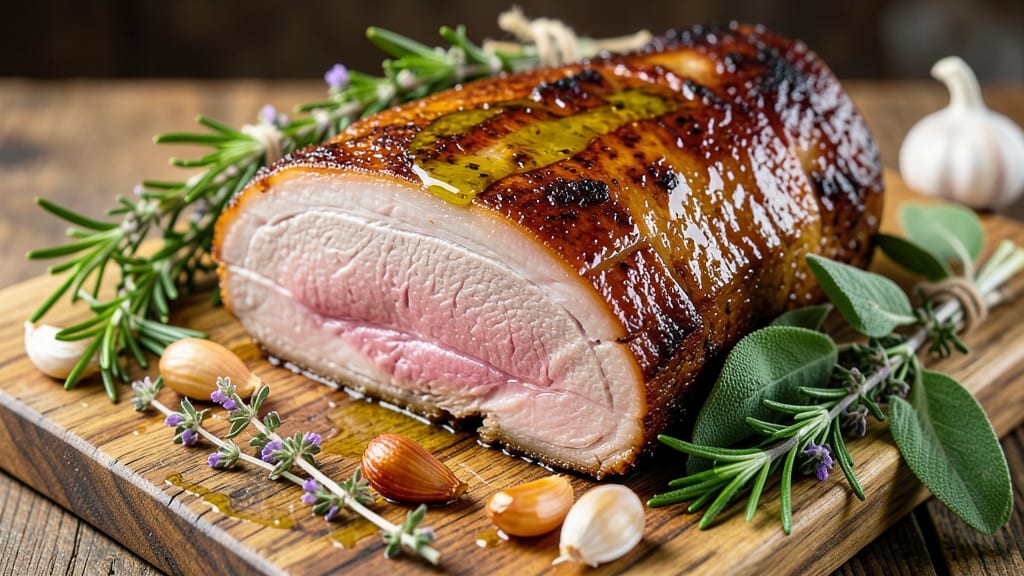
This 4-lb pork roast recipe delivers the perfect balance of herb-crusted crunch and smoky gravy that transforms a simple cut into a centerpiece-worthy meal. 🔥 After years of perfecting pork roasts in my Charleston kitchen, I've developed a method that ensures tender meat with a golden, crispy exterior—no matter your skill level.
The secret lies in a dry herb crust that locks in moisture while creating that coveted crunch, paired with a rich gravy that elevates every bite.
What sets this recipe apart is the foolproof technique I use to guarantee success: precise internal temperature checks, strategic basting, and proper resting time. I've cooked thousands of pounds of pork, and this method consistently delivers restaurant-quality results at home.
The roast comes out juicy and tender with a crispy crust, while the gravy—made from the pan drippings—adds depth and richness that turns a weeknight dinner into something special.
This recipe is designed for versatility—whether you're serving it at a family gathering or a quiet dinner for two. The herb crust can be customized with your favorite seasonings, and the gravy pairs beautifully with roasted vegetables or mashed potatoes.
With just a few simple ingredients and about 3 hours of hands-off cooking time, you'll have a showstopping main course that's sure to impress.
I remember my first time cooking a perfect pork roast in Chef Chen's kitchen—the aroma alone filled the entire restaurant. That experience taught me how to balance technique with intuition, and this recipe captures that same magic.
Let's get started on creating a pork roast that'll have everyone asking for seconds.
Ingredients for 4 lb pork roast
Six aromatic herbs and a few pantry staples create this showstopping pork roast.
| Ingredient | Amount | Notes |
|---|---|---|
| Bone-In Pork Loin Roast 🐷 | 4 lb | Center-cut for even cooking |
| Extra-Virgin Olive Oil 🫒 | 2 tbsp | For crust and basting |
| Fresh Rosemary 🌿 | ¼ cup | Finely chopped, stems removed |
| Fresh Thyme 🌿 | 0.15 cup | Leaves only, finely chopped |
| Fresh Sage 🌿 | 0.15 cup | Leaves only, finely chopped |
| Garlic Cloves 🧄 | 6 cloves | Minced for herb crust |
| Diamond Crystal Kosher Salt 🧂 | 2 tbsp | For crust and seasoning |
| Freshly Ground Black Pepper 🌶️ | 1 tbsp | Coarse grind preferred |
| All-Purpose Flour 🌾 | 2 tbsp | For gravy thickening |
| Beef Broth 🍲 | 1 cup | Low-sodium preferred |
| Red Wine 🍷 | ½ cup | Dry Cabernet Sauvignon |
| Unsalted Butter 🧈 | 2 tbsp | Cold, cubed for gravy |
| Fresh Parsley 🌿 | 0.1 cup | Chopped, for garnish |
The pork roast is your canvas here—bone-in pork loin delivers the best flavor and moisture. Grab one from Whole Foods or your local butcher shop, where they'll often trim it for you. Look for a roast with good marbling and vibrant color; Smithfield or Butterball brands are consistently reliable. If you're feeling adventurous, ask for a center-cut loin—it cooks more evenly. The herbs? Fresh is non-negotiable—dried won't give you that same aromatic punch. I always buy extra rosemary and thyme because they keep well in the fridge, wrapped in damp paper towels.
No fresh rosemary? Dried at one-third the amount works in a pinch, but you'll miss that piney aroma. Short on red wine? Substitute beef broth with a splash of balsamic vinegar—it adds depth without overpowering. The flour for gravy can be swapped for cornstarch if you're gluten-free, though the texture will be slightly different. For the herb crust, toast the garlic first—it adds a nutty richness that takes this from good to extraordinary. And if you're worried about the pork being too dry, don't skip the basting. That's where the magic happens—every 20 minutes of cooking time.
This roast is a make-ahead dream—it actually tastes better the next day once the flavors meld. Store leftovers in an airtight container in the fridge for up to 5 days, or freeze portions for 3 months. I like to slice it thinly and serve it on a platter with the gravy ladled over the top. The gravy keeps well too—just reheat it with a splash of water or broth. If you're prepping ahead, make the herb crust the night before and store it in the fridge until ready to use. The flavors intensify overnight, and you'll thank yourself when you're basting that roast.
Why You'll Love This Recipe
- Fewer Tools Needed: I swear by this roast because it’s all about the basics—just a bone-in pork loin, olive oil, and those three herbs. No fancy gadgets, no stress. Honestly, my cast iron skillet and a wooden spoon are my only props.
- Herb Magic Simmered In: That crispy rosemary-sage crust on the outside? It’s where the magic happens. The thyme tucked inside keeps it fragrant while the pork stays juicy—like a hug from my nonna’s kitchen.
- Weeknight or Guest Night: Same recipe, two vibes. Weeknight? Slice it thin over crusty bread with a simple salad. Company coming? Carve it dramatic-style and serve with roasted potatoes. It’s my secret weapon for both.
- Leftovers That Don’t Suck: Between us, most pork roasts turn dry by day two. Not this one—the bone keeps it moist, and the herb crust stays flavorful. I make double portions because sandwiches for lunch? Yes, please. (My kids’ favorite.)
Step-by-step instructions for herb-crusted pork roast
Here's how to transform a simple pork roast into restaurant-worthy perfection.
👨🍳 Step 1: Create the Herb Crust and Season the Roast
In a food processor, pulse together the 0.25 cup fresh rosemary, 0.15 cup fresh thyme, 0.15 cup fresh sage, 6 cloves garlic, 2 tbsp diamond crystal kosher salt, and 1 tbsp freshly ground black pepper until finely chopped but not pasty. This herb mixture is the secret to that irresistible crust.
Remove the 4 lb bone-in pork loin roast from the refrigerator and pat it completely dry with paper towels—this is non-negotiable for crispy skin. Spread the herb mixture evenly over the entire surface, pressing it gently into the meat so it adheres well. Then, drizzle the 2 tbsp extra-virgin olive oil evenly over the herb crust and rub it in with your hands.
🔥 Step 2: Sear for Maximum Flavor and Color
Heat your oven to 425°F while you prepare the roast. Place a rack in a large roasting pan and position the roast on top, fat-side up. This setup allows air to circulate underneath for even cooking.
Place the roasting pan in the oven and immediately reduce the heat to 325°F. Here's the thing—you want to start with high heat to render the fat and create that golden crust, but then maintain a gentle temperature to ensure even cooking throughout. Let the roast cook for 45 minutes before checking the internal temperature.
⏰ Step 3: Monitor for Perfect Doneness
After 45 minutes, check the internal temperature using a meat thermometer inserted into the thickest part of the roast (not touching bone). You're aiming for 140°F—this gives you that perfect medium-rare finish that's juicy and tender. If it's not quite there, return it to the oven for another 10-15 minutes.
Real talk: your oven might run hot, so start checking at the 40-minute mark. The roast is done when it reaches 140°F and the juices run clear when pierced. Remove it from the oven and let it rest on a cutting board for 15 minutes—this resting period is crucial for juices to redistribute.
🍳 Step 4: Make the Red Wine Gravy
While the roast rests, place the roasting pan on the stovetop over medium-high heat. Add the 0.5 cup red wine and scrape up all those delicious browned bits from the bottom of the pan—this is where all the flavor lives. Let it simmer for 3 minutes until reduced by half.
Sprinkle the 2 tbsp all-purpose flour over the wine mixture and whisk vigorously to combine. Gradually whisk in the 1 cup beef broth until smooth. Bring to a gentle simmer and cook for 5-7 minutes until the gravy thickens to your desired consistency. Remove from heat and stir in the 2 tbsp cold unsalted butter for a silky finish.
🍽️ Step 5: Slice and Serve with Herb Garnish
After the resting period, slice the roast against the grain into ½-inch thick slices. The grain direction is visible as lines running through the meat—cutting against these lines ensures tender, easy-to-chew pieces.
Ladle the warm gravy over the sliced roast and garnish with 0.1 cup chopped fresh parsley. The contrast of the crispy herb crust with the silky gravy is what makes this dish truly special. Serve immediately with your favorite sides—roasted vegetables or mashed potatoes would be perfect.
Pro Tips For Making 4 Lb Pork Roast
- USE A MEAT THERMOMETER: I learned this the hard way—pork loin can look done before it actually is. Aim for 145°F internal temp (155°F if you prefer it extra-safe), and pull it out before it hits 160°F. The bone-in cut carries heat unevenly, so don’t eyeball it.
- TRIM THE FAT CAP: That thin layer of fat on pork loin? It’s not your friend here. Trim it down to about 1/8-inch thick before searing—it’ll render faster and crisp up, but too much turns to grease instead of flavor. Use kitchen shears for clean lines.
- SALT THE ROAST 24 HOURS EARLY: This isn’t the prettiest method, but it’s the tastiest. Sprinkle 1 teaspoon of kosher salt per pound all over the roast and let it sit uncovered in the fridge. The salt penetrates deeper, and the surface gets just dry enough to grab that crust.
- SEAR IN BATCHES: Crowding the pan with a 4-lb roast means steaming instead of browning. Sear the roast first, then remove it and add a splash of olive oil to the pan—this is where the magic happens. Once hot, add the fresh herbs (rosemary, thyme, sage) and let them crisp for 30 seconds before pouring over the meat.
Best sauces and condiments for this dish
Classic Red Wine Gravy
This rich, velvety gravy transforms simple pan drippings into a luxurious sauce that ties the entire meal together. I use ½ cup dry Cabernet Sauvignon because its bold tannins complement pork beautifully, but Pinot Noir works too.
The key is deglazing the pan thoroughly—those browned bits hold all the flavor. For extra depth, I toast 1 tsp cornstarch in the pan for 30 seconds before adding the wine. 🍷
Creamy Mustard Sauce
For a tangy twist, blend ½ cup sour cream, 2 tbsp Dijon mustard, 1 tbsp fresh chives, and 1 tsp lemon juice. This sauce cuts through the richness of the pork while adding a bright, herbaceous note.
I like to drizzle it over sliced roast right before serving—it stays creamy without curdling. The mustard adds complexity that balances the herb crust perfectly.
Honey-Glaze Option
When I want something sweet-savory, I make a quick glaze with 3 tbsp honey, 1 tbsp apple cider vinegar, and 1 tsp grated ginger. Simmer until slightly thickened, then brush it over the roast during the last 15 minutes of cooking.
The caramelized glaze adds a beautiful contrast to the crispy herb crust while keeping the meat moist. This works especially well for holiday gatherings when you want a touch of elegance. 🍯
Apple Cider Reduction
For a fall-inspired sauce, reduce 1 cup apple cider with 2 tbsp brown sugar and 1 cinnamon stick until syrupy. Strain out the cinnamon and whisk in 1 tbsp butter for richness. This sauce pairs wonderfully with the herb crust, adding warm spice notes that complement the pork's natural sweetness.
I often serve it with roasted apples on the side for a complete autumnal experience.
Garlic-Herb Butter
Melt 4 tbsp unsalted butter with 2 minced garlic cloves, 1 tbsp chopped parsley**, and a pinch of salt until fragrant. Drizzle this over sliced roast tablespoon by tablespoon—it adds a luxurious finish without overwhelming the dish.
This is my go-to when I want something simple but still special. The butter's richness enhances the herb crust while keeping the presentation clean and elegant. ✨
Nutrition facts
Frequently asked questions
What's the best way to ensure my pork roast stays juicy?
Always use a meat thermometer and pull the roast at 140°F—this medium-rare finish guarantees juiciness. Pat the meat dry before seasoning (this creates that crispy crust), but don't overcook it. The 15-minute rest after roasting is non-negotiable—it lets juices redistribute so every bite stays moist.
Can I make this recipe with boneless pork loin instead?
Yes, but expect slightly faster cooking (20-25 minutes less total time). Boneless roasts lose moisture faster, so reduce oven temperature to 300°F after the initial sear. The herb crust still works beautifully—just monitor internal temp closely and rest for 10 minutes instead of 15.
How far ahead can I prep the herb crust?
Make it 24 hours ahead and store in an airtight container in the fridge. The flavors intensify overnight! Just press it onto the roast right before roasting. Pro tip: Toast the garlic in the crust mixture for extra depth—it adds a nutty richness that takes this from good to spectacular.
What if my oven runs hot and the roast cooks too fast?
Lower the oven temperature by 25°F (e.g., to 300°F) and use a meat thermometer to check every 10 minutes. For stubborn hot spots, tent loosely with foil. The key is patience—pork continues cooking after removal, so pull it slightly underdone if needed.
Can I use this recipe for a smaller or larger roast?
For every additional 1 lb, add 15-20 minutes to cooking time. For smaller cuts (2-3 lbs), reduce wine to ¼ cup and broth to ½ cup. Always adjust oven temp by 10°F per pound difference—smaller roasts need higher heat, larger ones need lower.