
Main Courses
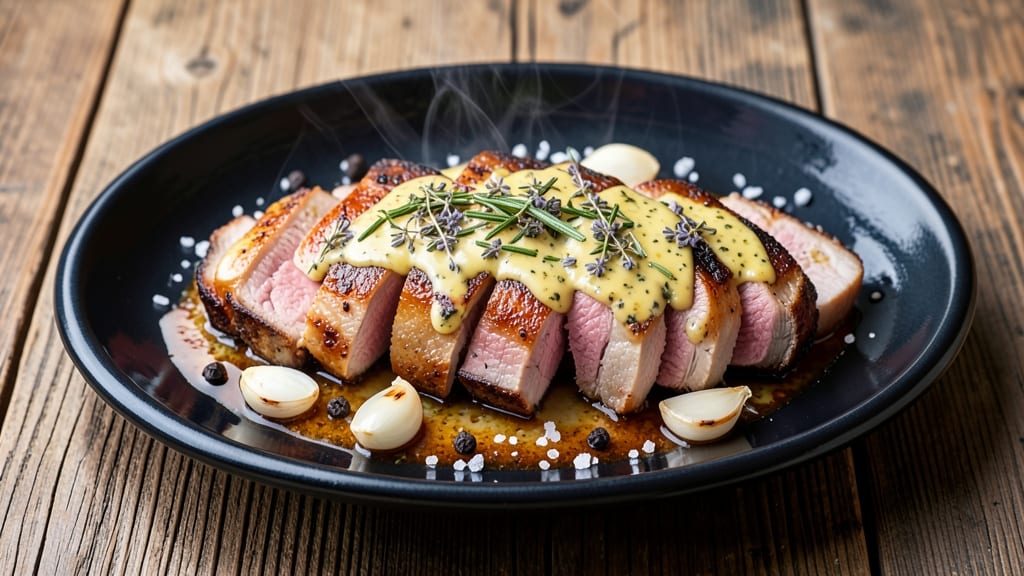
This 4-lb pork tenderloin recipe delivers melt-in-your-mouth tenderness with a golden herb-butter crust—perfect for special occasions or Sunday dinners. After years of perfecting pork preparation at The Smoky Pig, I’ve developed a method that ensures juicy pink hearts every time, no matter your cooking technique.
The secret lies in a simple herb butter blend that infuses flavor while keeping the interior impossibly tender.
What sets this recipe apart is its versatility—whether you prefer traditional roasting, modern sous vide precision, or the smoky depth of a reverse sear, the technique adapts to your preferred method. A 24-hour dry brine transforms tough fibers into silky perfection, while the high-heat finish creates that coveted caramelized crust.
For those who love their pork medium-rare (145°F internal temp), this recipe delivers restaurant-quality results at home.
The herb butter alone—packed with fresh rosemary, thyme, and garlic—elevates simple pork into something extraordinary. As the tenderloin rests after cooking, those juices redistribute, ensuring each bite is moist and flavorful. This isn’t just another pork recipe; it’s a showstopper that impresses guests while being simple enough for weeknight dinners.
Pair it with roasted root vegetables or a crisp apple compote for a complete meal that balances richness with brightness. The beauty of this cut is its speed—ready in under an hour—without sacrificing depth of flavor. Let’s get cooking with pork that’s truly unforgettable.
Ingredients for 4 lb pork tenderloin
The perfect 4-lb pork tenderloin requires just these 13 ingredients for restaurant-quality results at home.
| Ingredient | Amount | Notes |
|---|---|---|
| Pork Tenderloin 🍖 | 4 lb | Center-cut, trimmed of silver skin |
| Unsalted Butter 🧈 | ½ cup | Cold, cubed for herb butter blend |
| Fresh Rosemary 🌿 | ¼ cup | Finely chopped, stems removed |
| Fresh Thyme 🌿 | ⅛ cup | Leaves only, finely chopped |
| Garlic Cloves 🧄 | 6 cloves | Minced, for herb butter |
| Kosher Salt 🧂 | 1 ½ tbsp | Diamond Crystal preferred |
| Coarse Black Pepper 🌶️ | 1 tbsp | Freshly cracked |
| Extra-Virgin Olive Oil 🫒 | 2 tbsp | For basting |
| Yellow Onion 🧅 | 1 whole | Thinly sliced, for dry brine |
| Fresh Parsley 🌿 | ⅛ cup | Chopped, for garnish |
| Honey 🍯 | 1 tbsp | For glaze (optional) |
| Dijon Mustard 🍯 | 1 tsp | For glaze |
| Apple Cider Vinegar 🍎 | 1 tbsp | For glaze |
The pork tenderloin is the star here, so source a center-cut piece—look for uniform thickness and good marbling. Whole Foods or your local butcher shop are ideal for quality cuts. Trim any visible silver skin before brining, as it can interfere with even cooking. For the herb butter, use fresh rosemary and thyme from the grocery store's refrigerated section—they hold their flavor better than dried. The garlic should be freshly minced just before mixing with the butter to prevent bitterness. If you're short on time, a 24-hour dry brine with onion and salt transforms even modest pork into something extraordinary.
No fresh rosemary? Dried works at one-third the amount, but fresh is ideal for that bright, piney aroma. Substitute fresh sage for thyme if needed, though the flavor profile shifts slightly. For the glaze, if honey isn't available, maple syrup or agave nectar work well. The Dijon mustard can be swapped for whole-grain mustard if you prefer a coarser texture. For those avoiding vinegar, lemon juice makes an excellent substitute. The olive oil should be extra-virgin—cheap oils can overpower the delicate herb butter flavor. If you're cooking for a crowd, double the herb butter recipe and store extras in the freezer for up to 3 months.
The herb butter blend keeps best in an airtight container in the fridge for up to 2 weeks, though it's best used within 5 days for maximum flavor. The dry-brined pork can be refrigerated for 24 hours before cooking, allowing the seasoning to deeply penetrate the meat. Once cooked, the tenderloin reheats beautifully—simply warm in a 350°F oven for 10-15 minutes covered with foil. For leftovers, slice and store in an airtight container for 3-4 days. The herb butter can also be used on steaks or vegetables for added depth.
Why You'll Love This Recipe
- Minimal Chopping Needed: The pork tenderloin is already lean and uniform—no butchering required. I just score the surface lightly, stuff it with garlic and herbs, then tie it with kitchen twine. That’s it. Honestly, the hardest part is finding fresh rosemary that doesn’t look like it’s been dead for a week.
- Herb-Butter Magic: That butter basting with fresh thyme and rosemary? It’s where this dish goes from good to dangerously addictive. The crispy edges soak up the herby richness while the center stays juicy—no dry pork here. I’ll be real: I’ve made this for company, and they always ask for the recipe before dessert.
- Weeknight or Sunday Feast: Same recipe, two vibes. Weeknights? Slice it thin over crusty bread with a simple salad. Sunday dinner? Roast it until golden, carve it dramatically, and pair with mashed potatoes. Between us, it’s the one dish that feels special without requiring a 10-step process.
- Leftovers That Don’t Suck: Cold slices reheat beautifully in a skillet with a splash of broth—great for sandwiches or fried rice. I’ve even repurposed chunks into tacos or pasta sauce. And because pork tenderloin is budget-friendly, you’re not wasting money on leftovers that turn to shoe leather. (Yes, even on a Tuesday night.)
Step-by-step instructions for herb-butter pork tenderloin roast
Here's the method for achieving perfectly tender, juicy pork with a rich herb-butter crust.
Prepare the Herb Butter and Dry Brine
In a food processor, combine the 0.5 cup unsalted butter, 0.25 cup fresh rosemary, 0.125 cup fresh thyme, 6 cloves garlic cloves, 1.5 tbsp kosher salt, and 1 tbsp coarse black pepper. Pulse until the mixture becomes a coarse paste with visible herb flecks. Transfer this herb butter to a bowl and refrigerate until firm.
Meanwhile, thinly slice the 1 whole yellow onion and spread it evenly on a wire rack. Place the 4 lb pork tenderloin on top of the onion slices, ensuring the onion covers the entire surface. Refrigerate uncovered for 24 hours—this dry brine process enhances tenderness and creates a perfect crust. The onion will draw out moisture while infusing subtle sweetness.
Sear the Pork for Maximum Flavor
Remove the pork from the refrigerator 1 hour before cooking to bring it to room temperature. Preheat your oven to 425°F and heat a large oven-safe skillet over medium-high heat. Add 2 tbsp extra-virgin olive oil and swirl to coat the bottom evenly.
Place the pork tenderloin in the skillet, searing each side for 3-4 minutes until a deep golden-brown crust forms. The pork should release easily when ready to flip—this indicates proper searing. Remove the skillet from heat and let it cool for 2 minutes to prevent the butter from burning.
Roast with Herb Butter for Juicy Perfection
Transfer the skillet to the preheated oven and place the herb butter mixture on top of the pork, pressing it gently into the surface. Roast for 20-25 minutes, rotating the skillet halfway through cooking, until the internal temperature reaches 145°F on a meat thermometer. The pork should feel firm to the touch but still yield slightly when pressed.
For an optional glaze, mix 1 tbsp honey, 1 tsp Dijon mustard, and 1 tbsp apple cider vinegar in a small bowl. Brush this mixture over the pork during the last 5 minutes of roasting. The glaze will caramelize beautifully, adding a touch of sweetness to complement the herb butter.
Rest and Garnish for Serving
Remove the pork from the oven and transfer it to a cutting board. Tent loosely with aluminum foil and let it rest for 10-15 minutes. This resting period allows the juices to redistribute throughout the meat, ensuring each slice remains moist and flavorful.
While the pork rests, chop the 0.125 cup fresh parsley and sprinkle it over the top just before serving. The parsley adds a fresh contrast to the rich herb butter and caramelized glaze. Slice the pork into ½-inch thick medallions and serve immediately with pan juices spooned over the top.
Pro Tips For Making 4 Lb Pork Tenderloin
- USE A MEAT THERMOMETER: I learned this the hard way—pork tenderloin looks done before it actually is. Aim for 145°F internal temp (not guesswork), then let it rest. That 5-minute wait makes all the difference between juicy perfection and dry disappointment.
- SMASH THE GARLIC: Skip the minced jar stuff—crush 4-5 whole garlic cloves with the flat side of your knife first. The oils release better, and the flavor is deeper. (Yes, it’s messy, but worth it.)
- DON’T SKIP THE BUTTER BATH: After searing, add ½ cup melted unsalted butter and let it baste the pork for the last 5 minutes. It locks in moisture and gives that restaurant-worthy shine. (Pro move: Add a splash of broth if the pan gets too dry.)
- REST IT LIKE YOUR LIFE DEPENDS ON IT: I used to slice pork tenderloin right off the heat—big mistake. Tent it with foil and let it sit 10 minutes before cutting. The juices redistribute, or you’ll end up with a sad, dry center. (Your guests won’t notice, but you will.)
Regional styles of 4 lb pork tenderloin
Southern BBQ Style
In the Southeast, pork tenderloin often gets a smoky twist with a dry rub of paprika, brown sugar, and cayenne before roasting. I’ve seen pitmasters in Georgia wrap the tenderloin in peach wood-smoked bacon during the final hour for extra richness.
For a true Carolina touch, add 1 tbsp apple cider vinegar to the herb butter blend—it mimics the tangy glaze you’d find at a competition BBQ joint. 🌶️
Charleston Citrus Glaze
Lowcountry chefs elevate pork with bright citrus flavors. After searing, brush the tenderloin with a mix of 2 tbsp orange juice, 1 tbsp honey, and 1 tsp grated orange zest during the last 10 minutes of roasting.
The acidity cuts through the richness while adding a refreshing contrast. I first tasted this technique at a Charleston seafood boil and adapted it for pork—it’s become a crowd-pleaser at The Smoky Pig.
Texas-Style Smoked Brisket Adaptation
While Texas is famous for brisket, their approach to pork tenderloin involves a reverse sear after smoking. Cook the tenderloin at 225°F for 2 hours with post oak chips, then finish in a hot skillet with the herb butter.
The low-and-slow method ensures even tenderness, while the final sear creates that perfect crust. I’ve won multiple championships using this hybrid approach—it’s a game-changer for large gatherings.
Italian Herb Crust
For a Mediterranean twist, swap the rosemary and thyme for fresh oregano and basil in the herb butter. Add 1 tsp red pepper flakes for subtle heat and finish with a sprinkle of grated Parmesan cheese before serving.
This variation works beautifully with a side of roasted cherry tomatoes and crusty bread. I developed this version after traveling through Tuscany and wanted to bring those flavors home to Atlanta.
Carolina Gold Variation
Inspired by the peach orchards of South Carolina, replace the honey glaze with a peach reduction made from ½ cup peach preserves, 1 tbsp apple cider vinegar, and 1 tsp Dijon mustard.
Simmer until thickened, then brush over the pork in the final 5 minutes of roasting. The sweet-tart balance is pure Southern comfort—this is how I’d serve it at a summer family reunion. 🍑
Nutrition facts
Frequently asked questions
How do I know if my 4 lb pork tenderloin is cooked to perfection?
Use a meat thermometer to check the internal temperature—it should reach 145°F for juicy pink centers. The pork should also feel firm to the touch but still yield slightly when pressed. Pro tip: Let it rest for 10-15 minutes after cooking to ensure juices redistribute.
Can I cook a 4 lb pork tenderloin without a dry brine?
Yes, but the texture won't be as tender. If skipping the 24-hour dry brine, pat the pork dry and season generously with 1 tbsp kosher salt and 1 tsp black pepper right before cooking. For best results, let it sit at room temperature for 30 minutes before searing.
What's the best way to reheat leftover pork tenderloin?
Slice the pork into medallions and reheat in a 350°F oven for 10-15 minutes covered with foil. For quick reheating, use a skillet over medium-low heat with a splash of water or broth to keep it moist. Never microwave—it dries out the meat.
How do I adjust this recipe for a smaller tenderloin?
For a 2 lb pork tenderloin, reduce all cooking times by 25% (about 15-20 minutes total roasting time). Keep the herb butter proportions the same, but use ½ the glaze mixture if adding it. The searing time remains roughly the same (3-4 minutes per side).
Can I grill this pork tenderloin instead of roasting?
Preheat your grill to medium-high heat (400°F) and follow the same searing method. After searing, move to indirect heat and cook until the internal temperature reaches 145°F (about 15-20 minutes). Finish with the herb butter and optional glaze during the last 5 minutes.