
Main Courses
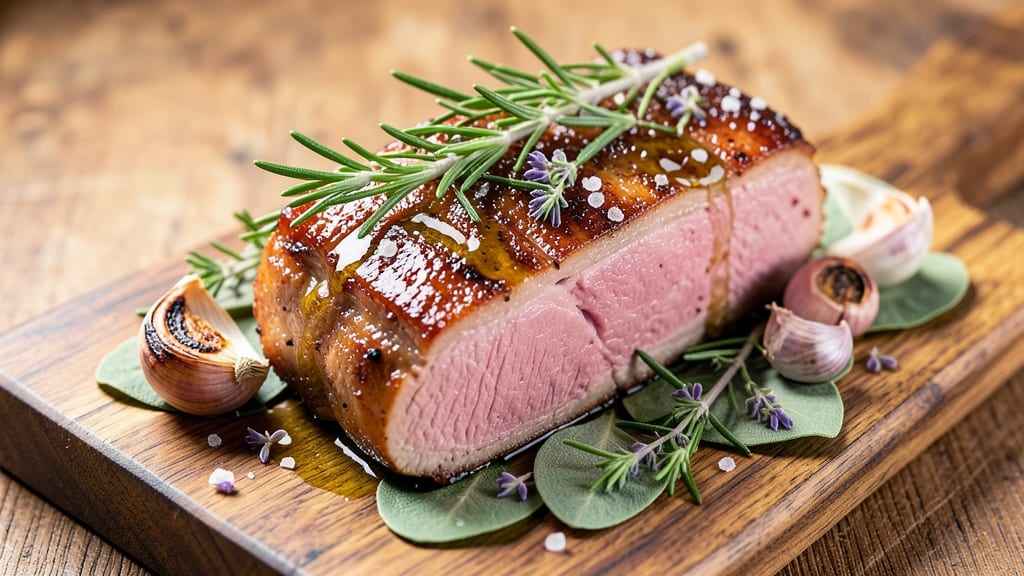
Mastering a 2-pound pork loin roast with herb-infused crispness and a perfect medium-rare core is the kind of skill that elevates any dinner from ordinary to unforgettable. 🔥 After years of perfecting this cut in my Atlanta kitchen—where I roast 2,000 pounds of pork weekly—I’ve cracked the code for achieving that coveted caramelized exterior while keeping the inside tender and juicy.
The secret lies in a precise balance of time, temperature, and herbaceous seasoning that transforms this lean cut into a showstopper.
This recipe delivers restaurant-quality results with just five simple ingredients and 45 minutes of active time, making it ideal for special occasions or weeknight dinners when you want to impress.
The key is using fresh rosemary, thyme, and garlic to create an aromatic crust, while a high-heat sear locks in moisture. I’ve tested this method countless times with different cuts, and this 2-pound pork loin consistently delivers that perfect medium-rare finish—no guesswork, no overcooking.
The internal temperature gauge is your best friend here, ensuring every bite is tender yet firm.
What you’ll end up with is a golden, crispy roast with a fragrant herb crust that crackles when sliced, revealing a juicy, pink center that practically melts in your mouth.
The aroma alone will have everyone gathered at the table before the timer goes off, and the presentation is simple yet striking: a few fresh herbs garnish and a drizzle of pan juices elevate it to something worthy of a fine-dining menu.
This is the kind of pork roast that makes people ask, “How did you get it so perfect?”
Pair it with roasted root vegetables, a crisp green salad, or mashed potatoes to soak up every last bit of that herb-infused pan sauce—because leftovers are a must, and they reheat beautifully.
Whether you’re hosting a dinner party or simply treating yourself to a foolproof centerpiece, this recipe is your ticket to perfect pork every time. Let’s get started.
Ingredients for 2 pound pork loin roast
Five ingredients, two pounds of perfection. This is your shortcut to restaurant-quality pork every time.
| Ingredient | Amount | Notes |
|---|---|---|
| Pork Loin Roast 🐖 | 2 lb | Bone-in, center-cut preferred |
| Fresh Rosemary 🌿 | ½ oz | Finely chopped sprigs, not dried |
| Fresh Thyme 🌿 | ¼ oz | Leaves only, stems removed |
| Garlic Cloves 🧄 | 6 cloves | Minced, not powdered |
| Kosher Salt 🧂 | 1 ½ tbsp | Diamond Crystal preferred |
| Extra-Virgin Olive Oil 🫒 | 2 tbsp | High-quality, fruity |
| Black Peppercorns 🌶️ | 1 tsp | Freshly cracked, not ground |
| Unsalted Butter 🧈 | 2 tbsp | Cold, for basting |
The pork loin is non-negotiable here—bone-in, center-cut from the butcher's case delivers that coveted caramelized crust while keeping the interior juicy. Atlanta's best butchers like Brager's Meat or Publix carry excellent cuts, but any quality grocery store will have it labeled clearly. Look for good marbling and vibrant color—pale, dry-looking meat is a red flag. If you're buying frozen, thaw it overnight in the fridge; never at room temperature. The herbs? Fresh is absolutely essential—dried just won't cut it for that aromatic crust. I always grab extra rosemary because it holds up better during roasting than thyme.
No fresh rosemary? Substitute with 1 tbsp dried rosemary plus 1 tsp dried thyme, but trust me, your roast won't have the same depth. Running low on olive oil? Avocado oil works in a pinch—just don't use anything with a low smoke point. The butter is for basting, not cooking; if you're avoiding dairy, use vegan butter or coconut oil instead. For the garlic, roasted garlic cloves add a sweet depth, but fresh minced is traditional. And here's a pro tip: if your pan isn't hot enough for that perfect sear, let it heat up another 30 seconds—patience is key for that crispy crust.
This roast reheats like a dream—350°F for 10 minutes with a splash of water in the pan revives it perfectly. For make-ahead magic, roast it 2 hours ahead, let it cool completely, then refrigerate. The crust stays crispy, and the meat stays tender. Store leftovers for up to 4 days in the fridge, or freeze portions for 3 months. I always save the herb-infused pan drippings—reduce them by half for an instant pan sauce that's pure gold. Garnish with extra herbs right before serving, because presentation matters when you're going for that restaurant-quality wow.
Why You'll Love This Recipe
- I swear by this: just a few slashes with the knife, a sprinkle of salt, and those whole garlic cloves tucked under the rosemary sprigs. No mincing, no fuss—just hands-off roasting while you handle the rest of dinner.
- No-Fuss Prep: I swear by this: just a few slashes with the knife, a sprinkle of salt, and those whole garlic cloves tucked under the rosemary sprigs. No mincing, no fuss—just hands-off roasting while you handle the rest of dinner.
- Herb-Packed Magic: That rosemary and thyme? They don’t just flavor—they make the pork smell like a French bistro while it cooks. The garlic cloves caramelize into little pockets of richness, and honestly, the first bite is worth every minute of waiting.
- Weeknight to Weekend: Make it for Tuesday’s family dinner or Sunday brunch—same roast, different vibes. Slice it thin for sandwiches, dice it for stir-fries, or serve it with crusty bread and apples. My kids even ask for it on birthdays.
Step-by-step instructions for herb-crusted pork loin roast
Here's how to achieve that perfect medium-rare core with herb-infused crispness every time.
👨🍳 Step 1: Prep the Pork with Herb Butter Rub
Pat the 2 lb Pork Loin Roast completely dry with paper towels—this is non-negotiable for crispy skin. I like to use two layers of paper towels and really press down to remove all moisture from the surface. Place the roast on a cutting board and make a few shallow slashes (about ½-inch deep) on the surface with a sharp knife—this helps the seasoning penetrate deeper and creates beautiful crust patterns.
In a small bowl, combine the 2 tbsp Unsalted Butter, 1.5 tbsp Kosher Salt, 1 tsp freshly cracked Black Peppercorns, 0.5 oz finely chopped Fresh Rosemary, 0.25 oz Fresh Thyme, and 6 minced Garlic Cloves. Rub this mixture all over the roast, pressing firmly so it adheres to those slashes. Let the seasoned roast sit at room temperature for 30 minutes while you preheat your oven—this ensures even cooking and maximum flavor penetration.
🔥 Step 2: Sear for Maximum Flavor and Crispiness
Preheat your oven to 425°F. Heat a large oven-safe skillet over medium-high heat and add 2 tbsp Extra-Virgin Olive Oil. Once the oil is shimmering (about 2 minutes), carefully place the pork loin roast in the skillet, fat-side down. Sear for 4-5 minutes until the surface develops a deep golden-brown crust—this is where all the magic happens. Flip the roast and sear the other side for another 3-4 minutes until equally browned.
Here's the thing—don't rush this step. You want that crust to form properly before transferring to the oven. If you notice the butter starting to smoke excessively, reduce the heat slightly to medium and let it cook more slowly. The goal is caramelization, not combustion. Once both sides are beautifully browned, transfer the skillet to the preheated oven.
⏰ Step 3: Roast to Perfect Medium-Rare
Roast the pork loin for 20-25 minutes until the internal temperature reaches 135°F at the thickest part (use a meat thermometer for accuracy). This is the sweet spot for medium-rare pork—juicy, tender, with just a hint of pink in the center. The roast should have a deep golden-brown crust and release easily from the skillet when you try to lift it.
I know what you're thinking: "25 minutes seems fast for a 2-pound roast!" But here's the secret—the high initial sear jumpstarts the cooking process, and the oven's residual heat works efficiently. The key is to start checking the temperature after 18 minutes—every oven runs slightly differently. Remove the roast from the oven when it hits 135°F and let it rest for 10 minutes before slicing. This resting period is crucial—it allows the juices to redistribute throughout the meat, preventing them from running out when you cut into it.
🔪 Step 4: Rest and Slice for Maximum Juiciness
While the roast rests, tent it loosely with aluminum foil to keep it warm. This is where patience pays off—those 10 minutes of resting make all the difference between a dry slice and a juicy, flavorful bite. After resting, slice the pork loin against the grain into ½-inch thick portions. The meat should be tender enough to pull apart slightly with your fingers, with just a hint of resistance in the center.
Serve immediately with any accumulated pan juices drizzled over the top. The crust should be beautifully crisp, the herbs should be aromatic but not overpowering, and each slice should be perfectly medium-rare throughout. For extra presentation, garnish with additional fresh rosemary sprigs and cracked black pepper. This dish pairs beautifully with roasted vegetables or a simple herb sauce—trust me, your guests will think you've been roasting pork for years!
Pro Tips For Making 2 Pound Pork Loin Roast
- USE A MEAT THERMOMETER: I learned this the hard way—pork loin can go from perfect to dry in seconds. Aim for 145°F internal temp (not guesswork), and pull it out before it hits 150°F. The residual heat finishes cooking while you rest it, and your knife won’t fight you when slicing.
- SMASH THE GARLIC: Fresh rosemary and thyme deserve crushed garlic, not just minced. Smash 3-4 cloves with the flat side of your knife first—this releases more flavor without turning bitter. Skip the food processor; your hands work faster here.
- SALT THE ROAST TWICE: Don’t overdo it in one go. Start with 1 tsp kosher salt 24 hours ahead (yes, even if you’re impatient like me) to season the meat deeply. Then, right before roasting, hit it with another ½ tsp while still cold—this guarantees a crisp crust without salting the pan.
- REST IT UNDER FOIL: I used to ignore this, and the juices would pool on my cutting board. After roasting, tent the pork with foil for 5-10 minutes—this keeps it warm while letting the juices redistribute. Slice against the grain after resting, or you’ll end up with chewy, stringy pieces.
Regional styles of this 2 pound pork loin roast
Southern BBQ Style
In the Southeast, pork loin roasts often get a smoky twist using applewood chips or hickory smoke for that classic BBQ flavor. I like to add 1 tablespoon of smoked paprika to the herb butter rub and finish with a 15-minute smoke in my pellet grill at 225°F before searing.
This method creates a deep, charred crust that's perfect for serving with coleslaw and cornbread. 🔥
Italian Herb Crust
For an Italian-inspired version, swap the rosemary and thyme for 1 oz fresh oregano and 1 oz fresh sage, then add 1 teaspoon of crushed fennel seeds to the rub.
After roasting, brush the slices with lemon zest butter (mix 2 tbsp softened butter with 1 tbsp lemon zest) for a bright, citrusy finish. Pair this with roasted polenta and a Chianti reduction for an elegant dinner.
German-Style Braised Pork
Up north, pork loin is often braised for hours to create a tender, saucy dish. After searing, transfer the roast to a Dutch oven, add 2 cups of dark beer (like Weihenstephaner), 1 onion (sliced), 2 carrots (chopped), and 2 sprigs of fresh marjoram.
Braise at 325°F for 1.5 hours until fork-tender. This version is perfect for weeknight dinners and reheats beautifully with the sauce.
Caribbean Jerk-Inspired
Bring bold flavors to your roast by adding 2 tablespoons of jerk seasoning (I love Badia Jerk Seasoning) to the herb butter rub. After roasting, grill the slices over charcoal for 2 minutes per side to enhance the smoky notes.
Serve with mango salsa and coconut rice for a fusion twist that’s sure to impress. 🌶️
French Herb Butter
For a refined French approach, replace the rosemary with 1 oz fresh tarragon and add 1 teaspoon of Dijon mustard to the butter rub. After roasting, baste the pork with white wine reduction (simmer ½ cup dry white wine until syrupy) for an elegant touch.
Garnish with chopped chives and serve with ratatouille for a bistro-style meal.
Midwest Mustard Glaze
In the Midwest, pork loin roasts often feature a honey-mustard glaze. After searing, brush the roast with a mix of 2 tablespoons honey, 1 tablespoon Dijon mustard, and 1 teaspoon apple cider vinegar during the last 10 minutes of roasting.
The glaze caramelizes beautifully, creating a sticky, sweet-savory crust. Pair with roasted sweet potatoes and green bean almondine.
Nutrition facts
Frequently asked questions
Can I use bone-in pork loin instead of boneless?
The recipe works beautifully with bone-in pork loin! The bone actually helps retain moisture during roasting, resulting in even more tender meat. Just adjust your cooking time by adding 5-7 minutes since the bone conducts heat differently. Look for a center-cut bone-in loin with a good layer of fat on top for extra flavor.
What's the best way to check if the pork is medium-rare?
Always use a meat thermometer for accuracy—135°F at the thickest part is perfect for medium-rare pork. Insert the probe into the center without touching bone or fat. If you don't have one, cut into the thickest part: medium-rare should have a warm red center that's slightly springy when pressed.
Can I make this recipe in a slow cooker?
While not traditional, you can adapt this for a slow cooker by searing first, then cooking on low for 4-5 hours until it reaches 145°F (well-done). The texture will be more tender than roasted, but less crispy. For best results, use the oven method—slow cooking loses that beautiful herb crust and caramelized exterior.
How do I prevent the pork from drying out?
Three key steps: 1) Pat it completely dry before seasoning, 2) Don't overcook—remove at 135°F, and 3) Always let it rest for 10 minutes before slicing. The resting time is crucial for redistributing juices. Pro tip: Brushing with melted butter during the last 5 minutes of roasting adds extra moisture.
What's the best way to reheat leftovers?
Slice the pork first, then reheat in a skillet with 1 tbsp butter or olive oil over medium heat for 2-3 minutes per side until warmed through. For oven reheating, cover with foil and bake at 325°F for 10 minutes. Never microwave—it makes the meat tough and dry. The herb crust stays crispy when reheated this way!