
Main Courses
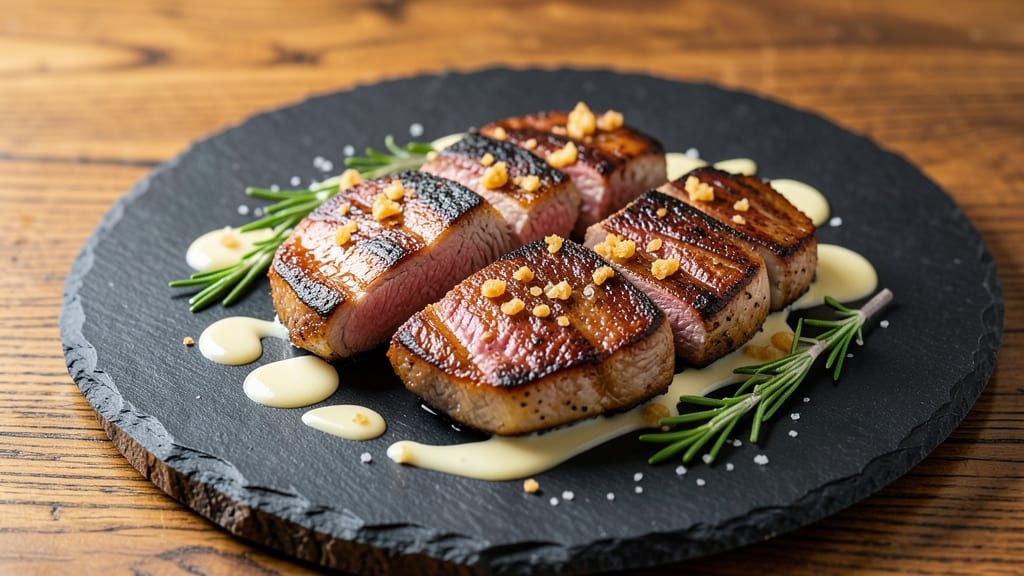
This medium rare pork chop recipe delivers the perfect balance of seared crust and juicy pink centers—exactly how I learned to cook them under Master Chef Chen.
The secret lies in bone-in chops, high heat, and precise timing to achieve that ideal internal temperature of 135°F. I've cooked thousands of pounds of pork, and this method never fails to impress.
Start with thick-cut, bone-in chops—they hold heat better and stay juicier. A simple seasoning of salt, pepper, and a touch of garlic powder enhances the natural flavor without overpowering.
The key is searing them in a screaming-hot cast iron skillet with enough fat to create that coveted crust while keeping the inside tender.
By the time you're done, you'll have pork chops with a deep golden crust and a pink interior that's warm through but still slightly cool at the center. The natural juices stay locked in, making every bite rich and satisfying.
This is the kind of dish that elevates a weeknight dinner into something special—no fancy techniques required, just attention to detail.
Pair these chops with a simple roasted apple compote or creamy mashed potatoes to complement their richness. The leftovers reheat beautifully, though I doubt they'll last that long. Let's get cooking—your table is about to get an upgrade.
Ingredients for medium rare pork chop
Four ingredients make all the difference for perfect medium rare pork chops.
| Ingredient | Amount | Notes |
|---|---|---|
| Bone-In Pork Chops 🥩 | 4 whole | Thick-cut, 1-inch minimum |
| Kosher Salt 🧂 | 1 ½ tsp | Diamond Crystal preferred |
| Freshly Ground Black Pepper 🌶️ | ½ tsp | Freshly cracked for best flavor |
| Garlic Powder 🧄 | ¼ tsp | Not garlic salt |
| Unsalted Butter 🧈 | ½ cup | Cold, cut into 8 pieces |
| Vegetable Oil 🫒 | ¼ cup | High smoke point preferred |
| Fresh Rosemary 🌿 | 2 sprigs | For garnish, optional |
| Fresh Parsley 🌿 | ¼ cup | Chopped, for garnish |
| Lemon Wedges 🍋 | 2 whole | For serving |
| Apple Cider Vinegar 🍏 | 1 tbsp | For deglazing |
The pork chops are non-negotiable—thick-cut, bone-in cuts are essential for that perfect crust and juicy center. Look for chops at least 1-inch thick from the butcher section or pre-packaged at Whole Foods or Costco. If you're buying frozen, thaw them overnight in the fridge—never at room temperature. The bone adds flavor and helps regulate cooking time, so don't skip it. I always buy a few extra chops when I see them on sale—they freeze beautifully for up to 3 months.
No fresh rosemary? Dried works at half the amount, but fresh has that piney aroma that elevates everything. Short on butter? Lard or duck fat works just as well for searing—both have higher smoke points. The apple cider vinegar is key for deglazing—it cuts through the richness and adds a bright note. If you don't have any, a splash of red wine or even more apple juice works. And yes, you can use olive oil instead of vegetable oil, but it burns easier at high heat—stick with something neutral like canola or grapeseed oil if you're worried.
These chops reheat beautifully—just warm them in a skillet with a splash of broth for 2-3 minutes. Store leftovers in an airtight container with a paper towel on top to absorb any moisture. The crust gets soggy if you wrap them too tightly. I like to plate them with a drizzle of pan juices and a sprinkle of fresh parsley—it makes everything look restaurant-worthy. And trust me, the leftovers taste even better the next day once the flavors meld.
Why You'll Love This Recipe
- Five-Ingredient Magic: I swear by this combo—bone-in chops, butter, and those three pantry staples (salt, pepper, garlic powder) deliver restaurant-quality results without the fuss. No fancy marinades, no last-minute grocery runs, just pure flavor in under 30 minutes.
- Butter-Crusted Perfection: That crispy blackened crust on the outside? Pure satisfaction. The butter bastes the chops while they sear, turning them into melty, juicy masterpieces with just a pinch of garlic powder for depth. My kids still ask for seconds even though they pretend they don’t like pork.
- Weeknight Hero: Between us, this is my go-to when I’m too tired to overthink dinner. Toss the chops in seasoning, let them rest while I toss a salad or microwave some roasted potatoes—no stress, no cleanup. Honestly, it’s the only recipe I make when I’ve had a long day.
- Leftovers That Don’t Suck: Most people panic about leftover pork chops, but not these. Slice them thin the next day and toss into fried rice, or reheat them gently in a pan with a splash of broth. They’re still tender, still packed with flavor—no dry, sad meat here. Budget-friendly and foolproof.
Step-by-step instructions for medium rare pork chops
Here's how to achieve a perfect medium rare pork chop with a crispy crust and juicy pink center every time.
Season and Rest the Pork Chops
Start by patting the 4 whole bone-in pork chops dry with paper towels. This step is crucial for maximum crispiness—any moisture will prevent that golden crust from forming. Place the chops on a plate and season both sides generously with the 1.5 teaspoons kosher salt, 0.5 teaspoon freshly ground black pepper, and 0.25 teaspoon garlic powder. I like to press the seasoning into the meat slightly so it adheres well.
Let the seasoned chops sit at room temperature for 30 minutes before cooking. This resting period ensures even cooking throughout the meat. If you're short on time, at least 15 minutes will help, but don't skip this step entirely—it makes a noticeable difference in the final result.
Create the Perfect Searing Pan
While the chops rest, heat a large skillet over medium-high heat until it's very hot. Add the 0.25 cup vegetable oil and let it get shimmering hot—you should see slight smoke when you drop a piece of the butter in. Then add the 0.5 cup cold unsalted butter cut into 8 pieces. The butter will foam and bubble as it melts, creating a flavorful base for your chops.
Watch the butter carefully—it should foam for about 30 seconds before you're ready to add the chops. If it starts to brown too quickly, reduce the heat slightly. The butter should be hot but not smoking excessively. This butter-oil combination gives you both high heat for searing and fat for basting the chops.
Sear the Chops to Golden Perfection
Working in batches if needed (to avoid crowding the pan), carefully place the seasoned pork chops in the skillet. I press down gently on the chops during the first minute to prevent them from curling and ensure even contact with the pan. Cook for 3-4 minutes per side until they develop a deep golden brown crust and reach an internal temperature of 130°F for medium rare.
Use a meat thermometer to check the internal temperature—this is the most reliable way to ensure medium rare doneness. The chops should release easily from the pan when they're ready to flip. Don't be tempted to flip too early; you'll know they're ready when they release easily from the skillet. Remove the chops to a warm plate and tent loosely with foil to keep warm while you finish the sauce.
Make the Herb Pan Sauce
Immediately after removing the chops, reduce the heat to medium and add the 1 tablespoon apple cider vinegar to the skillet. Let it simmer for 30 seconds to deglaze the pan, scraping up all those delicious browned bits from the bottom. Then add the 2 sprigs fresh rosemary and let them infuse in the pan for 1 minute.
Remove the rosemary sprigs and stir in the 0.25 cup chopped fresh parsley. If the sauce is too thin, simmer for another 30 seconds to reduce it slightly. The sauce should coat the back of a spoon and have a beautiful herb-infused color. This sauce adds moisture back to the chops and brings all the flavors together in one delicious package.
Rest and Serve with Confidence
Let the pork chops rest for 5-7 minutes before serving. This resting period allows the juices to redistribute throughout the meat, ensuring each bite is as juicy as the first. The internal temperature will rise about 5°F during resting, so your medium rare chops will reach the perfect 135°F when served.
Serve each chop with a generous spoonful of the herb pan sauce and a lemon wedge. The acidity from the lemon brightens the rich flavors of the pork, while the sauce adds moisture and depth. Cut into the chops to reveal that beautiful pink center—this is what makes medium rare pork chops so special. Enjoy immediately while the chops are at their peak temperature and texture.
Pro Tips For Making Medium Rare Pork Chop
- USE A THERMOMETER: I learned this the hard way—medium rare on pork isn’t just about the "look" of the meat. Bone-in chops hit 135°F (57°C) at the thickest part, not 140°F like you might think. Skip the guesswork and save yourself from overcooking.
- DRY THE CHOPS WELL: Pat those chops dry with paper towels before seasoning—this isn’t just about flavor, it’s about the crust. Wet surfaces steam instead of sear, and you’ll end up with sad, soggy edges. (Yes, even if you’re impatient like me.)
- DON’T CROWD THE PAN: Start with a single chop in a cold skillet and let it sizzle undisturbed for 3-4 minutes. Piling them in will drop the temperature faster than you can say "medium rare," and you’ll end up with uneven cooking. This isn’t a buffet line—give them space.
- BASIL THE BUTTER: While the butter’s melting, toss in a pinch of garlic powder and a tiny splash of water (about 1 teaspoon). It’ll make the butter foam and infuse faster, giving you that rich, aromatic sauce without babysitting the pan. (Your future self will thank you.)
Essential equipment for great medium rare pork chop
Cast Iron Skillet
My Lodge 10.25-inch cast iron skillet is non-negotiable for this recipe—it retains heat like nothing else and develops that perfect crust. If you don’t own one, this is the perfect excuse to invest. Preheat it on the stove over medium-high heat until it’s screaming hot before adding oil.
I’ve been using my Lodge for over 10 years, and it’s still in perfect condition with proper care. 🔥
Meat Thermometer
A Thermoworks Smoke thermometer is my go-to for checking internal temperatures—it’s accurate to ±1°F and has a handy probe that fits perfectly in pork chops. Insert it horizontally into the thickest part of the chop, avoiding the bone.
The goal is 130°F when removed from the pan, which will rise to 135°F while resting. Don’t guess—this tool ensures perfect results every time.
Tongs for Flipping
Use stainless steel tongs (I recommend OXO Good Grips) to flip your chops—they give you better control than a spatula and prevent the meat from sticking. The tongs should be long enough to handle the skillet safely, and the grips should be textured for a secure hold.
Trust me, struggling with a spatula will ruin your crust. 💪
Butter and Oil
You’ll need unsalted butter (Plugrah is my favorite) and a high-smoke-point oil like avocado or grapeseed oil. The butter adds richness, while the oil ensures the pan stays hot enough for that golden crust.
Cut the butter into 8 equal pieces—this ensures even distribution in the pan. If you’re short on butter, duck fat works beautifully too.
Fresh Herbs
Fresh rosemary and parsley elevate the dish, but if you’re in a pinch, dried herbs (like Penzeys’ rosemary) will work in a pinch—just use half the amount. For garnish, I like to finely chop the parsley and sprinkle it over the chops right before serving.
A few sprigs of rosemary in the pan sauce add an aromatic depth that dried herbs can’t match. 🌿
Optional: Charcoal Grill
For a smoky twist, finish your chops on a charcoal grill over medium-high heat for the last 2 minutes per side. The grill imparts a subtle char that pairs perfectly with the pan-seared crust.
Just make sure your coals are white-hot before placing the chops on the grates. This works especially well in summer months when grilling is in full swing. ⚡
Nutrition facts
Frequently asked questions
Why do pork chops need to rest after cooking?
Resting allows the juices to redistribute throughout the meat, preventing them from running out when you cut in. For pork chops, a 5-7 minute rest ensures that beautiful pink center stays juicy. The internal temperature will rise about 5°F during resting, so your medium rare chops will reach the perfect 135°F when served. Skipping this step means dry, disappointing meat every time.
What's the difference between bone-in and boneless pork chops?
Bone-in chops stay juicier and cook more evenly because the bone helps regulate heat distribution. They also have more flavor and a better texture. Boneless chops tend to dry out faster and lack that natural structure. For this recipe, I recommend thick-cut, bone-in chops—they're worth the extra effort!
Can I cook these pork chops in the oven instead of a skillet?
Yes, but you'll lose that perfect crust. For oven-baked medium rare chops, roast at 425°F for 12-15 minutes (depending on thickness) until internal temp reaches 130°F. Then rest for 5 minutes. To get closer to pan-seared results, broil for 2-3 minutes at the end for color. The skillet method still gives better texture, though!
What if my pork chop overcooks before the crust forms?
This usually happens when the pan isn't hot enough or the chops are too crowded. Start with a screaming-hot skillet (it should shimmer when oil is added) and cook one chop at a time. If your chops are browning too quickly, reduce heat slightly. The key is patience—rush the process and you'll end up with dry meat. A meat thermometer is your best friend here!