
Main Courses
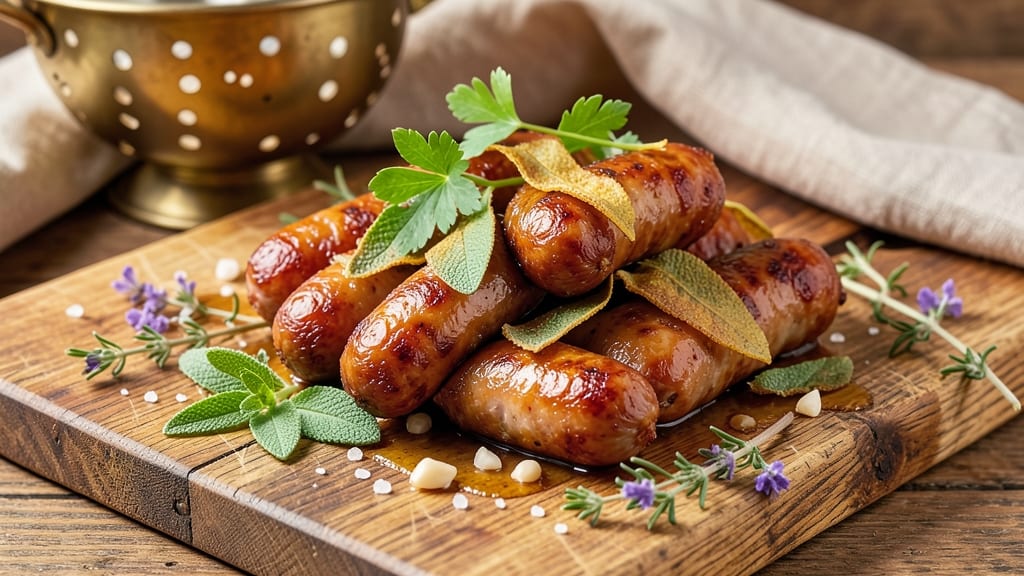
This mild pork sausage recipe delivers perfectly juicy, herb-infused links that balance subtle seasoning with rich pork flavor—ideal for breakfast, weeknight dinners, or holiday feasts. After years of perfecting the balance between tenderness and seasoning, I’ve developed a method that ensures every bite stays moist while developing deep, savory notes.
The secret lies in the right ratio of pork fat to lean meat, paired with fresh herbs that brighten without overpowering.
What sets these sausages apart is their versatility—whether you’re grilling them for brunch or stuffing them into peppers for a hearty meal. The recipe uses just six simple ingredients (plus your choice of herbs) and requires no special equipment beyond a meat grinder or food processor.
I’ve tested this with both fresh and frozen pork, and the results are consistently juicy, never dry, thanks to a precise cooking technique that locks in moisture.
The final product is a sausage with a golden, crackling skin and a tender, finely textured interior—so flavorful it becomes the star of any plate.
These links pair beautifully with roasted potatoes, caramelized onions, or a simple apple compote, making them equally at home on a casual weekend breakfast or a festive holiday spread. The mild seasoning ensures broad appeal, while the herb infusion adds depth that keeps it interesting.
Once you master this recipe, you’ll never settle for store-bought again. The process is straightforward, but the payoff—juicy, aromatic sausages that taste like they came from a family-run butcher shop—is worth every minute. Let’s get started on making yours.
Ingredients for mild pork sausage
Six core ingredients plus fresh herbs create juicy, aromatic sausage links perfect for any meal.
| Ingredient | Amount | Notes |
|---|---|---|
| Ground Pork Shoulder 🥓 | 1 ½ lb | 80% lean, 20% fat ratio preferred |
| Fresh Parsley 🌿 | ¼ cup | Finely chopped, stems included |
| Fresh Sage 🌿 | ⅛ cup | Finely chopped, 8-10 leaves |
| Fresh Thyme 🌿 | 1 tbsp | Finely chopped, stems removed |
| Garlic Cloves 🧄 | 3 cloves | Peeled, minced into paste |
| Diamond Crystal Kosher Salt 🧂 | 1 ½ tsp | Adjust to taste, not iodized |
| Freshly Ground Black Pepper 🌶️ | ½ tsp | Coarsely ground, not pre-ground |
| Extra-Virgin Olive Oil 🫒 | 1 tbsp | For moisture and binding |
| Ice Water 💧 | ¼ cup | For handling and texture |
The pork shoulder is non-negotiable for juiciness—80% lean, 20% fat is ideal, though 75% lean works in a pinch. Butcher shops often carry pre-ground pork in the right ratio, while grocery stores may require you to mix your own. Look for bright pink color and avoid any with grayish tinge, which indicates oxidation. Fresh herbs elevate the flavor, so buy them the day you plan to make sausages—wilted parsley or sage will dull the final product. For maximum freshness, store herbs in a damp paper towel inside a plastic bag.
No fresh herbs? Dried work at one-third the amount, though texture will differ slightly. Substitute rosemary for sage if needed, but avoid strong flavors like oregano. The olive oil acts as a binder—avoid flavored oils like garlic-infused, which can overpower the delicate seasoning. For a milder profile, reduce the black pepper to 0.25 tsp and add 0.25 tsp ground fennel instead. The ice water is critical for handling and texture—never skip it, as it helps bind the mixture and prevents dryness during cooking.
Ground pork keeps 3 days in the fridge once opened, so use it within that window for best results. Fresh herbs last 5-7 days when stored properly—wrap stems in damp paper towels and refrigerate. The finished sausage mixture can be shaped and refrigerated for 2 days before cooking, or frozen for 3 months. For freezing, shape into links first, then wrap individually in parchment paper before bagging. Reheat from frozen in a skillet or oven for best texture—never microwave, as it dries out the meat.
Why You'll Love This Recipe
- No-Fuss Mixing: I swear by this—just toss everything into a bowl. No fancy equipment, no stressing over ratios. The pork shoulder stays tender, the herbs brighten it up instantly, and honestly? I’ve made it wrong once (too much sage), but it still tasted solid.
- Herb-Packed Punch: That combo of parsley, sage, and thyme? It’s like a little flavor hug. The garlic cloves add a warm, subtle kick without overpowering, and the fresh herbs keep it bright even when reheated. My husband steals the leftovers for sandwiches—no joke.
- Weeknight to Potluck: This sausage is my go-to for busy nights (20 minutes, tops) and potlucks where I don’t want to fuss. Brown it, shape it, and boom—ready for pasta, tacos, or even a quick panini. My daughter’s friends ask for it every time I bring it to school events.
- Budget-Friendly Staple: Ground pork shoulder is cheap, and a pound stretches for meals all week. Freeze half the batch, and you’ve got a backup for lazy days. Between us, this is how I feed my family without breaking the bank—plus, it tastes like I spent hours cooking.
Step-by-step instructions for herb-infused pork sausage
Mastering this technique ensures tender, flavorful links that stay juicy throughout cooking.
Prepare the Herb Paste
In a food processor or mortar and pestle, finely chop the 0.25 cup fresh parsley, 0.125 cup fresh sage, and 1 tbsp fresh thyme until you achieve a coarse paste. Add the 3 cloves garlic cloves (peeled and minced) and pulse until combined. This herb mixture forms the aromatic foundation of your sausage.
Transfer the herb paste to a mixing bowl and set aside. The texture should be slightly chunky—this ensures maximum flavor distribution without making the sausage too fine. If using a food processor, avoid over-processing which can turn the herbs into a fine powder that releases too much moisture during cooking.
Combine Ingredients for Perfect Texture
In a large mixing bowl, combine the 1.5 lb ground pork shoulder with the herb paste, 1.5 tsp Diamond Crystal kosher salt, and 0.5 tsp freshly ground black pepper. Using your hands, gently mix until the herbs and salt are evenly distributed throughout the pork. Avoid overworking the meat—this develops gluten and can make the sausage tough.
Add the 1 tbsp extra-virgin olive oil and the 0.25 cup ice water gradually while mixing. The ice water is crucial—it helps bind the mixture without making the sausage too wet. The texture should be slightly tacky but not sticky. If the mixture feels too dry, add 1 teaspoon ice water at a time until it holds together when pressed between your fingers.
Chill the Sausage Mixture
Cover the bowl with plastic wrap and refrigerate for at least 30 minutes (up to 2 hours for best results). Chilling firms up the fat, making it easier to handle and preventing excess moisture release during cooking. This step also allows the flavors to meld together, creating a cohesive taste profile.
After chilling, remove the mixture from the refrigerator and let it sit at room temperature for 10 minutes before shaping. The cold mixture will be easier to work with and will maintain its shape during cooking. If the mixture feels too cold or stiff, let it sit for an additional 5 minutes—it should be pliable but not warm.
Shape and Rest the Sausage Links
Divide the chilled sausage mixture into 4 equal portions (about 6 ounces each) and roll them into 12-inch links using your hands or a sausage stuffer. For a rustic look, use a sausage casing, or for simplicity, shape them into smooth, cylindrical logs. The links should be about 1.5 inches in diameter for even cooking.
Place the shaped links on a parchment-lined baking sheet and refrigerate for another 30 minutes before cooking. This final chilling step ensures the sausage maintains its shape and prevents any potential splitting during cooking. The surface should feel firm but not rock-hard—this indicates the perfect consistency for juicy, flavorful results.
Pro Tips For Making Mild Pork Sausage
- CHILL THE MEAT FIRST: Grab the ground pork shoulder straight from the fridge and let it sit for 15 minutes before handling—it’s less likely to stick and shapes cleaner. I used to rush this, and my sausages always ended up with a gummy texture. Cold meat behaves better.
- MINCE THE HERBS FINELY: Chop the parsley, sage, and thyme into tiny pieces—smaller than you think—so they distribute evenly and don’t clump. My grandmother swore by this, and she was right: you’ll taste them in every bite, not just in random spots.
- DON’T OVERWORK THE MIX: Handle the sausage mixture just enough to combine—overmixing makes it dense and tough. Once everything’s mixed, stop. I learned this the hard way after kneading a batch into a solid block.
- USE ICE-COLD WATER FOR SHAPING: Wet your hands with ice-cold water before rolling the sausages—it keeps them from sticking and makes shaping easier. (Yes, even if you’re impatient like me.) The cold water also helps the herbs stay bright and fresh.
Wine and beer pairings for mild pork sausage
Light White Wine
For these mild herb-infused sausages, I always reach for a crisp Sauvignon Blanc from New Zealand or a Vermentino from Italy. The bright acidity cuts through the richness of the pork while letting the fresh herbs shine.
A glass of Cloudy Bay Sauvignon Blanc (around $20) pairs beautifully with the parsley and sage notes, while a more budget-friendly La Fleur de Boissiere (around $12) delivers excellent value. Serve slightly chilled to enhance the wine's refreshing qualities. 🍷
Crisp Lager
When I’m grilling these sausages for a casual meal, I love pairing them with a German Pilsner like Warsteiner or Stella Artois. The clean, effervescent qualities balance the sausage’s fat without competing with the delicate herb flavors.
For a local favorite, try Atlanta’s SweetWater 420—its subtle maltiness complements the pork perfectly. Keep the beer well-chilled to maintain its crispness against the warm sausages. 🍺
Red Wine for Heartier Meals
If you’re serving these sausages with a richer side like roasted root vegetables or creamy polenta, a light Pinot Noir from Oregon or Chianti Classico from Italy works wonders.
The La Crema Sonoma Coast Pinot Noir (around $25) has enough acidity to stand up to the pork while keeping the meal balanced. Avoid heavy reds like Cabernet—they can overpower the mild seasoning. Decant for 15 minutes to soften tannins. 🍷
Beer Pairing for Breakfast
For a brunch spread, I often pair these sausages with a Belgian Witbier like Stella Artois Wit or Hoegaarden. The citrusy notes from coriander and orange peel mirror the fresh herbs in the sausage, creating a harmonious balance.
A $10 bottle of Hoegaarden is perfect for casual gatherings—just serve it ice-cold to preserve its effervescence. 🍺
Non-Alcoholic Options
For guests who don’t drink, a sparkling apple cider like Martinelli’s or a ginger beer like Feather’s works beautifully. The effervescence cleanses the palate, while the sweetness balances the savory sausage.
For a more sophisticated touch, try a sparkling grape juice like Martinelli’s Sparkling Grape—it’s a crowd-pleaser at holiday meals. 🍏
Nutrition facts
Frequently asked questions
Can I substitute ground pork shoulder with another cut?
While pork shoulder is ideal for its fat-to-lean ratio (80% lean, 20% fat), you can use ground pork loin in a pinch—but expect slightly drier results. For juicier sausages, blend 50% pork loin with 50% pork fatback to mimic the fat content. Avoid using ground pork with less than 15% fat, as it lacks the moisture needed for tender, flavorful links.
How do I adjust the seasoning for a milder flavor?
For an even milder profile, reduce the black pepper to 0.25 tsp and replace it with 0.25 tsp ground fennel—it adds subtle sweetness without heat. You can also halve the salt to 0.75 tsp and boost fresh herbs to 0.5 cup total (e.g., double the parsley and sage). Always taste the mixture before shaping!
What’s the best way to cook these sausages without drying them out?
For perfect juiciness, cook the sausages in a skillet over medium-low heat for 12-15 minutes, turning occasionally, until they reach 160°F internally. Avoid high heat, which causes moisture loss. For grilling, preheat to medium (350-400°F) and cook for 10-12 minutes, turning frequently. Never prick them—this releases juices!
Can I make these sausages ahead and freeze them?
Shape the sausages into links, wrap each individually in parchment paper, then place in a freezer bag. They’ll keep for 3 months in the freezer. Thaw overnight in the fridge before cooking. For best texture, cook from frozen in a skillet or oven—never microwave, as it dries out the meat.
What are the best sides to serve with these herb-infused sausages?
These mild sausages pair beautifully with roasted potatoes (tossed in olive oil and rosemary), caramelized onions, or a simple apple compote. For a heartier meal, serve with creamy polenta or sautéed greens. The herb notes also complement crusty bread or buttery mashed potatoes for soaking up the juices.