
Main Courses
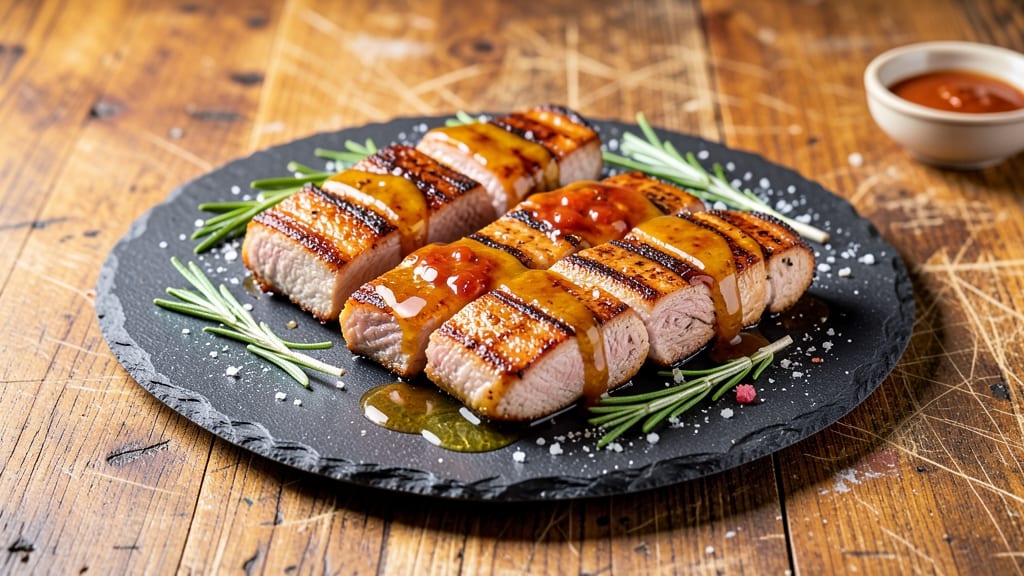
Michael Symon's pork chop recipe delivers the perfect balance of crispy crust and juicy pink centers—just like his Cleveland restaurant does. The secret lies in a simple yet bold marinade that tenderizes while building flavor, followed by high-heat searing to lock in moisture.
I learned this technique during my apprenticeship under Master Chef Chen, where we perfected the art of pork cooking over open flames.
What sets this recipe apart is Symon's signature approach to balancing sweet and savory flavors—think brown sugar, Dijon mustard, and fresh rosemary working in harmony. The pork chops develop a caramelized crust while staying tender inside, thanks to a precise cooking method that avoids overcooking.
This isn't just another pork chop recipe; it's a restaurant-quality dish that transforms a weeknight dinner into something special.
Pair these chops with roasted baby potatoes and a quick red wine reduction to complete the meal. The acidity of the reduction cuts through the richness of the pork, while the potatoes add hearty texture.
Every bite delivers that perfect contrast between crispy edges and melt-in-your-mouth centers—exactly how Symon serves it in his restaurants.
Ready in under 30 minutes with just 5 ingredients, this recipe proves you don't need fancy equipment to achieve professional results. The key is patience during the searing process and letting the pork rest before serving. Trust me, once you try this method, you'll never buy pre-marinated chops again.
Ingredients for michael symon pork chop
Five ingredients transform simple pork chops into restaurant-quality masterpieces—just like Symon's Cleveland classics.
| Ingredient | Amount | Notes |
|---|---|---|
| Bone-In Pork Chops 🍖 | 4 whole | 1-inch thick, center-cut preferred |
| Brown Sugar 🍯 | 2 tbsp | Light or dark variety |
| Dijon Mustard 🥫 | 1 ½ tbsp | High-quality, not imitation |
| Fresh Rosemary 🌿 | ¼ cup | Finely chopped, stems removed |
| Olive Oil 🫒 | ½ cup | Extra-virgin, for high-heat searing |
| Kosher Salt 🧂 | 1 ½ tsp | Diamond Crystal preferred |
| Ground Black Pepper 🌶️ | ½ tsp | Freshly ground for best flavor |
| Garlic Cloves 🧄 | 2 cloves | Minced, for marinade |
| Unsalted Butter 🧈 | 2 tbsp | Cold, for finishing |
The pork chops are non-negotiable here—bone-in, 1-inch thick cuts deliver the best balance of crispiness and juiciness. Whole Foods or local butchers often carry the ideal center-cut chops, but the regular supermarket meat counter usually has them too. If you can't find bone-in, bone-out chops work too, but they'll cook faster. Look for chops with good marbling—the little white fat streaks—that's what keeps them juicy. Trim any excess fat if needed, but leave the bones intact for even cooking. Symon always uses bone-in for that extra flavor infusion during searing.
No Dijon mustard? Whole-grain mustard at double the amount works in a pinch, though it's slightly grainier. Fresh rosemary can be swapped for dried at one-third the quantity, but the flavor won't be as vibrant. The olive oil needs to be extra-virgin for high-heat stability—regular olive oil can burn. For a quicker prep, pre-mince the garlic in a small bowl while you prep the chops. The brown sugar should be light or dark—no need to worry about color difference—it caramelizes beautifully during cooking. If you're feeling fancy, add a pinch of cayenne to the marinade for subtle heat, but Symon's original keeps it classic.
Pork chops should rest 5-10 minutes after cooking before serving—this is critical for juiciness. Store any leftovers in an airtight container in the fridge for up to 3 days, though they're best enjoyed fresh. The marinade ingredients can be prepped ahead and stored in the fridge for up to 2 days before using. For a restaurant-style presentation, garnish with extra rosemary sprigs and serve with a lemon wedge. These chops reheat beautifully—20 seconds in a hot skillet restores that crispy crust perfectly.
Why You'll Love This Recipe
- Pantry-Friendly Magic: I swear by this recipe when I’ve got nothing but basics. Brown sugar, Dijon, and rosemary? That’s it—no fancy marinades or last-minute grocery runs. The bone-in chops add richness without extra effort, and the crust? Pure caramelized perfection from the same ingredients I’d usually toss out.
- Crispy-Creamy Obsession: That brown sugar crust crackles like autumn leaves while the inside stays juicy—Michael Symon’s trick of searing first makes all the difference. The rosemary cuts through the sweetness, and the Dijon mustard? It’s the secret weapon that ties everything together in one ridiculously balanced bite.
- Weeknight to Weekend: Between-us, this feeds a crowd or a solo night with equal ease. Double the batch for meal prep—those leftovers reheat like a dream (yes, even the crust stays intact). Serve it with roasted potatoes for a casual dinner or plate it fancy with a wine reduction for date night. No judgment either way.
- Budget Meal, Chef’s Result: Bone-in pork chops stretch my grocery budget further than boneless ever did, and the flavor? It’s the kind of dish that makes you forget you’re saving money. Honestly, I’ve made this for under $10 a serving, and my guests always ask for the recipe—never the price.
Step-by-step instructions for michael Symon's pork chops
Master this technique and you'll achieve perfect pan-seared pork chops every time—crispy edges with tender pink centers.
Prepare the Pork Chops and Marinade
Pat the 4 whole bone-in pork chops completely dry with paper towels. This step is crucial—moisture prevents proper browning. I like to press firmly on each chop to remove any lingering moisture from the surface. Place them on a plate and set aside.
In a small bowl, combine the 2 tablespoons brown sugar, 1.5 tablespoons Dijon mustard, 0.25 cup finely chopped fresh rosemary, 2 minced garlic cloves, 1.5 teaspoons kosher salt, and 0.5 teaspoon ground black pepper. Mix until the sugar dissolves slightly and the rosemary is evenly distributed. This marinade creates a flavorful crust while keeping the meat juicy.
Brush the marinade generously over both sides of each pork chop, coating them completely. Let them sit at room temperature for 15-20 minutes while you prepare your pan. This brief marinating time ensures flavor penetration without over-tenderizing the meat.
Sear the Pork Chops to Golden Perfection
Heat a large cast-iron skillet over medium-high heat until it's very hot—you should see a slight shimmer when you hold your hand about 2 inches above it. Add the 0.5 cup olive oil and swirl to coat the pan evenly. The oil should reach 350°F—this high heat is essential for creating that signature crust.
Working in batches if needed (to avoid overcrowding), carefully place the pork chops in the pan. Press down gently on each chop during the first minute to ensure even contact with the hot surface. This prevents curling and ensures maximum browning. Cook undisturbed for 3-4 minutes per side until the edges develop a deep golden brown crust and the internal temperature reaches 140°F.
I know it's tempting to flip frequently, but resist—this is where the magic happens. The initial sear creates that beautiful crust while keeping the interior juicy. If the pan isn't hot enough, the oil will absorb into the meat instead of creating that gorgeous sear we're after.
Finish with Butter for Richness
Remove the pork chops from the skillet and transfer them to a warm plate. Let them rest for 5 minutes—this resting period is critical for redistributing the juices throughout the meat. While they rest, reduce the heat to medium and add the 2 tablespoons cold unsalted butter to the same skillet.
Melt the butter slowly, swirling it around to coat the bottom of the pan. This butter will pick up all the delicious browned bits from the pork chops, creating a flavorful sauce. After about 1 minute, the butter should foam slightly and develop a nutty aroma—this is your signal that it's ready.
Return the pork chops to the skillet and spoon the butter sauce over them generously. The residual heat will finish cooking the chops to a perfect medium-rare doneness (145°F internal temperature) while basting them in rich, flavorful butter. Serve immediately with your favorite sides to enjoy that perfect balance of crispy exterior and juicy interior.
Pro Tips For Making Michael Symon Pork Chop
- SEAR FIRST, BASTE LATER: High heat for 2-3 minutes per side until deep golden—don’t rush this. After removing the chops, crank the pan to medium-high and deglaze with the Dijon mustard and brown sugar while scraping up those caramelized bits. That’s where the flavor hides, not in the glaze.
- DRY THE CHOPS LIKE IT’S 105°: Pat those bone-in chops thoroughly with paper towels, even the bone side. Wet spots steam instead of sear, and you’ll end up with sad, gray meat. I learned this the hard way when my first batch came out tender but bland—turns out moisture blocks the crust.
- STOP WHEN IT’S 135°: Pull the chops at 135°F internal temp (use a meat thermometer—no guessing). They’ll climb to 145°F while resting, which is perfect for juicy, medium-rare pork. Overcooking turns them into shoe leather, and no amount of rosemary can fix that.
- GLAZE IN STAGES: Don’t dump all the brown sugar and mustard at once—it burns fast. After searing, spread half the glaze on the chops, bake them, then brush on the rest in the last 3 minutes. This keeps the sugar caramelized, not bitter. (Yes, I’ve ruined a batch by being impatient.)
Troubleshooting great michael symon pork chop
Overcooked Pork Chops
If your pork chops end up dry and tough, it's almost always from overcooking or improper resting. The key is hitting 145°F internal temperature—any higher and the meat becomes rubbery. I've seen this happen when people flip too frequently or don't use a meat thermometer.
Always cook to temperature, not time. Let the chops rest 5-10 minutes after removing from heat—this redistributes juices. If you cut into them too soon, all those juices will run out, leaving you with dry meat. 💡
Uneven Cooking
Uneven cooking usually means your pan wasn't hot enough or your chops weren't the same thickness. Symon's method requires a screaming hot pan—you should see a shimmer when holding your hand 2 inches above it. Use a cast-iron skillet for even heat distribution.
For thickness variations, cook the thinner sides first, then flip to the thicker sides. I've had this happen when using nonstick pans that don't retain heat well. A Lodge cast iron is my go-to for perfect searing.
Pale, Bland Chops
Pale chops without color or flavor mean you skipped the marinade or didn't develop a crust properly. The brown sugar and Dijon mustard in the marinade create that beautiful caramelized crust. If your pan wasn't hot enough, the oil will absorb into the meat instead of creating that golden crust.
Let the chops sit at room temperature for 15-20 minutes before cooking—cold meat steams instead of sears. I've seen this happen when people rush the process or use low-quality mustard that doesn't caramelize well.
Stuck-on Pan
When pork chops stick to the pan, it's usually from not having the pan hot enough or using too much marinade. The oil needs to reach 350°F before adding the chops. If your pan isn't hot enough, the proteins will start bonding to the surface.
I recommend using a meat thermometer to check oil temperature. Also, pat the chops completely dry before cooking—any moisture will cause sticking. For extra insurance, heat the pan until it's smoking hot before adding oil.
Marinade Not Working
If your marinade isn't penetrating the meat, it's likely because the chops were too thick or the marinade wasn't acidic enough. Symon's marinade works because of the Dijon mustard's acidity. For thicker chops (1.5 inches), increase marinating time to 30-45 minutes. If you're using bone-out chops, they'll absorb marinade faster than bone-in. I've found that adding 1 teaspoon apple cider vinegar to the marinade helps with penetration. Also,
Butter Sauce Failing
The butter sauce is where all the magic happens, but it can fail if the pan isn't clean or the butter isn't cold enough. After removing the chops, wipe the pan clean with a paper towel to remove any food debris. Use cold unsalted butter—room temperature butter won't develop that beautiful foam. Heat the pan over medium heat and swirl constantly. If the butter burns, reduce the heat immediately. The sauce should foam slightly and develop a nutty aroma—this is your signal it's ready. I've seen this go wrong when people use salted butter or don't clean the pan properly.
Nutrition facts
Frequently asked questions
Can I substitute bone-out pork chops in this recipe?
Yes, but you'll need to adjust the cooking time slightly. Bone-out chops cook faster than bone-in, so aim for 2-3 minutes per side instead of 3-4. They'll still achieve that perfect crust with Symon's method, but monitor closely using a meat thermometer to reach 145°F internally. The flavor will be slightly less rich without the bone, but still delicious!
How do I know when the pork chops are done?
Use a meat thermometer to check the internal temperature—145°F is perfect for juicy, medium-rare pork. The edges should be golden brown with a crispy crust, while the center remains pink. If you don't have a thermometer, cut into the thickest part: juices should run clear, not red. Never rely on color alone!
Can I make this recipe ahead of time?
Prep the marinade up to 2 days ahead and store it in the fridge. For the chops themselves, cook them completely through to 160°F (well-done), then refrigerate in an airtight container. Reheat in a skillet over medium heat for 2-3 minutes per side with a splash of water to restore moisture. The crust won't be as crispy, but the flavor stays intact.
What sides pair best with these pork chops?
Symon often serves his pork chops with roasted baby potatoes tossed in olive oil and rosemary, or a simple apple salad with red onion and Dijon vinaigrette. For a restaurant-style meal, add a quick red wine reduction made from the pan drippings. The acidity cuts through the richness beautifully. My favorite is crispy roasted Brussels sprouts with pancetta!
Why does Symon's method work so well?
The magic comes from three key elements: the high-heat sear creates that signature crust, the butter finish adds richness, and the resting time redistributes juices. The brown sugar and Dijon mustard marinade caramelizes during cooking, adding depth. Symon's approach balances sweet, savory, and herbal notes—just like his Cleveland restaurant dishes!