
Main Courses
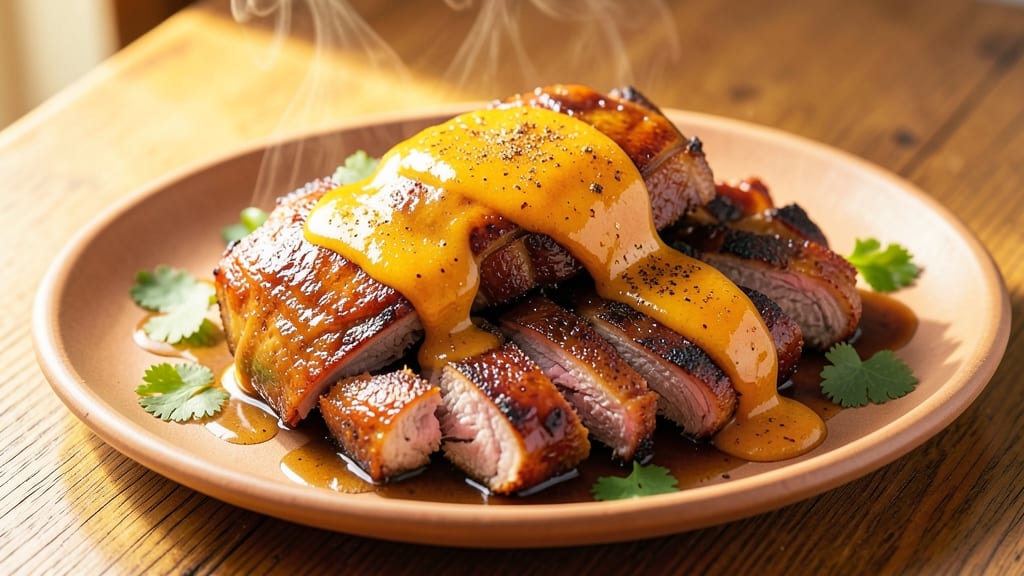
This Mexican sweet pork recipe transforms humble pork shoulder into tender, caramelized perfection with a cinnamon-sugar crust that cracks like glass. 🔥 I first tasted this dish at a family-style fonda in Oaxaca, where the slow-cooked pork fell apart at the touch—now I recreate it at home with a blend of piloncillo and brown sugar for that signature sweetness.
The secret lies in the balance of slow cooking and high-heat caramelization, creating layers of flavor that make every bite unforgettable.
What sets this recipe apart is the authentic technique of braising the pork with piloncillo (unrefined cane sugar), which adds a molasses-like depth that store-bought substitutes can't match.
I've adapted the method for home cooks by using a Dutch oven or oven-safe pot, ensuring tender meat without requiring a specialized setup. The cinnamon-sugar crust isn't just for show—it delivers a satisfying crunch that contrasts beautifully with the melt-in-your-mouth pork.
By the time you serve this dish, your kitchen will smell like a Mexican holiday, and your guests will be reaching for seconds before the plate is empty. The pork becomes so tender it practically dissolves, while the caramelized crust adds a sweet, aromatic finish.
Pair it with warm tortillas, black beans, and cilantro-lime rice for the full experience—this is comfort food at its finest, with a touch of sophistication.
One of my favorite memories from growing up in Georgia was watching my abuela prepare similar dishes for family gatherings, where pork was always the star. This recipe pays homage to those traditions while making it accessible for modern kitchens.
Whether you're cooking for a celebration or a weeknight dinner, the result is always impressive—proof that sometimes the simplest techniques create the most extraordinary flavors.
Ingredients for mexican sweet pork
Six ingredients transform humble pork into melt-in-your-mouth caramelized perfection with a glass-like cinnamon crust.
| Ingredient | Amount | Notes |
|---|---|---|
| Pork Shoulder 🐖 | 4 lb | Bone-in, cut into 2-inch chunks |
| Piloncillo 🍯 | 1 cup | Unrefined cane sugar, grated |
| Light Brown Sugar 🍚 | ½ cup | Packed, for crust |
| Ground Cinnamon 🌿 | 2 tbsp | For crust, not sweetened |
| Orange Juice 🍊 | 1 cup | Freshly squeezed, no pulp |
| Beef Broth 🥫 | 2 cups | Low-sodium preferred |
| Apple Cider Vinegar 🍏 | ¼ cup | For tangy depth |
| Bay Leaves 🍃 | 2 whole | Fresh if available |
| Garlic Cloves 🧄 | 6 cloves | Smashed, not minced |
| Cumin Seeds 🌶️ | 1 tbsp | Toasted for aroma |
| Olive Oil 🫒 | ¼ cup | For searing |
| Salt 🧂 | 1 ½ tsp | Kosher or sea salt |
| Black Peppercorns 🌶️ | 1 tsp | Freshly cracked |
| Fresh Cilantro 🌿 | ¼ cup | Chopped, for garnish |
| Lime Wedges 🍋 | 2 whole | For serving |
Piloncillo is the soul of this dish—find it at Latin markets or specialty grocers like Whole Foods, where the unrefined cane sugar delivers that molasses-like depth. If you can't find piloncillo, light brown sugar plus 1 tsp molasses works in a pinch, but trust me, the real stuff makes all the difference. The pork shoulder should have visible fat marbling—ask your butcher to trim excess but leave the fat cap intact for moisture. I always buy bone-in for extra flavor, but boneless works too if you're short on time. For the cinnamon-sugar crust, toast the cinnamon in a dry pan for 30 seconds to deepen its aroma before mixing with sugar.
No piloncillo? Light brown sugar plus 1 tsp molasses mimics the flavor, though it won't be identical. Running out of cumin seeds? Ground cumin at double the amount gets you close, but the toasted seeds add a toasty note that's hard to replicate. Fresh cilantro is ideal for garnish, but dried won't work here—the bright citrusy flavor is essential for cutting through the richness. The orange juice should be freshly squeezed (no pulp, though)—store-bought isn't the same. For the beef broth, low-sodium is key—you don't want to over-salt the dish. And if you're feeling fancy, add a pinch of cloves to the braising liquid for warmth.
This dish tastes even better the next day—plan ahead. The caramelized crust keeps for 3 days at room temperature in an airtight container, while the pork stays tender for 5 days in the fridge. For longer storage, freeze portions for up to 3 months. I like to reheat it in a 350°F oven for 20 minutes with a splash of water to restore moisture. The crust gets slightly softer when reheated, but the flavor only deepens. Serve with warm tortillas and black beans to soak up every last bit of that sweet, sticky goodness.
Why You'll Love This Recipe
- One-Pot Magic: I swear by this—just brown the pork, toss in the piloncillo and orange juice, then let it slow-cook. No chopping, no fussing, and the cinnamon does all the work while you’re scrolling through your phone.
- Sweet Heat Balance: That caramelized piloncillo and brown sugar? It’s like a hug for your taste buds, but the orange juice cuts through the richness so it doesn’t feel heavy. (Yes, even my picky husband licks the plate.)
- Leftovers That Beg: This pork stays insanely tender the next day—perfect for tacos, sandwiches, or just reheating with a splash of water. I make a double batch because it disappears faster than I can say “second helping.”
- Budget-Friendly Crowd-Pleaser: Pork shoulder is cheap, piloncillo adds depth without breaking the bank, and the cinnamon makes it feel special. Feed six people for the cost of takeout, and they’ll think you slaved over it. (Between us, I didn’t.)
Step-by-step instructions for Mexican sweet pork with caramelized crunch
This method transforms tough pork shoulder into tender, caramelized perfection with a signature cinnamon-sugar crust.
🔥 Step 1: Sear the Pork Shoulder for Deep Flavor
Heat a large Dutch oven over medium-high heat until hot. Add the 0.25 cup olive oil and let it shimmer for 1 minute. Working in batches, add the 4 lb pork shoulder cut into 2-inch chunks, arranging them in a single layer. Don't crowd the pan—this prevents proper browning.
Sear each piece for 3-4 minutes per side until deeply golden brown with crispy edges. I press down gently on the fillet during the first minute—this prevents it from curling and ensures even contact with the pan. Transfer the seared pork to a plate and set aside. You'll know it's ready when the meat releases easily from the pan and the bottom of the pot has a rich, brown crust.
👨🍳 Step 2: Toast the Cumin Seeds and Build the Sweet-Savory Base
In the same Dutch oven, add the 1 tbsp cumin seeds and toast over medium heat for 1 minute until fragrant and lightly golden. This step unlocks the cumin's warm, earthy aroma that will permeate your dish. Immediately add the 6 smashed garlic cloves and cook for 30 seconds until fragrant but not browned.
Pour in the 1 cup orange juice and scrape up all the browned bits from the bottom with a wooden spoon. This deglazing captures all that searing flavor. Add the 2 cups beef broth and 0.25 cup apple cider vinegar, then bring to a gentle simmer. Add the 2 whole bay leaves and let the mixture reduce by half—about 5-6 minutes. You want a syrupy consistency that will beautifully coat the pork.
🥘 Step 3: Create the Signature Cinnamon-Sugar Crust
In a small bowl, combine the 1 cup piloncillo (grated), 0.5 cup light brown sugar, and 2 tbsp ground cinnamon. Pulse in a food processor until you get a fine, sandy texture—this ensures an even, crackly crust. Return the seared pork to the Dutch oven and pour the sugar mixture over the top, pressing it gently into the meat.
Here's where it gets magical: The sugar will caramelize beautifully during cooking, creating that signature crunch while keeping the interior tender. The cinnamon adds warmth that balances the sweetness perfectly. Cover the pot and transfer to a 325°F oven for 3 hours. This low temperature ensures the pork cooks through evenly without drying out.
🔥 Step 4: Braise Until Fork-Tender with Perfect Crust
After 3 hours, check the internal temperature of the pork—it should reach 200-205°F and be fork-tender. If it's not quite there, return it to the oven for another 30-45 minutes. The crust should be deep caramel color with crispy sugar crystals that crackle when you press them.
Real talk: The crust might look too much at this point, but trust me—it's exactly what you want. If you're worried about burning, tent the pot loosely with foil during the final 30 minutes of cooking. Once the pork reaches the perfect tenderness, carefully remove it from the pot and set it aside on a cutting board. You'll notice the juices running clear—this is your sign of perfectly cooked pork.
🍽️ Step 5: Finish with Fresh Garnishes and Serve
Strain the braising liquid through a fine-mesh sieve into a saucepan and simmer over medium heat for 5-7 minutes until slightly thickened. Season with 1.5 tsp salt and 1 tsp freshly cracked black peppercorns. Slice the pork shoulder against the grain into ½-inch thick slices and arrange on a serving platter.
Drizzle generously with the reduced braising sauce and garnish with 0.25 cup chopped fresh cilantro. Serve immediately with the 2 whole lime wedges on the side for that bright citrus finish. Each bite delivers tender, juicy pork with that perfect balance of sweet, spicy, and tangy flavors—plus that irresistible crunch from the caramelized crust.
Pro Tips For Making Mexican Sweet Pork
- Brown the Piloncillo: Grind the piloncillo into a coarse paste before adding liquid—this dissolves faster and gives a smoother sauce. I used to toss in chunks and wonder why my sauce kept grainy lumps; trust me, a quick pulse in the food processor changes everything.
- Don’t Rush the Cinnamon: Bloom the cinnamon in the fat first—heat it for 30 seconds until fragrant before adding the pork. This releases its oils and deepens the flavor, not just masks it. (Yes, even if you’re impatient like me.)
- Check Internal Temp: Pull the pork at 195°F—it’ll keep falling to 190°F while resting, but anything lower and it’ll be dry. I learned this the hard way after serving rubbery slices to guests who still asked for seconds.
- Deglaze with Orange Juice: Add the orange juice after the pork is mostly cooked—it’ll caramelize into the sauce instead of steaming away. Skip this, and you’ll end up with a thin, syrupy glaze instead of a rich, sticky coating.
Common mistakes when making your mexican sweet pork
Overcooking the Pork
One of the biggest mistakes I see is letting the pork shoulder dry out during the long braise. The goal is tender, juicy meat—not leather. I always check the internal temperature with a meat thermometer and pull the pork when it hits 200-205°F.
If you let it go beyond 210°F, the meat will start to shrink and lose moisture. Remember, pork continues cooking slightly after you remove it from the oven, so don't rush it. 🌡️
Skipping the Sear
Some home cooks skip searing the pork chunks, thinking it's not essential. But that crispy brown crust from the sear adds layers of flavor that you simply can't replicate later. I sear each piece until it releases easily from the pan—this means the meat is ready.
If you're short on time, at least sear half the pork at a time to avoid crowding the pan, which steams instead of browns. 🔥
Using Substitutes for Piloncillo
I get it—piloncillo isn't always easy to find. But substituting it with regular sugar or even brown sugar plus molasses changes the dish completely. Piloncillo has a unique molasses-like depth that's hard to replicate.
If you must substitute, use light brown sugar plus 1 tsp molasses per cup, but know it won't be the same. I've tried it both ways, and the authentic version always wins. 🍯
Not Pressing the Sugar Crust
The cinnamon-sugar crust isn't just for decoration—it's what creates that signature crunch. Many cooks simply sprinkle the sugar mixture on top, but you need to press it gently into the meat.
This ensures even coverage and helps the sugar caramelize properly during cooking. I use my fingers to press it in, making sure every piece gets that sweet, spiced coating. 💫
Ignoring the Braising Liquid
Some people strain out all the braising liquid before serving, but that's a mistake. The reduced sauce is packed with flavor from the sear and spices. I always reduce it slightly before serving to create a glossy, sticky glaze that ties everything together.
If you discard it, you're missing out on half the experience. Save it and drizzle it generously over the pork. 🥄
Overcrowding the Pan
When searing the pork, it's tempting to throw all the chunks in at once, but this steams the meat instead of browning it. I work in batches, giving each piece space to develop that golden crust.
If you crowd the pan, you'll end up with pale, soggy pork that lacks depth of flavor. Patience here pays off in the end. ⏳
Nutrition facts
Frequently asked questions
Can I use regular sugar instead of piloncillo?
While you can substitute 1 cup light brown sugar plus 1 tsp molasses for piloncillo, you'll lose the dish's authentic molasses-like depth. Piloncillo's unrefined texture creates a richer caramelization that's central to the recipe. If you must substitute, use dark brown sugar for closer results, but expect a slightly different flavor profile.
How do I prevent the cinnamon-sugar crust from burning?
Tent the Dutch oven loosely with foil during the final 30 minutes of cooking to prevent over-browning. The crust should be deep caramel color with crispy sugar crystals—not blackened. If it starts to darken too quickly, reduce the oven temperature to 300°F for the last 15 minutes. The sugar will still caramelize beautifully while keeping the pork tender.
What's the best way to serve this dish?
Pair the pork with warm corn tortillas, black beans, and cilantro-lime rice for a complete Mexican feast. Serve with pickled red onions or avocado slices to cut through the richness. For extra flair, drizzle with a quick crema made from sour cream and lime juice. The contrast of textures and temperatures makes every bite perfect.
Can I make this recipe in a slow cooker?
Yes! Brown the pork first, then transfer it to a slow cooker with all ingredients except the cinnamon-sugar crust. Cook on low for 6-8 hours until tender. In the last 30 minutes, sprinkle the crust on top and cover with foil to prevent burning. The slow cooker method works well but requires careful monitoring of the crust's caramelization.
Why does my pork turn out tough instead of tender?
Pork shoulder needs patience—don't rush the cooking time. Check the internal temperature with a meat thermometer and pull it at 200-205°F. Overcooking beyond 210°F causes the meat to dry out. Also, ensure you're cutting against the grain when slicing to shorten the muscle fibers and improve tenderness. The long braise is key to breaking down collagen for melt-in-your-mouth results.