
Side Dishes
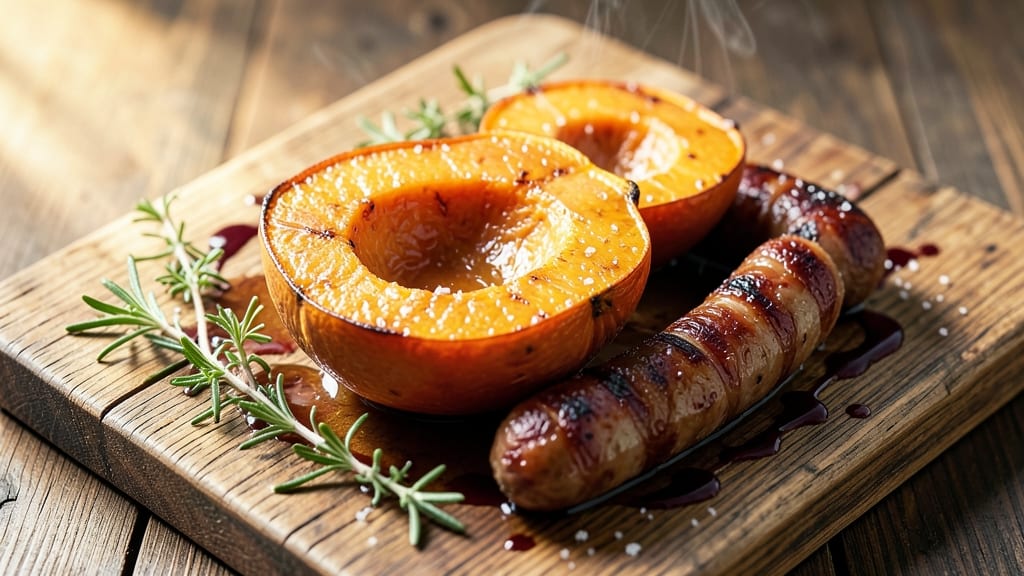
This acorn squash and pork sausage recipe transforms humble ingredients into a restaurant-quality autumnal dish that balances sweet and savory. 🍂 As a pitmaster who's spent years mastering pork, I developed this method to showcase how properly cooked sausage and caramelized squash create a perfect harmony of textures and flavors.
The secret lies in two simple techniques: roasting the squash until its flesh becomes tender and caramelized while browning the pork sausage until it develops a crispy exterior and juicy interior. Fresh herbs and a touch of brown sugar elevate both components, creating a dish that's both comforting and sophisticated.
By the time you plate this, you'll have golden-brown sausage slices with crisp edges and succulent centers, paired with squash that's been transformed from bland to deeply caramelized and velvety. The aroma alone will have everyone gathering at your table.
This dish works as a standalone meal or pairs beautifully with crusty bread and a simple green salad. Let's get cooking!
Ingredients for acorn squash and pork sausage
Restaurant-quality autumn flavors start with just 13 simple, quality ingredients.
| Ingredient | Amount | Notes |
|---|---|---|
| Acorn Squash 🍠 | 1 whole | Medium-sized, halved and seeded |
| Pork Sausage 🥓 | 1 lb | Sweet or herbed, sliced into rounds |
| Brown Sugar 🍚 | ¼ cup | Packed, light variety preferred |
| Olive Oil 🫒 | ¼ cup | Extra-virgin for roasting |
| Fresh Rosemary 🌿 | ¼ cup | Chopped, stems removed |
| Fresh Thyme 🌿 | 2 tbsp | Leaves only, finely chopped |
| Garlic Cloves 🧄 | 4 cloves | Minced for sausage seasoning |
| Salt 🧂 | 1 ½ tsp | Kosher or sea salt |
| Black Pepper 🌶️ | 1 tsp | Freshly ground preferred |
| Balsamic Vinegar 🍷 | 1 tbsp | For drizzling at serving |
| Crusty Bread 🍞 | ½ loaf | For serving, optional |
| Arugula 🌱 | 2 cups | Baby leaves for salad |
| Lemon Juice 🍋 | 1 tbsp | Freshly squeezed |
The acorn squash is the star here—look for one with a deep green rind and vibrant color. Costco or Trader Joe's usually carry them in fall, but if you can't find them, butternut squash works in a pinch. The pork sausage should be sweet or herbed, not spicy—Johnsonville or Applegate are reliable brands. Fresh herbs make all the difference, so grab rosemary and thyme from the grocery store's refrigerated section, not the dried aisle. If you're short on time, dried herbs work at half the amount, but fresh gives that restaurant-quality aroma.
No brown sugar? Maple syrup or honey in the same quantity will do, though the flavor profile shifts slightly. Running out of balsamic vinegar? Apple cider vinegar with a pinch of sugar mimics the tang. The crusty bread is truly optional—this dish stands alone beautifully, but a good French baguette or sourdough from the bakery section elevates it. For the salad, baby arugula is ideal, but any peppery greens like spinach or kale will work. If you're feeling fancy, add toasted pine nuts or shaved Parmesan, though I keep it simple with just lemon juice and olive oil for dressing.
Roasted squash keeps for 4-5 days in the fridge, though it's best enjoyed within 24 hours for peak texture. The cooked sausage slices reheat beautifully—store them in an airtight container with a paper towel to absorb moisture. For make-ahead convenience, roast the squash and cook the sausage a day in advance, then reheat gently in a skillet with a splash of water. The dish freezes well for 3 months if you portion it carefully, though the squash texture may soften slightly. I always make extra sausage—it's perfect for breakfast hash or sandwiches the next day.
Why You'll Love This Recipe
- I’ll be real: I make this for dinner, and somehow there’s always seconds. The flavors only get better the next day, especially when reheated—crispy edges, tender squash, and sausage that’s still juicy. Pack it for lunch or freeze half for when you’re too tired to cook.
- One-Pan Magic: Honestly, I can’t stand dishes that need five different pans. This recipe? Just slice the squash, brown the sausage, and roast everything together. The brown sugar caramelizes right on the sheet pan—no extra bowls, no extra mess.
- Sweet-Savory Balance: Between us, the combo of smoky pork sausage and that deep, caramelized brown sugar on the squash is ridiculously good. The rosemary adds this bright, herby punch that cuts through the richness—like a hug for your taste buds.
- Leftovers That Work: I’ll be real: I make this for dinner, and somehow there’s always seconds. The flavors only get better the next day, especially when reheated—crispy edges, tender squash, and sausage that’s still juicy. Pack it for lunch or freeze half for when you’re too tired to cook.
Step-by-step instructions for acorn squash and pork sausage
Here's how to transform sweet squash and savory sausage into a perfectly balanced autumnal dish.
🔥 Step 1: Roast the Acorn Squash Until Caramelized
Preheat your oven to 400°F. Cut the 1 whole acorn squash in half lengthwise and scoop out the seeds with a spoon. Brush the cut sides generously with 2 tablespoons of the 0.25 cup olive oil, then sprinkle with 0.5 teaspoon of the 1.5 teaspoon salt and 0.5 teaspoon of the 1 teaspoon black pepper.
Place the squash halves cut-side down on a parchment-lined baking sheet. Roast for 30 minutes until the edges begin to soften. Flip the squash and roast for another 15-20 minutes until the flesh is tender when pierced with a fork and the skin is slightly charred. The natural sugars in the squash will caramelize beautifully during this process.
👨🍳 Step 2: Season and Cook the Pork Sausage
While the squash roasts, heat 1 tablespoon of the remaining 0.25 cup olive oil in a large skillet over medium-high heat. Add the 1 lb pork sausage slices and cook for 5-6 minutes, turning occasionally, until they're golden brown on all sides and cooked through to an internal temperature of 160°F.
In a small bowl, combine the 0.25 cup fresh rosemary, 2 tablespoons fresh thyme, 4 minced garlic cloves, and the remaining 1 teaspoon salt and 0.5 teaspoon black pepper. Sprinkle this herb mixture evenly over the sausage and cook for another 2 minutes to toast the herbs and infuse their flavors into the sausage.
🥘 Step 3: Caramelize the Squash with Brown Sugar
Once the squash is tender, carefully remove it from the oven and let it cool slightly for 5 minutes. Using a spoon, scoop out the flesh and place it in a large bowl. Discard the skin. In a small saucepan, combine the remaining 0.25 cup olive oil and 0.25 cup brown sugar over low heat. Cook for 3-4 minutes, stirring constantly, until the sugar dissolves and the mixture turns into a light caramel sauce.
Pour this caramel mixture over the roasted squash and toss gently to coat evenly. The heat from the squash will help the caramel cling beautifully, creating that perfect balance of sweet and savory. Return the squash to the oven for 5 minutes to let the caramel set slightly.
🍽️ Step 4: Assemble and Serve with Fresh Arugula
Divide the caramelized squash among four plates. Arrange the herbed sausage slices on top of the squash, fanning them slightly for visual appeal. In a small bowl, toss the 2 cups arugula with the 1 tablespoon lemon juice and a pinch of salt. Divide the arugula salad among the plates.
Drizzle each serving with 1 teaspoon of the 1 tablespoon balsamic vinegar and serve immediately with slices of the 0.5 loaf crusty bread. The contrast of the peppery arugula, sweet caramelized squash, and savory sausage creates a harmonious balance of flavors in every bite.
Pro Tips For Making Acorn Squash And Pork Sausage
- CUT THE SQUASH OPEN SMART: I learned this the hard way—don’t just slice the acorn squash in half and jam it in the oven. Use a sharp chef’s knife to cut a shallow "X" on the flat side first, then gently twist to separate the halves. This keeps the rind intact, which locks in moisture and prevents it from turning to mush when roasted.
- ROAST THE SAUSAGE FIRST: I used to toss the raw sausage into the squash and roast everything together, but that’s a flavor crime. Brown the sausage in a skillet over medium-high heat for 5-6 minutes until it’s deeply caramelized—this builds layers of richness that’ll melt into the squash later. (Yes, it means one more pan to wash, but trust me.)
- SALT THE SQUASH BEFORE ROASTING: This isn’t just about seasoning—it’s about texture. Sprinkle a generous pinch of salt (about ½ teaspoon per half) inside the squash before roasting, then let it sit for 10 minutes. The salt draws out moisture, which crisps the edges when roasted, giving you that perfect caramelized contrast instead of a sad, soggy rim.
- UPGRADE THE BROWN SUGAR: Store-bought brown sugar loses its molasses depth when it sits in a pantry for months. For this dish, pulse ½ cup of dark brown sugar with 1 teaspoon of fresh rosemary leaves in a food processor until it’s finely ground but still has texture—this infuses the sugar with aroma that’ll seep into the squash. (I know, it’s extra work, but the difference is noticeable.)
Storing and reheating your leftovers
Squash Storage Secrets
Roasted acorn squash keeps beautifully in the fridge for 4-5 days when stored in an airtight container—just scoop the flesh into glass containers with tight-sealing lids. I like to portion it into quart-sized containers for easy reheating.
The texture stays best within 24 hours, though, so plan to eat it fresh if possible. For longer storage, freeze the cooked squash in ziplock freezer bags with all air removed—it'll last 3 months though the texture may soften slightly. 🍂
Sausage Reheating Perfection
Cooked pork sausage reheats best in a skillet over medium heat with a splash of water or broth to prevent drying. I add 1-2 tablespoons of liquid and cover the pan for 3-4 minutes, then uncover to crisp the edges.
For microwave reheating, use 70% power for 1-2 minutes—never full power or it'll turn rubbery. Store sausage in airtight containers with a paper towel to absorb moisture and keep it juicy. 🥓
Make-Ahead Strategy
I always roast the squash and cook the sausage a day ahead—it actually develops deeper flavors overnight. Store components separately in the fridge, then reheat the sausage in the skillet while warming the squash in the oven at 350°F for 10 minutes.
This approach saves 20 minutes of active cooking time on busy weeknights. The caramelized squash reheats beautifully with a quick broil for 3-4 minutes to restore its glossy finish. ⏰
Freezer-Friendly Packaging
For freezing, portion the caramelized squash into single-serving containers and store the sausage separately in quart-sized freezer bags. Label everything with dates—trust me, you'll forget! When ready to eat, thaw overnight in the fridge, then reheat as directed.
The squash reheats better than you'd expect, though it'll be softer than fresh. I often freeze extra sausage for breakfast hash or sandwiches—it's perfect for quick meals. ❄️
Bread Pairing Tips
That crusty bread isn't just decoration—it soaks up the caramelized squash juices beautifully. I recommend warming it in the oven at 375°F for 5 minutes before serving. For extra flavor, rub the bread with a garlic clove or drizzle with olive oil before toasting.
If you're short on time, even room-temperature bread works fine—just serve it on the side so people can tear pieces as needed. 🍞
Nutrition facts
Frequently asked questions
Can I substitute butternut squash for acorn squash?
Butternut squash works beautifully in this recipe, though the texture will be slightly softer. Use the same roasting method, but you may need to reduce the roasting time by 5-10 minutes since butternut squash cooks faster. The sweetness and caramelization will still develop wonderfully.
What's the best way to store cooked sausage for leftovers?
Store cooked sausage in an airtight container with a paper towel to absorb moisture. It keeps well in the fridge for 3-4 days and freezes for 3 months. For reheating, use a skillet over medium heat with a splash of water to prevent drying out.
Can I make this dish vegetarian?
Yes, but with some adjustments! Swap the pork sausage for smoked tofu or vegan sausage links (like Beyond Meat). For extra flavor, marinate them in olive oil, garlic, thyme, and a touch of smoked paprika before cooking. The caramelized squash will still shine as the star.
How do I know when the acorn squash is perfectly roasted?
The squash is done when a fork pierces the flesh easily and the skin has slight char marks. It should smell sweetly caramelized and pull away from the skin cleanly. If it feels slightly underdone, return it to the oven for 5-10 more minutes—it'll continue cooking off the heat.
What's the secret to crispy sausage edges?
High heat and patience! Cook the sausage over medium-high heat until golden brown, then finish with 2 minutes uncovered to develop that crispy crust. Avoid overcrowding the pan—work in batches if needed. The herb mixture added at the end also helps create a flavorful, crispy exterior.