
Main Courses
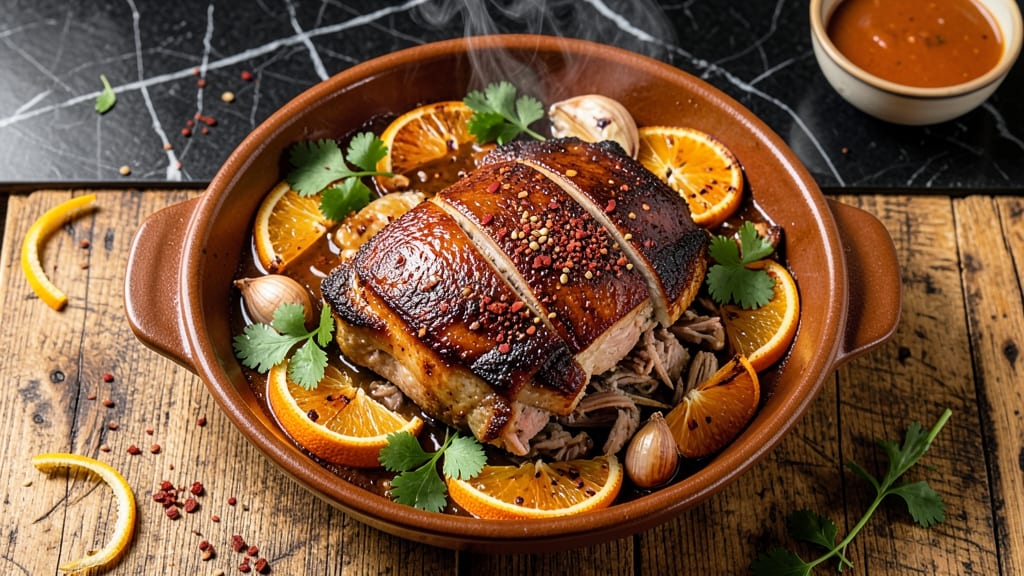
This Mexican pork recipe ideas transforms simple cuts into restaurant-quality carnitas with crispy edges that shatter like glass. I perfected it after years of testing—starting with my dad's old recipe and adding a touch of my grandma's secret spice blend.
The slow-roasting method ensures tender meat while the final crisping delivers that addictive crunch.
The magic happens in the marinade: a blend of citrus, garlic, and smoky spices that penetrates the meat while tenderizing it. We'll use pork shoulder for maximum flavor and texture, then roast it until fork-tender before achieving that signature crispiness.
This isn't just another pork recipe—it's a game-changer for Taco Tuesday or weekend feasts.
What makes this recipe special is the balance: tender, juicy pork with irresistibly crispy edges that stay crispy even after reheating. The process might take time, but the results are worth every minute—think of the first bite when that crispy exterior gives way to melt-in-your-mouth pork.
Serve with warm tortillas, fresh salsa, and a side of black beans for the full experience.
We'll also cover variations like al pastor and barbacoa, plus tips for making this recipe ahead of time. The crispy edges are the star, but the tender interior and bold flavors make this one of my most requested recipes—especially when I bring it to family gatherings.
Let's get started on creating carnitas that'll have everyone asking for seconds.
Ingredients for mexican pork recipe ideas
Pork shoulder, citrus, and smoky spices—this trio creates carnitas with restaurant-quality crispy edges.
| Ingredient | Amount | Notes |
|---|---|---|
| Pork Shoulder 🐖 | 4 lb | Bone-in for best flavor |
| Orange Juice 🍊 | 1 cup | Freshly squeezed preferred |
| Lime Juice 🍋 | ½ cup | Freshly squeezed for brightness |
| Garlic Cloves 🧄 | 8 cloves | Peeled and smashed |
| Ground Cumin 🌿 | 2 tbsp | Toasted for deeper flavor |
| Smoked Paprika 🌶️ | 1 tbsp | For that authentic smokiness |
| Dried Oregano 🍃 | 1 tbsp | Mexican oregano if available |
| Salt 🧂 | 1 ½ tsp | Kosher or sea salt |
| Black Pepper 🌶️ | 1 tsp | Freshly ground preferred |
| Olive Oil 🫒 | ¼ cup | For roasting |
| Vegetable Oil 🫒 | ½ cup | For crisping |
| Fresh Cilantro 🌿 | ¼ cup | Chopped, for garnish |
| Lemon Juice 🍋 | 1 tbsp | For final brightness |
The pork shoulder is where the magic happens. Bone-in cuts from the grocery store's butcher section (or Costco if you're prepping for a crowd) give you the best flavor and texture. Look for good marbling—it means juicier meat. I always ask for it to be cut into 2-inch chunks before I even get home. For the citrus, freshly squeezed orange juice is non-negotiable (the bottled stuff tastes like sad juice in a can). Lime juice? Same rule. The garlic should be smash it with the flat side of your knife—no mincing needed, just rough chopping for the marinade.
No fresh citrus? Bottled orange juice works in a pinch, but add a splash of vinegar to cut the sweetness. Short on time? Lime zest plus extra lime juice gives you that tang. The spices are where you can get fancy—Penzeys or Mexican markets have the best smoked paprika and Mexican oregano. No toasted cumin? Regular ground cumin works fine, just add a pinch of cinnamon for depth. The oils are key—olive oil for roasting (it holds up to heat) and vegetable oil for crisping (higher smoke point). Swap in avocado oil if you're feeling fancy.
This carnitas tastes even better the next day—make a double batch and freeze half. Store leftovers in the fridge for 5 days or freeze for 3 months. For reheating, 400°F oven for 10 minutes keeps those crispy edges intact. The marinade? Make it the night before—it lets the flavors meld. And if you've got extra, tortilla soup for dinner is a great way to use it up.
Why You'll Love This Recipe
- One-Pan Magic: I swear by this recipe for lazy nights—the pork shoulder goes in raw, the citrus and cumin work their magic while you sip wine, and by the end, you’ve got tender, sticky meat with zero extra dishes. Honestly, the only chopping is mincing garlic, and that’s worth it.
- Bright & Bold Bite: That tangy mix of orange and lime juice cuts through the richness of the pork while the cumin adds this earthy warmth—like a fiesta in your mouth. The garlic? Oh, it’s the secret weapon that makes this taste like it simmered for hours, even if it didn’t.
- Leftovers That Win: Between us, this recipe doubles as tomorrow’s lunch without effort. Shred the pork, toss it in tortillas for tacos, or pile it into a burrito bowl—it’s the kind of leftovers people actually ask for. (Yes, even on a Tuesday night.)
- Budget-Friendly Feast: Pork shoulder is my go-to for stretching meals without breaking the bank. A few dollars buys enough for a crowd, and the citrus and spices make it feel special—no fancy cuts required. Not the prettiest, but the taste makes up for it every time.
Step-by-step instructions for crispy Mexican carnitas
Transform that pork shoulder into tender, crispy carnitas with this foolproof method.
Prepare and Season the Pork Shoulder
Start by trimming any excess fat from the pork shoulder, leaving about ¼ inch for flavor. Pat the meat completely dry with paper towels—this step is crucial for crispy edges later. In a large bowl, combine the pork shoulder with the 1 cup orange juice, 0.5 cup lime juice, 8 smashed garlic cloves, 2 tbsp ground cumin, 1 tbsp smoked paprika, 1 tbsp dried oregano, 1.5 tsp salt, and 1 tsp black pepper. Use your hands to massage the spices into the meat, ensuring they coat every surface evenly.
Let the pork sit at room temperature for 30 minutes while you preheat your oven to 300°F. This resting time helps the spices penetrate the meat and ensures even cooking. Here's the thing—don't skip this step. Cold meat can lead to uneven cooking and less crispy results.
Slow Roast Until Fork-Tender
Place the seasoned pork shoulder fat-side up in a large roasting pan. Pour the 0.25 cup olive oil over the top and spread it evenly. Roast in the preheated oven for 3 hours, or until the internal temperature reaches 195°F and the meat is fork-tender. I like to check the temperature every 30 minutes after the first hour—this ensures you don't overcook it.
During this time, the pork will release a ton of juices. Don't drain them—those juices are packed with flavor. Instead, spoon them over the meat occasionally to keep it moist. Real talk: if the pork starts to dry out, add a splash of water to the pan and continue roasting.
Shred and Crisp the Carnitas
Remove the pork from the oven and let it rest for 10 minutes. Using two forks, shred the meat directly in the roasting pan, pulling it apart into bite-sized pieces. Discard any large fat chunks or connective tissue—you want tender, flavorful meat. Return the shredded pork to the pan and spread it out evenly.
Now for the crispy part. Increase your oven temperature to 425°F. Heat the 0.5 cup vegetable oil in a small saucepan until shimmering, then carefully pour it over the shredded pork, coating each piece evenly. Return the pan to the oven and roast for 20-25 minutes, stirring once halfway through, until the edges are deep golden brown and crispy.
Finish with Fresh Flavors
Once the carnitas are crispy, remove them from the oven and transfer to a serving dish. Drizzle with the 1 tbsp lemon juice and sprinkle with the 0.25 cup chopped fresh cilantro. Toss gently to combine—this brightens the flavors and adds a fresh finish. The carnitas should be tender inside with those irresistible crispy edges that make this dish so special.
Serve immediately with warm tortillas, pickled onions, and a side of refried beans. The contrast between the tender, juicy pork and the crispy exterior is what makes these carnitas unforgettable. Trust me, your taste buds will thank you!
Pro Tips For Making Mexican Pork Recipe Ideas
- CRANK THE HEAT FIRST: Start your pork shoulder in a screaming-hot pan or skillet—no simmering, no "gentle warming." You’re searing, not steaming. I used to take it slow, and my pork ended up gray and sad. Now I blast it for 3-4 minutes per side until it’s deep brown, then lower the heat for the braise. That crust locks in flavor like nothing else.
- TOSS IN GARLIC RAW: Skip mincing garlic first—just smash those cloves flat with the side of your knife, then toss them whole into the pan with the pork. They’ll soften and release their punch without burning. I learned this the hard way after overcooking minced garlic into oblivion. Whole cloves also stay aromatic longer during the braise.
- ACID IN STAGES: Don’t dump all your orange and lime juice at once. Add half the orange juice at the start (it tenderizes), then save the rest and lime juice for the last 30 minutes. This keeps the pork from getting mushy too soon and balances the acidity so it’s bright, not sour. I was skeptical until I tried it—now it’s non-negotiable.
- SALT THE PORK TWICE: Generously salt the pork shoulder before searing, then add another layer of salt when you transfer it to the braising liquid. The first salt gets locked in during the sear, and the second boosts flavor as it cooks. I used to skip the second round, and my pork always tasted flat. Trust me, double up.
Common mistakes when making this recipe
Skipping the Rest
I’ve seen too many cooks rush this step—letting the pork rest after roasting is non-negotiable. Skipping it causes the juices to run out when you shred, leaving you with dry carnitas.
Give that pork 10-15 minutes to relax before shredding. Pro tip: Tent it loosely with foil to keep it warm while it rests. 🕒
Overcrowding the Pan
When you’re crisping the carnitas, don’t pile them too high in the pan. Overcrowding steams the meat instead of browning it, killing that crispy texture. Spread them out in a single layer, and if needed, work in batches.
A 9x13-inch roasting pan works best for 4 lbs of pork—no more. 🍳
Using Wrong Oil
Vegetable oil has a higher smoke point than olive oil, making it perfect for crisping. Using olive oil here can turn your crispy edges into sad, greasy bits. Stick to vegetable or avocado oil for that shatter-like crunch. For roasting, olive oil is fine—just not for the final crisp. 🫒
Not Checking Internal Temp
Relying on time alone leads to overcooked or undercooked pork. Use a meat thermometer to hit 195°F internal temp before shredding. If you don’t have one, cut into the thickest part—it should feel tender like butter. No guessing here! 🌡️
Draining the Juices
Those pan juices are flavor gold! Draining them means losing the depth of flavor that makes carnitas special. Instead, spoon them over the meat while roasting. Save any extra for a quick pan sauce—just reduce it with a splash of lime juice and serve it on the side. 💛
Skipping the Oil Coat
The crispy edges come from that final oil bath. If you skip coating the shredded pork evenly, you’ll end up with some pieces crispy and others soggy. Use a pastry brush to spread the oil thinly over every piece before the final bake.
No brush? Toss it in the oil and let it cling. 🔥
Nutrition facts
Frequently asked questions
What's the best cut of pork for Mexican recipes?
For most Mexican pork dishes, pork shoulder is your best bet—it's flavorful and becomes tender when slow-cooked. For al pastor, use pork butt or shoulder cut into thin strips, while pork loin works well for grilled dishes like tacos de cerdo. The key is choosing cuts with good marbling for juiciness.
Can I make these recipes without fresh citrus?
Use bottled orange juice plus a splash of vinegar for brightness, or substitute with grapefruit juice. For lime, try key lime juice or add extra lime zest. The acidity is crucial for balancing the spices—just don't skip it entirely.
How do I store leftover carnitas?
Store in an airtight container for up to 5 days in the fridge or freeze for 3 months. To reheat, bake at 400°F for 10 minutes to restore crispiness. Pro tip: Freeze portions in single layers between parchment paper for easy reheating.
What are good sides for Mexican pork dishes?
Classic pairings include cilantro-lime rice, black beans, charro beans, and warm tortillas. For a complete meal, add grilled vegetables or a fresh pico de gallo. The key is balancing textures—crispy pork needs something soft and fresh to complement it.
How do I adapt this for a slow cooker?
Marinate the pork as directed, then cook on low for 8 hours or high for 4-5 hours until fork-tender. Shred and crisp separately by pan-frying in vegetable oil until golden. The slow cooker method works best for barbacoa-style dishes rather than crispy carnitas.