
Main Courses
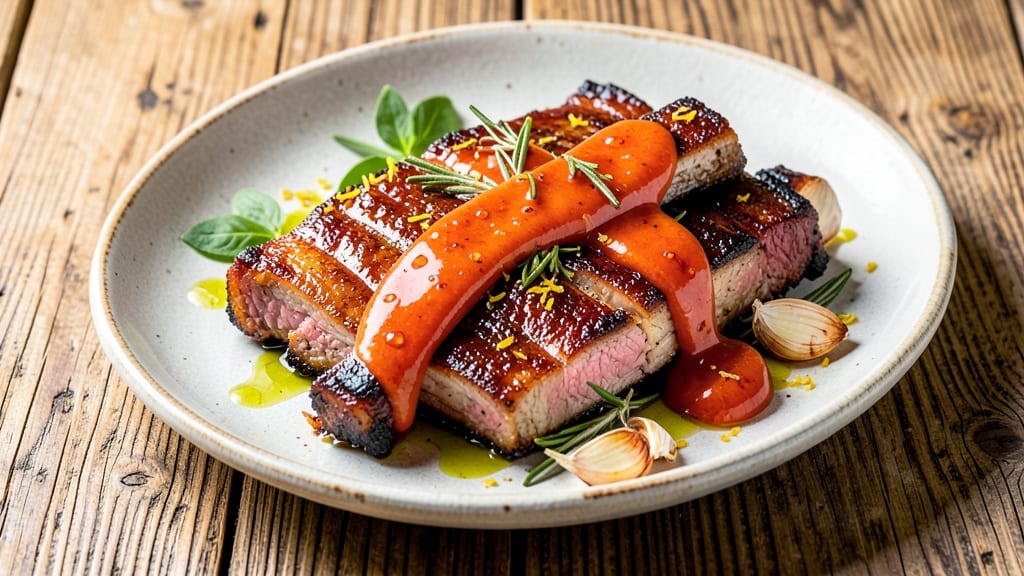
This Mediterranean pork ribs recipe transforms tender meat into crispy, herb-infused perfection with a bright citrus glaze. After years perfecting pork at Atlanta's Smoky Pig, I've adapted these ribs to carry the bold flavors of the Mediterranean—garlicky, lemony, and aromatic—without losing their natural richness.
The secret lies in a slow cook that renders fat while building flavor, followed by a final crisp through the oven.
The recipe begins with a marinade of olive oil, garlic, oregano, and lemon that tenderizes the meat while infusing it with Mediterranean essence. You'll cook the ribs low and slow until they're fork-tender, then glaze them with a tangy citrus reduction that caramelizes into a sticky, flavorful crust.
This method ensures every bite delivers both texture contrast and layered flavor—juicy meat, crispy edges, and that bright citrus finish.
What sets these ribs apart is their versatility. Serve them family-style with warm pita bread for dipping, alongside roasted Mediterranean vegetables, or over a bed of couscous for a complete meal. The citrus glaze also makes them perfect for meal prep—they reheat beautifully while maintaining their crispy edges.
This is pork ribs reimagined, where tradition meets modern technique for a dish that's both comforting and sophisticated.
For those who love pork but want something different, this recipe delivers restaurant-quality results at home.
The combination of slow cooking and high-heat finishing creates ribs that are impossible to resist—crispy enough to satisfy, tender enough to melt in your mouth, and infused with flavors that transport you to a Mediterranean seaside table. Let's get cooking.
Ingredients for mediterranean pork ribs
High-quality Mediterranean ingredients transform simple pork ribs into restaurant-worthy masterpieces.
| Ingredient | Amount | Notes |
|---|---|---|
| Pork Ribs (Baby Back) 🥩 | 4 lb | Bone-in, meaty sections preferred |
| Extra-Virgin Olive Oil 🫒 | ½ cup | High-quality, fruity variety |
| Garlic Cloves 🧄 | 8 cloves | Fresh, peeled and smashed |
| Fresh Oregano Leaves 🌿 | ⅓ cup | Packed, stems removed |
| Lemon Zest 🍋 | 1 tbsp | From 1 large organic lemon |
| Lemon Juice 🍋 | ½ cup | Freshly squeezed |
| Dried Thyme 🌿 | 1 tbsp | Or 1 tbsp fresh chopped |
| Ground Black Peppercorns 🌶️ | 1 ½ tsp | Freshly cracked preferred |
| Diamond Crystal Kosher Salt 🧂 | 2 tbsp | For seasoning and curing |
| Orange Zest 🍊 | 1 tbsp | From 1 large navel orange |
| Orange Juice 🍊 | ½ cup | Freshly squeezed |
| Honey 🍯 | ¼ cup | Wildflower preferred |
| Red Wine Vinegar 🍷 | 2 tbsp | Dry, bold variety |
| Fresh Rosemary 🌿 | ¼ cup | Needles finely chopped |
The ribs are the foundation—baby back cuts deliver the best meat-to-bone ratio for this technique. Source them from local butchers or Whole Foods where they're typically sold bone-in and meaty. Look for vibrant color and good marbling; avoid cuts with excessive fat or yellowing. For the citrus components, organic lemons and navel oranges provide the brightest, most flavorful zest and juice. I always grab mine from Trader Joe's—their Mediterranean produce section is unmatched for this recipe. Fresh herbs are non-negotiable here; dried versions simply can't replicate the aromatic complexity. Store-bought dried oregano often contains fillers, so Penzeys or bulk bins are ideal for the best quality.
No fresh oregano? Dried oregano at half the amount works in a pinch, though the flavor will be more subdued. Substitute orange juice with grapefruit juice for extra tartness, though the color will differ. For the honey, agave nectar provides a similar viscosity and sweetness profile. The red wine vinegar can be swapped for apple cider vinegar, though it lacks the depth of Mediterranean acidity. When prepping the marinade, zest the lemons and oranges using a microplane for maximum surface area and flavor extraction. The garlic should be smashed—not minced—to prevent it from turning bitter during the slow cook. For those avoiding honey, maple syrup maintains the glaze's stickiness while keeping the recipe vegan.
These ribs are best made a day ahead—the flavors deepen significantly after resting. Store the cooked ribs in an airtight container with the citrus glaze spooned over the top; they'll keep for 4-5 days in the fridge. For longer storage, freeze the ribs without the glaze (which can separate) for up to 3 months350°F oven for 10-15 minutes, basting with a little reserved glaze to restore crispiness. The glaze itself can be reheated separately—simmer it on the stove for 3-4 minutes until thickened. Portion the ribs into individual containers for easy meal prep; the glaze can be reheated and drizzled fresh before serving.
Why You'll Love This Recipe
- One-Pan Magic: I swear by this—just ribs, olive oil, and a handful of garlic. No fancy prep, no extra dishes. Toss everything on a sheet pan, let the oven do the work, and you’re left with golden, crispy edges and tender meat. Minimal chopping required.
- Bright & Herby: That lemon zest and fresh oregano? It’s the secret weapon. The bright citrus cuts through the richness of the pork, while the oregano adds a fragrant, earthy depth. Honestly, it’s the kind of flavor that makes you reach for seconds without even thinking.
- Weeknight Crowd-Pleaser: Between us, this is my go-to for game day, family dinners, or even a lazy Sunday. The ribs are hearty enough for a main but light enough to pair with anything—grilled veggies, crusty bread, or even a simple salad. No stress, no fuss.
- Leftovers That Don’t Suck: I make a double batch on purpose. The ribs stay juicy for days, and the flavors only get better as they sit. Shred them for tacos, sandwiches, or pasta—whatever you’re craving. Plus, it’s way cheaper than takeout. (Yes, even on a Tuesday night.)
Step-by-step instructions for Mediterranean pork ribs
Transform humble pork ribs into a vibrant Mediterranean masterpiece with this herb-infused technique.
Prepare the Herb Marinade
In a food processor, combine the 0.5 cup extra-virgin olive oil, 8 cloves garlic, 0.33 cup fresh oregano leaves, 1 tbsp lemon zest, 1 tbsp dried thyme, 1.5 tsp ground black peppercorns, 1 tbsp orange zest, 0.25 cup fresh rosemary, and 2 tbsp red wine vinegar. Process until the mixture becomes a smooth, vibrant paste with no visible chunks.
Transfer this marinade to a large bowl and whisk in the 0.5 cup lemon juice and 0.5 cup orange juice. The citrus will brighten the flavors while the herbs and vinegar create a complex, aromatic base. This marinade should have a rich, herbal aroma with a tangy citrus note - that's exactly what we want for the ribs.
Coat and Cure the Ribs
Pat the 4 lb pork ribs completely dry with paper towels, removing any excess moisture from the surface. This step is crucial - moisture prevents the marinade from adhering properly and creates a barrier between the meat and the flavors.
Place the ribs in a large resealable plastic bag and pour the marinade over them. Seal the bag and massage the marinade into every crevice of the ribs, ensuring complete coverage. Refrigerate for at least 4 hours or preferably overnight - this extended curing time allows the marinade to penetrate deeply and tenderize the meat.
Build the Citrus Glaze
In a small saucepan, combine the 0.25 cup honey, remaining marinade from the bag (about 1/3 cup), and 2 tbsp red wine vinegar. Bring to a simmer over medium heat and cook for 5-7 minutes, stirring constantly, until the mixture reduces by about half and becomes syrupy.
The glaze should coat the back of a spoon and have a beautiful amber color with visible threads. Remove from heat and let cool slightly - it will thicken further as it cools. This glaze will caramelize beautifully on the ribs while adding a perfect balance of sweetness and acidity to complement the herbaceous marinade.
Cook the Ribs to Perfection
Preheat your oven to 375°F. Remove the ribs from the marinade (reserve the remaining marinade for basting) and place them on a wire rack set over a baking sheet. This rack allows air to circulate underneath, promoting even cooking and crispy edges.
Roast the ribs for 1 hour 15 minutes, basting with the reserved marinade every 20 minutes. The ribs are done when they reach an internal temperature of 195-203°F at the thickest part and can be easily pulled apart with two forks. The exterior should be deep golden brown with visible caramelization from the glaze.
Finish with Glaze and Rest
Brush the cooled citrus glaze generously over the cooked ribs, coating them completely. Return to the oven for 5-7 minutes to allow the glaze to caramelize and set. This final step creates that beautiful glossy finish and intensifies all the flavors.
Transfer the ribs to a cutting board and let rest for 10 minutes before serving. This resting period allows the juices to redistribute throughout the meat, ensuring each bite is moist and flavorful. The ribs should have a beautiful balance of crispy edges, tender meat, and that vibrant citrus-herb glaze.
Pro Tips For Making Mediterranean Pork Ribs
- CRANK THE HEAT FIRST: Start your ribs over high heat for the first 5 minutes—this isn’t about cooking them through, but about searing the edges until they’re deep golden. I used to low-and-slow from the start, and the ribs always tasted duller. That initial blast locks in flavor and gives you that crispy crust you’re after.
- SMASH THAT GARLIC: Don’t just mince your garlic—smash those cloves with the flat side of your knife first. It releases more oil and flavor, and the ribs will soak up that garlic punch like a sponge. I was skeptical until I tried it, and now I can’t imagine doing it any other way.
- DON’T SKIP THE LEMON ZEST: That lemon zest isn’t just for garnish—rub it into the ribs before cooking, not just at the end. The citrus brightens the whole dish and cuts through the richness of the pork. I used to add it last-minute, and the flavor felt like an afterthought.
- USE A MIX OF OILS: Stick to extra-virgin olive oil for the marinade, but finish with a light coat of neutral oil (like avocado or grapeseed) before serving. It keeps the ribs juicy without overpowering the Mediterranean flavors. I learned this the hard way after serving ribs that were dry by the end.
Pro cooking tips for great mediterranean pork ribs
Mediterranean Marinade Mastery
Start with a food processor for your marinade—it creates a silky, chunk-free paste that clings perfectly to the ribs. I use my Cuisinart DP-12 for this step because it handles tough herbs like rosemary without overheating.
The key is smashed garlic (not minced) to prevent bitterness during the long cook. 🌿
For maximum flavor penetration, massage the marinade into every crevice of the ribs by hand—don't just pour it on. I like to work in a large resealable bag (like Hefty Ultra Thick) because it's easy to knead and seal tightly.
This step is where the magic happens—4 hours minimum, but overnight is ideal for restaurant-quality tenderness.
Citrus Glaze Technique
The glaze needs constant stirring while reducing to avoid burning. I use a small stainless steel saucepan (like All-Clad) because it conducts heat evenly and won't react with the acidity. Reduce until it reaches 160°F internal temperature—this ensures proper caramelization without overcooking.
For that restaurant-quality gloss, brush the glaze on hot ribs (straight from the oven) and return for 5-7 minutes—this creates the perfect balance of sticky and crispy. Pro tip: If the glaze thickens too much while cooling, thin it with 1 tsp water before brushing.
Oven vs. Grill Decision
While grilling works, the oven gives you more consistent temperature control—critical for these ribs. I use my Lodge cast iron Dutch oven as a makeshift roasting pan when I don't have a rack. The 375°F setting is perfect for breaking down collagen without drying out the meat.
For extra crispiness, finish under the broiler for 1-2 minutes—just watch closely to avoid burning. The glaze will bubble and darken beautifully, creating that signature Mediterranean sheen. This final step is what transforms good ribs into showstopping centerpieces. 🔥
Resting Like a Pro
Never skip the 10-minute rest—this is where the juices redistribute. I place my ribs on a wooden cutting board (like John Boos) because it absorbs moisture better than plastic. Tent loosely with foil if serving immediately to keep them warm.
For meal prep, portion ribs into airtight glass containers with the glaze spooned on top. Reheat covered at 350°F for 10-15 minutes—the glaze will re-crisp beautifully. The secret to reheating is low and slow to prevent drying out the meat.
Nutrition facts
Frequently asked questions
Can I use bone-in pork ribs instead of baby back ribs?
Yes, but baby back ribs are ideal for this recipe because they're more tender and cook faster. If using spareribs (St. Louis-style), expect a longer cook time—2-3 hours instead of 1 hour 15 minutes. The key is to monitor the internal temperature (195-203°F) rather than time. For spareribs, trim excess fat first to prevent flare-ups during cooking.
How do I adjust the recipe for a slow cooker?
Place the marinated ribs in your slow cooker and cook on low for 6-8 hours or high for 4-5 hours. Add 1/2 cup water or broth to prevent drying. After cooking, transfer to a baking sheet and broil for 5 minutes to crisp the edges, then brush with the citrus glaze. The slow cooker method works well for meal prep—just reheat covered at 350°F for 10 minutes.
What's the best way to store leftovers?
Store cooked ribs in an airtight container with the citrus glaze spooned over the top. They'll keep for 4-5 days in the fridge. For longer storage, freeze the ribs without the glaze (it can separate) for up to 3 months. When reheating, cover with foil and warm in a 350°F oven for 10-15 minutes, then drizzle with fresh glaze to restore crispiness.
Can I make this recipe without honey?
Substitute the honey with maple syrup for a vegan option or agave nectar for a neutral sweetness. For extra tang, add 1 tbsp red wine vinegar to the glaze. The glaze will still caramelize beautifully—just monitor it closely as maple syrup has a different reduction point. The citrus flavors will shine through either way!
What sides pair best with these Mediterranean ribs?
Serve with warm pita bread for dipping, roasted Mediterranean vegetables (zucchini, bell peppers, eggplant), or a Greek salad with feta and olives. For a complete meal, pair with couscous or orzo salad. The bright citrus glaze also complements cooling tzatziki sauce or garlic yogurt dip—perfect for balancing the rich pork.