
Main Courses
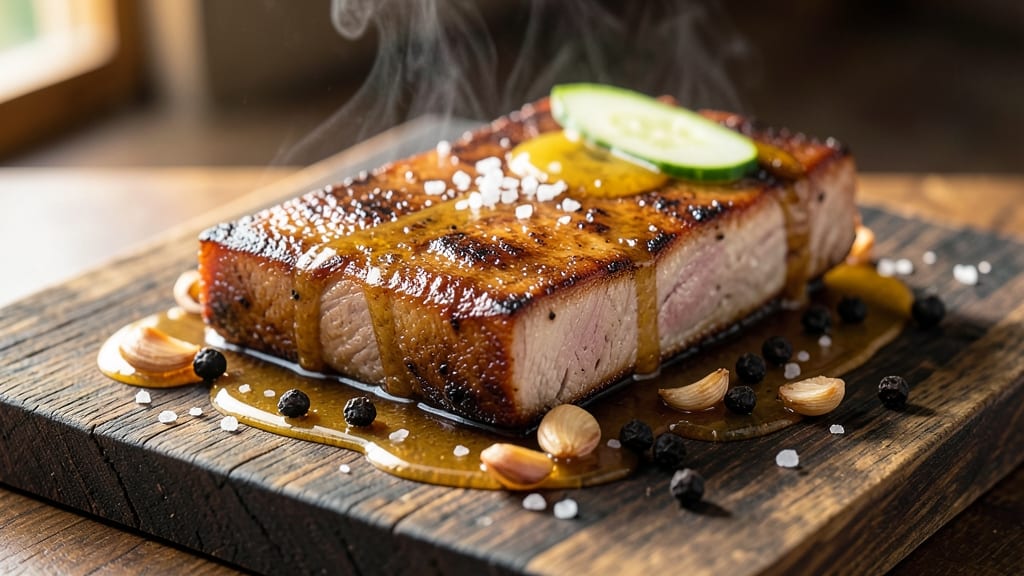
This Filipino pork barbecue recipe transforms simple pork into sticky-sweet, caramelized perfection—where pineapple juice works magic as both marinade and glaze. 🔥 As someone who grew up with the smoky-sweet balance of lechon kawali, I know how a few key techniques can turn ordinary meat into something unforgettable.
The secret lies in marinating overnight, then basting with that tangy-sweet pineapple juice while cooking until the edges develop a deep caramelized crust.
The process is simpler than it sounds: tender pork shoulder gets marinated in a blend of soy sauce, garlic, and pineapple juice, then slow-cooked until it practically falls apart.
What makes this dish special is how the pineapple juice doesn't just flavor the meat—it caramelizes into a glossy glaze that clings to every shred, creating that signature Filipino sweet-and-savory profile. The result? Juicy, tender pork with a complex flavor that's both bold and balanced.
What you'll end up with is restaurant-quality Filipino pork barbecue that's perfect for serving with steamed rice and pickled vegetables (like atchara). The caramelized edges contrast beautifully with the tender interior, while the pineapple glaze adds just the right amount of tangy sweetness.
This isn't just a recipe—it's a celebration of Filipino comfort food that brings the flavors of home to your table.
Whether you're grilling for a family gathering or meal prepping for the week, this dish delivers restaurant-quality results with minimal effort. The marinating does most of the work while you sleep, and the cooking process is hands-off once you get it going. Let's make this sticky-sweet masterpiece!
Ingredients for filipino pork barbecue recipe with pineapple juice
Pineapple juice, soy sauce, and tender pork shoulder—these ingredients create Filipino barbecue magic.
| Ingredient | Amount | Notes |
|---|---|---|
| Boneless Pork Shoulder 🥩 | 3 lb | Cut into 2-inch chunks |
| Fresh Pineapple Juice 🍍 | 1 ½ cups | From 1 medium pineapple |
| Soy Sauce 🥄 | ½ cup | Use high-quality light soy |
| Garlic Cloves 🧄 | 8 cloves | Minced for marinade |
| Brown Sugar 🍚 | ¼ cup | Packed, light brown preferred |
| Black Peppercorns 🌶️ | 1 tsp | Freshly cracked |
| Ground White Pepper 🌶️ | ½ tsp | For subtle heat |
| Olive Oil 🫒 | 2 tbsp | Extra-virgin for richness |
| Bay Leaves 🌿 | 2 whole | For aromatic depth |
| Fresh Ginger 🌿 | 1 tbsp | Grated, aromatic |
| Fish Sauce 🍶 | 1 tbsp | For umami depth |
| White Vinegar 💧 | 1 tbsp | For tangy balance |
| Sesame Oil 🫒 | 1 tsp | For finishing aroma |
| Steamed White Rice 🍚 | 3 cups | For serving |
The pork shoulder is non-negotiable—bone-in cuts stay juicier, but boneless works too. Grab a 3-pound cut from Costco or your local butcher for the best value. If you can't find fresh pineapple juice, canned pineapple juice (no pulp) works in a pinch, but fresh gives that unmatched caramelization. The soy sauce should be light soy—dark soy adds color but overpowers the delicate balance. For the garlic, peel and mince it fresh—jarred minced garlic lacks the aromatic punch. The fish sauce adds that signature umami kick, so Red Boat or Three Crabs brands are worth the splurge if you're using it often.
No pineapple juice? Substitute with mango nectar or apple juice, though the caramelization won't be as deep. Short on soy sauce? Coconut aminos work in a bind, but you'll lose some saltiness. The brown sugar can be swapped for coconut sugar or maple syrup for a less refined taste. If you're avoiding fish sauce, extra soy sauce plus a pinch of MSG mimics the umami. For the pepper, white pepper is traditional, but black works if that's what you have. The sesame oil is purely for aroma—use toasted sesame oil if available, but regular works fine. And if you're making this ahead, marinate the pork for 24 hours—the longer it sits, the more tender and flavorful it becomes.
This dish tastes even better the next day—make extra for leftovers. Store in an airtight container in the fridge for 4-5 days, or freeze for 3 months (the glaze stays sticky but delicious). The rice? Cook it fresh when serving—it absorbs all that glorious caramelized glaze. For meal prep, portion the pork into containers with a little extra glaze on top—it reheats beautifully in the microwave or oven. And if you've got any leftover pineapple juice, save it for cocktails or marinades—it's too good to waste.
Why You'll Love This Recipe
- Fewer Ingredients, Bigger Bang: I swear by this recipe because it’s ridiculously simple—just pork, pineapple juice, garlic, and a splash of soy. No fancy marinades or last-minute shopping runs. The pineapple juice does all the work, tenderizing the meat while keeping it juicy, and the brown sugar caramelizes into a sticky, sweet-savory glaze that’s impossible to resist.
- Sweet-Savory Magic: That crispy, caramelized crust on the outside? Pure satisfaction. The garlic cloves, smashed and charred, add a nutty depth, while the pineapple juice keeps the pork impossibly tender. It’s the kind of dish where every bite balances sweet, smoky, and umami—no fancy plating needed.
- Weeknight & Potluck Hero: Between us, this is my go-to when I need something hearty but still easy to double. Toss extra portions into rice for leftovers, or pack it for lunch the next day—it reheats like a dream. And if you’re bringing a dish to a gathering? This feeds a crowd without looking like you slaved over it.
- Budget Stretch: Pork shoulder is affordable, and a single pineapple lasts for multiple batches. I’ll be real: I’ve made this three times in a month, and the cost per serving is a steal. Plus, the leftovers taste just as good cold, so I’m always stocking up—no waste, all flavor.
Step-by-step instructions for Filipino pork barbecue
Here's how to transform tough pork into tender, caramelized perfection with that signature Filipino sticky-sweet glaze.
🍳 Step 1: Marinate the Pork for Maximum Flavor
In a large bowl, combine the 3 lb boneless pork shoulder cut into 2-inch chunks, 1.5 cups fresh pineapple juice, 0.5 cup soy sauce, 8 cloves minced garlic, 0.25 cup packed brown sugar, 1 tbsp grated fresh ginger, 1 tbsp fish sauce, and 1 tbsp white vinegar. Mix thoroughly until every piece of pork is coated.
Cover the bowl and refrigerate for at least 4 hours (overnight is best). This marinade works magic—breaking down tough fibers while infusing the pork with that perfect balance of sweet, tangy, and umami flavors. You'll notice the pork absorbing the marinade and becoming more tender as it sits.
🔥 Step 2: Sear the Pork for Deep Flavor
Heat 2 tbsp olive oil in a large Dutch oven or heavy pot over medium-high heat. Working in batches (to avoid crowding), add the marinated pork and sear for 3-4 minutes per side until deep golden brown and slightly caramelized. I press down gently on the pork with a spatula during the first minute—this prevents it from curling and ensures even contact with the pan.
As you sear, you'll smell that incredible aroma of caramelizing pork and garlic. Don't rush this step—those browned bits are pure flavor. Once all pork is seared, remove it from the pot and set aside.
🥘 Step 3: Simmer the Pork Until Fork-Tender
In the same pot, add 2 whole bay leaves, 1 tsp freshly cracked black peppercorns, and 0.5 tsp ground white pepper. Return the seared pork to the pot, along with any accumulated juices. Pour in the remaining marinade (about 1 cup) and bring to a gentle simmer over medium-low heat. Cover partially and cook for 2-2.5 hours, turning the pork occasionally, until it shreds easily with two forks.
Here's the thing—the pork should be fork-tender with a thick, glossy sauce clinging to it. If the liquid reduces too quickly, add 2-3 tablespoons of water to maintain moisture. The pork is done when it pulls apart effortlessly, revealing juicy, melt-in-your-mouth texture.
⏰ Step 4: Create the Caramelized Pineapple Glaze
Once the pork is tender, remove it from the pot and strain the cooking liquid through a fine-mesh sieve into a clean saucepan. Place the pot back on medium heat and bring the liquid to a gentle boil. Let it reduce by half—this should take about 10-12 minutes—until it thickens into a glossy, syrupy consistency.
Here's where the magic happens: stir in 1 tsp sesame oil and simmer for another 2 minutes. The sesame oil adds that distinctive aroma that makes this dish truly Filipino. Taste the sauce and adjust seasoning if needed—you might want to add a touch more soy sauce for saltiness or brown sugar for sweetness.
🍽️ Step 5: Finish and Serve Over Steamed Rice
Return the shredded pork to the reduced sauce and toss gently to coat. Let it simmer for 2-3 minutes to absorb all that glorious flavor. The pork should be glossy and sticky, with the sauce clinging beautifully to each strand.
Serve immediately over 3 cups steamed white rice, spooning generous amounts of pork and sauce on top. Each bite should deliver tender, caramelized pork with a perfect balance of sweet, tangy, and savory flavors. The rice soaks up that delicious sauce, making every mouthful a flavor explosion. Don't forget to garnish with extra sesame oil if you're feeling fancy!
Pro Tips For Making Filipino Pork Barbecue Recipe With Pineapple Juice
- USE A HEAVY HOT PAN: The pork shoulder needs to sear fast—high heat for 3-4 minutes per side until deep golden. I learned this the hard way: low heat means mushy edges and a dish that tastes more like stew than barbecue. Crank that burner to medium-high and don’t walk away.
- STRAIN THE PINEAPPLE JUICE: Fresh pineapple juice is key, but pulp clogs the pan and burns. Strain it through a fine-mesh sieve into a bowl—yes, even if you’re in a hurry. The clear juice caramelizes better and won’t turn your sauce into a sticky mess.
- DON’T SKIP THE GARLIC MASH: After mincing, smash the garlic cloves flat with the side of your knife first. This releases more flavor and prevents clumping in the pan. I used to just chop it, and the dish always tasted underwhelming—now it’s the star.
- BALANCE THE SWEET-SAVORY: Start with half the brown sugar, taste, then add more if needed. Too much sugar masks the soy sauce’s depth, and the pineapple juice will overpower the pork. Adjust in small increments—this isn’t a science experiment, but close.
Wine and beer pairings for these flavors
Filipino-Inspired Reds
For this dish, I reach for Filipino-inspired red wines that can stand up to the sweet-tangy complexity. A Tempranillo from Spain—like Bodegas Muga Reserva—works beautifully with its dark fruit and subtle earthiness. The wine's acidity cuts through the caramelized glaze while its bold tannins complement the pork's richness.
I also love a Grenache-Syrah blend from the Rhône Valley, such as Guigal Côtes du Rhône, for its juicy berry notes that echo the pineapple's sweetness without overpowering it. 🍷
Craft Beer Pairings
If wine isn't your thing, Filipino-style craft beers are a fantastic alternative. Look for a hazy IPA with tropical fruit notes—like Allagash White—which mirrors the pineapple's brightness. The beer's citrusy hop profile balances the dish's sweetness, while its effervescence cleanses the palate.
For something smoother, try a Belgian-style witbier like Hoegaarden, which adds a crisp, slightly spiced contrast to the caramelized pork. The coriander and orange peel notes in these beers enhance the dish's aromatic depth.
Local Filipino Lagers
Don't overlook Filipino-made lagers if you want to stay true to the flavors. Brands like San Miguel Pale Pilsen or Red Horse Original offer a clean, refreshing backdrop that lets the pork's caramelized glaze shine.
Their light malt sweetness complements the dish without competing, while their crisp finish helps reset your palate between bites. These beers are easy to find in Asian grocery stores and pair surprisingly well with the dish's bold flavors.
Non-Alcoholic Options
For a refreshing non-alcoholic option, I recommend a sparkling pineapple soda—like San Pellegrino Aranciata Rossa mixed with a splash of pineapple juice. The effervescence and citrus notes mirror the dish's tropical profile while keeping things light.
Alternatively, a hibiscus iced tea** (known as sampalok in the Philippines) adds a tart, floral contrast that balances the pork's richness. Both options are easy to find at international markets or make at home with fresh ingredients. 💛
Pro Tip: Garnish Your Drink
To elevate your pairing, garnish your wine or beer with a pineapple wedge or a sprig of fresh mint—this mirrors the dish's key flavors and makes the experience feel even more cohesive.
For cocktails, a lime twist or cilantro sprig adds a bright, herbaceous note that complements the pork's caramelization. Trust me, these small touches make a big difference in how the flavors come together on your plate and in your glass.
Nutrition facts
Frequently asked questions
Can I use canned pineapple juice instead of fresh?
You can, but fresh pineapple juice gives the best results for caramelization. Canned juice works in a pinch—just choose "no pulp" varieties to avoid chunky texture. For deeper flavor, add 1 teaspoon lime juice to mimic fresh pineapple's brightness.
How do I prevent the pork from drying out?
Keep the pork covered with liquid during cooking and avoid high heat. If the sauce reduces too quickly, add 2-3 tablespoons of water or pineapple juice to maintain moisture. The pork is done when it shreds easily—don't overcook!
What's the best cut of pork for this recipe?
Pork shoulder (also called Boston butt) is ideal—it's flavorful and becomes tender with slow cooking. For extra juiciness, use bone-in cuts. If you prefer leaner meat, pork tenderloin works but may need less cooking time (1.5-2 hours instead of 2-2.5).
Can I make this in a slow cooker?
After searing, transfer everything to a slow cooker and cook on low for 6-7 hours or high for 4-5 hours. The slow cooker keeps the pork moist while developing deep flavor. Just reduce the sauce separately at the end for that glossy finish.
Why does my glaze taste too sweet?
Balance it with soy sauce or fish sauce—just 1 teaspoon at a time—to add umami depth. The pineapple's natural acidity should complement, not overpower. If it's still too sweet, add a splash of white vinegar or lime juice to brighten the flavors.