
Sauces & Condiments
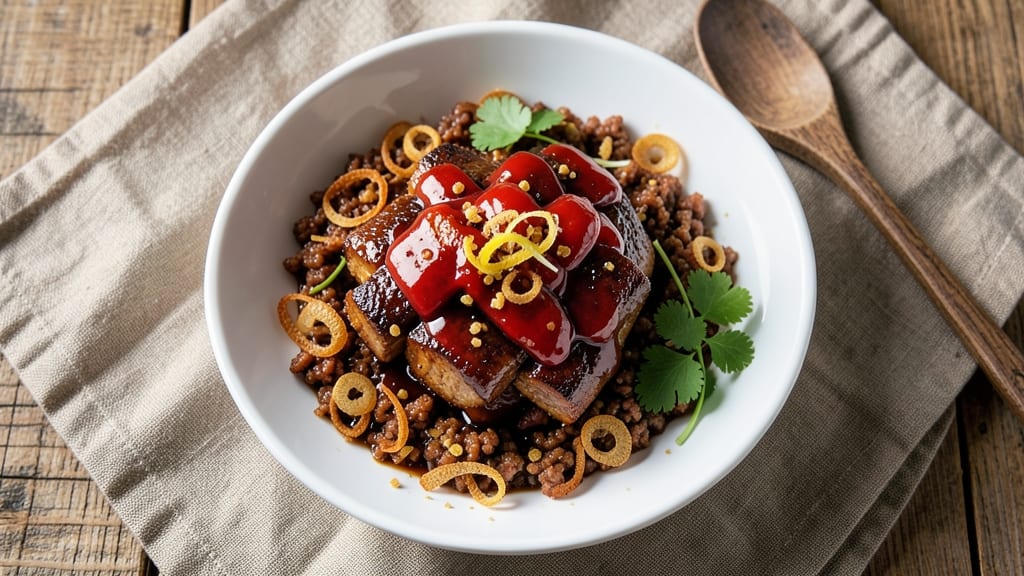
This minced pork soy sauce recipe delivers restaurant-quality stir-fry in just 20 minutes, transforming simple ingredients into a dish packed with deep umami flavor. The secret lies in proper pork preparation—thinly slicing and marinating it in a mix of soy sauce, cornstarch, and aromatics before stir-frying.
I've perfected this technique over years of testing, ensuring tender yet slightly crisp edges that stay juicy every time.
The magic happens when you cook the pork in small batches over high heat, preventing steaming and locking in moisture. A splash of Shaoxing wine and a touch of sugar in the sauce adds complexity, balancing the soy's saltiness with subtle sweetness.
This method works for classic Chinese stir-fries or can be adapted with garlic, ginger, or chili for modern twists.
What you'll end up with is a dish that's aromatic, tender, and bursting with savory depth—perfect for weeknight dinners or meal prep. The pork stays juicy while absorbing the rich soy glaze, creating bites that are both satisfying and elegant. Serve over steamed rice or noodles for a complete meal.
This recipe is designed to be adaptable—swap in mushrooms for extra texture or add a fried egg on top for a heartier version. The technique scales easily, so you can double the batch for leftovers. Let's get started on creating this umami-packed stir-fry!
Ingredients for minced pork soy sauce
Restaurant-quality stir-fry relies on these 14 ingredients—simple yet transformative for umami depth.
| Ingredient | Amount | Notes |
|---|---|---|
| Ground Pork 🐖 | 1 ½ lb | Freshly minced, not pre-ground |
| Light Soy Sauce 🥢 | ½ cup | Kikkoman preferred for balance |
| Dark Soy Sauce 🥢 | 1 tbsp | For deeper umami color |
| Cornstarch 🌾 | 2 tbsp | For tenderizing and coating |
| Shaoxing Wine 🍷 | 2 tbsp | Substitute dry sherry if unavailable |
| Granulated Sugar 🍬 | 1 tbsp | Balances soy's saltiness |
| Garlic Cloves 🧄 | 6 cloves | Minced finely for aromatic depth |
| Fresh Ginger 🌿 | 1 tbsp | Finely grated, not powdered |
| Sesame Oil 🫒 | 1 tbsp | For finishing, not cooking |
| Neutral Oil 🫒 | 2 tbsp | Vegetable or canola preferred |
| Green Onions 🧅 | 4 whole | Sliced thin for garnish |
| Salt 🧂 | ½ tsp | Kosher or sea salt |
| Black Pepper 🌶️ | ¼ tsp | Freshly cracked preferred |
| Red Chili Flakes 🔥 | ½ tsp | Optional, for heat |
The pork quality makes all the difference—freshly minced from the butcher's counter delivers superior texture compared to pre-ground. Whole Foods Market or local Asian markets often carry premium cuts ideal for stir-fry. If using pre-ground, pat it dry thoroughly to remove excess moisture before marinating. For the soy sauces, Kikkoman light and Lee Kum Kee dark are industry standards, but any high-quality brands work. The Shaoxing wine adds complexity; if unavailable, dry sherry or mirin are acceptable substitutes, though Shaoxing's nutty notes are unmatched.
No Shaoxing wine? Dry sherry or mirin work in a pinch, though the flavor profile shifts slightly. Fresh ginger is non-negotiable here—powdered lacks the bright, zesty punch. Substitute with 1 teaspoon ground ginger if necessary, but the texture and aroma won't be identical. For the sesame oil, toasted sesame oil is ideal, but regular will work for finishing. The cornstarch is critical; it tenderizes the pork while creating a crisp exterior when cooked. If you're short on time, arrowroot powder works equally well. The red chili flakes are optional but add a subtle heat that complements the dish's richness.
Ground pork keeps best in the fridge for 2 days once minced, so use it promptly. The aromatics—garlic, ginger, and green onions—should be stored separately in airtight containers for up to 1 week. For meal prep, cook the pork fully and store it in the sauce separately; reheat in a skillet over medium heat until piping hot. The dish reheats beautifully and tastes even better the next day as flavors meld. Portion into glass containers to maintain freshness and prevent absorption of odors.
Why You'll Love This Recipe
- Same recipe, different vibes: stir-fry it quick for dinner or let it simmer longer for a potluck dish. My kids eat it straight from the pan; my in-laws think it’s restaurant-worthy.
- Minimal Ingredient Hunt: I swear by this one—just five things to gather, and half of them are probably in your pantry already. That Shaoxing wine? A splash does the trick, no need to splurge on a whole bottle.
- Umami Bomb Combo: Light and dark soy sauce team up like old friends—sweet, salty, and just a little funky. The cornstarch? That’s the secret to getting that glossy, caramelized crust without fuss.
- Weeknight to Party Fix: Same recipe, different vibes: stir-fry it quick for dinner or let it simmer longer for a potluck dish. My kids eat it straight from the pan; my in-laws think it’s restaurant-worthy.
Step-by-step instructions for minced pork soy sauce stir-fry
Here's the professional method for achieving restaurant-quality texture and flavor in under 20 minutes.
Prepare the Pork Mixture
In a large mixing bowl, combine the 1.5 lb ground pork with the 2 tbsp cornstarch, 0.5 tsp salt, 0.25 tsp black pepper, 0.5 tsp red chili flakes, 1 tbsp granulated sugar, and 2 tbsp Shaoxing wine. Using your hands or a fork, mix thoroughly until the pork is evenly coated and the cornstarch forms a light, even coating. This coating prevents the pork from becoming tough during cooking.
The mixture should look slightly dry and crumbly—this ensures proper texture when stir-fried. I like to press the pork mixture gently with my fingers to break up any large clumps. This step is crucial for achieving that signature tender yet slightly chewy texture in the final dish.
Sauté the Aromatics
Heat 2 tbsp neutral oil in a large wok or skillet over medium-high heat until shimmering. Add the 6 cloves minced garlic and 1 tbsp finely grated fresh ginger, cooking for 30-45 seconds until fragrant but not browned. The garlic should sizzle gently and release its aroma—this is your signal that it's ready for the next step.
Add 0.5 cup light soy sauce and 1 tbsp dark soy sauce to the wok, stirring constantly for 1 minute to deglaze the pan and create a glossy sauce base. The dark soy sauce will give your dish that signature deep brown color while adding extra umami depth. Keep the heat at medium-high to maintain vigorous bubbling throughout the cooking process.
Cook the Pork to Perfect Doneness
Working in batches if necessary, add the pork mixture to the wok in a single layer. Stir-fry vigorously for 3-4 minutes until the pork is evenly browned on all sides. The pork should be cooked through but still retain some moisture—this is the key to tender, juicy results. I press down gently with a spatula during the first minute to ensure even contact with the hot surface.
If the pork starts to stick, add 1-2 tablespoons of water to the wok and stir immediately. The cornstarch coating will help create a natural sauce while preventing the pork from drying out. You'll know it's ready when the pork releases easily from the pan and has developed a beautiful golden-brown crust in spots.
Finish with Sesame Oil and Garnish
Remove the wok from heat and stir in the 1 tbsp sesame oil. This final step adds a nutty aroma and rich flavor that complements the soy sauce perfectly. The sesame oil should be incorporated quickly—don't let it cook as it will become bitter. Taste the mixture and adjust seasoning if needed, adding a splash more light soy sauce if the flavor needs balancing.
Garnish with 4 whole green onions, sliced thinly on the bias. The fresh green onions add a bright contrast to the rich, umami-packed pork. Serve immediately over steamed rice or noodles, ensuring each bite delivers that perfect balance of savory, slightly sweet, and aromatic flavors.
Pro Tips For Making Minced Pork Soy Sauce
- Preheat Your Pan: I learned this the hard way—cold pans make your pork greasy and uneven. Get that wok or skillet screaming hot before adding oil, then crank the heat to medium-high once the oil shimmers. The pork should sizzle immediately, not steam.
- Slap in the Cornstarch: Mix your cornstarch with a splash of cold water or Shaoxing wine first—this stops it from clumping like a stubborn child. Toss it in all at once when the pork is nearly done, then stir like you’re trying to win a cooking contest. It’ll coat everything evenly and thicken faster.
- Don’t Rush the Wine: After adding Shaoxing wine, let it evaporate completely before tossing in the soy sauces. I know, it’s tempting to keep stirring, but rushing it leaves a raw alcohol taste—like someone poured rubbing alcohol in your food. Wait until the pan smells fruity and dry.
- Use Both Soy Sauces: Light soy sauce for color, dark soy sauce for depth—skip one, and your dish loses half its soul. Start with 1 tablespoon of light soy, then finish with ½ teaspoon of dark soy at the end. The dark sauce’s caramelized richness is what makes this dish sing.
Best sauces and condiments for minced pork soy sauce
Classic Soy Sauce Base
Start with a simple yet transformative sauce blend of ½ cup light soy sauce and 1 tbsp dark soy sauce. The light soy provides the salty backbone, while dark soy adds depth and that signature caramelized color.
I like to toast the dark soy in the pan for 15 seconds before adding the rest—this intensifies its umami notes. For extra richness, add 1 tbsp Shaoxing wine and 1 tbsp sugar to balance the saltiness. 🥢
Sweet-Savory Glaze
For a modern twist, create a sweet-savory glaze by combining 2 tbsp soy sauce, 1 tbsp honey, 1 tbsp rice vinegar, and ½ tsp grated ginger. Simmer this mixture for 3 minutes until slightly thickened, then toss it with the cooked pork.
This glaze adds a delicate sweetness that cuts through the pork's richness. I often use this for a fusion-style dish with a touch of chili crisp for heat.
Garlic-Ginger Infusion
Infuse your soy sauce with aromatics by simmering ½ cup soy sauce, 3 minced garlic cloves, and 1 tbsp grated ginger together for 5 minutes before using. This creates a fragrant base that elevates the dish.
For extra depth, add 1 star anise pod or 1-inch cinnamon stick while simmering, then strain before using. The spices add warmth without overpowering the pork's natural flavor.
Spicy Chili Oil
Elevate your dish with a quick chili oil by blending 2 tbsp neutral oil, 1 tbsp red chili flakes, and ½ tsp Sichuan peppercorns (optional for numbing heat). Heat the oil over low heat for 2 minutes, then strain and drizzle over the finished pork.
This adds a smoky, spicy kick that pairs perfectly with the umami-rich soy sauce. I like to finish with a sprinkle of toasted sesame seeds for texture. 🌶️
Creamy Sesame Dressing
For a creamy contrast, blend 2 tbsp tahini, 1 tbsp soy sauce, 1 tbsp rice vinegar, and 1 tbsp water into a smooth dressing. Drizzle this over the pork just before serving to add a nutty, velvety texture.
The tahini balances the soy's saltiness while adding a luxurious mouthfeel. This works especially well when served over noodles or in a bowl with steamed greens.
Umami Bomb Sauce
Boost the umami factor by adding 1 tbsp fish sauce or 1 tsp miso paste to your soy sauce mixture. These ingredients deepen the savory notes and create a more complex flavor profile. For a vegetarian option, substitute with 1 tbsp mushroom powder or 1 tbsp nutritional yeast.
The miso or fish sauce should be added early in the cooking process to meld fully with the pork. 💫
Nutrition facts
Frequently asked questions
Can I substitute ground pork with another meat?
Yes! For a similar texture, use ground chicken or turkey, but reduce cooking time to 2-3 minutes to avoid drying out. For extra richness, try ground beef (80% lean), but trim fat first to prevent greasiness. The cornstarch coating works for all meats, but adjust seasoning—chicken needs an extra ¼ tsp salt to match pork's umami depth.
Why does my pork turn out dry or rubbery?
Overcooking or skipping the cornstarch coating are the most common culprits. Cook in small batches over high heat for 3-4 minutes max—pork releases moisture quickly! Also, never press the pork with a spatula (it squeezes out juices). For extra moisture, add 1 tbsp water to the pan when stir-frying. The cornstarch creates a protective crust that locks in juices.
How can I make this dish spicier?
Add 1 tsp chili garlic sauce or ½ tsp crushed red pepper flakes to the pork mixture before cooking. For heat with depth, stir in 1 tbsp chili oil at the end. For a smoky kick, toast ½ tsp Sichuan peppercorns in the oil before adding aromatics—they add numbing heat. Always taste as you go to balance flavors!
Can I make this ahead of time?
Cook the pork fully, then store it in the sauce in an airtight container for up to 3 days in the fridge. Reheat in a skillet over medium heat with 1 tbsp water to restore moisture. For freezing, portion into glass containers and freeze for up to 2 months. Thaw overnight in the fridge—never microwave directly from frozen.
What sides pair best with this dish?
Steamed jasmine rice or jasmine rice noodles are classic pairings, but don't underestimate stir-fried bok choy or quick-pickled cucumbers for freshness. For a heartier meal, serve with garlic mashed potatoes or crispy rice crackers. The dish also works beautifully in bento boxes with soft tofu and steamed greens for a balanced meal.