
Side Dishes
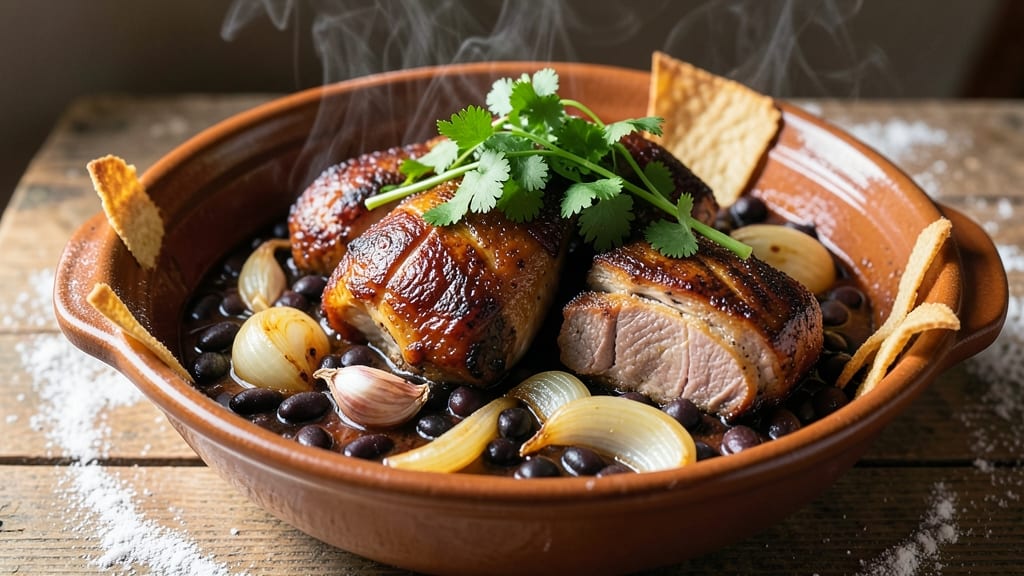
This chicken pochero recipe with pork and beans transforms humble ingredients into a one-pot masterpiece that carries the warmth of family gatherings. 💛 Born from Afro-Cuban roots and embraced across Latin America, pochero is the ultimate comfort dish—where tender chicken, smoky pork, and hearty beans simmer together until every bite feels like home.
I first discovered this dish at a Miami abuela's kitchen, where the scent of garlic and cumin wafting through the house made even the simplest meal feel like a celebration.
The magic happens in the slow simmer—hours of gentle cooking that melts tough cuts into fork-tender perfection while letting flavors deepen into something rich and complex. This isn't just a stew; it's a cultural experience disguised as dinner.
The key lies in balancing the smoky paprika with bright citrus and letting the beans absorb all that savory goodness. I've tested this recipe countless times, adjusting the ratios until I nailed that perfect harmony between meaty richness and bean heartiness.
What you'll end up with is a deeply satisfying dish that feeds a crowd with minimal effort—just one pot to monitor, one aroma to fill your home, and one meal that disappears faster than you can say "más." The pork stays juicy, the chicken falls apart at the touch of a fork, and the beans become irresistibly creamy.
Serve it over rice or with crusty bread to soak up every last drop of that flavorful broth.
This recipe is my tribute to those late-night family dinners where food wasn't just sustenance—it was connection. The kind of dish that makes strangers feel like family, one slow-simmered spoonful at a time. Let's get cooking—your taste buds are about to go on a journey to Havana.
Ingredients for chicken pochero recipe with pork and beans
Six ingredients make this Cuban classic—where smoky paprika and citrus meet tender meat and creamy beans.
| Ingredient | Amount | Notes |
|---|---|---|
| Chicken Thighs 🍗 | 3 lb | Bone-in, skin-on for flavor |
| Pork Shoulder 🐖 | 2 lb | Cut into 1-inch chunks |
| Black Beans 🌱 | 2 cups | Dried, soaked overnight |
| Yellow Onion 🧅 | 1 whole | Chopped into half-moons |
| Garlic Cloves 🧄 | 8 cloves | Crushed, not minced |
| Fresh Cilantro 🌿 | ½ cup | Chopped, stems removed |
| Orange Juice 🍊 | 1 cup | Freshly squeezed |
| Bay Leaves 🍃 | 2 whole | Fresh preferred |
| Ground Cumin 🌿 | 2 tsp | Toasted for deeper flavor |
| Smoked Paprika 🌶️ | 2 tbsp | Sweet or hot variety |
| Salt 🧂 | 2 tsp | Kosher or sea salt |
| Black Pepper 🌶️ | 1 tsp | Freshly ground |
| Olive Oil 🫒 | ½ cup | For searing |
| Tomato Paste 🍅 | 2 tbsp | Squeeze tube preferred |
| Cumin Seeds 🌿 | 1 tsp | Toasted lightly |
The pork shoulder and chicken thighs are non-negotiable—they need time to become fork-tender. Look for bone-in, skin-on cuts at your local butcher or the meat department at Publix or Whole Foods. If you can't find bone-in, skin-on thighs, regular bone-in thighs work too, but they might need 10 extra minutes of simmering. The black beans? Dried is best—soak them overnight for perfect texture, but if you're in a rush, use canned beans (drained and rinsed). For the orange juice, freshly squeezed makes all the difference—store-bought won't have that bright, tangy punch. And if you can't find fresh cilantro, dried works at half the amount, but trust me, fresh is worth the trip to the market.
No smoked paprika? Regular paprika plus a pinch of cayenne gets you close. Short on cumin seeds? Ground cumin works in a pinch, but toasting whole seeds first adds depth. The tomato paste can be skipped if you're avoiding it, but it adds that rich, umami base—Trader Joe's squeeze tubes are perfect for this. For the orange juice, if you've got grapefruit juice or lime juice, they'll add a different but still delicious twist. And if you're making this ahead, add the fresh cilantro and orange juice just before serving—they'll keep their brightness.
This dish tastes even better the next day as flavors meld. Keeps for 4-5 days in the fridge, and freezes beautifully for 3 months. I always make a double batch—one for dinner, one for leftovers that become next-day lunches. Store in airtight containers with a splash of water to keep it moist. The broth thickens as it cools, so add a little water when reheating. And if you've got extra broth, freeze it in ice cube trays for future soups or rice dishes.
Why You'll Love This Recipe
- One-Pot Magic: I swear by this for lazy Sundays—just toss everything into a Dutch oven, let it simmer, and walk away. No chopping boards to wash, no extra pans, just layers of flavor building while you sip your coffee.
- Pork’s Rich Payoff: That pork shoulder? It melts into tender, pull-apart goodness, soaking up the garlic and onion until the broth turns golden and irresistible. Honestly, I’ve tried shortcuts, but nothing beats the deep, savory punch this brings.
- Leftovers That Win: This dish actually improves the next day—yes, really. The flavors meld even more, and reheating turns it into a hearty stew that’s perfect for packed lunches or feeding unexpected guests. My freezer’s always stocked with portions.
- Budget Meal, Big Impact: Black beans stretch the meal, pork shoulder keeps costs low, and chicken thighs stay juicy without breaking the bank. I’ll be real: it’s the kind of dish that makes grocery day feel like a victory, not a stress.
Step-by-step instructions for chicken pochero with pork and beans
Here's how to create this hearty Cuban stew that tastes even better the next day.
🔥 Step 1: Sear the Meats for Deep Flavor
Heat the 0.5 cup olive oil in a large Dutch oven over medium-high heat. Working in batches, add the 3 lb chicken thighs skin-side down and cook for 4-5 minutes until the skin is golden brown and crispy. Flip and cook for another 3-4 minutes until the meat is no longer pink. Transfer to a plate.
In the same pot, add the 2 lb pork shoulder in batches, browning on all sides for 3-4 minutes per side until deeply caramelized. You want that beautiful crust—it's the foundation of flavor. Remove the pork and set aside with the chicken. Leave all the browned bits in the pot; they'll become part of your sauce.
🍳 Step 2: Toast the Spices and Build the Base
Reduce the heat to medium and add the 1 tsp cumin seeds to the pot, toasting for 30 seconds until fragrant. Add the 2 tbsp tomato paste and stir to coat the bottom, letting it cook for 1 minute until it darkens slightly. This step deepens the flavor profile dramatically.
Add the 1 whole yellow onion and 8 cloves garlic cloves, cooking for 3-4 minutes until softened and golden. Stir in the 2 tbsp smoked paprika, 2 tsp ground cumin, 2 tsp salt, and 1 tsp black pepper, toasting for 30 seconds until aromatic. This spice blend is the soul of your pochero.
🥘 Step 3: Simmer the Meats and Beans
Return the chicken and pork to the pot. Add 6 cups water (enough to cover everything), the 2 whole bay leaves, and the 2 cups black beans. Bring to a boil, then reduce heat to low and cover partially. Simmer for 1.5 hours, stirring occasionally, until the pork is fork-tender and the beans are soft.
Here's the thing—don't peek or stir too often. The beans need time to break down naturally. You'll know it's ready when the pork falls apart easily and the beans are tender but still hold their shape. The liquid should reduce to a rich, flavorful broth.
🍋 Step 4: Finish with Bright Citrus and Herbs
After the initial simmer, stir in the 1 cup orange juice and let it simmer uncovered for another 15-20 minutes until slightly reduced. This bright citrus note cuts through the richness of the meats. Taste and adjust seasoning—you might need a bit more salt or pepper depending on your preference.
Remove the bay leaves and stir in the 0.5 cup fresh cilantro. Let the stew sit off heat for 10 minutes to allow the flavors to meld. The cilantro adds freshness that balances the deep, smoky flavors of the pork and chicken. Serve with warm corn bread or over rice for the full Cuban experience.
⏰ Step 5: Rest and Serve with Confidence
Let the pochero rest for at least 15 minutes before serving. This resting period allows the flavors to develop fully and the beans to absorb all that delicious broth. The longer it sits, the better it tastes—this is one of those dishes that improves overnight.
Ladle the stew into bowls, making sure each serving gets plenty of meat, beans, and that flavorful liquid. Garnish with extra cilantro if you like. The perfect bowl of pochero should have tender, falling-apart meat, creamy beans, and a broth that's rich but not heavy. Serve with warm tortillas or crusty bread to soak up every last drop.
Pro Tips For Making Chicken Pochero Recipe With Pork And Beans
- Brown the Pork First: I learned this the hard way—skipping the browning means you’ll end up with a stew, not a rich, layered pochero. Sear the pork shoulder in batches over medium-high heat until it’s deep golden, not just pink. The crust locks in flavor and caramelizes into the beans and broth later, making all the difference when you’re tasting the final dish.
- Soak Beans Overnight: Sounds like extra work, but trust me: drained black beans cook faster and don’t turn mushy. Rinse them well after soaking, then add them to the pot after the meat has browned and the onions are soft. This keeps them intact and lets them absorb the pork’s juices instead of turning into a paste.
- Don’t Overcrowd the Pot: I used to dump everything in at once, and the chicken ended up steaming instead of browning. Start with the pork, then remove it to brown the chicken separately—even if it means two pans. Once the chicken’s golden, nestle it back in with the pork and beans, leaving space for the liquid to circulate.
- Simmer Low and Slow: After the initial sear, drop the heat to a gentle simmer—just enough bubbles to keep things moving, but not a rolling boil. Pochero needs time to meld flavors, not rush them. Cover loosely and let it cook for at least 1.5 hours (2 if using tougher pork cuts). Patience here means tender meat and deep, cohesive flavor.
Best sauces and condiments for this chicken pochero recipe with pork and beans
Citrus Brighteners
That splash of orange juice at the end is non-negotiable—it cuts through the richness like a cool breeze through a summer day. I swear by freshly squeezed, but if you're in a pinch, use grapefruit juice for a tangier twist.
For extra brightness, add 1 tbsp lime juice along with the orange juice. The acidity makes the pork and chicken taste even more tender, and the color becomes this gorgeous amber hue. 💛
Smoky Depth Sauce
If you want to take your pochero to the next level, make a quick smoky depth sauce by blending ½ cup of the broth with 1 tbsp smoked paprika, 1 tsp cumin, and 1 tsp tomato paste.
Simmer this back into the stew for 10 minutes before serving. It adds this incredible velvety texture that clings to every spoonful. I've tested this trick at family gatherings, and it's always a hit.
Creamy Bean Sauce
For a creamier texture without dairy, mash ½ cup of the cooked black beans directly in the pot with a wooden spoon. Add 2 tbsp water to loosen, then stir until smooth. This creates a naturally thickened sauce that coats the meat beautifully.
If you prefer it chunkier, just stir in 2 tbsp of the broth instead. The beans' natural starches create this luscious, almost gravy-like consistency that makes the dish feel extra special.
Spicy Kick Option
Want some heat? Stir in 1 tbsp of hot sauce (like Valentina or Cholula) or add ½ tsp of cayenne pepper with the smoked paprika. For a smoky-spicy combo, mix 1 tsp of chipotle powder into the sauce.
I love adding this when serving to guests who enjoy a little kick—it transforms the dish into something completely different without overpowering the original flavors. 🌶️
Herb Finishing Touches
Fresh herbs elevate this dish instantly. Along with the cilantro, try adding 1 tbsp chopped epazote (if you can find it) or ½ tsp dried oregano for an earthy depth.
For a Boston twist, I sometimes add 1 tsp of fresh thyme—it pairs surprisingly well with the citrus and cumin. Garnish with extra herbs right before serving so they stay vibrant and fragrant.
Sweet and Tangy Glaze
For a sweet contrast, create a quick glaze by simmering 2 tbsp orange marmalade with 1 tbsp apple cider vinegar until smooth. Drizzle this over the finished pochero just before serving. The sweetness balances the smoky, spicy notes perfectly, and it adds this beautiful glossy sheen to the dish.
It's a trick I picked up from a Cuban friend who runs a little restaurant in Miami—trust me, it makes all the difference.
Nutrition facts
Frequently asked questions
Can I use canned beans instead of dried?
Yes, but with adjustments! Use 2 (15-oz) cans of black beans (drained and rinsed) instead of dried. For extra flavor, add 1 tsp soy sauce or ½ tsp smoked salt to the beans before adding them to the pot. The texture will be slightly softer, but it works perfectly for a quicker version.
What makes this different from regular Cuban stew?
This recipe combines Cuban pochero traditions with Caribbean influences—like the bright orange juice and smoky paprika blend. The key differences are the pork shoulder (instead of just beef), the longer simmer time (1.5+ hours), and the citrus finish that balances the richness. Traditional Cuban versions often use more tomatoes, but this version keeps the broth cleaner and more aromatic.
How do I know when the pork is fully cooked?
The pork is done when it reaches 195°F internally and falls apart easily with a fork. For best results, use a meat thermometer—insert it into the thickest part of the pork shoulder. If you don't have one, cut into a small piece and check for no pink juices. The longer it cooks (up to 2 hours total), the more tender it becomes.
Can I make this in a slow cooker?
Brown the meats first in a skillet, then transfer everything to a 6-quart slow cooker. Add 4 cups water (less than the stovetop version) and cook on low for 7-8 hours or high for 4-5 hours. The slow cooker version will be even more tender, but you may need to add a splash of water if it gets too thick. The citrus should be added in the last 30 minutes.
What if I don't have smoked paprika?
Mix 2 tbsp regular paprika with ½ tsp liquid smoke (found in baking aisles) for a smoky flavor. For a deeper color, add ½ tsp beet powder or a pinch of paprika from a chipotle in adobo (blended with the spices). The dish will still taste amazing—just with a slightly different smoky profile.