
Main Courses
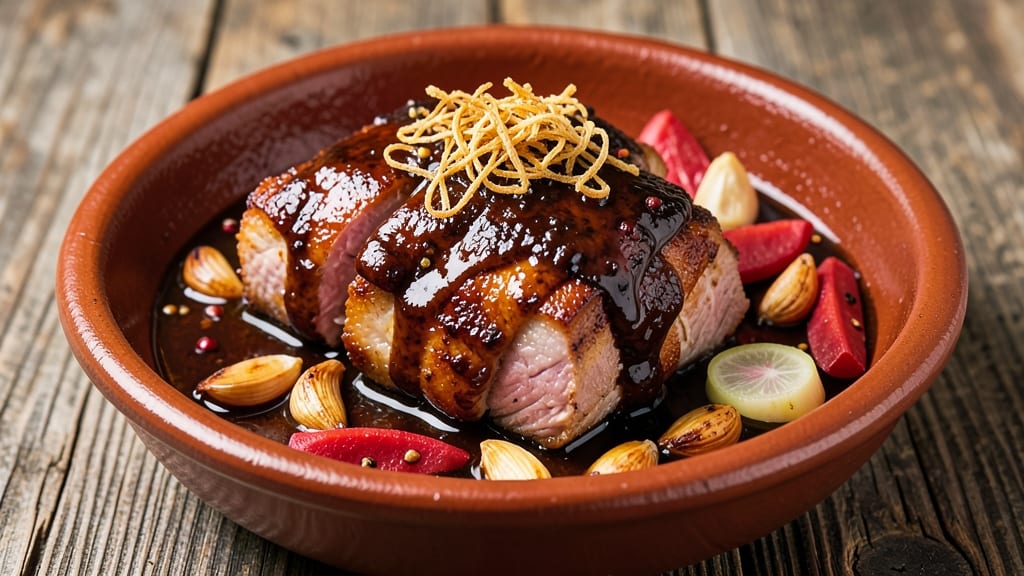
This Adobong Labong with Pork recipe delivers the rich, tangy-sweet depth of Filipino comfort food in one flavorful pot. The slow-simmered pork transforms tough cuts into tender, caramelized perfection, all while the vinegar-soy-soy sauce develops complex layers of umami and brightness.
I first tasted this dish at a family gathering in the Philippines, where it became the centerpiece of every meal—simple yet deeply satisfying.
The beauty of this recipe lies in its simplicity: just five core ingredients create a dish that's restaurant-quality at home. Pork shoulder breaks down beautifully during the long braise, absorbing the aromatic blend of soy sauce, vinegar, and garlic.
The key is patience—letting the sauce reduce gradually develops that signature tangy-sweet balance that makes this dish unforgettable.
By the time you're done, you'll have a steaming pot of tender pork swimming in a glossy, caramelized sauce with just the right amount of stickiness. The aroma alone will have everyone gathering around the table, and each bite delivers that perfect harmony of savory, sweet, and tangy.
This is the kind of dish that tastes even better the next day.
Perfect for feeding a crowd or meal prepping for the week, this recipe scales beautifully while maintaining its depth of flavor. Serve with steamed rice to soak up every last drop of that incredible sauce. Let's get cooking—your taste buds will thank you.
Ingredients for adobong labong with pork
Five core ingredients transform tough pork into restaurant-quality Adobong Labong with deep umami and tangy-sweet balance.
| Ingredient | Amount | Notes |
|---|---|---|
| Pork Shoulder 🥩 | 2 ½ lb | Bone-in for extra flavor |
| Cane Vinegar 🍋 | 1 cup | White or cane vinegar preferred |
| Soy Sauce 🥄 | ½ cup | Regular or dark soy sauce |
| Garlic Cloves 🧄 | 8 cloves | Minced for aromatic punch |
| Fresh Ginger 🌿 | ½ cup | Finely grated, about 2 oz |
| Brown Sugar 🍚 | ½ cup | Light or dark brown |
| Bay Leaves 🌿 | 2 whole | Dried for subtle flavor |
| Black Peppercorns 🌶️ | 1 tsp | Crushed for heat |
| Olive Oil 🫒 | 2 tbsp | For searing pork |
| Salt 🧂 | 1 ½ tsp | Kosher or sea salt |
| Water 💧 | 1 cup | For deglazing |
| Green Onions 🧅 | 4 whole | Sliced for garnish |
The pork shoulder is non-negotiable—it's what gives this dish its signature tender, caramelized texture. Ask your butcher for bone-in cuts if possible, as the marrow adds incredible depth to the sauce. For vinegar, Filipino cane vinegar is ideal, but white vinegar works in a pinch (just double the amount). I always grab my soy sauce from Trader Joe's—their dark soy adds that perfect caramelized richness. Fresh ginger and garlic? Buy extra—you'll want them on hand for other dishes too. The brown sugar might seem like a small detail, but it's what balances the tangy vinegar and gives that signature sweet-savory profile.
No cane vinegar? White vinegar or apple cider vinegar will work, but you may need to add a touch more sugar to balance the flavor. Running out of brown sugar? White sugar plus a splash of molasses mimics the depth. The bay leaves and peppercorns are easy to find in the spice aisle—just make sure they're fresh (no musty smells!). For the green onions, freeze any extras in a bag—they'll last months and work great in stir-fries. The olive oil is just for searing, but don't skimp—it's what gets those beautiful caramelized bits on the pork that make the sauce so rich.
This dish tastes even better the next day as the flavors meld. Store leftovers in the fridge for up to 5 days, or freeze portions for 3 months. I always make double batches because it reheats beautifully—just warm gently on the stove with a splash of water. The sauce thickens as it cools, so adding a little water when reheating keeps it perfect for dipping rice. For meal prep, portion into containers with rice—it's the ultimate grab-and-go lunch.
Why You'll Love This Recipe
- One-Pot Magic: I swear by this when I’m too tired to fuss—just dump the pork, vinegar, and soy sauce in one pot, let it simmer, and walk away. The garlic and ginger melt into the vinegar, turning it into a glossy, tangy sauce that does all the work for you.
- Tangy Crunch Alert: That cane vinegar isn’t just for flavor—it cuts through the richness of the pork, leaving you with a dish that’s bold but balanced. The longer it cooks, the deeper the umami, and honestly? The crispy edges on the pork? Absolute perfection.
- Lunchbox Hero: Between us, this is my secret weapon for meal prep. The sauce clings to the pork so well that it reheats beautifully—no soggy leftovers here. Pack it in buns for lunch or serve it over rice; it’s that kind of reliable.
- Budget-Friendly Feast: Pork shoulder is cheap, and a little goes a long way. I’ve fed six people with one cut, and the leftovers? Even better the next day. Plus, the vinegar and soy sauce stretch the flavors so you’re not just paying for meat—you’re getting a full meal’s worth of satisfaction.
Step-by-step instructions for adobong labong with pork
This slow-simmered pork dish delivers deep, complex flavors in one aromatic pot.
Prepare the Pork and Aromatics
Cut the 2.5 lb pork shoulder into 2-inch chunks, leaving the bone in for extra flavor. In a large Dutch oven, heat the 2 tbsp olive oil over medium-high heat until shimmering. Working in batches, sear the pork until deeply browned on all sides—about 3-4 minutes per batch. This step builds the rich foundation for your sauce.
While the pork browns, mince the 8 cloves garlic cloves and finely grate the 0.5 cup fresh ginger. Crush the 1 tsp black peppercorns with a mortar and pestle or rolling pin. Remove the pork from the pot and set aside—those browned bits are pure flavor gold.
Build the Flavor Base
In the same Dutch oven, add the minced garlic and ginger, cooking for 1 minute until fragrant. Stir in the 1.5 tsp salt and 2 whole bay leaves. Pour in the 1 cup cane vinegar and 0.5 cup soy sauce, scraping up all those browned bits from the bottom. Let this mixture bubble vigorously for 2 minutes to meld the aromatics.
Add the 0.5 cup brown sugar and 1 cup water, stirring until the sugar dissolves completely. Return the seared pork to the pot, making sure it's fully submerged in the liquid. This prevents drying and ensures even cooking throughout.
Slow-Simmer to Tender Perfection
Bring the mixture to a gentle boil, then immediately reduce heat to low. Cover and simmer for 1 hour 30 minutes, stirring occasionally, until the pork is fork-tender and falls apart easily. The sauce should thicken into a glossy, dark brown reduction that coats the back of a spoon.
Here's the thing—don't rush this step. The long simmer develops the deep, complex flavors that make adobong labong special. You'll know it's done when the pork shreds easily and the sauce has reduced to a syrupy consistency. If it looks too thin, uncover and simmer uncovered for another 10 minutes to thicken.
Finish and Garnish
Remove the bay leaves and adjust seasoning if needed—add a splash more soy sauce for saltiness or a touch of vinegar for tang. Slice the 4 whole green onions into 1-inch pieces and stir them into the hot mixture just before serving. This final step brightens the dish with freshness.
Serve immediately over steamed rice, letting everyone scoop up that rich, tangy pork and its glorious sauce. The contrast of the tender pork with the slightly sweet, tangy sauce is what makes this dish truly special. Leftovers? Even better—this flavor combination improves overnight!
Pro Tips For Making Adobong Labong With Pork
- SEAR THE PORK FIRST: Don’t skip browning that pork shoulder—high heat for 5-7 minutes until deep golden. I learned this the hard way: skipping this step leaves the sauce watery and the meat bland. The crust locks in flavor, and the caramelized bits thicken the adobo as it simmers.
- USE THICK GINGER SLICES: Peel ginger, then slice it ¼-inch thick instead of grating or mincing. Thick slices soften evenly without turning to mush, and they infuse the vinegar-soy base with real heat. (Yes, even if you’re impatient like me—just don’t skip the peeling.)
- SIMMER LOW AND LONG: After the initial boil, drop heat to a gentle simmer—you should barely see bubbles. Rushing this turns the vinegar sharp and the pork tough. My grandmother swore by this, and she was right: 1.5 hours at low heat makes all the difference.
- BALANCE VINEGAR AND SOY: Start with equal parts cane vinegar and soy sauce, then taste and adjust. Too much vinegar? Add a splash of water. Too salty? A pinch of sugar cuts the harshness. (Your future self will thank you for tasting midway.)
Perfect pairings for this recipe
Filipino Side Dish
Pair your adobong labong with sinigang—a tangy tamarind-based soup with shrimp and vegetables. The sour notes complement the pork's rich, caramelized sauce beautifully. I like using daing na bagoong (fermented shrimp paste) for depth. Serve with steamed rice to soak up every last drop of that glorious sauce. 🍚
Drink Pairings
A crisp San Miguel beer cuts through the dish's richness perfectly. For something lighter, try calamansi juice—its citrusy tang mirrors the vinegar in the adobong. If you prefer wine, a dry Riesling from Germany balances the sweet-savory flavors without overpowering them. 🍷
Garnish Upgrades
Add toasted garlic slices or crispy fried shallots for texture contrast. I also love finishing with fresh cilantro and a sprinkle of toasted sesame seeds for an extra layer of aroma. These garnishes elevate the dish to restaurant-quality while keeping it authentic. 🌿
Meal Structure
Serve adobong labong as the centerpiece with garlic fried rice and a simple mango salad on the side. The sweetness of the mango balances the tangy pork, while the fried rice soaks up any remaining sauce. This combination is perfect for a full Filipino feast. 🍽️
Modern Twist
For a contemporary touch, serve the adobong labong with crispy pork belly on the side. The extra fat adds richness, while the crispy texture contrasts the tender pork. Garnish with pickled red onions for a tangy crunch that brightens every bite. 🔥
Nutrition facts
Frequently asked questions
Can I substitute regular vinegar for cane vinegar in this recipe?
Yes, you can! While Filipino cane vinegar gives the authentic tang, white vinegar or apple cider vinegar works in a pinch. Just use double the amount (so 2 cups instead of 1 cup) and add a pinch more sugar to balance the sharper acidity. The flavor will still be delicious—just slightly less complex.
What cut of pork works best for this dish?
The recipe calls for pork shoulder because it's fatty enough to stay moist during the long simmer and becomes incredibly tender. If you can't find shoulder, pork butt or pork picnic roast are excellent substitutes. Avoid lean cuts like tenderloin—they'll dry out. Bone-in is ideal for extra flavor, but boneless will work too.
Why does the sauce need to simmer for so long?
The 1 hour 30 minutes simmer is crucial because it breaks down the tough pork fibers into tender, melt-in-your-mouth pieces while allowing the vinegar, soy, and sugar to meld into a rich, balanced sauce. This slow reduction also develops the deep umami and caramelized flavors that make this dish special. Think of it like a flavor infusion—rushing it means missing out on that restaurant-quality depth.
Can I make this recipe in a slow cooker?
Transfer the seared pork and sauce to a 6-quart slow cooker and cook on LOW for 6-8 hours or HIGH for 4-5 hours. The pork will become even more tender, and the sauce will thicken beautifully. Just stir occasionally and add a splash of water if it gets too dry. The slow cooker version is perfect for busy days—just set it and let it work its magic!
What's the best way to reheat leftovers?
Reheat gently on the stove over medium-low heat with a splash of water or broth to prevent drying. Cover and simmer for 5-10 minutes, stirring occasionally, until heated through. The sauce will thicken as it cools, so adding a little liquid keeps it perfect for dipping rice. Microwaving is possible but can make the sauce watery—stovetop reheating preserves all that glorious texture.