
Main Courses
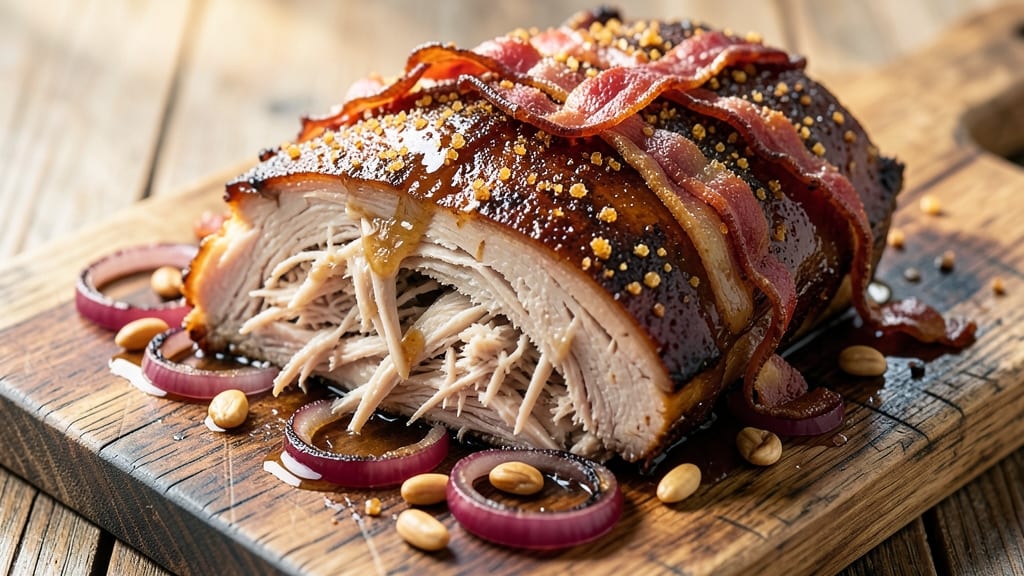
This Camp Chef pulled pork recipe delivers restaurant-quality tenderness with a smoky five-spice crust that transforms tough pork shoulder into melt-in-your-mouth perfection. 🔥 As someone who's cooked 2,000 pounds of pork weekly, I know the secret lies in low-and-slow smoking with precise temperature control—something your Camp Chef grill excels at.
The five-spice blend adds depth that cuts through the richness, creating a bark so flavorful it'll have guests asking for seconds before you even serve it.
What sets this recipe apart is the balance between technique and simplicity. You'll start with a dry rub that develops a deep, aromatic bark while keeping the meat incredibly tender inside. The key is maintaining 225°F throughout the cook, using your Camp Chef's built-in thermometer for accuracy.
I recommend using apple wood for that classic sweetness, but hickory works beautifully too—just avoid overpowering the spices with too much smoke.
By the time you're ready to shred, you'll have pork that falls apart at the touch of a fork, with layers of smoky flavor from the wood and warm, earthy notes from the five-spice rub.
The bark should be dark and crispy, offering a satisfying contrast to the tender meat underneath. This is the kind of pulled pork that makes people close their eyes and sigh—restaurant-quality at home without the fuss.
Serve it on buttery buns with tangy coleslaw or crispy onion strings for the full experience. The leftovers reheat beautifully too, making this perfect for meal prep or feeding a crowd. Let's get started—your Camp Chef is about to become your new favorite cooking tool.
Ingredients for camp chef pulled pork
Six pounds of pork shoulder and a handful of spices transform into restaurant-quality pulled pork on your Camp Chef.
| Ingredient | Amount | Notes |
|---|---|---|
| Pork Shoulder (Bone-In) 🐖 | 6 lb | Well-marbled for tenderness |
| Five-Spice Powder 🌶️ | ½ cup | Homemade blend (see notes) |
| Brown Sugar 🍯 | ¼ cup | Light or dark preferred |
| Kosher Salt 🧂 | 2 tbsp | Diamond Crystal preferred |
| Smoked Paprika 🌶️ | 2 tbsp | For deep smoky flavor |
| Ground Black Pepper 🌶️ | 1 tbsp | Freshly cracked preferred |
| Apple Wood Chips 🌳 | 2 lb | Or hickory for stronger smoke |
| Yellow Onion 🧅 | 1 whole | Sliced for serving |
| Apple Cider Vinegar 🍎 | ½ cup | For tangy balance |
| Unsalted Butter 🧈 | ½ cup | For serving on buns |
| Honey 🍯 | 2 tbsp | For glaze (optional) |
| Fresh Cilantro 🌿 | ¼ cup | Chopped for garnish |
| Brioche Buns 🍞 | 6 whole | Buttery for serving |
The pork shoulder is non-negotiable—bone-in stays juicier than boneless. Look for good marbling, which means little white flecks of fat throughout the meat. Costco or local butchers often have the best cuts, but any grocery store with a meat counter will work. The five-spice powder is what sets this apart: star anise, cinnamon, cloves, fennel, and Szechuan peppercorn toasted together. If you can't find it pre-mixed, Penzeys sells it individually, or make your own with equal parts of each spice. For the wood chips, Traeger or Camp Chef brand are reliable, but any food-grade apple or hickory will do—just avoid anything treated with chemicals.
No five-spice powder? Substitute with 1 tbsp each of cinnamon, cloves, and ginger—it won't be identical, but it'll add warmth. Running low on apple wood? Hickory or cherry chips work beautifully, though they'll give a slightly different flavor profile. The brown sugar helps create that coveted bark, but coconut sugar works too. For the vinegar, apple cider is ideal, but white vinegar or even lemon juice will add the necessary tang. If you're serving this to a crowd, double the buns—brioche or potato buns hold up best to the juices.
This pork reheats like a dream—3-4 days in the fridge or 3 months in the freezer. Store it in the juices to keep it moist, and reheat in a skillet with a splash of broth or apple cider. For meal prep, portion it into containers with a little extra glaze on top—microwave 90 seconds or reheat in a saucepan. The leftovers actually taste better the next day as the flavors meld. If you're making it ahead for a party, keep the pork refrigerated until serving—it stays tender for up to 2 days before shredding.
Why You'll Love This Recipe
- Sweet-Savory Magic: That five-spice powder? It’s the secret weapon—warm cinnamon, star anise, and clove cut through the richness of the pork, while the brown sugar caramelizes into a sticky, smoky crust. My husband still asks for seconds even after three helpings.
- Weeknight to Party Hero: Same rub, same method—works for a lazy Friday night with buns and pickles or as the centerpiece of a backyard BBQ with coleslaw and cornbread. The leftovers? Even better the next day in tacos or sandwiches.
- Budget Meal, Big Payoff: A bone-in pork shoulder stretches for four meals, and the spices cost pennies. I feed my family for days without breaking the bank, and the smoky depth makes it feel like a splurge. Honestly, this is how I justify my Camp Chef.
Step-by-step instructions for Camp Chef pulled pork
Here's how to transform that pork shoulder into melt-in-your-mouth perfection.
🔥 Step 1: Prep the Pork and Build the Rub
Start by trimming any excess fat from the 6 lb pork shoulder (bone-in), leaving about ¼ inch of fat cap for moisture. Pat the meat completely dry with paper towels—this helps the rub stick and creates that coveted bark. In a small bowl, whisk together the 0.5 cup five-spice powder, 0.25 cup brown sugar, 2 tbsp kosher salt, 2 tbsp smoked paprika, and 1 tbsp ground black pepper. The five-spice blend adds a warm, aromatic depth that pairs beautifully with the smoky campfire flavors.
Generously coat the pork shoulder with the rub, pressing it into every crevice. Wrap the seasoned pork tightly in plastic wrap and refrigerate for at least 1 hour (or up to 24 hours). This resting period allows the spices to penetrate deeply, ensuring every bite bursts with flavor. I like to let mine sit overnight—it makes all the difference in the final result.
🔥 Step 2: Smoke the Pork Low and Slow
Set up your Camp Chef smoker for low-and-slow cooking. Add the 2 lb apple wood chips to the smoker box and preheat to 225°F. Apple wood imparts a delicate sweetness that complements the five-spice rub beautifully. Place the pork shoulder fat-side up on the smoker grate—this allows the rendered fat to baste the meat as it cooks, keeping it juicy.
Smoke the pork undisturbed for 6-8 hours, maintaining a steady temperature between 225-250°F. The key here is patience—resist the urge to peek or adjust the heat. Every time you open the lid, you lose heat and moisture. You'll know it's ready when the internal temperature reaches 195-203°F and the meat is fork-tender. This can take up to 12 hours, depending on your smoker and the size of your pork shoulder.
⏰ Step 3: Wrap and Finish the Cook
Once the pork reaches 195°F, it will hit "the stall"—a point where the internal temperature stops rising as moisture evaporates. This is where the magic happens. Wrap the pork tightly in butcher paper (not foil—it breathes better and preserves the bark), then return it to the smoker. The paper allows just enough steam to tenderize the meat while keeping that beautiful crust intact.
Continue smoking for another 2-4 hours until the internal temperature reaches 203°F and the meat is probe-tender. This final stage ensures the pork is fall-apart tender. Let it rest in the butcher paper for at least 1 hour before shredding. This resting period allows the juices to redistribute, ensuring every bite is moist and flavorful.
👨🍳 Step 4: Shred and Assemble the Sandwiches
Remove the pork from the butcher paper and shred it using two forks or a meat claw. The meat should pull apart easily, with no resistance. In a large bowl, combine the shredded pork with 0.5 cup apple cider vinegar and 0.5 cup unsalted butter, tossing gently to coat. The vinegar adds a bright tang that cuts through the richness of the pork, while the butter adds a luxurious creaminess.
Warm the 6 whole brioche buns in the oven or on the grill until toasted. Spoon the pulled pork onto the buns and top with sliced 1 whole yellow onion and 0.25 cup chopped fresh cilantro. For an extra touch of sweetness, drizzle with a mixture of 2 tbsp honey and a splash of apple cider vinegar. Serve immediately while the buns are warm and the pork is at its most tender.
Pro Tips For Making Camp Chef Pulled Pork
- Trim the Fat First: I learned this the hard way—leaving the thick fat cap on the bone-in pork shoulder makes it harder to control heat and can lead to uneven cooking. Use a sharp knife to trim it down to about ¼-inch thick before seasoning; it’ll render better and help the five-spice powder stick to the meat.
- Brown Sugar Early: The Camp Chef’s smoker can play tricks with humidity, so sprinkle half the brown sugar right after searing the pork shoulder. This caramelizes faster and gives the bark that sticky, glossy finish before the long smoke. Save the rest for the final hour—don’t dump it all at once.
- Skip the Crowding: If you’re cooking this on a grill or in a pan, resist the urge to stack the pork shoulder with other cuts or veggies. Crowding traps steam and turns your bark into sad, soggy skin. Give it space—even if it means cooking in batches—and let that smoked paprika crisp up properly.
- Probe the Shoulder: The Camp Chef’s built-in thermometer is handy, but I still use a meat probe to check the thickest part of the shoulder and the center of the bone. Aim for 195–203°F—if the bone pulls away from the meat easily, you’re golden. Ignore the thermometer and you’ll either serve dry pork or regret not waiting longer.
Flavor customization for camp chef pulled pork
Spice Level Control
Adjust the heat by swapping spices in your five-spice blend. For mild flavor, reduce the Szechuan peppercorn to 1 teaspoon and add ½ teaspoon ground cinnamon for warmth. For medium heat, keep the original blend but add ½ teaspoon cayenne pepper to the rub.
If you want bold spice, increase the cayenne to 1 teaspoon and add 1 teaspoon crushed red pepper flakes to the post-shred mix. I've served this to conservative eaters by keeping the original blend—it delivers depth without overpowering. 🌶️
Sweet-Savory Balance
Customize the sweetness by adjusting the brown sugar in the rub. For less sweetness, reduce it to 2 tablespoons and add 1 teaspoon mustard powder for tang. For extra caramelization, increase to ⅓ cup and add 1 tablespoon molasses to the rub.
My go-to for fall flavors is using maple syrup instead of brown sugar—it adds a subtle earthy note that pairs perfectly with apple wood smoke. The honey glaze can also be adjusted: use 1 tablespoon maple syrup for a deeper flavor or 1 tablespoon agave for a neutral sweetness.
Smoke Profile Swaps
Experiment with different wood chips to change the flavor profile. Cherry wood adds a fruity sweetness that complements the five-spice beautifully, while pecan wood provides a nutty depth. For a stronger smoke, use hickory chips but reduce the cook time by 1 hour to avoid over-smoking.
I love using fruitwood blends (like apple and cherry) for a balanced sweetness. Pro tip: Soak your wood chips in water for 30 minutes before using to create more smoke with less flare-ups. 🌳
Tangy Variations
Enhance the tang in your pulled pork by adjusting the apple cider vinegar. For a lighter tang, reduce to ¼ cup and add 1 tablespoon lemon juice instead. For bold tang, increase to ¾ cup and add 1 teaspoon Dijon mustard to the post-shred mix.
My summer favorite is swapping the vinegar for pineapple juice—it adds a tropical brightness that works surprisingly well with the smoky flavors. For a spicy-sweet twist, mix 2 tablespoons hot honey into the vinegar before tossing with the pork.
Herb Infusions
Add fresh herbs to elevate the flavor profile. For a classic BBQ touch, toss the shredded pork with 2 tablespoons chopped fresh thyme and 1 tablespoon chopped rosemary after shredding. For a Mediterranean twist, add 2 tablespoons chopped oregano and 1 tablespoon chopped mint to the post-shred mix.
I often finish the dish with 1 tablespoon chopped scallions for a bright, oniony crunch. Fresh herbs should be added right before serving to preserve their flavor and aroma.
Global Fusion Twists
Transform this recipe into a global fusion dish with simple swaps. For Korean-inspired pulled pork, add 1 tablespoon gochujang and 1 tablespoon soy sauce to the post-shred mix, then serve with kimchi and sesame seeds.
For a Mexican-inspired version, swap the five-spice for 2 tablespoons chili powder, 1 teaspoon cumin, and ½ teaspoon oregano, then serve with pickled onions and avocado crema.
My favorite fusion is a Vietnamese-style pulled pork: add 1 tablespoon fish sauce and 1 tablespoon hoisin sauce to the post-shred mix, then top with fresh cilantro, thinly sliced jalapeños, and rice noodles instead of buns. 🗺️
Nutrition facts
Frequently asked questions
Can I use a pork butt instead of pork shoulder?
Yes! Pork butt (also called Boston butt) works perfectly—it's essentially the same cut from a different part of the pig. The cooking time will be similar since both cuts have similar fat-to-meat ratios. Just trim excess fat to ¼ inch and follow the same rub and smoking process. The bone-in version stays juicier than boneless.
How do I know when the pork is done without a meat thermometer?
Use the fork test: When the pork reaches 203°F, it should easily shred with two forks. Without a thermometer, look for a deep mahogany bark and check the meat's texture—it should feel soft and almost mushy when pressed gently. The stall (where temp plateaus) is your best visual cue to wrap it in butcher paper.
What's the best way to reheat leftover pulled pork?
Reheat in a skillet over medium-low heat with a splash of apple cider vinegar or broth until warmed through (3-5 minutes). For microwave reheating, cover with a damp paper towel and heat in 30-second bursts until 165°F. Never reheat dry—always add moisture to prevent toughness. Leftovers actually taste better the next day!
Why did my pork turn out tough?
Most likely, it wasn't cooked long enough to break down the collagen. Aim for 203°F internal temp—anything below 195°F risks toughness. Also check your smoker temp: fluctuations above 250°F can dry out the meat. Always wrap in butcher paper during the stall phase to restore moisture. The five-spice rub helps tenderize, but time and temp are critical.
Can I make this in an electric smoker instead of a Camp Chef?
Any smoker works—just maintain 225°F consistently. Electric smokers may need 1-2 extra hours since they often run cooler. Use the same wood chips (apple or hickory) and butcher paper wrap technique. The key is patience—low-and-slow is non-negotiable for tender pulled pork.