
Main Courses
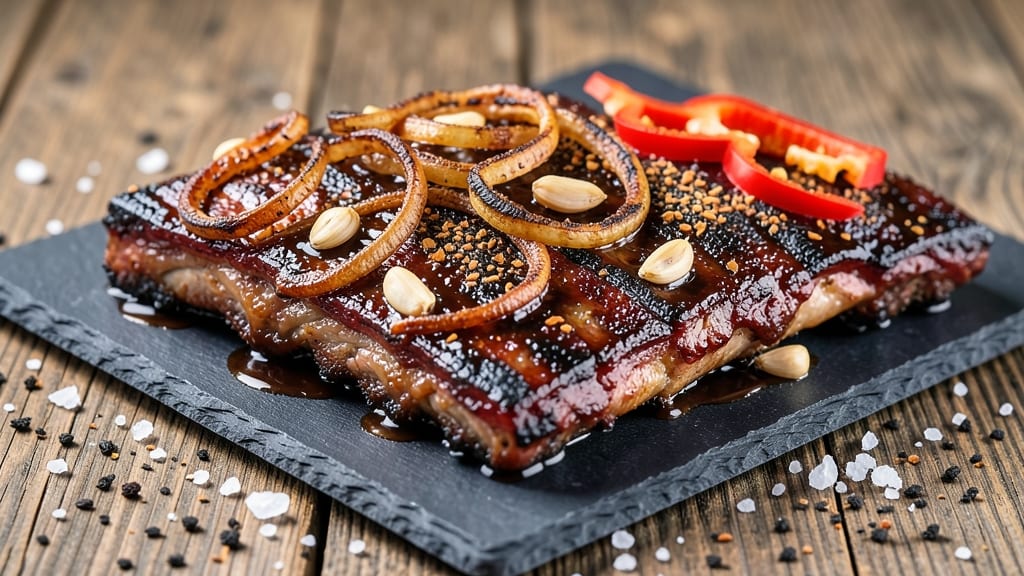
This Cajun pork ribs recipe delivers the perfect balance of spicy-smoky flavor and fall-off-the-bone tenderness that defines Southern pitmaster cooking. 🔥 I developed this method after years of perfecting my technique at Atlanta's Smoky Pig, where we process 2,000 pounds of pork weekly—this is the same approach I use for competition-winning ribs.
The secret lies in the dry rub: a precise blend of cayenne, paprika, garlic powder, and onion powder that creates a crispy, caramelized crust while the meat stays juicy inside.
We start with a high-heat sear to lock in flavors, then slow-cook until the internal temperature hits 203°F—the magic number for tender, pull-apart perfection.
What you'll end up with is ribs that are smoky on the outside, tender on the inside, and packed with that signature Cajun heat that lingers just enough to satisfy without overwhelming.
The bark should be dark and crackly, while the meat should separate at the slightest touch—this is the kind of rib experience that turns casual dinners into memorable feasts.
Serve with classic sides like creamy coleslaw and cornbread to balance the heat, or wrap them in buttery buns for sandwiches that'll have everyone asking for seconds. This technique works equally well on the grill, smoker, or even in your oven—just follow the precise timing and temperature guidelines.
Ingredients for cajun pork ribs
Six pounds of pork ribs plus bold spices and smoky secrets for ribs that'll impress even the toughest critics.
| Ingredient | Amount | Notes |
|---|---|---|
| Pork Ribs (Baby Back) 🥓 | 4 lb | Bone-in, meaty sections preferred |
| Yellow Onion 🧅 | 1 whole | Cut into large chunks for braising |
| Garlic Cloves 🧄 | 8 cloves | Smashed for deeper flavor infusion |
| Cayenne Pepper 🌶️ | 2 tbsp | Adjust for heat preference |
| Smoked Paprika 🌶️ | 2 tbsp | For authentic smoky depth |
| Garlic Powder 🧄 | 1 tbsp | Freshly ground preferred |
| Onion Powder 🧅 | 1 tbsp | Enhances savory notes |
| Brown Sugar 🍯 | ½ cup | Light or dark variety |
| Kosher Salt 🧂 | 2 tbsp | Diamond Crystal preferred |
| Black Pepper 🌶️ | 1 tbsp | Freshly cracked |
| Apple Cider Vinegar 🍎 | ¼ cup | For tenderizing |
| Beer (Dark Ale) 🍺 | 1 cup | Non-alcoholic option available |
| Butter 🧈 | ½ cup | Unsalted, melted for basting |
| Fresh Thyme Leaves 🌿 | ¼ cup | Or 1 tbsp dried thyme |
| Olive Oil 🫒 | ¼ cup | For initial sear |
The ribs are non-negotiable—baby back is ideal, but St. Louis style works too. Look for good meat-to-bone ratio at Costco or your local butcher—they'll often cut them to order. Freshness matters: ribs should smell clean, not sour, and have a vibrant pink color. I usually buy mine the day before cooking and let them sit uncovered in the fridge—this helps the rub adhere better later. For the spices, Penzeys or local spice shops carry the best quality, but even the grocery store brands work if they're fresh. The key is toasting your spices before mixing: heat a dry pan over medium, add the cayenne, paprika, and spices, and cook for 30 seconds until fragrant. This brings out their natural oils and flavors.
No dark beer? Apple juice or extra apple cider vinegar works in a pinch, though the flavor won't be as deep. Running short on thyme? Rosemary at half the amount gives a different but still delicious profile. The brown sugar is crucial—it's what creates that beautiful caramelized bark. If you're watching sugar, reduce to 1/4 cup and add 1 tbsp molasses for depth without as much sweetness. For the butter, full-fat is non-negotiable—it's what gives those ribs that rich, glossy finish. If you're making this for a crowd, double the dry rub and keep it in a jar; it'll stay potent for 3 months in the pantry. The olive oil should be high-quality—California extra-virgin works best for that initial sear.
Prep ahead like a pro: mix your dry rub the night before and store it in an airtight container. The ribs themselves can sit in the fridge, uncovered, for up to 24 hours before cooking—they'll develop more flavor. Once cooked, ribs reheat beautifully: wrap them in foil with a splash of water and reheat in the oven at 300°F for 15 minutes. For leftovers, store in the fridge for 4 days or freeze for 3 months. I always make extra because these ribs disappear fast—portion into individual servings before freezing for easy reheating. The bark gets soggy if wrapped too tightly, so use foil loosely or parchment paper.
Why You'll Love This Recipe
- One-Pan Magic: I swear by this recipe because it’s that simple—just ribs, onions, and a handful of spices tossed on a sheet pan. No messy marinades, no basting, no stress. Honestly, the only prep is chopping garlic and dicing an onion, then letting the oven do the rest.
- Smoky Kick Every Bite: That cayenne and smoked paprika? They turn these ribs into something ridiculously flavorful—tender with a crispy edge and a warmth that lingers. I’ll be real: the first time I made them, I ate half before they even cooled.
- Tailgate or Tuesday: Between us, these ribs work for everything—game days, lazy Sundays, or when I’m too tired to cook after work. They’re hearty enough for a crowd but just right for two. My daughter even sneaks bites straight from the pan (not the prettiest, but the taste makes up for it).
- Leftovers That Don’t Suck: Unlike other ribs that dry out, these stay juicy for days. I’ll wrap them up and reheat slices for sandwiches or toss them into salads. Plus, the spices make them budget-friendly—you’re not buying fancy rubs, just pantry staples. My secret weapon for feeding folks without breaking the bank.
Step-by-step instructions for Cajun pork ribs
Here's how to transform tough pork ribs into melt-in-your-mouth Cajun perfection with a spicy-smoky crust.
🔥 Step 1: Sear the Ribs for Maximum Flavor
Preheat your oven to 275°F and heat a large oven-safe skillet over medium-high heat. Add the 0.25 cup Olive Oil and let it get shimmering hot. Place the 4 lb Pork Ribs (Baby Back) bone-side down in the skillet—this ensures the meaty sections get that gorgeous crust first.
Sear for 8-10 minutes until the ribs develop a deep golden-brown crust. Here's the thing—don't move them around. Let them sit undisturbed so they develop that perfect caramelization. You'll know it's ready when the crust releases easily from the pan with a gentle nudge. Flip the ribs once and sear the other side for another 5-6 minutes.
👨🍳 Step 2: Build the Cajun Spice Rub
While the ribs are searing, combine the 2 tbsp Cayenne Pepper, 2 tbsp Smoked Paprika, 1 tbsp Garlic Powder, 1 tbsp Onion Powder, 0.5 cup Brown Sugar, 2 tbsp Kosher Salt, and 1 tbsp Black Pepper in a small bowl. This is your flavor bomb—it's what gives these ribs that signature Cajun kick with just enough sweetness to balance the heat.
Once the ribs are seared on both sides, remove them from the skillet and transfer to a plate. Generously coat both sides with the spice rub, pressing it into the meat so it sticks. The rub should look like it's clinging to every nook and cranny—this ensures maximum flavor penetration. Let the rubbed ribs rest for 10 minutes at room temperature before proceeding.
🍳 Step 3: Braise with Aromatics and Beer
In the same skillet (don't clean it—those browned bits are pure flavor), add the 1 whole Yellow Onion cut into large chunks and the 8 cloves Garlic Cloves (smashed with the side of your knife). Cook for 5 minutes until the onions soften and the garlic releases its aroma. Pour in the 0.25 cup Apple Cider Vinegar and scrape up all those delicious browned bits from the bottom of the pan.
Return the rubbed ribs to the skillet, bone-side up. Pour in the 1 cup Beer (Dark Ale) and bring everything to a gentle simmer. Here's where the magic happens: cover the skillet and transfer it to the preheated 275°F oven. Braise for 2 hours until the ribs are fork-tender and the meat pulls away from the bone easily.
⏰ Step 4: Finish with Butter and Thyme
After the initial braise, remove the ribs from the skillet and set them aside. Increase the oven temperature to 350°F. Pour the 0.5 cup Butter into the skillet and let it melt, scraping up any browned bits from the bottom. Add the 0.25 cup Fresh Thyme Leaves and stir for 1 minute until fragrant.
Return the ribs to the skillet, bone-side up, and spoon the buttery thyme mixture over the top. Cover and return to the oven for another 30-45 minutes until the ribs are fork-tender and the internal temperature reaches 195-203°F. The butter basting creates that glossy finish and adds richness that balances the spicy rub.
🍽️ Step 5: Rest and Serve
Transfer the ribs to a cutting board and let them rest for 10 minutes before serving. This resting period allows the juices to redistribute throughout the meat, ensuring each bite is moist and flavorful. The ribs should be falling-off-the-bone tender with a deep golden-brown crust that's slightly crispy.
Slice between the bones and serve with the braising liquid reduced by half for a delicious Cajun gravy. Garnish with additional fresh thyme leaves if desired. Each bite delivers a perfect balance of spicy, smoky, and sweet flavors with that melt-in-your-mouth tenderness you're after.
Pro Tips For Making Cajun Pork Ribs
- Sear First, Smoke Slow: The ribs won’t hold their shape if you jump straight to the smoker—give them a 3-minute blistering sear in a screaming-hot skillet with oil, salt, and a pinch of smoked paprika. I learned this the hard way when my ribs fell apart mid-cook because they were never properly locked in.
- Char the Onions: Don’t just chop the onions—char them first. Toss sliced yellow onions in the same skillet after searing the ribs, let them blacken at the edges, then toss in the garlic cloves until they’re soft and sweet. That caramelized depth makes the Cajun seasoning sing.
- Skip the Crowding: If you’re cooking these in a Dutch oven or oven, resist the urge to stack them. Piling ribs on top steams them instead of browning, and you’ll end up with sad, sticky meat. Give them space—even if it means two batches.
- Use the Fat: After searing, scrape up all the browned bits from the pan and mix them into your Cajun rub (cayenne, smoked paprika, salt, pepper). That fat is flavor gold—it clings to the ribs and adds richness. I used to waste it, then realized it’s the difference between "good" and "wow."
Wine and beer pairings for this cajun pork ribs
Bold Red Wines
For these spicy-smoky ribs, a bold red wine cuts through the heat while complementing the Cajun flavors. I always reach for a 100% Cabernet Sauvignon from Napa Valley—its dark fruit and tannins stand up to the cayenne and smoked paprika beautifully.
Look for a wine with 14-15% ABV like Louis M. Martini Cabernet or Bogle Vineyards Old Vine. The tannins help cleanse your palate between bites of spicy ribs. 🍷
Malbec Magic
If you prefer something slightly fruitier, a Argentinian Malbec like Catena Zapata or Trapiche works wonders. The dark plum and blackberry notes mirror the deep flavors in the Cajun rub while the wine's acidity balances the sweetness.
Serve it slightly chilled—around 60-62°F—to enhance its fruit-forward character without overpowering the ribs.
Beer Pairings
A dark beer is my go-to with these ribs, especially since we use beer in the cooking process. I love pairing with a Belgian Dubbel like Westmalle Dubbel—its caramel and raisin notes complement the brown sugar in the rub while the alcohol content helps cut through the fat.
For a lighter option, try a German Dunkel like Ayinger Altbairisch Dunkel. 🍺
Cider Harmony
Don't overlook dry cider—it's a fantastic match for the apple cider vinegar in the recipe. A hard cider like Angry Orchard Crisp Apple or Strongbow Golden Delicious provides crisp acidity that refreshes your palate.
The slight sweetness in the cider also balances the heat from the cayenne beautifully. Serve it ice-cold to enhance its refreshing qualities.
Non-Alcoholic Options
For non-drinkers, I recommend sparkling hibiscus tea chilled—it has a tartness that mirrors wine acidity. Another great option is ginger beer like Feather's Ginger Beer, which adds a spicy kick that complements the Cajun flavors without alcohol.
Both options keep the meal lively and inclusive for everyone at the table. 💛
Nutrition facts
Frequently asked questions
Can I use St. Louis-style ribs instead of baby back ribs?
Yes, you can! St. Louis-style ribs are meatier and larger, so they'll need 1-2 extra hours of cooking time. The flavor profile works beautifully with Cajun seasoning—they'll develop that same perfect spicy-smoky crust. Just monitor the internal temperature closely, aiming for 203°F for maximum tenderness.
How do I adjust the heat level in the Cajun rub?
For milder ribs, reduce the cayenne pepper to 1 teaspoon instead of 2 tablespoons. If you love heat, add 1/2 teaspoon of crushed red pepper flakes to the rub. The brown sugar already balances some of the spice, so adjust gradually—you can always add more cayenne later if needed.
What's the best way to reheat leftover Cajun pork ribs?
Wrap ribs tightly in foil with a splash of water and reheat at 300°F for 15-20 minutes. For extra crispiness, broil for 2-3 minutes at the end. Never microwave—it makes the meat rubbery. The foil traps moisture while the oven gently reheats the meat without drying it out.
Can I make this recipe on the grill instead of in the oven?
Follow the same searing method, then transfer ribs to a smoker or grill set to 225-250°F. Wrap in butcher paper (not foil) after 2 hours to speed up cooking. The bark will be even more pronounced with direct heat. Just watch for flare-ups from the rub—keep a spray bottle handy.
Why do my ribs turn out dry even after following the recipe?
This usually happens from overcooking or not resting properly. Always check internal temp at 195-203°F—never guess! The 10-minute rest is crucial for juices to redistribute. If using a meat thermometer, insert it into the thickest part of the meat, avoiding bone contact. For extra moisture, brush with melted butter during the last 30 minutes of cooking.