
Main Courses
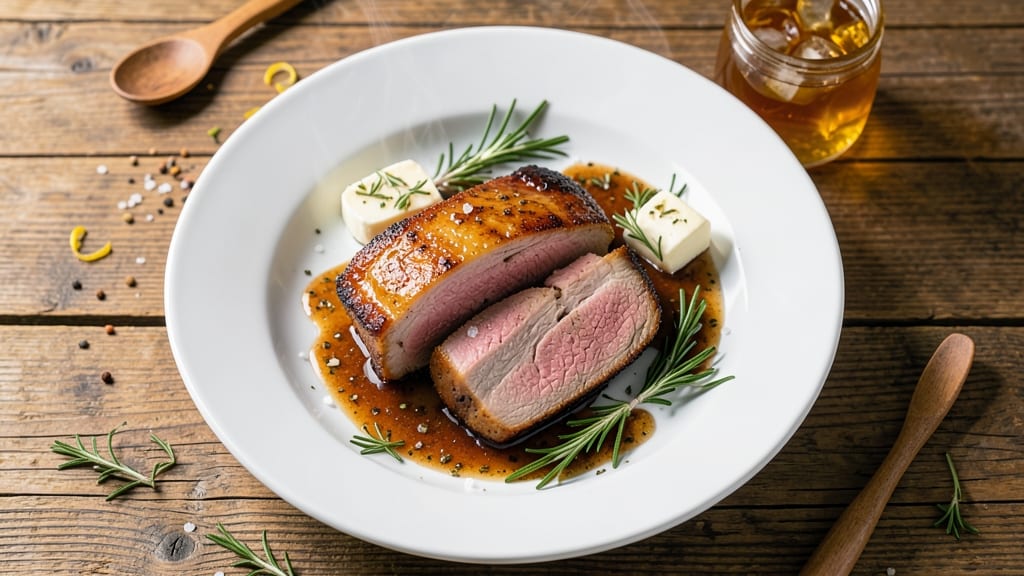
This juicy boneless pork chop recipe delivers a pan-seared crust that locks in moisture while keeping the interior tender and flavorful. After years of perfecting pork techniques in my Charleston kitchen, I've cracked the code for restaurant-quality results at home—no fancy equipment required.
The secret lies in proper seasoning, precise cooking times, and a herbed butter finish that transforms simple pork into something extraordinary.
What sets this recipe apart is the foolproof method for achieving that perfect medium-rare center while developing a crispy golden crust on the outside.
We'll start with a simple brine to ensure moisture retention, then sear the chops in a hot cast iron skillet until they reach 140°F internal temperature—just shy of medium-rare for maximum tenderness. The herbed butter basting during the last minutes creates that signature caramelized crust while infusing flavor throughout.
By following these exact steps, you'll end up with juicy, perfectly cooked pork chops that practically melt in your mouth while maintaining that satisfying crunch on the surface. The herbed butter adds layers of aromatic depth that elevate this dish from ordinary to exceptional.
This is the kind of recipe that makes weeknight dinners feel like a special occasion—without the fuss.
Pair these chops with roasted potatoes, a simple green salad, or your favorite applesauce for a complete meal. The technique works equally well for individual servings or feeding a crowd, making it versatile enough for any occasion.
Let's get started on creating pork chops that will impress even the most discerning eaters.
Ingredients for best juicy boneless pork chop
Four premium ingredients transform simple pork into restaurant-quality perfection with crispy crust and juicy centers.
| Ingredient | Amount | Notes |
|---|---|---|
| Boneless Pork Chops 🥩 | 4 whole | 1-inch thick, center-cut preferred |
| Diamond Crystal Kosher Salt 🧂 | 1 tbsp | For brine, plus extra for seasoning |
| Granulated Sugar 🍚 | 1 tbsp | For brine balance |
| Cold Water 💧 | 4 cups | For 1-hour brine |
| Unsalted Butter 🧈 | ½ cup | Cold, cubed for basting |
| Fresh Rosemary 🌿 | 1 tbsp | Finely chopped, organic preferred |
| Fresh Thyme Leaves 🌿 | 1 tbsp | From 2 sprigs, stems removed |
| Garlic Cloves 🧄 | 4 cloves | Minced, for herbed butter |
| Extra-Virgin Olive Oil 🫒 | 2 tbsp | High smoke point for searing |
| Black Peppercorns 🌶️ | 1 tsp | Freshly cracked, coarse grind |
| Cast Iron Skillet 🔥 | 1 whole | 10-12 inch preferred |
| Meat Thermometer 🌡️ | 1 whole | Instant-read preferred |
The pork chops are non-negotiable—center-cut, 1-inch thick is essential for even cooking. Local butcher shops often carry these, or check the meat case at Whole Foods for properly trimmed cuts. Avoid anything thinner than 3/4 inch, as it risks overcooking. The brine ratio of 1:4 salt-to-water ensures perfect moisture retention without making the meat mushy. I use Diamond Crystal kosher salt because it dissolves completely, leaving no grainy residue. For the herbs, organic rosemary and thyme from the grocery store's produce section work perfectly—just make sure they're fresh and fragrant.
No cast iron skillet? A heavy stainless steel pan works in a pinch, but cast iron develops the best crust. The herbed butter should be cold and cubed—this prevents it from melting too quickly during searing. Substituting dried herbs? Use one-third the amount of fresh, but honestly, fresh is worth the effort. The olive oil is crucial—high smoke point varieties like avocado or grapeseed oil work if you're avoiding olive oil, but extra-virgin adds beautiful flavor. For the pepper, freshly cracked makes a noticeable difference over pre-ground. If you're cooking for a crowd, double the batch—just ensure your skillet is large enough to handle all chops without crowding.
The brined chops should be refrigerated for at least 1 hour before cooking, but no longer than 4 hours to prevent over-brining. Pat them extremely dry with paper towels before searing—this is what creates that perfect crust. Leftover herbed butter can be stored in an airtight container in the fridge for up to 1 week or frozen for 3 months. Cooked chops reheat beautifully in a skillet over medium heat for 2-3 minutes per side, adding a splash of water or broth to keep them moist. For meal prep, portion the herbed butter into small containers—it's perfect for finishing other proteins like chicken or fish.
Why You'll Love This Recipe
- I’ll be real: that sugar-salt brine in cold water? It transforms tough pork into melt-in-your-mouth perfection. No fancy marinades—just 30 minutes of hands-off prep while you sip coffee.
- The secret’s in the pan: hot butter + kosher salt = that golden, shatteringly crisp edge while the inside stays juicy. (Yes, even on a Tuesday night.)
Step-by-step instructions for pan-seared boneless pork chops
Master this technique and you'll achieve restaurant-quality pork chops with a perfect crust and moist interior every time.
Create the Brine for Maximum Juiciness
In a large bowl, combine the 4 cups cold water, 1 tablespoon Diamond Crystal kosher salt, and 1 tablespoon granulated sugar. The sugar helps balance the salt and creates a more tender texture. Stir until the salt and sugar completely dissolve—this ensures even distribution throughout the pork chops.
Place the 4 whole boneless pork chops in the brine, ensuring they're fully submerged. Cover and refrigerate for exactly 1 hour. This step is non-negotiable for juicy results. The brine not only seasons the meat but also breaks down muscle fibers, allowing them to retain moisture during cooking. After brining, pat the pork chops dry with paper towels—this critical step promotes better browning and crust formation.
Prepare the Herbed Butter and Preheat the Skillet
While the pork chops brine, prepare the herbed butter by combining the ½ cup unsalted butter with the 1 tablespoon finely chopped fresh rosemary, 1 tablespoon fresh thyme leaves, 4 minced garlic cloves, and 1 teaspoon freshly cracked black peppercorns. Use a fork to mash the mixture until the herbs are evenly distributed. Form into a log and refrigerate until ready to use.
Place the cast iron skillet over medium-high heat for 5 minutes. You want the skillet to be hot enough to create a good sear but not so hot that it burns the butter. Add 2 tablespoons extra-virgin olive oil to the skillet and let it heat for an additional 1 minute—it should shimmer but not smoke. The oil should coat the bottom of the pan evenly, ensuring proper heat distribution.
Sear the Pork Chops to Perfection
Carefully place the dried pork chops in the hot skillet, spacing them about 1 inch apart to allow for even browning. Cook undisturbed for 3-4 minutes on the first side until the edges are deep golden brown and a crust begins to form. This crust is your first line of defense against dry meat, so don't rush it. If the butter starts to foam excessively, reduce the heat slightly to medium to prevent burning.
Flip the pork chops and continue cooking for an additional 3-4 minutes on the second side. During the last 30 seconds of cooking, add the herbed butter log to the skillet. Tilt the pan slightly and spoon the melted butter over the pork chops, basting them generously. This basting step infuses the meat with flavor and adds moisture, ensuring a juicy interior. The pork chops are done when they reach an internal temperature of 145°F on your meat thermometer, measured at the thickest part of the chop.
Rest and Serve for Optimal Texture
Transfer the pork chops to a clean plate and let them rest for 5-7 minutes before serving. This resting period allows the juices to redistribute throughout the meat, preventing them from pooling and running out when you cut into the chops. Tent loosely with aluminum foil if serving family-style to keep them warm.
Slice each pork chop diagonally into ½-inch thick portions to showcase the beautiful crust and juicy interior. Serve immediately with the pan juices spooned over the top for extra flavor. The result should be a perfectly seared exterior with a tender, moist center—exactly what makes these pork chops the best you've ever tasted. The herbed butter adds a rich, aromatic finish that elevates each bite to restaurant quality.
Pro Tips For Making Best Juicy Boneless Pork Chop
- Salt the Chops 40 Minutes Early: I learned this the hard way—skipping the long salt isn’t just about seasoning. Diamond Crystal kosher salt needs time to penetrate those boneless chops, so sprinkle both sides generously (about 1 teaspoon total) and let them sit uncovered on a wire rack in the fridge. This keeps them dry on the surface for that perfect crust while ensuring the salt works its magic inside.
- Use Cold Water for Brine: Sounds weird, but it works: when you’re dissolving sugar and salt for a quick brine (if you’re doing one), grab cold water straight from the tap—not warm. Cold water dissolves sugar more evenly and prevents the pork from absorbing too much liquid at once, which can make it soggy later. Just 1 cup of cold water with 1 tablespoon sugar and 1 teaspoon salt for 10 minutes does the trick.
- Start Hot, Then Finish Low: High heat. Seriously, crank the pan to medium-high and let the butter sizzle until it’s foaming before adding the chops. Once they’ve browned beautifully on both sides (about 2 minutes per side), drop the heat to medium-low and cover with a lid. This two-step move sears the outside for flavor while gently cooking the inside—no more dry, overcooked pork.
- Rest Under Foil: I skip this when I’m lazy, but the dish is noticeably better when I don’t: after pulling the chops from the pan, tent them loosely with foil and let them sit for 5-10 minutes. This keeps the juices from pooling out when you cut into them, so every bite stays moist. (Yes, even if you’re impatient like me.)
Troubleshooting great best juicy boneless pork chop
Overcooked Chops
If your pork chops turn out dry or tough, you've likely overcooked them. The key is hitting 145°F internal temperature—any higher and the meat will lose moisture. I use an instant-read thermometer like the ThermoWorks Smoke to monitor doneness precisely.
Remember, pork chops continue cooking slightly after you remove them from heat, so pull them out just before they reach your target temperature. 🌡️
Uneven Cooking
Uneven browning or cooking happens when chops aren't the same thickness or when you overcrowd the pan. I always trim my chops to 1-inch thickness and space them 1 inch apart in the skillet.
If you're cooking multiple chops, work in batches rather than trying to fit them all at once. A 10-12 inch cast iron skillet is ideal for this recipe—it gives enough surface area without overcrowding.
Butter Burning
When the herbed butter burns, it creates bitter flavors that ruin the delicate balance of this dish. To prevent this, keep your heat at medium-high and reduce it slightly if the butter starts to foam excessively.
I like to use a 10-inch Lodge cast iron skillet because it distributes heat evenly. If your pan is too hot, the butter will brown too quickly—wait until the skillet is properly heated before adding the chops.
Soggy Crust
A soggy crust means your chops weren't dry enough before searing. After brining, pat the chops thoroughly with paper towels—this step is absolutely critical. I double-check by pressing a towel against the meat; if it comes away damp, I pat again.
The crust forms through the Maillard reaction, which requires dry surfaces. Also, avoid moving the chops too soon—let them develop that golden crust for 3-4 minutes undisturbed.
Pale Interior
If your pork chops have a pale interior, they likely didn't cook long enough. The 145°F internal temperature is non-negotiable for safe, flavorful results. I recommend using a meat thermometer to avoid guessing.
For extra insurance, let the chops rest for 5-7 minutes after cooking—they'll continue carrying over to the perfect medium-rare doneness. If they're still pale, return them to the skillet for 1-2 more minutes on medium heat.
Herb Butter Issues
If your herbed butter doesn't infuse properly, it might be too warm when added to the skillet. Keep the butter log cold and firm until the final 30 seconds of cooking. I like to form it into a log and refrigerate it until ready to use.
Also, ensure your herbs are finely chopped—they should be nearly paste-like when mixed with the butter. If the butter separates or looks grainy, your herbs might not be finely enough minced. Use a fork to mash everything together thoroughly. 💡
Nutrition facts
Frequently asked questions
Why do you brine the pork chops before cooking?
The 1-hour brine with salt and sugar does three critical things: it seasons the meat deeply, breaks down muscle fibers for better tenderness, and helps retain moisture during cooking. Without brining, even perfectly cooked pork chops can end up dry. The sugar in the brine also creates a subtle caramelization that enhances flavor.
Can I use bone-in pork chops instead of boneless?
Yes, but you'll need to adjust cooking times slightly—bone-in chops take about 2-3 extra minutes per side due to their larger mass. The technique remains the same, but use a meat thermometer to check for 145°F internal temperature (measured in the thickest part away from the bone). Bone-in chops develop more flavor from the marrow, but boneless gives you cleaner presentation.
What's the best way to reheat leftover pork chops?
Reheat in a skillet over medium heat for 2-3 minutes per side, adding a splash of water or broth to keep them moist. Microwaving can make them rubbery. For extra flavor, add a pat of the leftover herbed butter while reheating. Never exceed 300°F—higher temperatures dry out the meat.
Can I substitute other herbs in the butter?
Swap rosemary for parsley and tarragon for a French-inspired flavor, or use sage and lemon zest for a bright twist. Just keep the herb-to-butter ratio the same. The key is using fresh herbs—dried herbs lose their potency when melted into butter. For a smoky profile, add ½ teaspoon smoked paprika to the butter mixture.
How do I know when the pork chops are done without a thermometer?
For medium doneness, press the thickest part with your finger—it should feel slightly springy (like pressing your thumb against your palm). The internal color should be light pink in the center. The herbed butter should melt completely and the crust should be deep golden brown. If in doubt, undercook slightly—pork chops continue cooking after removal.