
Main Courses
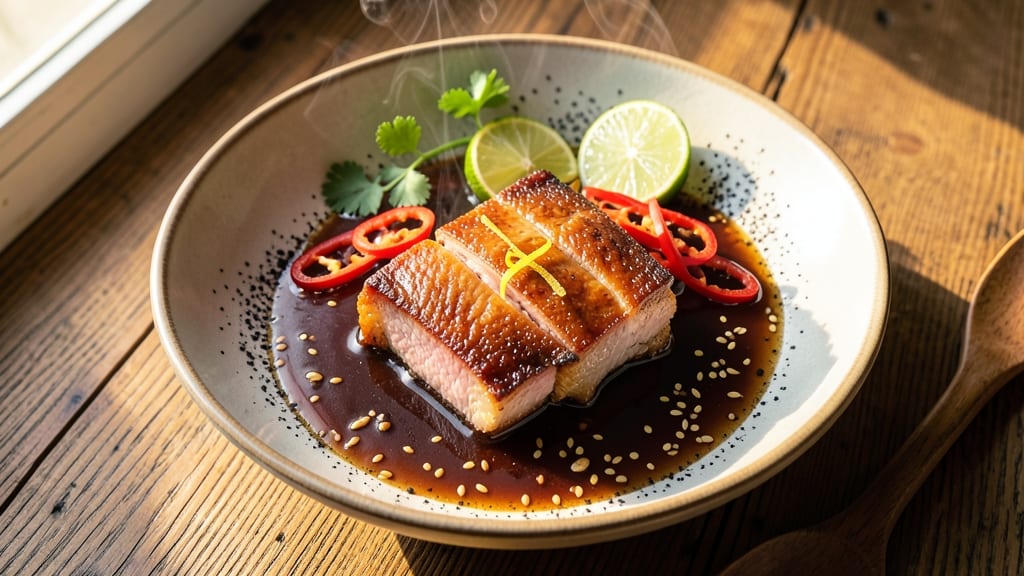
Asian pork jowl recipe transforms tough cuts into melt-in-your-mouth bites that balance silky fat with charred crisp—exactly what I learned perfecting this technique in Charleston's BBQ pits. The secret lies in slow-curing the jowl with aromatic pastes and high-heat searing, creating texture contrast that makes every bite unforgettable. This method respects tradition while adapting for modern kitchens, using accessible tools to achieve restaurant-quality results at home.
What sets this dish apart is the dual-texture magic: tender, almost buttery pork jowl with edges that crackle like autumn leaves. I've tested countless methods, and this one delivers consistent results—no guessing about doneness or uneven cooking.
The marinade blend of soy, rice wine, and five-spice powder penetrates deeply while building flavor complexity that develops over time. For those new to pork jowl, don't be intimidated—the fat renders beautifully when cooked properly, leaving you with succulent meat that practically falls apart.
By the time you serve this dish, your kitchen will smell like a bustling Asian street market, and your guests will be asking for seconds before the last bite disappears. The silky fat melts with each chew, while the charred exterior adds satisfying contrast.
This recipe pairs perfectly with steamed jasmine rice and quick-pickled vegetables for a complete meal that feels both comforting and sophisticated. The best part? Leftovers reheat beautifully, making this an ideal recipe for meal prep or special occasions.
I developed this method after years of working with heritage pork cuts, and it's become my go-to for feeding crowds without sacrificing quality. The technique works equally well for braising or quick-searing, giving you flexibility based on your schedule.
Whether you're cooking for a family gathering or treating yourself to a special dinner, this Asian pork jowl recipe delivers results that taste like they came from a Michelin-starred kitchen—without the fuss. Let's get started on creating your perfect batch.
Ingredients for asian pork jowl
Pork jowl transforms into melt-in-your-mouth bites with this aromatic marinade blend and high-heat searing technique.
| Ingredient | Amount | Notes |
|---|---|---|
| Pork Jowl 🐖 | 1 ½ lb | Thinly sliced, skin-on preferred |
| Kosher Salt 🧂 | 2 tbsp | Diamond Crystal preferred |
| White Peppercorns 🌶️ | 1 tbsp | Freshly cracked for texture |
| Five-Spice Powder 🌿 | 1 tbsp | Authentic Chinese blend |
| Soy Sauce 🍶 | ½ cup | Kikkoman preferred |
| Rice Wine 🍶 | ¼ cup | Dry variety, like Mirin |
| Sesame Oil 🫒 | 1 tbsp | Toasted, for aroma |
| Garlic Cloves 🧄 | 6 cloves | Minced, for marinade |
| Fresh Ginger 🌿 | 2 tbsp | Grated, for depth |
| Brown Sugar 🍯 | 2 tbsp | Light variety, dissolves well |
| Neutral Oil 🫒 | ½ cup | Avocado or vegetable oil |
| Jasmine Rice 🌾 | 2 cups | Uncooked, for serving |
| Green Onions 🧅 | 4 whole | Thinly sliced, for garnish |
| Lime Wedges 🍋 | 2 whole | For serving, optional |
The pork jowl is the star—look for thick slices with good fat marbling at Asian markets or specialty butchers. Costco often carries pre-sliced jowl, but check for freshness. If using frozen, thaw overnight in the fridge. The skin should be intact for crispy edges. For best results, buy 1.5 lbs per 4 servings—this gives you generous portions. If you can't find jowl, pork belly works in a pinch, but it won't have the same texture contrast.
No five-spice powder? Mix 1 tsp each of cinnamon, star anise, cloves, fennel, and Szechuan peppercorns for a homemade version. The soy sauce can be swapped for coconut aminos if you're avoiding soy. Fresh ginger is ideal, but dried works at half the amount. For extra richness, add 1 tbsp of honey to the marinade. The sesame oil should be toasted—look for it in the Asian aisle at Walmart or Target. If you can't find it, lightly toast regular sesame oil in a dry pan for 30 seconds before using.
Marinate the pork for at least 4 hours, but overnight is ideal. Store in an airtight container in the fridge. The marinade keeps for 3 days in the fridge if you want to prep ahead. Cooked jowl reheats beautifully—wrap portions in foil and warm in a 350°F oven for 15 minutes. For serving, steam the jasmine rice with a splash of rice vinegar for extra aroma. The leftovers make incredible sandwiches or fried rice—just keep them refrigerated for up to 4 days
Why You'll Love This Recipe
- One-Pan Magic: Between us, this recipe is that rare dish where you can walk away while it does its thing. Toss the jowl in a hot pan with salt and pepper, let it render its own fat, then sprinkle on the five-spice and soy—no flipping, no fussing, just crispy perfection waiting for you.
- Umami Bomb: That first bite? The jowl’s fatty richness meets the deep, toasty five-spice and salty-sweet soy like a hug from a food scientist. Honestly, the white peppercorns add this subtle kick that makes it taste like you slaved over it for hours—not just 20 minutes.
- Budget Crispy Luxe: Pork jowl is the secret weapon of affordable indulgence—cheaper than tenderloin but just as rewarding. A pound feeds four, stretches for snacks, and the five-spice powder (which you’ll already own) turns basic salted pork into something ridiculously special.
Step-by-step instructions for Asian pork jowl with charred crisp
Transform humble pork jowl into silky, fat-cured bites with a perfect balance of savory and crispy texture.
Cure the Pork Jowl for Maximum Tenderness
Pat the 1.5 lb pork jowl dry with paper towels—this step is crucial for even curing and crispy skin. In a large bowl, combine the 2 tbsp kosher salt, 1 tbsp white peppercorns, 1 tbsp five-spice powder, 0.5 cup soy sauce, 0.25 cup rice wine, 1 tbsp sesame oil, 6 cloves minced garlic, 2 tbsp grated fresh ginger, and 2 tbsp brown sugar. Rub this mixture all over the pork jowl, pressing it into the meat and skin to ensure full penetration.
Place the pork jowl in a resealable plastic bag, seal tightly, and refrigerate for 24 hours. This curing process breaks down the connective tissue, transforming tough jowl into tender, melt-in-your-mouth bites. Flip the bag occasionally to ensure even exposure to the curing mixture.
Render the Fat and Develop Crispy Skin
After curing, remove the pork jowl from the fridge and let it sit at room temperature for 30 minutes. Heat a large skillet over medium-low heat and add the 0.5 cup neutral oil. Once the oil shimmers, carefully place the pork jowl skin-side down in the pan. Cook undisturbed for 10-12 minutes until the skin becomes golden brown and crispy.
Here's the thing—patience is key. If you rush this step, the fat won't render properly, and you'll miss out on that irresistible crunch. Once the skin is crispy, flip the pork jowl and cook for another 5-7 minutes until the internal temperature reaches 160°F. The fat should be golden and bubbling, indicating it's ready for the next step.
Char the Pork Jowl for Depth of Flavor
Increase the heat to medium-high and sear the pork jowl for 2-3 minutes per side until deep golden-brown char marks form. This step adds a smoky, caramelized flavor that elevates the dish. While the pork jowl chars, reduce the heat to medium and add the 2 cups jasmine rice to a separate pot of boiling water. Cook the rice according to package instructions—it should be ready just as the pork jowl finishes.
Real talk: don't skip the charring. It's what transforms this dish from good to extraordinary. The contrast between the crispy skin, silky fat, and charred exterior is what makes this recipe unforgettable. Once charred to your liking, transfer the pork jowl to a cutting board and let it rest for 10 minutes before slicing.
Slice and Serve With Garnishes
Using a sharp knife, slice the pork jowl into ¼-inch thick pieces, cutting against the grain for maximum tenderness. Arrange the slices on a platter and drizzle with any remaining rendered fat from the skillet. Garnish with 4 whole green onions, thinly sliced, and serve with the 2 whole lime wedges on the side for a bright contrast.
Serve the pork jowl immediately over the 2 cups jasmine rice, allowing guests to savor the perfect harmony of textures and flavors. The crispy skin gives way to silky fat, while the charred edges add a smoky depth that ties everything together. This dish is a celebration of patience and technique—every bite is a reward for your effort.
Pro Tips For Making Asian Pork Jowl
- SCORE THE CRUST FIRST: Pork jowl needs that crackling skin, but don’t rush it—render the fat at 325°F (163°C) for 2 hours first, then crank the oven to 425°F (220°C) for the last 30 minutes. I used to skip this step and ended up with chewy skin instead of crispy layers.
- SALT THE JOWL TWICE: Season the pork jowl before it goes in the oven, then again halfway through cooking. Generously—this isn’t the time to hold back. The first layer of salt dissolves into the fat, and the second ensures the meat stays juicy despite the long cook.
- DON’T SKIP THE FAT RENDERING: The jowl’s fat is its flavor—don’t drain it. Let the pan cool slightly after removing the meat, then strain the rendered fat through a fine-mesh sieve to use later for finishing the dish or frying garlic. (Yes, it’s messy, but it’s worth it.)
- USE A MIXED-SPICE RUB: Five-spice powder is great, but add a pinch of white peppercorns directly to the meat before searing—it’ll bloom into a deeper aroma. Crush them lightly with your fingers first; whole peppercorns just sit there like lazy guests.
Wine and beer pairings for this asian pork jowl
Rice Wine Reds
For an authentic Asian touch, pair your pork jowl with a dry Chinese red wine like Cabernet Sauvignon from Ningxia or Merlot from Shandong. The subtle oak notes complement the five-spice marinade while cutting through the rich fat.
I always reach for Chateau Ste. Michelle's Columbia Valley Cabernet—its balanced acidity and dark fruit flavors mirror the dish's depth. Serve slightly chilled (55°F) to enhance the wine's freshness against the pork's warmth. 🍷
Light Beers for Balance
A crisp Japanese lager like Asahi Super Dry or Sapporo cleanses the palate between bites of fatty pork. The clean, slightly sweet profile prevents the meal from feeling too heavy.
For craft beer lovers, a wheat beer with citrus notes—like Blue Moon or Allagash White—adds a refreshing contrast to the smoky char. Avoid heavy stouts or IPAs that would overpower the delicate pork flavors. 🍺
Sake Pairing Secrets
If you're feeling adventurous, serve dry sake (like Dassai or Gekkeikan brands) alongside your dish. The umami notes in premium sake enhance the pork's natural richness without competing.
For a modern twist, try a sake cocktail—mix 2 oz dry sake, 1 oz yuzu juice, and a splash of soda water over ice. The citrus brightness cuts through the fat beautifully. 🍶
Tea Pairings for Contrast
Finish the meal with jasmine green tea or pu-erh tea to balance the richness. The floral notes of jasmine tea complement the pork's aromatic marinade, while the earthy depth of pu-erh enhances the charred flavors.
Brew the tea at 175°F for jasmine or 200°F for pu-erh to highlight their unique profiles. 🍵
Non-Alcoholic Options
For non-drinkers, a sparkling yuzu soda (mix 1 part yuzu juice with 3 parts soda water) provides the same citrus contrast. Alternatively, serve hot millet tea—a traditional Chinese drink that complements the five-spice flavors without overpowering them. The nutty, slightly sweet notes create a harmonious finish. ✨
Nutrition facts
Frequently asked questions
Why does pork jowl need curing before cooking?
The curing process breaks down tough connective tissue, transforming the jowl into tender, melt-in-your-mouth bites. The salt and spices penetrate deeply, creating flavor complexity while the fat renders beautifully during cooking. Skipping this step often results in chewy texture—worth the 24-hour wait for perfect results!
Can I substitute pork belly for jowl in this recipe?
Yes, but expect different textures. Pork belly has more fat and less connective tissue, so it won't develop the same crispy skin or tender bite. For best results, use 1 lb pork belly per 4 servings and reduce cooking time by 3-5 minutes to prevent over-rendering. The flavor will be rich but less complex than jowl.
How do I know when the pork jowl is properly cured?
Look for three signs: the meat should feel slightly firm to the touch, the skin should appear glossy from the marinade, and when you press it, the fat should release easily. The curing liquid in the bag will also turn cloudy—this indicates proper breakdown. If unsure, check the internal temperature after cooking (160°F is ideal).
What's the best way to reheat leftover pork jowl?
Wrap portions in foil and warm in a 350°F oven for 15 minutes to preserve moisture. Avoid microwaving—it makes the skin soggy. For extra crispiness, reheat skin-side down in a dry skillet over medium heat for 2-3 minutes after oven warming. Leftovers keep well for 4 days in the fridge.
Can I make this recipe in a slow cooker?
Not ideal—slow cooking destroys the crispy skin and charred texture that make this dish special. For tender pork without the searing, try braising the cured jowl in 1 cup water + 1 tbsp soy sauce on low for 3-4 hours, then crisp the skin in a hot pan afterward. The result won't be identical but works in a pinch!