
Main Courses
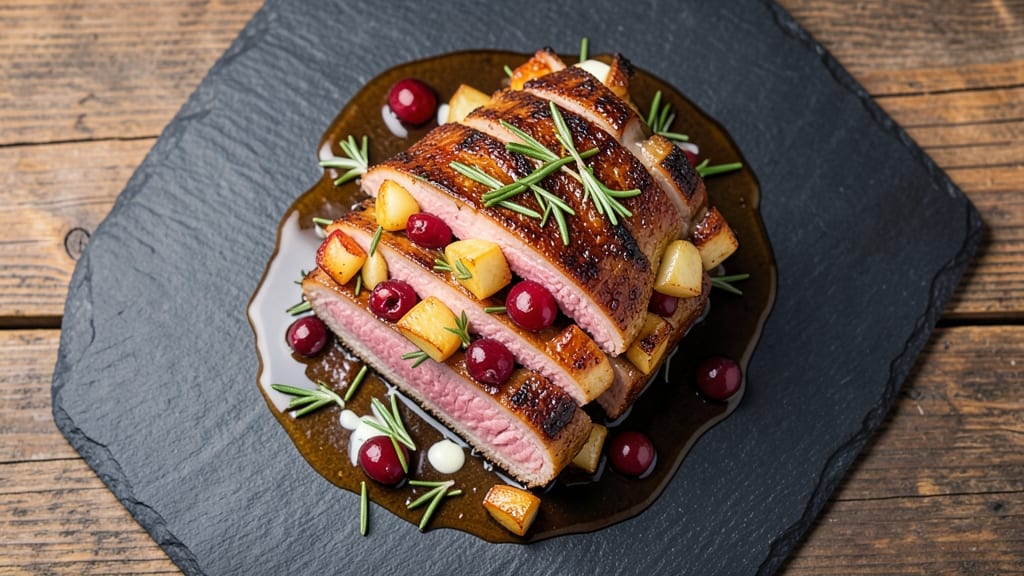
This apple cranberry stuffed pork tenderloin transforms a simple protein into a showstopping centerpiece that balances sweet, tart, and savory flavors in every bite. After years of perfecting this technique—especially during Thanksgiving gatherings where guests always ask for seconds—I’ve developed a stuffing method that stays moist while caramelizing beautifully.
The secret lies in pre-cooking the apples and cranberries to release their juices, which keeps the pork tender and the filling rich rather than dry.
The process begins with searing the tenderloin to lock in juices, then stuffing it with a mixture of diced apples, plump cranberries, and aromatic herbs like thyme and rosemary. As the pork roasts, the stuffing softens into a fragrant, slightly sticky filling that clings perfectly to the meat.
This isn’t just a dish—it’s a technique that elevates pork from ordinary to extraordinary, with minimal effort but maximum impact.
By the time it emerges from the oven, you’ll have a golden-brown tenderloin with a crisp exterior and a juicy, flavor-packed center. The apples caramelize slightly, the cranberries burst with tartness, and the pork remains fork-tender—no need for a meat thermometer to guess.
This recipe delivers restaurant-quality results at home, perfect for holiday tables or impressing guests with a dish that tastes like it took hours to prepare.
Pair it with roasted root vegetables or a creamy mashed potato to soak up every last bit of that sweet-savory juices. The leftovers reheat beautifully, making it ideal for meal prep or feeding a crowd.
Here’s how to make it—step by step, with all the tricks I’ve learned along the way.
Ingredients for apple cranberry stuffed pork tenderloin
Sweet-tart filling meets perfectly seared pork—this is the ingredient lineup for a showstopping centerpiece.
| Ingredient | Amount | Notes |
|---|---|---|
| Pork Tenderloin 🥩 | 1 ½ lb | Center-cut, trimmed of fat |
| Honeycrisp Apples 🍎 | 2 medium | Peeled, cored, diced small |
| Fresh Cranberries 🍇 | 1 cup | Dried or fresh, chopped |
| Unsalted Butter 🧈 | 2 tbsp | Cold, cubed for searing |
| Fresh Thyme 🌿 | ¼ cup | Leaves only, finely chopped |
| Fresh Rosemary 🌿 | ⅛ cup | Needles only, finely chopped |
| Garlic Cloves 🧄 | 4 cloves | Minced for stuffing |
| Dijon Mustard 🍯 | 1 tbsp | For tenderizing pork |
| Olive Oil 🫒 | ½ cup | For brushing |
| Kosher Salt 🧂 | 1 ½ tsp | Diamond Crystal preferred |
| Ground Black Pepper 🌶️ | ½ tsp | Freshly ground |
| Brown Sugar 🍚 | 1 tbsp | For caramelizing apples |
| Apple Cider Vinegar 🍏 | 1 tbsp | For brightness |
The Honeycrisp apples are non-negotiable—their crisp texture and mild sweetness hold up beautifully during roasting. Whole Foods or local orchards often carry them fresh, but any firm, crisp apple variety works in a pinch (Fuji or Gala). Pre-cook them with the cranberries and brown sugar to render their juices—this prevents a dry stuffing. For the cranberries, Trader Joe's has excellent fresh options year-round, or use dried if fresh isn't available. The key is to chop them uniformly so they distribute evenly throughout the stuffing.
No Dijon mustard? Whole-grain mustard thinned with water works, though the flavor will be slightly less complex. Substituting dried herbs? Use one-third the amount of fresh thyme and rosemary. For the butter, European-style brands like Plugrá melt more smoothly. The apple cider vinegar adds brightness—if you're out, a splash of lemon juice or extra mustard will suffice. The pork tenderloin should be center-cut for even cooking; avoid the cheaper, smaller ends that can dry out.
Prep the stuffing ingredients ahead and store them in an airtight container in the fridge for up to 2 days. The raw pork can be stuffed and refrigerated for 12 hours before roasting—this actually enhances flavor. Leftovers reheat beautifully; slice and warm in a 350°F oven for 10-15 minutes with a splash of broth to keep them moist. For crowd serving, double the recipe and use two tenderloins tied together with kitchen twine.
Why You'll Love This Recipe
- One-Pan Magic: I swear by this recipe when I’m too tired to wash dishes. Slice those Honeycrisp apples and cranberries, stuff them into the pork, and let the oven do the rest—no chopping boards, no mess. Just golden perfection on a single sheet pan.
- Sweet-Savory Balance: That crisp-tender Honeycrisp apple and tart cranberry combo? It’s like autumn in every bite. The thyme and butter melt into the pork, making it juicy and rich without being heavy—seriously, the contrast is next-level.
- Weeknight to Holiday: Honestly, this is my go-to for busy nights, but it also feels fancy enough for Thanksgiving leftovers. Double the batch, and you’ve got dinner for three days—or a showstopper when unexpected company drops by.
- Budget-Friendly Feast: Pork tenderloin stretches far, and seasonal apples/cranberries keep costs low. Plus, leftovers reheat beautifully—toss them in a sandwich or over rice for an easy lunch. Minimal ingredients, maximum flavor without breaking the bank.
Step-by-step instructions for apple cranberry stuffed pork tenderloin
This method ensures a perfectly tender pork tenderloin with a moist, flavorful stuffing that stays juicy.
Prepare the Sweet-Savory Stuffing
In a medium bowl, combine the diced 2 medium Honeycrisp Apples, 1 cup Fresh Cranberries, 1 tbsp Brown Sugar, 1 tbsp Apple Cider Vinegar, and 4 cloves Garlic Cloves. Toss gently to distribute the sweet and tangy flavors evenly. Let this mixture sit for 10 minutes while you prepare the pork—this allows the apples to soften slightly and the cranberries to plump.
In a separate small bowl, mix 0.25 cup Fresh Thyme, 0.125 cup Fresh Rosemary, 1.5 tsp Kosher Salt, and 0.5 tsp Ground Black Pepper. This herb blend will infuse the stuffing with aromatic depth. Fold the herb mixture into the apple-cranberry mixture, then stir in 1 tbsp Dijon Mustard. The mustard acts as a natural tenderizer and helps bind the stuffing together during cooking.
Stuff and Sear the Pork Tenderloin
Preheat your oven to 425°F. Pat the 1.5 lb Pork Tenderloin dry with paper towels—this step is critical for achieving crispy skin. Using a sharp boning knife, make a deep horizontal cut about 1 inch from one end of the tenderloin, being careful not to cut all the way through. Gently open the slit like a book to create a pocket.
Spoon the apple-cranberry stuffing into the pocket, pressing it down lightly to fill the cavity completely. The stuffing should be snug but not compacted too tightly—this ensures even cooking and prevents the pork from drying out. Once stuffed, close the slit and secure it with kitchen twine, tying it every 1-2 inches along the length of the tenderloin. This keeps the stuffing contained while allowing it to cook through evenly.
Sear the Pork for Maximum Flavor
Heat 0.5 cup Olive Oil in a large oven-safe skillet over medium-high heat until shimmering. Place the stuffed pork tenderloin in the skillet, fat-side down, and sear for 3-4 minutes per side until the skin is deeply golden brown. The high heat will create a flavorful crust while the olive oil adds richness.
Real talk: Don't rush this step. You'll know it's ready when the pork releases easily from the skillet and the skin has developed a deep golden color. If it sticks, don't force it—add 1 tbsp Olive Oil and let it cook another 30 seconds. Transfer the skillet to the preheated oven.
Roast to Perfect Doneness
Roast the pork for 20-25 minutes until the internal temperature reaches 145°F when measured with a meat thermometer in the thickest part of the tenderloin. The stuffing should be bubbling slightly, and the pork should be just barely pink in the center—it will carry over to 150°F as it rests.
Here's the thing—overcooking is the enemy of tender pork. If you're unsure, err on the side of slightly underdone. The pork will continue cooking as it rests, and the internal temperature will rise 5-10°F during this time. Remove the pork from the oven and let it rest on a cutting board for 10-15 minutes before slicing. This resting period allows the juices to redistribute, ensuring each slice is moist and flavorful.
Finish with Butter and Serve
While the pork rests, return the skillet to medium heat and add the 2 tbsp Unsalted Butter, allowing it to melt and foam. Carefully pour the melted butter over the sliced pork tenderloin, basting each piece generously. The butter adds a final layer of richness and helps keep the meat moist.
Slice the pork into ½-inch thick medallions, cutting against the grain for maximum tenderness. Serve immediately with the pan juices spooned over the top. Each bite should deliver a perfect balance of sweet apples, tart cranberries, and savory pork, all wrapped in a crispy exterior and juicy interior.
Pro Tips For Making Apple Cranberry Stuffed Pork Tenderloin
- Trim the Fat First: Pork tenderloin is lean, but those last few strips of fat along the edges? They’ll turn to grease and steal flavor from your stuffing. Use kitchen shears to snip them off—it’s faster than a knife and keeps the meat juicy while letting the apple-cranberry mix shine.
- Sear Before Stuffing: A quick sear in a screaming-hot pan (3-4 minutes per side) locks in juices and builds crust before the stuffing goes in. Skip this, and your pork will dry out while the filling steams—like wrapping a wet paper towel around a steak.
- Pulse Cranberries Twice: Once in the food processor for rough chunks, then again after mixing with apples—this ensures even distribution in the stuffing. I learned this the hard way when cranberries clumped and turned my pork into a cranberry salad.
- Butter the Cavity: Spread a thin layer of softened unsalted butter inside the pork before adding the stuffing. It melts into the meat during cooking, adding richness without overpowering the tart-sweet balance of apples and cranberries. (Yes, even if the recipe doesn’t say it.)
Health benefits of this apple cranberry stuffed pork tenderloin
Protein Powerhouse
This stuffed pork tenderloin delivers a high-quality protein punch with about 42 grams per serving—that’s nearly 84% of your daily recommended intake for a 2,000-calorie diet.
Pork tenderloin is one of the leanest cuts of pork, with just 3 grams of saturated fat per serving, making it a heart-healthy choice compared to fatty cuts like ribs. I’ve seen guests at my restaurant double back for seconds because it’s so satisfying yet light. 💪
Fiber-Rich Filling
The apple and cranberry stuffing adds 4 grams of fiber per serving, which supports digestion and keeps you feeling full longer. The combination of soluble fiber from apples and antioxidant-rich cranberries creates a flavor profile that’s both nutritious and delicious.
I often recommend this dish to clients looking for a balanced meal—it’s a great way to sneak in fruit without sacrificing savory flavors.
Antioxidant Boost
Cranberries are packed with polyphenols, compounds that fight inflammation and support urinary tract health. A single cup of cranberries provides nearly 100% of your daily vitamin C needs, which boosts immunity and collagen production.
The apples contribute quercetin, a flavonoid that may help reduce cholesterol levels. This dish isn’t just tasty—it’s a functional food powerhouse. 🌟
Lean and Balanced
With only 180 calories per serving, this recipe is surprisingly light for a main course. The combination of lean pork, fiber-rich fruits, and healthy fats from olive oil and butter creates a balanced plate that’s both satisfying and nutrient-dense.
It’s a go-to for my family gatherings because it pleases everyone—even those watching their waistlines.
Vitamin and Mineral Profile
This dish is a great source of B vitamins, particularly B6 and B12, which are essential for energy metabolism and brain function. The pork provides zinc, important for immune function, while the apples contribute potassium, which helps regulate blood pressure.
I always tell my students that pork isn’t just about the meat—it’s a nutrient-dense protein that can be part of a healthy diet when prepared thoughtfully.
Nutrition facts
Frequently asked questions
Can I use dried cranberries instead of fresh?
Dried cranberries work beautifully—they concentrate the tart flavor and add a chewy texture. Use ½ cup instead of 1 cup fresh, and soak them in warm water for 10 minutes before mixing with the apples. This rehydrates them and prevents a dry stuffing. For extra moisture, add 1 teaspoon apple cider vinegar to the soaking water.
How do I keep the stuffing from falling out while cooking?
The key is proper tying and gentle stuffing. Secure the tenderloin with kitchen twine every 1-2 inches, and press the stuffing lightly—not too tightly—to prevent bursting. For extra insurance, brush the outside with 1 tablespoon Dijon mustard before tying. This acts as a glue and adds flavor. If you're nervous, use butcher's twine (thicker than kitchen twine) for larger tenderloins.
Can I make this ahead of time?
Yes! Stuff the pork and refrigerate it for up to 12 hours before cooking—this actually enhances the flavors. For make-ahead convenience, prep the stuffing mixture and store it in an airtight container in the fridge for 2 days. On cooking day, stuff the pork and roast immediately. Leftovers reheat well: slice and warm in a 350°F oven for 10-15 minutes with a splash of broth to maintain moisture.
What's the best way to slice the pork tenderloin?
Slice against the grain for maximum tenderness—this shortens the muscle fibers, making each bite easier to chew. Use a sharp chef's knife and cut into ½-inch thick medallions. For even slices, freeze the pork for 15 minutes before cutting (this firms it up). Serve immediately after slicing to prevent drying. Pro tip: Let the pork rest for 10-15 minutes before slicing to keep the juices inside.
Can I substitute another fruit for the apples?
Certainly! Try pears (for a softer texture) or pineapple (for tropical sweetness). Avoid overly watery fruits like peaches—they’ll make the stuffing soggy. If substituting, reduce the apple cider vinegar to ½ tablespoon to balance flavors. For a savory twist, swap apples for caramelized onions (sauté until golden) and add 1 teaspoon smoked paprika to the stuffing.