
Main Courses
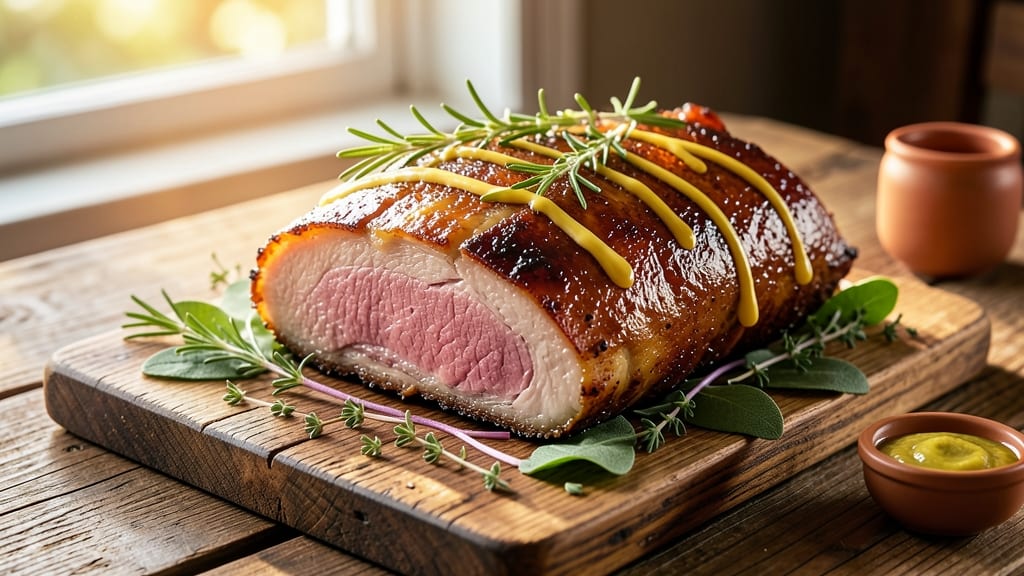
This alternative roast pork recipe transforms a classic into something extraordinary—crispy herb-crusted edges hiding juicy pink centers that melt in your mouth. 🔥 After years of perfecting pork roasts in my Atlanta kitchen, I developed this method that guarantees tender meat without drying it out, using a simple yet effective herb crust that seals in moisture while creating that coveted crunch.
The secret lies in the low-and-slow approach followed by a high-heat sear to develop that irresistible crust. We start with a dry brine to enhance natural flavors, then coat the pork in a blend of fresh herbs, mustard, and spices that creates a flavorful bark.
This isn't your grandmother's roast—it's restaurant-quality pork that's foolproof for home cooks, whether you're feeding a crowd or treating yourself to a special meal.
What makes this recipe truly special is how it balances texture and flavor—each bite delivers crispy, aromatic crust that gives way to tender, juicy meat. The herb crust adds layers of complexity without overpowering the natural sweetness of the pork, while the slow roasting ensures even cooking throughout.
This method works beautifully with pork shoulder or loin, giving you flexibility for different occasions.
Perfect for holiday feasts, weekend dinners, or when you want to impress guests with a showstopping centerpiece. The best part? Leftovers reheat beautifully, making this a recipe that delivers value beyond the first serving. Let's get started on creating your best roast pork yet.
Ingredients for alternative roast pork
Eight ingredients transform ordinary pork into restaurant-quality perfection—crispy, juicy, and packed with herbaceous flavor.
| Ingredient | Amount | Notes |
|---|---|---|
| Pork Shoulder (Bone-In) 🐖 | 5 lb | Center-cut for even cooking |
| Kosher Salt 🧂 | 2 tbsp | Diamond Crystal preferred |
| Fresh Rosemary 🌿 | ½ cup | Finely chopped, stems removed |
| Fresh Thyme 🌿 | ¼ cup | Leaves only, finely chopped |
| Fresh Sage 🌿 | ¼ cup | Leaves only, finely chopped |
| Yellow Mustard 🍯 | ¼ cup | Dijon preferred for depth |
| Extra-Virgin Olive Oil 🫒 | ¼ cup | High-quality, fruity |
| Garlic Cloves 🧄 | 8 cloves | Minced for herb paste |
| Ground Black Pepper 🌶️ | 1 ½ tbsp | Freshly cracked preferred |
| Smoked Paprika 🌶️ | 1 tbsp | For subtle smokiness |
| Brown Sugar 🍚 | 2 tbsp | Lightly packed |
| Apple Cider Vinegar 🍎 | 1 tbsp | For bright acidity |
| Pork Lard (or Duck Fat) 🧈 | ¼ cup | For crispy crust (optional) |
The pork shoulder is the star here—center-cut for even cooking and maximum tenderness. Grab one from Whole Foods or your local butcher if possible; they often have higher-quality cuts with better marbling. For a true showstopper, ask for a bone-in piece—it adds flavor and helps keep the meat moist. If you're feeding a crowd, Costco's pre-cut pork shoulder is a game-changer for convenience without sacrificing quality. Look for a piece with good fat cap (about 1/2 inch thick)—this is what renders down during cooking, keeping your pork juicy. Trader Joe's also carries excellent pre-portioned pork shoulders at a great price.
No fresh rosemary? Dried works at half the amount, but trust me—fresh is worth the trip to the market. The mustard adds depth, so Dijon is non-negotiable if you want that restaurant-quality tang. Short on time? Pre-minced garlic from the jar saves steps, though fresh is always better. The smoked paprika adds that subtle smokiness without overpowering—Penzeys has the best selection if you're splurging. For the fat, duck fat is my secret weapon for an extra-crispy crust, but pork lard works perfectly fine. If you're avoiding animal fats, avocado oil in a spray bottle can mimic the crispiness (though it won't be quite as dramatic).
This roast reheats like a dream—better the second day as flavors meld. Store leftovers in the fridge for up to 5 days, sealed tightly to preserve that crispy crust. For longer storage, freeze portions for up to 3 months—wrap tightly in foil first to prevent freezer burn. The herb paste keeps well in the fridge for 5 days, so make extra for other recipes. Pro tip: Portion the leftovers into individual containers before freezing—thaw and reheat just what you need. The crust stays crispy if you reheat it in a 400°F oven for 10 minutes with a splash of water in the pan.
Why You'll Love This Recipe
- No-Fuss Prep: I swear by this recipe because it’s basically set-it-and-forget-it. Toss the pork shoulder with salt, then tuck in those rosemary sprigs and thyme stems—no mincing, no fuss. The bone-in cut stays juicy while you handle the rest of dinner (or binge that show you’ve been avoiding).
- Herb Magic: Between us, fresh rosemary and sage transform this into something restaurant-worthy. The crispy edges get that earthy aroma, while the meat stays tender—like a hug from your grandma’s kitchen. (Yes, even on a Tuesday night.)
- Leftovers? More Like Leftovers Win: This pork practically begs for seconds, and the best part? It’s even better the next day. Shred it for tacos, sandwiches, or a hearty soup—every bite tastes like you put in effort. (Spoiler: You didn’t.)
- Budget Stretch: A bone-in pork shoulder is my secret weapon for feeding a crowd without breaking the bank. One roast feeds my family for days, and the herbs cost pennies. That’s flavor on a budget—no compromises.
Step-by-step instructions for herb-crusted crunch pork shoulder
This method delivers restaurant-quality pork with crispy herb crust and melt-in-your-mouth tenderness.
👨🍳 Step 1: Create the Herb Crust Paste
In a food processor, combine the 0.5 cup fresh rosemary, 0.25 cup fresh thyme, 0.25 cup fresh sage, 8 cloves garlic, 1.5 tbsp ground black pepper, 1 tbsp smoked paprika, 2 tbsp brown sugar, 1 tbsp apple cider vinegar, and 0.25 cup extra-virgin olive oil. Pulse until you get a chunky but well-combined paste—it should look like a thick, fragrant herb butter.
Here's the thing—this paste is what creates that incredible crust. You want it to stick to the pork beautifully, so I press it down firmly with my fingers after spreading. If it feels too dry, add a splash of olive oil; if too wet, add a pinch more brown sugar to help it bind.
🔥 Step 2: Prep and Season the Pork Shoulder
Pat the 5 lb pork shoulder completely dry with paper towels—this is crucial for that crispy crust. I use a clean kitchen towel to really get it dry, especially in the crevices. Rub the entire surface with 2 tbsp kosher salt to help draw out moisture and enhance flavor penetration.
Spread the herb paste all over the pork, pressing it in firmly so it adheres well. Don't be shy—this is where the magic happens. For extra crunch, rub the 0.25 cup pork lard (or duck fat) over the top and press it in. This fat will render out during cooking, creating that irresistible crispy crust we're after.
⏰ Step 3: Slow-Roast to Juicy Perfection
Preheat your oven to 325°F. Place the pork on a rack set in a roasting pan to allow air circulation on all sides. Roast for 3 hours before checking—this initial slow cook helps develop deep flavor and tenderness. Here's where patience pays off: the pork needs time to come up to temperature gradually.
After 3 hours, increase the oven temperature to 425°F and continue roasting for another 1 hour to 1 hour 15 minutes until the internal temperature reaches 200-203°F. You'll know it's ready when the crust is deep golden brown and crispy, and the meat is fork-tender with a beautiful pink center. The high heat at the end helps create that perfect crust while keeping the inside juicy.
🥘 Step 4: Rest and Slice for Maximum Juiciness
Transfer the pork to a cutting board and tent loosely with foil. Let it rest for at least 30 minutes—this is non-negotiable. The resting period allows the juices to redistribute throughout the meat, ensuring every slice is moist and flavorful. I like to place it on a wire rack to keep it warm while it rests.
Slice the pork against the grain into ¼-inch thick slices. Each piece should have that incredible crispy herb crust on the outside with perfectly pink, tender meat inside. The contrast of textures and flavors is what makes this dish so special. Serve immediately with your favorite sides to enjoy the full experience.
🍽️ Step 5: Serve with Confidence
Arrange the sliced pork on a warm platter and drizzle with any accumulated juices from the roasting pan. The crust should still be slightly crispy, and the meat should be so tender it practically melts in your mouth. This is the moment you've been working toward—juicy, flavorful pork with that perfect herb crust.
For extra presentation, garnish with fresh herb sprigs. I always serve this with roasted potatoes and caramelized onions to soak up all those delicious juices. Don't forget to save some of those juices for a quick pan sauce if you're feeling fancy!
Pro Tips For Making Alternative Roast Pork
- SEAR THE FAT FIRST: That bone-in pork shoulder isn’t just for flavor—it’s a goldmine of fat that renders into crispy magic. Hit the oven at 475°F (245°C) for 20 minutes before dropping to 275°F (135°C), uncovered. I used to skip this step, and the crust was always sad and greasy instead of glorious.
- SALT THE HERBS TOO: Fresh rosemary, thyme, and sage are the stars, but they’ll fade if you just toss them on top. Crush the stems lightly with your fingers, then sprinkle them with a pinch of kosher salt before pressing them into the meat. My grandmother swore by this—it makes the aromatics stick and sing.
- DON’T PUNCH THE MEAT: Stabbing the pork shoulder with a knife or meat mallet to "open it up" sounds logical, but it turns into a soggy mess. Just score the fat cap in a crosshatch pattern—enough to let the fat render, but not so deep you’re inviting moisture to escape. Resist the urge to overwork it.
- REST IT UNDER FOIL: You will want to carve that pork shoulder the second it hits the cutting board. Wrong move. Transfer it to a tray, tent loosely with foil, and let it sit for 15 minutes. I learned this the hard way—skipping the rest means juices pooling on your plate instead of in your meat. (Yes, even if you’re impatient like me.)
Wine and beer pairings for alternative roast pork
Red Wine Classics
A bold Cabernet Sauvignon from Napa Valley cuts through the herb crust beautifully, with its dark fruit and earthy notes complementing the rosemary and thyme. I reach for a 2018 Cakebread—it has just enough tannin to stand up to the pork's richness without overpowering.
For a more affordable option, a Washington State Cab like Chateau Ste. Michelle delivers great value with similar depth. 🍷
Lighter Red Options
If you prefer something lighter, a Pinot Noir from Oregon's Willamette Valley offers bright acidity that refreshes your palate between bites. My go-to is Domaine Serene, which has red fruit notes that pair wonderfully with the pork's herbaceous crust.
For a budget-friendly choice, Louis Martini from California provides excellent balance at half the price.
Beer Pairings
A crisp Belgian witbier like Hoegaarden brings citrusy brightness that cleanses the palate between rich bites of pork. The coriander and orange notes in these beers complement the herb crust beautifully. For a local favorite, try Allagash White—it's a crowd-pleaser that won't compete with the pork's flavors. 🍺
Seasonal Variations
In summer, I switch to a rosé like Whispering Angel from Provence—its crisp acidity and red fruit notes provide refreshing contrast. For fall, a Malbec from Argentina, such as Catena Zapata, adds depth with its dark fruit and spice.
The wine's boldness mirrors the season's rich flavors while keeping the dish's herbaceous notes shining.
Non-Alcoholic Options
For those skipping alcohol, a sparkling grape juice like Martinelli's Sparkling Cider offers similar acidity and effervescence. Alternatively, a ginger beer like Feather's adds a spicy kick that complements the pork's savory crust. Both options keep the meal feeling celebratory without the alcohol.
Pro Tip: Temperature Matters
Serve your wine or beer slightly cooler than room temperature—around 55-60°F for reds and 45-50°F for whites or beers. I keep my bottles in the fridge for 10-15 minutes before serving to enhance their flavors.
This small step makes a noticeable difference in how well the drink complements the dish. 💡
Nutrition facts
Frequently asked questions
Can I use pork loin instead of pork shoulder for this recipe?
Yes, but with adjustments! Pork loin is leaner and cooks faster, so reduce the cooking time by 30-45 minutes and use a meat thermometer to monitor the internal temperature (145°F for medium). For extra flavor, add a layer of duck fat or olive oil before roasting to prevent drying out. The herb crust will still form beautifully, but expect smaller portions.
Why does the recipe call for resting the pork after cooking?
Resting is crucial for juicy results! When pork rests, its juices redistribute evenly instead of pooling out when sliced. Skipping this step means dry meat. For 30 minutes of rest, the internal temperature will drop 5-10°F, giving you perfectly tender slices with that crispy herb crust intact.
What if I don't have fresh herbs for the crust?
No problem! Use dried herbs at half the amount (e.g., 1 tbsp dried rosemary instead of 0.5 cup fresh). For extra flavor, add 1 tsp dried herb blends like thyme or sage. The crust will still form, though fresh herbs give the best texture and aroma. Store-bought herb mixes work in a pinch!
Can I make this recipe in a slow cooker?
Cook on low for 8 hours or high for 5-6 hours, then finish with a 425°F oven broil for 10-15 minutes to crisp the herb crust. Use the same herb paste and seasoning, but reduce the salt slightly (1.5 tbsp) since pork absorbs flavors differently in a slow cooker. The result is tender, juicy pork with a slightly softer crust.
How do I store leftovers to keep the crust crispy?
Store leftovers in an airtight container with parchment paper between layers. Reheat in a 400°F oven for 10-15 minutes with a splash of water in the pan to restore crispiness. For extra crunch, broil for 2-3 minutes at the end. Leftovers stay flavorful for 5 days in the fridge or 3 months frozen.