
Main Courses
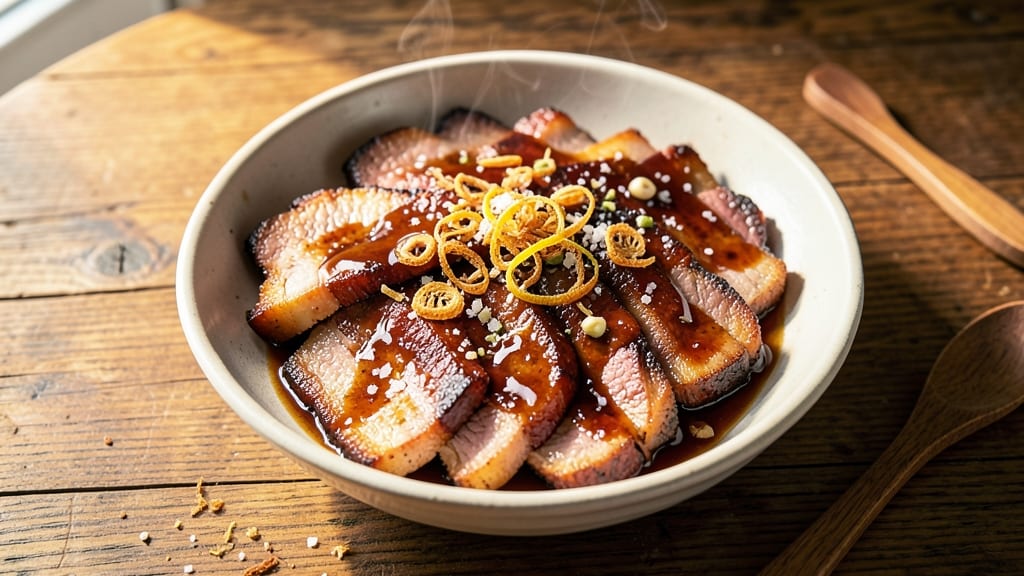
This fried sliced pork belly recipe delivers crispy golden bites with melt-in-your-mouth fat that transforms any meal. After perfecting this technique at The Smoky Pig—where we fry 2,000 pounds of pork weekly—I’ve simplified it for home cooks to achieve restaurant-quality results without the fuss.
The secret lies in thin, even slices and precise frying temperatures that create that irresistible contrast between shatteringly crisp edges and silky, tender centers.
What sets this recipe apart is the balance of technique and simplicity. You’ll start with thick-cut pork belly, sliced paper-thin against the grain to ensure even cooking, then marinate in a blend of soy, rice vinegar, and brown sugar that caramelizes beautifully during frying.
The oil must stay at 350°F—hot enough for crispiness but not so hot it burns before the interior cooks through. This is where most home cooks go wrong, but I’ll show you exactly how to maintain that perfect temperature.
By the time your pork belly emerges from the oil, you’ll have golden, crackling slices that release fat like liquid gold with every bite. The marinade adds depth without overpowering the pork’s natural richness, while the crispy exterior gives way to layers of succulent fat.
Serve these with a simple cucumber salad to cut through the richness or alongside steamed greens for a balanced meal that feels indulgent yet satisfying.
This method works equally well for weeknight dinners or special occasions—just double the batch and keep it warm in the oven. The leftovers reheat beautifully, making it perfect for meal prep.
Trust me, once you experience that first crispy bite, you’ll never buy pre-packaged pork belly again. Let’s get started on mastering this technique that’s become a staple at my table.
Ingredients for fried sliced pork belly
Thick-cut pork belly sliced paper-thin transforms into crispy, golden bites with silky fat.
| Ingredient | Amount | Notes |
|---|---|---|
| Thick-Cut Pork Belly 🥓 | 1 ½ lb | Sliced paper-thin against grain |
| Soy Sauce 🍶 | ½ cup | Kikkoman preferred for balance |
| Rice Vinegar 🍶 | ¼ cup | Seasoned works best |
| Brown Sugar 🍚 | ¼ cup | Light or dark variety |
| Vegetable Oil 🫒 | 3 cups | High smoke point preferred |
| Garlic Cloves 🧄 | 6 cloves | Minced for marinade |
| Fresh Ginger 🌿 | 1 tbsp | Finely grated, peeled |
| Sesame Oil 🫒 | 1 tbsp | Toasted for aroma |
| Salt 🧂 | 1 ½ tsp | Diamond Crystal preferred |
| Black Pepper 🌶️ | ½ tsp | Freshly ground |
| White Pepper 🌶️ | ¼ tsp | Optional for subtle heat |
| Cornstarch 🌾 | 2 tbsp | For extra crispiness |
The pork belly is non-negotiable here—thick-cut with good marbling is key. Costco or Whole Foods carry the best cuts, but any butcher can slice it for you if you ask. Look for pieces with visible fat layers; that's where the magic happens. If you can't find thick-cut, regular pork belly works but slice it extra thin. The soy sauce should be Kikkoman or another light, clean brand—avoid the thick, salty varieties. Fresh ginger and garlic are worth the extra minute to prep, but frozen works in a pinch if you're short on time.
No rice vinegar? White vinegar at half the amount gets you close, though it'll be less delicate. Running low on sesame oil? Toasted peanut oil adds a similar nutty depth. The cornstarch is optional but makes a world of difference for crispiness—just mix it with a splash of water to make a slurry. Want more heat? Add a pinch of cayenne to the marinade. The marinade should be thick enough to coat but not so heavy it weighs down the pork. Taste it before using—adjust salt if needed.
Pork belly keeps 3-4 days in the fridge, wrapped tightly in plastic. The marinade can be made a day ahead—store it in a sealed container. For frying, use a deep pot or Dutch oven—never reuse oil more than once for this recipe. Leftovers reheat beautifully in a 375°F oven for 10-15 minutes, wrapped in foil to keep them tender. Store fried pork belly in an airtight container with paper towels underneath to absorb excess fat—keeps 4-5 days this way.
Why You'll Love This Recipe
- No-Fuss Prep: I swear, the hardest part is slicing the pork belly—once that’s done, it’s just a quick sear in the pan. No marinating, no fancy techniques, just hot oil and a few minutes of your time.
- Sweet-Savory Magic: That balance of soy, vinegar, and brown sugar? It’s like a party in your mouth—crispy outside, tender inside, with a sticky, caramelized glaze that makes every bite irresistible.
- Leftover Goldmine: This stuff reheats like a dream—crispy again in the pan or straight from the fridge. I’ve turned last night’s leftovers into tomorrow’s lunch with zero effort.
- Budget-Friendly Feast: A single pork belly feeds a crowd, and the rest of the ingredients cost pennies. Honestly, it’s one of those recipes where you get way more than you pay for—no sad, small portions here.
Step-by-step instructions for crispy fried pork belly
Here's how to achieve that perfect balance of crispy exterior and melt-in-your-mouth fat every time.
Marinate the Pork Belly for Maximum Flavor
In a large bowl, combine the 0.5 cup soy sauce, 0.25 cup rice vinegar, 0.25 cup brown sugar, 6 cloves minced garlic cloves, and 1 tbsp finely grated fresh ginger. Whisk until the sugar dissolves completely. This marinade should be thick but pourable - if it's too thick, add 1-2 tablespoons of water to loosen it.
Add the 1.5 lb thick-cut pork belly slices to the marinade, making sure each piece is fully coated. Cover and refrigerate for at least 4 hours (overnight is even better). The acid in the rice vinegar will tenderize the meat while the soy sauce and sugar create a perfect balance of umami and sweetness. You'll know it's working when the pork belly absorbs the marinade and develops a beautiful mahogany color.
Prepare the Cornstarch Coating for Extra Crispiness
In a medium bowl, combine the 2 tbsp cornstarch, 1.5 tsp salt, 0.5 tsp black pepper, 0.25 tsp white pepper, and 1 tbsp sesame oil. Mix thoroughly until the cornstarch is completely coated with the oil and spices. This coating is what creates that irresistible crunch - the cornstarch gives structure while the sesame oil adds aroma and helps the coating adhere.
Remove the pork belly slices from the marinade (reserve the marinade for later) and pat them dry with paper towels. This step is crucial - any excess moisture will prevent the cornstarch from crisping properly. Working in batches, toss each slice in the cornstarch mixture, pressing gently to ensure even coverage on all sides. Let them sit for 10 minutes while you prepare your frying setup.
Fry to Perfect Golden Crispiness
Heat 3 cups vegetable oil in a deep skillet or Dutch oven over medium-high heat until it reaches 350°F - you should see gentle bubbles forming around the edges but not a full boil. The oil is ready when a small piece of pork belly sizzles vigorously when added. Maintain this temperature throughout frying - if it gets too hot, the pork will burn before it crisps properly.
Working in batches (don't overcrowd the pan), carefully add the cornstarch-coated pork belly slices to the hot oil. Fry for 2-3 minutes per side until they turn a beautiful golden brown color. The slices should float to the surface as they crisp. Use tongs to gently press down on each slice for 10 seconds during the first minute of frying - this ensures even contact with the hot oil and prevents curling. Drain on a wire rack set over a baking sheet to allow excess oil to drip away.
Finish with Marinade for Maximum Flavor
Return the fried pork belly to the skillet and reduce heat to medium-low. Pour in the reserved marinade and let it simmer for 1-2 minutes, spooning the sauce over the pork belly to coat evenly. This step infuses the crispy exterior with even more flavor while keeping the interior silky and tender. The pork belly should glisten slightly from the sauce but remain crispy.
Transfer the pork belly to a serving platter and let rest for 5 minutes before serving. This resting period allows the juices to redistribute, ensuring each bite has that perfect balance of crispy exterior and tender, flavorful interior. Serve immediately while still hot - these crispy bites are best enjoyed right away when the fat is at its most silky.
Pro Tips For Making Fried Sliced Pork Belly
- CRISP FIRST, SAUCE LATER: High heat is your friend here—get the oil smoking hot (350°F/175°C or higher) before adding the pork belly slices. I learned this the hard way: rushing the fry with lukewarm oil means soggy edges and a sauce that clings instead of caramelizing properly. Once the slices hit the pan, resist the urge to stir too soon—let them sear undisturbed for 2-3 minutes to build that golden crust.
- SLICE EVENLY, COOK FASTER: Thick-cut pork belly is forgiving, but uneven slices = uneven cooking. Use a sharp knife to trim excess fat and cut the belly into ½-inch (1.25 cm) slices—thinner than you’d think. This ensures the meat cooks through while still getting that crispy exterior. (Yes, it takes 10 extra minutes of prep, but your future self will thank you.)
- DEGLAZE LIKE A PRO: After frying, don’t just dump the sauce in the pan—let the pork rest for 2 minutes first. Then, scrape up those browned bits with a wooden spoon while the pan’s still hot, adding a splash of rice vinegar to cut the richness. This turns a basic sauce into something glossy and layered—no extra ingredients needed.
- SWEETEN THE SAUCE LAST: Brown sugar burns faster than you’d expect, so add it to the pan after the pork’s already fried and resting. Stir it in with the soy sauce and vinegar, then simmer for just 30 seconds—long enough to dissolve, not long enough to scorch. I used to toss it in early, and half the time, I’d end up with bitter, charred bits instead of a smooth glaze.
Essential equipment for perfect results
Deep-Fryer Essentials
For restaurant-quality results at home, a commercial-grade deep fryer like the Presto 02810 is a game-changer. It maintains 350°F consistently and holds 3-4 quarts of oil—perfect for frying pork belly in batches. I use mine daily at The Smoky Pig, and it’s become my go-to for crispy fried goods.
If you’re working with smaller batches, a high-capacity Dutch oven (like the Lodge 5.5-Quart) works just as well. 🔥
Thermometer Precision
Never guess your oil temperature—instant-read thermometers are non-negotiable. I swear by the ThermoWorks Thermapen ONE for its accuracy and durability. Clip it to your deep fryer or skillet to monitor 350°F (±5°F).
If the temperature drops below 340°F, your pork belly will steam instead of crisp. Pro tip: Keep a small pot of water nearby to test the thermometer’s calibration before frying.
Draining & Resting Tools
Use a wire cooling rack (like the OXO Good Grips) to drain fried pork belly—it prevents sogginess by letting excess oil drip away. For resting, I transfer the pork to a wire basket lined with paper towels and place it over a baking sheet.
This keeps the fat contained while allowing the slices to crisp up further. A tongs set (I use Mercoid Stainless Steel) helps flip and press slices evenly during frying.
Oil Management
High-smoke-point vegetable oil or peanut oil is ideal—avoid olive oil, which burns at 325°F. For flavor, I add 1-2 tbsp sesame oil to the frying oil before cooking.
After use, strain the oil through a fine-mesh sieve into a glass jar for storage (up to 1 month in a cool, dark place). Never reuse oil more than once for pork belly—it breaks down and loses its crisping power.
Batch-Frying Setup
Work in 2-slice batches to avoid overcrowding, which lowers oil temperature. Use a slotted spoon (like OXO’s Good Grips) to transfer slices in and out of the oil. For extra crispiness, I keep a small bowl of cornstarch nearby to dust any slices that lose their coating during frying.
A timer (set for 2-3 minutes per side) ensures consistency—no one likes undercooked pork belly!
Nutrition facts
Frequently asked questions
Why does my fried pork belly turn out greasy instead of crispy?
The most common mistake is frying at too low a temperature or not patting the slices completely dry before coating. Always maintain 350°F oil and work with thoroughly dried pork belly. A quick fix: After frying, place slices on a wire rack over a baking sheet for 5 minutes to let excess fat drip away while they crisp further.
Can I use regular pork belly instead of thick-cut?
Yes, but you'll need to slice it extra thin—about ¼-inch thick against the grain. Thin slices cook faster and develop better crispiness. If your butcher can't slice it for you, freeze the pork belly for 30 minutes to firm it up, then slice carefully with a sharp knife. The marinade time remains the same.
How do I prevent the pork belly from curling during frying?
Press each slice gently with tongs for 10 seconds during the first minute of frying to flatten it. Also, ensure your cornstarch coating is even and the oil is at 350°F. If slices still curl, try slicing them slightly thicker (¼-inch) or frying at 360°F for better stability.
What's the best way to reheat fried pork belly?
Wrap slices in foil and reheat in a 375°F oven for 8-10 minutes—this preserves crispiness better than microwave. For extra crunch, broil for 1-2 minutes at the end. Avoid reheating in oil, as it makes the exterior soggy. Store leftovers in an airtight container with paper towels underneath to absorb excess fat.
Can I make this recipe ahead of time?
Fry the pork belly up to 2 days ahead and store in an airtight container. Reheat as directed above. The marinade can be made 3 days ahead—just refrigerate it separately. For serving, toss reheated slices in a little extra sesame oil for fresh aroma. Pro tip: Keep fried pork belly warm in a 200°F oven** while you finish other dishes.