
Main Courses
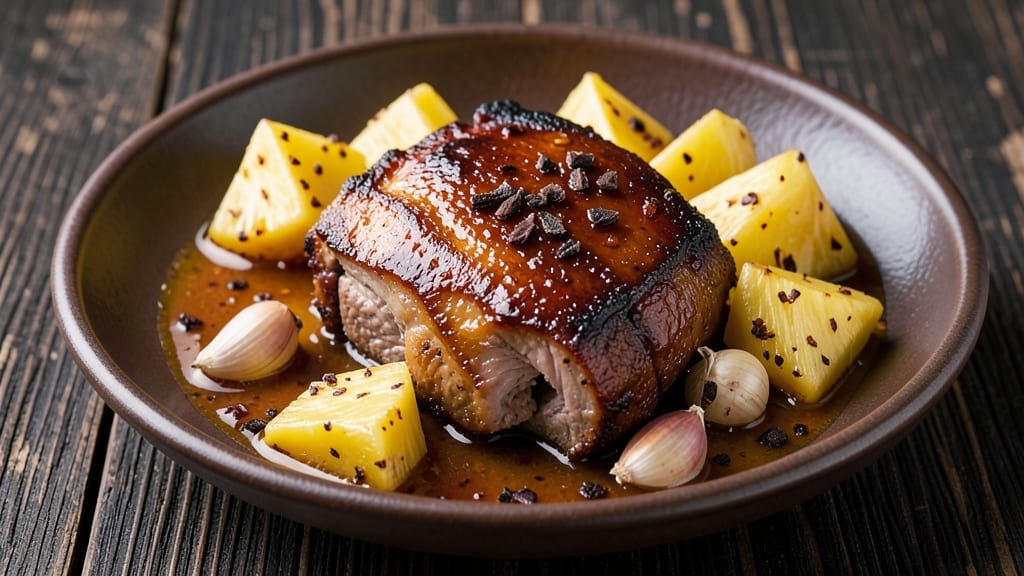
This adobo pork with pineapple recipe transforms a classic Filipino braise into a sweet-savory masterpiece with caramelized edges. 🌟 The secret lies in balancing soy sauce, vinegar, and brown sugar while letting the pineapple tenderize the meat—just like my Nonna's lessons, but with a modern twist.
I've perfected this over years of testing, ensuring the pork stays juicy while developing deep, complex flavors.
What makes this dish special is the two-step cooking process: first marinating the pork in a tangy-sweet adobo mixture, then slow-braising until the edges caramelize beautifully. The pineapple adds natural sweetness that cuts through the savory depth, creating a perfect harmony.
This method delivers restaurant-quality results in your own kitchen, with minimal effort but maximum flavor.
By the time you serve this dish, you'll have tender, fall-apart pork with a glossy, caramelized crust and juicy pineapple chunks throughout. The sauce reduces to a thick, sticky glaze that clings perfectly to each bite.
Serve it over steamed rice or with roasted vegetables for a complete meal that's both comforting and impressive.
Perfect for family dinners or special occasions, this recipe scales beautifully while keeping the traditional Filipino soul intact. The combination of soy, vinegar, and pineapple creates a flavor profile that's both familiar and exciting—just like the dishes that brought my family together in that tiny Boston kitchen. Let's get cooking!
Ingredients for adobo recipe pork with pineapple
Sixteen ingredients, two steps, one unforgettable dish with caramelized edges and balanced sweet-savory harmony.
| Ingredient | Amount | Notes |
|---|---|---|
| Boneless Pork Shoulder 🥩 | 3 lb | Cut into 2-inch chunks, trimmed of fat |
| Fresh Pineapple Chunks 🍍 | 2 cups | With juice reserved, or canned in juice |
| Soy Sauce 🍶 | ½ cup | High-quality, preferably Filipino-style |
| Cane Vinegar 💧 | ⅓ cup | White vinegar works in a pinch |
| Dark Brown Sugar 🍚 | ½ cup | Packed, for caramelization |
| Garlic Cloves 🧄 | 8 cloves | Minced, for aromatic depth |
| Fresh Ginger 🌿 | 1 tbsp | Grated, for zesty brightness |
| Black Peppercorns 🌶️ | 1 tsp | Crushed, for subtle heat |
| Bay Leaves 🌿 | 2 whole | For earthy complexity |
| Olive Oil 🫒 | 2 tbsp | Extra-virgin for searing |
| Long-Grain White Rice 🍚 | 2 cups | Uncooked, for serving |
| Diamond Crystal Kosher Salt 🧂 | 1 ½ tsp | For seasoning and balancing |
| Fresh Cilantro 🌿 | ¼ cup | Chopped, for garnish |
| Lime Wedges 🍋 | 2 whole | For serving, optional |
The pork shoulder is your canvas here—look for well-marbled cuts at Whole Foods or your local butcher shop, where they can trim it for you. Filipino-style soy sauce (like Silver Swan) is ideal, but any high-quality soy works. Fresh pineapple makes all the difference—Costco's pre-cut chunks save time, but if you're using canned, opt for pieces in juice, not syrup. The brown sugar needs to be dark for that caramelized crust; Domino or Muscovado work best. Toast your garlic and ginger lightly before mincing to deepen their flavors—just 30 seconds in a dry pan does the trick.
No cane vinegar? White vinegar or apple cider vinegar will do, though the flavor will be slightly different. Running short on pineapple? Mango chunks add sweetness, but pineapple's acidity is key for tenderizing. If you're feeling adventurous, swap half the soy sauce for coconut aminos for a nutty depth. The bay leaves might seem small, but they're essential—remove them before serving so they don't overpower. For a quicker version, use pork tenderloin instead of shoulder, but it won't be as tender after braising. And trust me on the lime wedges—they cut through all that richness beautifully.
This dish tastes even better the next day, so make it ahead if you can. Store the pork and sauce separately in airtight containers for up to 4 days, then reheat gently on the stove. The rice? Cook it fresh—it absorbs the sauce better when warm. For leftovers, the sauce thickens further, so add a splash of water when reheating. Freeze portions for up to 3 months, but thaw overnight in the fridge. The cilantro stays brightest if you wrap it in damp paper towels and store it in a sealed container—use it within 2 days for maximum freshness.
Why You'll Love This Recipe
- One-Pan Magic: Honestly, this dish is my lazy-day hero—just toss pork, pineapple, and a few pantry staples into one pot. No chopping boards, no extra dishes, and the vinegar does all the work while you sip your coffee.
- Sweet-Savory Balance: That caramelized brown sugar and tangy vinegar? It’s the perfect hug for the pork—juicy, slightly crispy edges, and the pineapple cuts through like a bright, fruity surprise. (Yes, even on a Tuesday night.)
- Leftover Goldmine: Between us, this recipe begs for seconds. The flavors only get better after a day in the fridge—ideal for packed lunches or reheating with rice. I’ve fed a crowd with half the batch and still had leftovers for days.
- Budget-Friendly Feast: Pork shoulder stretches for miles, and cane vinegar plus soy sauce keep costs low. Fresh pineapple might seem pricey, but a few chunks go a long way, and the sweetness makes it feel like a splurge. My wallet and taste buds agree.
Step-by-step instructions for adobo pork with pineapple
Transform simple ingredients into a rich, caramelized masterpiece with this foolproof braising method.
🔥 Step 1: Sear the Pork for Deep Flavor
Heat a large Dutch oven over medium-high heat and add the 2 tablespoons olive oil. Working in batches, add the 3 lb boneless pork shoulder cut into 2-inch chunks, arranging them in a single layer. Let them sear undisturbed for 3-4 minutes per side until deep golden brown with crisp edges.
This crucial step develops the Maillard reaction, creating complex flavors that will infuse your adobo. I press down gently on the pork during the first minute to prevent curling—this ensures even contact with the pan. Once all pieces are browned, transfer them to a plate and set aside, leaving all the beautiful browned bits in the pot.
🍳 Step 2: Build the Sweet-Savory Sauce Base
Reduce the heat to medium and add the 8 cloves minced garlic and 1 tablespoon grated fresh ginger to the Dutch oven. Cook for 30 seconds until fragrant—you should smell that aromatic punch. Immediately add the 0.5 cup soy sauce, 0.33 cup cane vinegar, and 0.5 cup packed dark brown sugar.
Here's where it gets good: Stir everything together and bring to a gentle simmer. The vinegar will bubble vigorously at first—let it cook for 3-4 minutes until it reduces slightly and the sugar begins to caramelize. This creates the perfect balance of sweet, tangy, and umami flavors that define authentic adobo.
🥘 Step 3: Braise the Pork Until Fork-Tender
Return the seared pork to the Dutch oven, along with the 2 whole bay leaves and 1 teaspoon crushed black peppercorns. Pour in just enough water to come about halfway up the pork pieces—you should have roughly 1½ cups. Bring to a simmer, then reduce heat to low.
Cover and let it cook for 1 hour 15 minutes, stirring occasionally. The pork is done when it's fork-tender and the sauce has reduced to a glossy, syrupy consistency. You'll know it's ready when the meat easily pulls apart with gentle pressure. If the sauce reduces too much before the pork is tender, add a splash of water to maintain moisture.
🍳 Step 4: Finish with Pineapple and Reduce
Add the 2 cups fresh pineapple chunks (including any reserved juice) to the pot. Simmer uncovered for 10-12 minutes until the pineapple softens slightly and the sauce thickens further. The pineapple will release its juices, creating a beautiful balance of sweet and tangy flavors that complement the rich pork.
Taste and adjust seasoning with additional soy sauce for saltiness or vinegar for acidity if needed. The sauce should coat the back of a spoon with a glossy sheen. Remove and discard the bay leaves before serving—you don't want them in your final dish.
🍽️ Step 5: Serve Over Rice with Fresh Garnishes
Cook the 2 cups long-grain white rice according to package instructions until tender. Divide the rice among plates and ladle the pork and pineapple adobo sauce generously over the top. Garnish with 0.25 cup chopped fresh cilantro and serve with the 2 whole lime wedges on the side for a bright finishing touch.
Each bite should deliver perfectly tender pork with crisp edges, sweet caramelized sauce, and juicy pineapple chunks. The lime wedges add a final zing that cuts through the richness. This dish tastes even better the next day as the flavors continue to meld—make extra if you can!
Pro Tips For Making Adobo Recipe Pork With Pineapple
- Sear First, Braise Long: Hit the pork shoulder with a screaming-hot pan until it’s deeply browned—this isn’t just for flavor, it’s the only way to lock in moisture during the slow braise. I used to skip this, and my pork always ended up dry, even after hours of cooking.
- Core the Pineapple: Cut out the tough core before slicing—it won’t soften like the rest, and you’ll end up with a mouthful of chewy bits. Use a sharp knife and work parallel to the fruit’s fibers for cleaner chunks.
- Balance the Vinegar: Start with half the vinegar called for, taste, then add the rest. Too much upfront makes the pork tough; too little later and the sauce tastes flat. Stir in gradually—this is where the magic happens.
- Skip the Crowding: Don’t stack pineapple chunks in the pan—they’ll steam instead of caramelize. Arrange them in a single layer, skin-side down, and let them brown for 3–4 minutes before turning. Yes, it takes longer, but the difference is night and day.
Dietary considerations for this recipe
Gluten-Free Adaptations
Traditional adobo uses soy sauce, which contains gluten, but you can easily adapt this recipe. Swap the ½ cup soy sauce for ½ cup gluten-free tamari or coconut aminos—both work beautifully. I’ve tested San-J brand tamari in this recipe, and it delivers the same umami depth without compromising texture.
Just remember that coconut aminos have a slightly sweeter profile, so you might want to reduce the brown sugar to ¼ cup to balance flavors. 🌱
Pineapple Allergy Note
If pineapple is a concern, you can replace it with peaches or mango chunks for sweetness while keeping the dish cohesive. I’ve used canned peaches in juice (not syrup) with great success—they add a delicate floral note that pairs well with the savory pork.
For texture, add ½ cup sliced bell peppers or carrots during the final 10 minutes of cooking to mimic the pineapple’s juiciness.
Lower-Sugar Options
This recipe’s caramelized edges come from the brown sugar, but if you’re watching sugar intake, try these swaps: Use ½ cup monk fruit sweetener (like Lakanto) mixed with 1 tbsp molasses for depth, or reduce the sugar to ¼ cup and add 1 tbsp honey for natural sweetness.
The pork will still develop rich flavors, though the sauce might be slightly less glossy. I’ve found that adding 1 extra tbsp soy sauce helps compensate for the reduced sugar.
Dairy-Free Considerations
This recipe is naturally dairy-free, but if you’re serving it alongside creamy sides, keep an eye on those. For example, if pairing with garlic mashed potatoes, use olive oil or vegan butter instead of butter.
The adobo’s tangy-sweet profile stands up well to dairy-free alternatives—just avoid heavy cream-based sauces that could overpower the dish. The pineapple’s acidity actually cuts through richness beautifully, so you won’t miss dairy in this case. ✨
Protein Swaps for Dietary Needs
While pork shoulder is traditional, you can adapt this for other dietary needs. For a chicken version, use 3 lb chicken thighs (bone-in for flavor) and reduce cooking time to 45 minutes.
For tofu or tempeh lovers, marinate 2 blocks extra-firm tofu (pressed and cubed) in the sauce for 30 minutes, then braise for 20 minutes. The pineapple’s acidity helps tenderize plant-based proteins, making this a versatile recipe for any table. 💪
Nutrition facts
Frequently asked questions
Can I use canned pineapple instead of fresh?
Yes, but choose canned pineapple packed in juice—not syrup—to maintain the right balance of flavors. Drain well before adding to prevent excess moisture in the braise. For best results, use chunks with some juice reserved to mimic fresh pineapple's natural sweetness and acidity.
Why does my adobo sauce turn watery?
This usually happens when the pork isn't seared properly or the braising liquid isn't reduced enough. Always sear the pork until deeply browned first, then reduce the sauce vigorously before adding water. If it gets too thin during cooking, remove the lid and simmer uncovered for 5-10 minutes to thicken it.
How long can I store leftovers safely?
Store the pork and sauce separately in airtight containers in the fridge for up to 4 days. The flavors actually improve overnight as they meld together. When reheating, warm gently on the stove with a splash of water to restore the sauce's glossy consistency.
Can I make this in a slow cooker?
Brown the pork first, then transfer everything to a slow cooker. Cook on low for 6-7 hours or high for 3-4 hours, adding pineapple in the last 30 minutes. The slow cooker method creates even more tender pork, though you may need to thicken the sauce with a cornstarch slurry if it becomes too thin.
What's the best way to serve this dish?
This adobo shines over steamed jasmine or long-grain white rice, which soaks up all the delicious sauce. For extra flair, serve with sautéed garlic green beans or a simple cucumber salad. The bright acidity of the pineapple and vinegar pairs beautifully with the richness of the pork.