
Main Courses
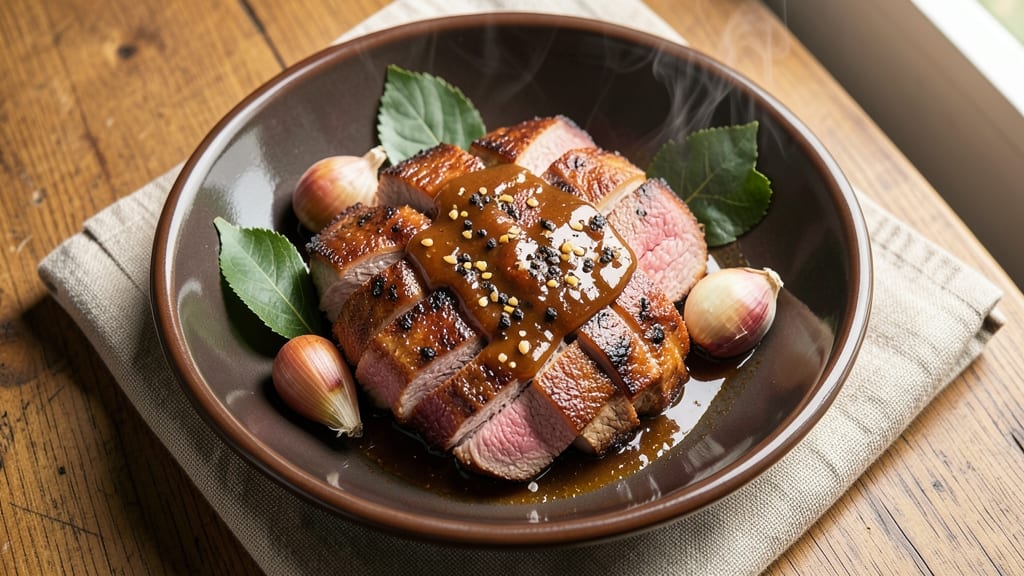
This adobo pork tenderloin recipe delivers restaurant-quality results with tender, juicy meat and crispy edges—all achieved through a smoky vinegar marinade. The secret lies in balancing traditional Filipino flavors: tangy vinegar, savory soy sauce, and aromatic garlic that transform simple pork into something extraordinary.
I've perfected this technique over years of cooking for crowds, ensuring every bite delivers that perfect contrast of textures and flavors.
The process begins with marinating the pork in adobo sauce for at least 4 hours (overnight for maximum flavor), then roasting until the exterior crisps beautifully while the interior remains tender.
Unlike other pork dishes, this recipe uses the tenderloin cut, which cooks quickly but stays impossibly juicy when handled properly. The sauce doesn't just flavor the meat—it becomes part of the cooking process, creating a caramelized crust that seals in all those delicious juices.
What you'll end up with is a dish that's equally impressive for family dinners or special occasions—golden-brown pork with crispy edges and fork-tender meat, all swimming in that rich, slightly tangy adobo sauce.
The aroma alone will have everyone gathering at the table, and the first bite delivers that perfect balance of smoky, savory, and tangy flavors that define this classic Filipino dish.
Serve with steamed jasmine rice to soak up every last bit of that delicious sauce, or add pickled vegetables like atchara for a refreshing contrast. This recipe transforms a simple pork cut into something truly special—one that will become a staple in your cooking repertoire. Let's get started!
Ingredients for adobo pork tenderloin
Pantry staples and a few specialty items transform simple pork into restaurant-quality adobo tenderloin.
| Ingredient | Amount | Notes |
|---|---|---|
| Pork Tenderloin 🥩 | 1 ½ lb | Center-cut, trimmed of fat |
| Cane Vinegar 🍶 | ½ cup | White or apple cider vinegar |
| Soy Sauce 🥫 | ½ cup | Light or regular, not low-sodium |
| Garlic Cloves 🧄 | 8 cloves | Minced, fresh preferred |
| Bay Leaves 🌿 | 2 whole | Fresh or dried |
| Black Peppercorns 🌶️ | 1 tsp | Coarsely crushed |
| Olive Oil 🫒 | 2 tbsp | Extra-virgin for roasting |
| Brown Sugar 🍚 | 2 tbsp | Light or dark, packed |
| Jasmine Rice 🍚 | 1 ½ cups | Uncooked, long-grain |
| Water 💧 | 3 cups | For rice cooking |
| Salt 🧂 | 1 ½ tsp | Kosher or sea salt |
| Ground Black Pepper 🌶️ | ½ tsp | Freshly ground |
The pork tenderloin is the star here—center-cut and trimmed ensures maximum tenderness. Most grocery stores carry it pre-trimmed, but if you're buying a whole piece, ask your butcher to remove the fat cap. Look for good marbling but avoid anything with excessive fat. For the vinegar, Filipino cane vinegar is ideal, but white or apple cider vinegar works perfectly fine. I always grab mine at Asian markets—they carry the real stuff, but regular supermarkets will have the substitutes. The garlic should be fresh, with no green sprouts—those add bitterness.
No cane vinegar? White vinegar or apple cider vinegar are direct substitutes. The soy sauce can be swapped for tamari if you're avoiding gluten, but traditional soy sauce delivers that deeper umami flavor. Fresh bay leaves are best, but dried work at half the amount. Want more depth? Add 1 tsp of fish sauce (if not avoiding it) or an extra pinch of sugar. The brown sugar caramelizes beautifully during roasting, creating that signature adobo crust. If you're short on time, pre-mince the garlic in a food processor—just don't overdo it or it'll turn to paste. The rice? Jasmine rice is traditional, but any long-grain white rice will work.
Marinate the pork for at least 4 hours, but overnight is ideal for maximum flavor penetration. Store leftovers in an airtight container with some of the adobo sauce to keep it moist—lasts 3-4 days in the fridge. For longer storage, freeze portions for up to 3 months. The sauce thickens as it cools, so reheat gently with a splash of water if it becomes too stiff. This dish reheats beautifully—one of the few pork recipes that actually tastes better the next day.
Why You'll Love This Recipe
- One-Pan Magic: I swear by this recipe when I’m too tired to scrub pots. The pork sits in its own juices while the vinegar and soy sauce work their magic—no flipping, no fuss, just done.
- Tangy-Sweet Fix: That cane vinegar cut? It’s the star. Balanced with soy sauce, it turns plain pork into something crispy on the outside, tender inside—like a flavor upgrade for my lazy days.
- Lunchbox Hero: I make double batches because it reheats beautifully. Pack it for work or school lunches—no soggy sandwiches here, just meat that stays juicy and packed with flavor.
- Budget Win: Pork tenderloin is lean and affordable, plus this recipe stretches easily. A single roast feeds my family for two dinners, and the leftovers? Even better the next day. Smart, simple, satisfying.
Step-by-step instructions for adobo pork tenderloin
A perfect balance of tangy, smoky flavors with melt-in-your-mouth tenderness.
Prepare the Adobo Marinade
In a medium bowl, combine the 0.5 cup cane vinegar, 0.5 cup soy sauce, 2 tbsp brown sugar, 8 minced garlic cloves, 2 whole bay leaves, 1 tsp coarsely crushed black peppercorns, and 0.5 tsp ground black pepper. Whisk vigorously until the brown sugar dissolves completely and the mixture becomes uniform.
This marinade creates the signature balance of sweet, sour, and savory flavors that define adobo. The crushed peppercorns add subtle heat while the bay leaves lend earthy depth. Let the marinade sit at room temperature for 5 minutes to allow the flavors to meld before using.
Marinate the Pork Tenderloin
Place the 1.5 lb pork tenderloin in a large resealable plastic bag or shallow dish. Pour the marinade over the pork, ensuring it coats all sides evenly. Seal the bag (or cover the dish) and refrigerate for at least 4 hours, or preferably overnight. The acidity in the vinegar will begin breaking down the proteins, ensuring maximum tenderness.
For best results, turn the pork every 30 minutes during the first 2 hours of marinating. This ensures even flavor penetration. If you're short on time, a minimum 2-hour marinade will still yield excellent results, though overnight yields the most tender meat.
Cook the Jasmine Rice
While the pork marinates, rinse the 1.5 cups jasmine rice under cold water until the water runs clear. In a medium saucepan, combine the rice with 3 cups water and bring to a boil over medium-high heat. Once boiling, reduce heat to low, cover with a tight-fitting lid, and simmer for 15 minutes.
Remove from heat and let the rice steam, undisturbed, for another 10 minutes. This resting period allows the rice to absorb all the liquid and develop its signature fragrant texture. Fluff the rice gently with a fork before serving, and keep it warm in a covered bowl until ready to plate.
Roast the Pork Tenderloin
Preheat your oven to 400°F. Remove the pork from the refrigerator and let it sit at room temperature for 15 minutes before cooking. This ensures even cooking throughout. Place the pork on a wire rack set inside a rimmed baking sheet, fat-side up.
Roast for 25-30 minutes, or until the internal temperature reaches 145°F and the edges are deep golden brown and crispy. The pork is done when it reaches this temperature and the juices run clear when pierced with a meat thermometer. For extra crispiness, broil for 2-3 minutes at the end of cooking.
Rest and Serve
Transfer the pork to a cutting board and tent loosely with aluminum foil. Let it rest for 10 minutes before slicing. This resting period allows the juices to redistribute, ensuring each slice remains moist and flavorful.
Slice the pork into ½-inch thick medallions and serve over the jasmine rice. The pork should be fork-tender with crispy edges, and each bite should deliver a perfect balance of tangy, smoky, and slightly sweet flavors. Garnish with additional minced garlic or a sprinkle of black pepper if desired.
Pro Tips For Making Adobo Pork Tenderloin
- Sear the Pork First: I learned this the hard way—skipping the sear means your adobo pork will taste like it simmered in broth, not caramelized magic. Hit the tenderloin with high heat in a hot pan for 3-4 minutes per side until deep golden. The crust locks in flavor and keeps the meat from drying out later.
- Slice Garlic Thinly: Whole cloves? Nope. Thinly sliced garlic (almost translucent) infuses the adobo sauce way better than cloves, which just sit there like stubborn guests. Use a sharp knife and press flat—this isn’t the time for garlic heroics.
- Deglaze Before Adding Vinegar: After searing the pork, scrape up those browned bits with a splash of water or soy sauce first. Then add the vinegar—this stops the sauce from turning cloudy and makes it glossy. Trust me, your adobo will look (and taste) like it belongs in a restaurant.
- Use Less Vinegar Early: I used to dump all the cane vinegar in at once, and the pork would turn rubbery. Instead, add half upfront and save the rest for the end—this balances the tang without overpowering. The meat stays tender, and the sauce stays bright.
Perfect pairings for these flavors
Classic Filipino Sides
No adobo pork tenderloin is complete without its traditional Filipino companions. Start with steamed jasmine rice—the fragrant, slightly sticky grains soak up every drop of that tangy adobo sauce. I always cook mine in a heavy-bottomed pot with a tight lid to maintain perfect steam levels.
For a refreshing contrast, serve atchara (pickled papaya salad) made with shredded green papaya, carrots, and a vinegar-lime dressing. The crunch cuts through the richness beautifully. 🌶️
Another crowd-pleaser is garlic fried rice, where leftover rice gets stir-fried with minced garlic, soy sauce, and a touch of sugar. The residual adobo flavors in the pork will infuse the rice as you cook it, creating a harmonious second helping.
For a heartier option, sinigang (sour tamarind soup) with shrimp or pork broth adds brightness to the meal.
Asian-Inspired Vegetables
Stir-fried bok choy with garlic and oyster sauce is my go-to vegetable side. The slight bitterness balances the pork's richness, and the quick cooking preserves crisp-tender texture. Toss the chopped greens with 1 tbsp soy sauce, 1 tsp oyster sauce, and 1 minced garlic clove for just 3-4 minutes over high heat. Finish with a sprinkle of sesame seeds for crunch. ✨
For something more substantial, try blanched green beans with a sesame-ginger dressing. Toss cooked beans with 1 tbsp toasted sesame oil, 1 tsp grated ginger, and 1 tsp soy sauce.
The nutty sesame complements the pork's smoky notes while adding texture contrast. I often serve this when I'm expecting picky eaters—the mild flavor lets the pork shine.
Beverage Pairings
Filipino calamansi juice (a tangy citrus hybrid) is the perfect refreshing drink to cut through the richness. Mix ½ cup calamansi juice with ½ cup sparkling water and a pinch of salt for a zesty sipper.
If you can't find calamansi, limeade with a splash of soda works beautifully. For something stronger, a light lager like San Miguel or Singha complements the dish without overpowering it. 🍹
For wine lovers, a dry Riesling with its crisp acidity and citrus notes mirrors the adobo's tang. The slight sweetness in the wine enhances the pork's caramelized edges.
Avoid heavy reds—they'll clash with the vinegar's brightness. I always keep a bottle chilled in my fridge for Filipino feasts; it's become a staple in my kitchen.
Modern Twists
Want to elevate your meal? Add crispy shallot strings as a garnish—they add sweetness and crunch that contrasts perfectly with the tender pork. I make them by thinly slicing shallots and frying in 2 tbsp olive oil until golden, then draining on paper towels.
A sprinkle of toasted coconut flakes adds tropical warmth to the plate. 🌟
For a fusion approach, serve the pork over mashed sweet potatoes instead of rice. The natural sweetness complements the adobo's tang, while the creamy texture offers a different base.
Top with a drizzle of honey and a pinch of smoked paprika for extra depth. This twist works especially well for holiday gatherings where you want to surprise guests.
Nutrition facts
Frequently asked questions
Can I use regular white vinegar instead of cane vinegar?
Yes! While traditional Filipino cane vinegar adds depth, white vinegar or apple cider vinegar work perfectly fine. The key is the acidity—just ensure it's 5% acidity or higher for proper marinating. For extra authenticity, add ½ teaspoon sugar to mimic cane vinegar's slight sweetness.
Why does my adobo pork turn out tough instead of tender?
Overcooking is the most common mistake—pork tenderloin should reach 145°F internal temperature (not 165°F). Also, don't skip the marinade (minimum 2 hours) or the resting period (10 minutes). For extra tenderness, brine the pork for 30 minutes before marinating. The acid in adobo breaks down proteins, so proper timing is key!
How can I make this dish spicier?
Add ½ teaspoon cayenne pepper or 1 sliced Thai chili to the marinade for heat. For smoky depth, include ½ teaspoon smoked paprika or a 1-inch piece of charred lemongrass (burn one end over a flame). Toast the black peppercorns longer for extra piquancy—just don't burn them!
Can I make adobo pork tenderloin in a slow cooker?
Marinate the pork as directed, then place it in the slow cooker with ½ cup marinade (reserve the rest for serving). Cook on low for 4-5 hours or high for 2-3 hours until tender. The slow cooking creates melt-in-your-mouth texture while maintaining moisture. Finish with a quick broil for crispy edges if desired.
What's the best way to reheat leftovers?
Reheat gently in a skillet with 1 tablespoon oil over medium-low heat for 3-4 minutes until warmed through. Avoid microwaving—it makes the pork rubbery. For extra flavor, add a splash of the reserved marinade. Leftovers taste even better the next day when the flavors meld!