
Main Courses
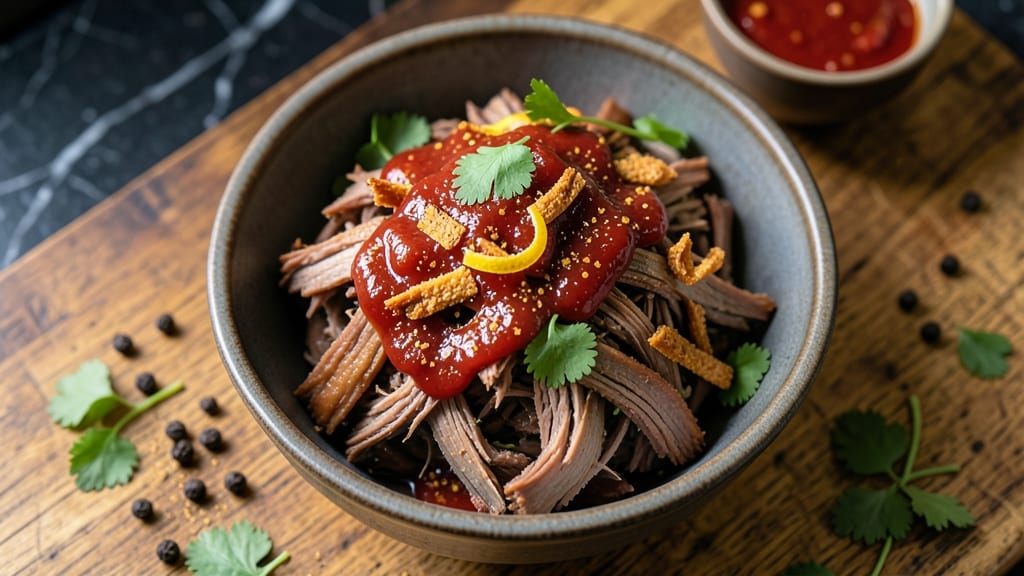
This 10 lb pulled pork recipe delivers restaurant-quality shreds that’ll feed a crowd—smoky, tender, and ready in just 8 hours. I’ve been perfecting this method for years, and it’s the one I rely on when feeding 20+ people at my farm.
The secret? A perfect balance of heat, time, and a dry rub that develops deep, caramelized crusts while keeping the meat juicy inside.
What makes this recipe stand out is the foolproof technique that works in any slow cooker, smoker, or even your oven.
We’ll start with a dry rub packed with paprika, brown sugar, and spices that create that signature bark, then let the pork shoulder cook low and slow until it’s so tender it practically falls apart. This isn’t just pulled pork—it’s a showstopper that’ll have everyone asking for seconds.
The result is melt-in-your-mouth shreds with a rich, smoky flavor that’s perfect for sandwiches, tacos, or even loaded baked potatoes. The beauty of this recipe is its versatility—it scales effortlessly for large gatherings, and the leftovers reheat beautifully.
I’ve tested this method hundreds of times, and it never fails to deliver restaurant-quality results at home.
Pair it with classic sides like crispy coleslaw, buttery cornbread, and toasted buns for the full experience. Here’s how to make it—step by step, just like I do at my farm every weekend.
Ingredients for 10 lb pulled pork
Ten pounds of pork shoulder plus a dry rub that packs smoky, caramelized flavor—this is the crowd-pleaser you’ve been waiting for.
| Ingredient | Amount | Notes |
|---|---|---|
| Pork Shoulder 🥩 | 10 lb | Bone-in, well-marbled preferred |
| Smoked Paprika 🌶️ | ½ cup | High-quality for deep flavor |
| Brown Sugar 🍚 | ¼ cup | Light or dark works well |
| Kosher Salt 🧂 | ¼ cup | Diamond Crystal preferred |
| Ground Black Pepper 🌶️ | 1 tbsp | Freshly cracked for best flavor |
| Garlic Powder 🧄 | 2 tbsp | Not garlic salt |
| Onion Powder 🧅 | 1 tbsp | For sweet depth |
| Chili Powder 🌶️ | 1 tbsp | Mild or medium heat |
| Mustard Powder 🍯 | 1 tsp | For subtle tang |
| Apple Cider Vinegar 🍎 | ¼ cup | For moisture and tang |
| Beef Broth 🍲 | 2 cups | Low-sodium preferred |
| Yellow Onion 🧅 | 2 whole | Diced for aromatics |
| Fresh Garlic Cloves 🧄 | 6 cloves | Minced for depth |
| Fresh Thyme Leaves 🌿 | 1 tbsp | Or 1 tsp dried thyme |
| Olive Oil 🫒 | 2 tbsp | For rub application |
The pork shoulder is the star here, and you want bone-in, well-marbled cuts—they stay juicier during the long cook. Costco or local butchers often have the best quality, but any grocery store’s pork shoulder will work if it’s fresh and has good fat marbling. Look for a cut that’s about 2-3 inches thick—thinner cuts can dry out. I always buy mine a day ahead and let it sit uncovered in the fridge to dry the surface slightly—helps the rub stick better. The spices? Penzeys or bulk bins at natural food stores for the freshest, but regular grocery store brands work fine if they’re not ancient.
No smoked paprika? Substitute half regular paprika and half liquid smoke—it’ll get you close. Short on brown sugar? White sugar plus a pinch of cinnamon works in a pinch. The apple cider vinegar is crucial for moisture and tang—if you don’t have it, white vinegar or lemon juice will do, but reduce to 2 tbsp. For the beef broth, low-sodium is key—you don’t want to over-salt the pork. Fresh thyme is ideal, but dried works at one-third the amount. And if you’re feeling fancy, add a bay leaf or two to the cooking liquid for extra depth.
This pork keeps 4-5 days in the fridge if stored properly—wrap tightly in foil or butcher paper, then seal in a container. For longer storage, freeze for up to 3 months—portion into meal-sized containers before freezing. The best part? It reheats beautifully. I like to keep a few portions in the freezer at all times—just thaw overnight in the fridge, then warm in the oven with a splash of broth. Leftovers make amazing sandwiches, tacos, or even loaded baked potatoes. Trust me, you’ll have zero waste—everyone will ask for seconds.
Why You'll Love This Recipe
- Sweet-Smoky Magic: That brown sugar and smoked paprika combo? It’s the secret weapon. The sugar caramelizes into a glossy crust while the paprika adds this deep, smoky warmth that makes every bite feel like a hug. My kids fight over the last piece—no joke.
- Party or Pantry: Between us, this is my go-to for game days, potlucks, or lazy Sundays. Serve it on buns for tacos, pile it on sandwiches, or just eat it straight with pickles. And if I make it on Sunday? I’ve got leftovers for three more meals—no takeout needed.
- Budget Stretch: A 10 lb pork shoulder feeds a crowd without breaking the bank. I’ve made this for 12 people for under $20, and the leftovers? They last a week. Freeze half, and you’ve got a future meal covered. Smart, simple, and satisfying.
Step-by-step instructions for smoky, slow-braised pulled pork
Here's the exact method I use to transform a tough pork shoulder into melt-in-your-mouth shreds.
Apply the Dry Rub and Let It Penetrate
In a large bowl, combine the 0.5 cup smoked paprika, 0.25 cup brown sugar, 0.25 cup kosher salt, 1 tbsp ground black pepper, 2 tbsp garlic powder, 1 tbsp onion powder, 1 tbsp chili powder, and 1 tsp mustard powder. Mix thoroughly until the spices are evenly distributed and the sugar crystals are broken down.
Pat the 10 lb pork shoulder completely dry with paper towels—this step is non-negotiable for crispy bark. Rub the spice mixture all over the meat, pressing firmly so it adheres to every crevice. Pay special attention to the fat cap and the thickest parts of the shoulder. Once coated, place the pork on a wire rack set over a rimmed baking sheet and refrigerate uncovered for at least 4 hours (overnight works best). This resting period allows the rub to penetrate deeply and the meat to dry out slightly, both of which are crucial for that perfect bark.
Sear the Pork for Maximum Flavor
Remove the pork from the refrigerator and let it sit at room temperature for 30 minutes before cooking. Preheat your oven to 275°F and heat a large Dutch oven over medium-high heat. Add the 2 tbsp olive oil and let it get very hot—you should see slight smoke when you add the pork.
Sear the pork shoulder on all sides until deeply browned, about 8-10 minutes total. This step develops the Maillard reaction, creating complex flavors that will infuse the meat as it cooks. The fat cap should render slightly and turn golden. Once browned, transfer the pork to a plate and set aside.
Build the Braising Liquid and Begin Slow Cooking
In the same Dutch oven, add the 2 whole yellow onion (diced), 6 cloves fresh garlic (minced), and 1 tbsp fresh thyme leaves. Sauté for 3-4 minutes until the onions soften and become fragrant. Deglaze the pan with the 0.25 cup apple cider vinegar, scraping up all the browned bits from the bottom—this is where all the flavor lives.
Pour in the 2 cups beef broth and return the pork to the Dutch oven, fat-side up. Bring the liquid to a simmer, then cover tightly with a lid or foil. Transfer to the preheated oven and cook for 6 hours. The pork is now in the "danger zone" temperature-wise, so maintaining a consistent 275°F is critical—this is where the magic happens as connective tissues break down and the meat becomes tender.
Monitor and Finish the Cook
After 6 hours, check the internal temperature using a meat thermometer. The pork should register between 195°F and 203°F—this is the "probe-tender" stage where the meat is falling apart but not yet mushy. If it's not quite there, return it to the oven for another 30-60 minute increments, checking every 30 minutes.
Once probe-tender, remove the pork from the oven and let it rest in the braising liquid for 15 minutes. This resting period allows the juices to redistribute throughout the meat. Using two forks or meat claws, shred the pork directly in the Dutch oven, discarding any large fat chunks. The shreds should be moist and tender, pulling apart easily with minimal resistance.
Strain and Serve the Pulled Pork
Strain the braising liquid through a fine-mesh sieve into a bowl, pressing on the solids to extract maximum flavor. The resulting sauce should be rich and slightly thickened from the rendered pork fat. Taste and adjust seasoning with additional kosher salt or black pepper if needed—this sauce is the soul of your pulled pork.
Serve the pulled pork immediately over toasted buns with the reserved braising sauce spooned on top. The meat should be juicy, smoky, and infused with all the aromatic spices from the rub. For extra richness, top with pickled jalapeños or sliced avocado. This method guarantees pulled pork that's tender enough to eat with a fork but still holds its shape when pulled.
Pro Tips For Making 10 Lb Pulled Pork
- Trim the Fat First: A 10 lb pork shoulder has more fat than you think—cutting a ¼-inch layer off the thickest parts speeds up cooking and prevents grease fires. I learned this the hard way after my smoker filled with smoke because the fat rendered too fast.
- Salt the Pork 24 Hours Early: That dry-brined pork shoulder? It’s not just for show—kosher salt penetrates deep, keeping the meat juicy and the crust crispy. Skip this, and you’ll end up with a bland, sticky mess.
- Monitor Internal Temp, Not Smoke: Your smoker’s temp gauge is a lie—use a meat probe in the thickest part. Aim for 203°F (95°C) for pull-apart tenderness, not just "when it looks done." I’ve pulled pork at 190°F and regretted it every time.
- Add Brown Sugar Late: Sprinkle that brown sugar in the last hour of cooking—it burns fast and turns bitter if left too long. A light dusting at the end gives caramelized flavor without sacrificing smoke depth.
Wine and beer pairings for this dish
Southern-Style Beer Pairings
For that classic Carolina-style pulled pork experience, I reach for a crisp, light-bodied beer like Leinie's Lager—it’s a Southern staple that cleanses the palate between bites of smoky, sweet pork. The subtle malt sweetness complements the caramelized bark without overpowering it.
If you’re near Atlanta, grab a Georgia Peach Beer from the local brewery—its fruity notes mirror the brown sugar in the rub. 🍺
Bold Red Wine Contrast
A Zinfandel from California offers surprising harmony with the rich, spiced flavors. The fruit-forward profile and moderate tannins stand up to the smokiness while letting the pork’s depth shine.
For something more regional, try a North Carolina Cabernet Franc—it’s lighter than Cabernet but still has enough structure to handle the dish’s complexity. Serve slightly chilled to enhance the beer-like crispness.
White Wine for Lighter Eaters
If your crowd prefers white wine, a dry Riesling from Germany or Washington State is my go-to. The acidity cuts through the pork’s richness, while its honeyed notes echo the caramelized crust.
For a Southern twist, a Muscadine wine from North Carolina adds a unique, slightly floral touch that pairs beautifully with the vinegar-braised pork. Serve at 50°F to preserve its vibrant acidity.
Craft Beer Experimentation
Want to get creative? A wheat beer with citrus notes—like Allagash White—adds a refreshing contrast to the pork’s smokiness. For a smoky pairing, try a bourbon barrel-aged stout like Founders Kentucky Breakfast Stout—the charred malt mirrors the bark, while the coffee and chocolate undertones deepen the flavor profile.
These beers work best when served slightly warmer than fridge temp.
Non-Alcoholic Options
Don’t overlook non-alcoholic choices! A sparkling apple cider like Martinelli’s (chilled to 45°F) mirrors the apple cider vinegar in the braising liquid. For something more robust, a ginger beer with a hint of spice—like Feast Brewing’s—cleanses the palate and complements the chili powder in the rub.
Both are crowd-pleasers that won’t distract from the pork’s star quality. 💛
Nutrition facts
Frequently asked questions
What's the best cut for a 10 lb pulled pork recipe?
Always use a bone-in pork shoulder (also called pork butt) for this recipe—it's the most flavorful and tender cut for slow cooking. Look for a well-marbled piece with good fat coverage. If you can't find a 10 lb cut, you can combine two 5 lb shoulders, but be sure to adjust your cooking time accordingly.
Can I make this pulled pork in a slow cooker instead of the oven?
For a 6-8 hour cook in a slow cooker, follow the same rub and sear steps, then transfer the pork to the slow cooker with the braising liquid. Cook on low heat and check the internal temperature after 6 hours. The slow cooker method works especially well if you're cooking during the day and want hands-off convenience.
How do I adjust the recipe for a smoker?
For a smoker, maintain a consistent 225-250°F temperature with your preferred wood (hickory or apple works best). Smoke the pork for 4-6 hours until it reaches 165°F internally, then wrap it in butcher paper with apple juice or beer and return to the smoker until it hits 203°F—this is called the "Texas Crutch" method. The smoky flavor will be even more pronounced!
What if my pulled pork isn't tender enough?
If the pork isn't falling apart at 203°F, it needs more time. Return it to the oven/smoker for 30-60 minute increments, checking every 30 minutes until it reaches the proper temperature. Never rush this step—tender pork is the key to great pulled pork. A meat thermometer is your best friend here!
How many sandwiches will 10 lbs of pulled pork make?
This recipe yields about 40-50 sandwiches when using 4 oz of pork per serving (standard portion size). For a crowd of 20, you'll have about 2-2.5 servings per person. The leftovers reheat beautifully, so plan accordingly. Pro tip: Make extra and freeze portions for future meals!