
Main Courses
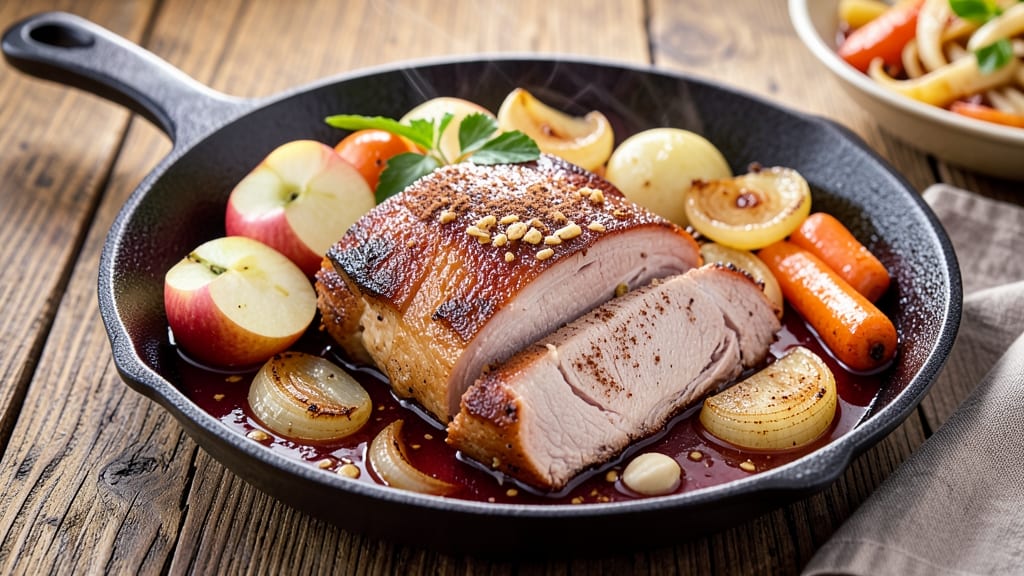
This apple cider braised pork recipe transforms tough pork shoulder into melt-in-your-mouth perfection using a simple one-pot method. The magic happens when spiced apple cider tenderizes the meat while creating a rich, aromatic sauce that'll have your whole house smelling like autumn.
I perfected this technique during my apprenticeship in Charleston, where slow-cooked pork became a weekly tradition.
The beauty of this recipe lies in its simplicity: just a few ingredients, minimal prep, and hours of hands-off cooking. You'll start with a pork shoulder that's seared to lock in juices, then braised in apple cider infused with cinnamon, cloves, and thyme.
The slow cooking process breaks down the connective tissue, creating meat so tender it practically falls apart at the touch of a fork.
By the time you're ready to serve, you'll have succulent pork that practically melts in your mouth, swimming in a glossy sauce that's sweet, tangy, and deeply aromatic. The pork will be fork-tender with just enough bite, while the sauce clings to every bite like a flavorful embrace.
This is the kind of dish that transforms a regular weeknight into something special.
Serve with crusty bread to soak up every last drop of that delicious sauce, or alongside mashed potatoes for a complete autumnal meal. The leftovers actually taste better the next day, making this an ideal recipe for meal prep or feeding a crowd. Let's get cooking!
Ingredients for apple cider braised pork
Simple ingredients that transform tough pork into melt-in-your-mouth perfection with autumn's cozy flavors.
| Ingredient | Amount | Notes |
|---|---|---|
| Pork Shoulder 🐖 | 4 lb | Bone-in for best flavor |
| Apple Cider 🍎 | 3 cups | Unfiltered for depth of flavor |
| Yellow Onion 🧅 | 1 whole | Chopped into 1-inch pieces |
| Carrots | 4 medium | Peeled and cut into chunks |
| Garlic Cloves 🧄 | 6 cloves | Smashed for stronger flavor |
| Ground Cinnamon 🌿 | 1 tbsp | Freshly ground preferred |
| Ground Cloves 🌶️ | ½ tsp | Whole cloves work too |
| Fresh Thyme 🌿 | 2 tbsp | Leaves only, chopped fine |
| Olive Oil 🫒 | ¼ cup | Extra-virgin for searing |
| Salt 🧂 | 1 ½ tsp | Kosher or sea salt |
| Black Pepper 🌶️ | 1 tsp | Freshly ground preferred |
| All-Purpose Flour 🌾 | 2 tbsp | For thickening sauce |
| Fresh Parsley 🌿 | ¼ cup | Chopped for garnish |
| Bay Leaves 🍃 | 2 whole | Remove before serving |
The pork shoulder is where this magic happens. Bone-in cuts stay juicier, and you'll find them at Costco or your local butcher shop—ask for a 4-5 lb roast. If you're using a pre-cut shoulder, trim any excess fat to about 1/4-inch thickness for even cooking. Apple cider is non-negotiable here—Mott's or Woodchuck are my go-tos, but any unfiltered brand works. The deeper the color, the better the flavor. For the carrots, medium-sized ones work perfectly—no need to peel if they're organic, but scrub them well. The garlic and thyme are your aromatic anchors; fresh is always better, but dried works in a pinch at half the amount.
No fresh thyme? Dried thyme at one-third the amount gets you close. Running low on cloves? Allspice or nutmeg at half the amount adds warmth. The flour is just for thickening at the end—if you're watching carbs, skip it and let the sauce be slightly thinner. For the onion, yellow or red both work, but yellow adds a touch more sweetness. If you can't find unfiltered cider, filtered plus 1 tbsp apple cider vinegar mimics the tang. The bay leaves? They're flavorless but add depth—remove them before serving so no one gets a leaf in their mouth.
This dish tastes even better the next day, so make extra if you can. The pork keeps 4-5 days in the fridge, and the sauce freezes beautifully for 3 months. I always portion the meat and sauce separately—freeze sauce in ice cube trays for easy reheating. For serving, keep the pork warm in a 200°F oven while you reheat the sauce on the stovetop. The sauce thickens as it cools, so don't stress if it looks a bit loose right out of the pot.
Why You'll Love This Recipe
- One-Pot Magic: I swear by this recipe when I’m too tired to deal with multiple pans. Just toss the pork, onions, carrots, and garlic into a Dutch oven with the apple cider, add some thyme, and let it simmer. The only cleanup is rinsing one pot—no stress, no fuss.
- Sweet-Savory Magic: That apple cider transforms everything—tender pork with a caramelized edge, onions so sweet they melt in your mouth, and carrots that stay crisp. Honestly, the balance of smoky pork and bright cider makes it ridiculously addictive. (Yes, even on a Tuesday night.)
- Weeknight Workhorse: This dish is my go-to for busy evenings, potlucks, or when I need to feed a crowd. The flavors only get better the next day, so it’s perfect for meal prep—I just reheat and serve. My kids ask for it more than pizza, and that says something.
- Budget-Friendly Feast: Pork shoulder is cheap, and the cider stretches into a full meal with veggies. I’ve made this for under $1.50 per serving, and it still feels like a restaurant-worthy dish. Plus, leftovers keep for days—freezer-friendly and always a hit.
Step-by-step instructions for spiced apple cider braised pork
This one-pot wonder transforms tough pork shoulder into melt-in-your-mouth perfection using apple cider's natural sweetness and spice blend magic.
Sear the Pork Shoulder for Deep Flavor
Heat the 0.25 cup olive oil in a large Dutch oven over medium-high heat until shimmering. Pat the 4 lb pork shoulder completely dry with paper towels—this ensures a proper sear. Place the pork in the pot, fat-side down, and let it sear undisturbed for 8-10 minutes until a deep golden-brown crust forms.
Flip the pork and sear the other side for another 6-8 minutes. The goal is to develop maximum flavor through the Maillard reaction. Remove the pork and set it aside on a plate. You'll notice the pot has browned bits—these are flavor gold we'll incorporate later.
Build the Spiced Apple Cider Base
In the same Dutch oven, add the 1 whole yellow onion (chopped), 4 medium carrots (cut into chunks), and 6 cloves garlic (smashed). Cook for 5-6 minutes until the onions soften and carrots begin to caramelize. Stir occasionally to prevent burning.
Add the 1 tbsp ground cinnamon, 0.5 tsp ground cloves, 2 tbsp fresh thyme, 1.5 tsp salt, and 1 tsp black pepper. Stir for 30 seconds to toast the spices—this releases their aromatic oils. Pour in the 3 cups apple cider and scrape up all those browned bits from the bottom of the pot with a wooden spoon.
Braise Until Fork-Tender
Return the pork to the Dutch oven, placing it fat-side up. Add the 2 whole bay leaves and bring the liquid to a gentle simmer over medium-low heat. Here's the key: cover the pot tightly with a lid and reduce heat to medium-low so the liquid barely bubbles. Braise for 2.5-3 hours until the pork is fork-tender.
Check the liquid level occasionally—if it gets too low, add ¼ cup water to prevent drying. The pork is ready when a fork slides in easily with minimal resistance. The sauce should be rich and slightly thickened from the apple cider's natural sugars.
Thicken the Sauce and Finish
Remove the pork from the pot and set it aside on a cutting board. Strain the braising liquid through a fine-mesh sieve into a bowl, pressing on the vegetables to extract maximum flavor. Return the liquid to the pot and sprinkle in the 2 tbsp all-purpose flour, whisking constantly for 1-2 minutes until the sauce thickens.
Return the pork to the pot and let it warm through for 2-3 minutes. The sauce should coat the back of a spoon with a velvety consistency. Remove the bay leaves and discard them. Garnish each serving with 0.25 cup chopped fresh parsley for a pop of color and freshness.
Rest and Serve
Let the pork rest for 10-15 minutes before slicing against the grain into ½-inch thick slices. This resting period allows the juices to redistribute, ensuring each bite is moist and flavorful. Serve the pork with the rich apple cider sauce spooned generously over the top.
The result should be fall-off-the-bone tender pork with a sauce that balances sweet, spicy, and savory notes. The one-pot method makes this dish incredibly convenient while delivering restaurant-quality results at home.
Pro Tips For Making Apple Cider Braised Pork
- Sear the Pork Hard: The first 10 minutes in a screaming-hot Dutch oven with oil are non-negotiable—this isn’t just for flavor, it’s what keeps the meat from falling apart later. Use a meat thermometer to confirm the oil is smoking before adding the pork, and don’t rush the process.
- Skip the Pre-Cut Carrots: Buy whole carrots and cut them yourself—thick, uneven slices (about 1-inch chunks) caramelize better and hold their shape. I used to grab pre-cut baby carrots for convenience, but they turn to mush and disappear into the sauce too fast.
- Deglaze with Cold Cider: After browning the onions and garlic, pour in 1 cup of ice-cold apple cider instead of hot. The sudden temperature change loosens all the stuck-on bits and keeps the sauce from curdling later. Just let it simmer for 2 minutes before adding the rest.
- Braise Until Fork-Tender: This isn’t a race—pull the pork at 205°F internal temp, even if it looks undercooked. The connective tissue breaks down around 195°F, but that last 10 degrees at 300°F in the oven is what makes it melt-in-your-mouth. If you’re impatient, you’ll end up with chewy pork.
Regional styles of these flavors
New England Clam Chowder Twist
In coastal Maine and Massachusetts, apple cider braised pork gets a coastal upgrade by adding 1 cup chopped celery and 1 cup chopped potatoes to the braising liquid.
After the initial sear, I add these veggies along with the onions and carrots, then finish with ½ cup heavy cream and 1 tbsp Old Bay seasoning at the end. The result? A pork so tender it rivals New England clam chowder's comfort—perfect with buttery cornbread. 🍲
Southern Pitmaster Style
Down in Georgia and the Carolinas, we take this dish to the next level by adding ½ cup apple cider vinegar to the braising liquid and finishing with a ¼ cup hot sauce (I love Crystal Hot Sauce) mixed into the sauce.
The vinegar cuts through the sweetness while the hot sauce adds a smoky kick. Serve with cornbread and collard greens for a full Southern spread. This version became a staple at my restaurant during harvest season. 🔥
Midwest Apple Butter Fusion
In the Midwest, apple cider braised pork often gets paired with apple butter for extra depth. After braising, I stir in ¼ cup apple butter (I recommend Mutter's) with the flour to thicken the sauce.
The result? A sauce that's sweet, tangy, and slightly caramelized—perfect with mashed sweet potatoes or crusty rye bread. The apple butter adds a buttery richness that balances the cider's acidity beautifully. 🍎
Texas BBQ Adaptation
For a Texas-style twist, I slow-cook the pork in a smoker at 225°F for 6-8 hours before finishing in the oven with apple cider. The smoky flavor from the oak or pecan wood pairs perfectly with the cider's sweetness.
After braising, I finish the sauce with 1 tbsp smoked paprika and serve it with white bread for dipping. This version is a crowd-pleaser at Texas BBQ competitions. 🌶️
French-Inspired Version
For a more refined approach, I deglaze the Dutch oven with ½ cup dry white wine after searing the pork, then proceed with the apple cider braising. After thickening the sauce, I finish it with 1 tbsp Dijon mustard and 1 tsp fresh thyme leaves.
Serve with crusty baguette and a side of haricots verts for an elegant yet comforting dish. This version feels fancy enough for dinner parties but still simple enough for weeknights. 🥖
Nutrition facts
Frequently asked questions
Can I use bone-in pork shoulder instead of boneless?
Bone-in cuts actually work better—they stay juicier and add incredible depth of flavor. Just ask your butcher for a 4-5 lb roast with the bone intact. The bone infuses the apple cider with rich gelatin during braising, creating a more luxurious sauce. Trim excess fat to about 1/4-inch thickness for even cooking.
What if I don't have apple cider vinegar?
No problem! Use 1 tbsp lemon juice or 1 tsp apple cider vinegar substitute per cup of filtered apple cider to restore that tangy brightness. The vinegar helps balance the sweetness and prevents the sauce from tasting flat. For extra depth, add 1/4 tsp cinnamon to compensate for the missing acidity.
How do I know when the pork is fully tender?
Use the fork test: pierce the thickest part of the meat—if it slides in easily with minimal resistance, it's ready. The internal temperature should read 195-203°F. For extra assurance, check the connective tissue: if it's translucent and easily pulls apart, your pork is perfectly tender. Overcooking by 15-20 minutes won't hurt—it just makes the sauce slightly thicker.
Can I make this in a slow cooker?
Yes! Brown the pork first in a skillet, then transfer everything (including browned bits) to your slow cooker. Cook on low for 8 hours or high for 5-6 hours. For best results, add 1/2 cup water halfway through if the liquid seems too thin. The slow cooker method is perfect for busy days—just thicken the sauce on the stovetop at the end using the same flour method.
What's the best way to reheat leftovers?
Reheat pork and sauce separately for best results. Warm the pork in a 200°F oven for 15-20 minutes (covered with foil), then gently reheat the sauce on the stovetop over medium-low heat until bubbly. For extra richness, add 1-2 tbsp apple cider or water to loosen the sauce. Leftovers keep 4-5 days in the fridge or 3 months in the freezer.