
Main Courses
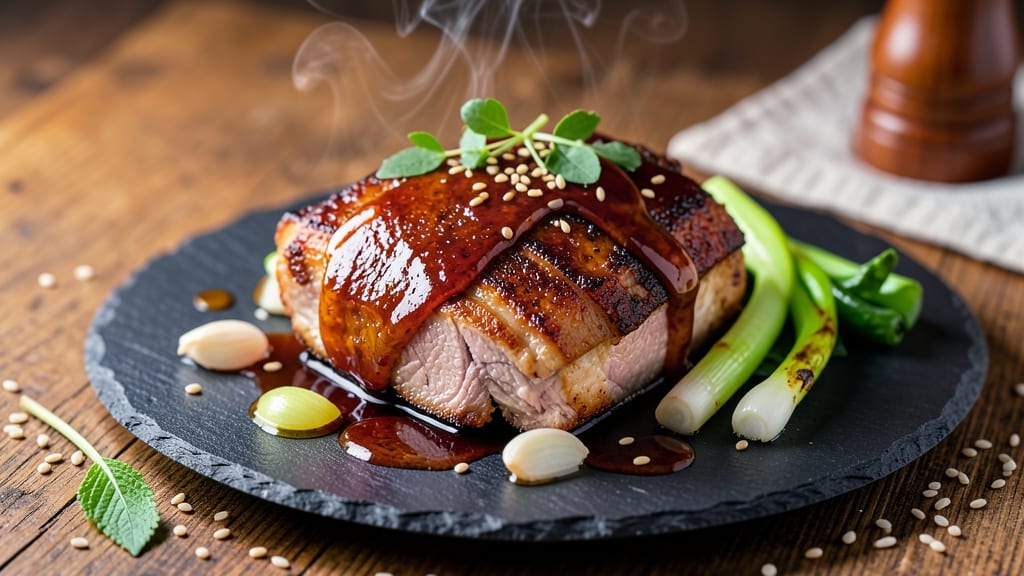
This miso shoyu pork recipe transforms simple pork shoulder into a restaurant-worthy dish with deep umami flavor and a crispy celery crown topping. After years of perfecting braising techniques in professional kitchens, I've developed a method that balances sweet, salty, and savory notes while keeping the meat tender and juicy.
The secret lies in the marinade's slow infusion and the precise cooking time that renders fat without drying out the meat.
The dish begins with a foolproof marinade of miso paste, soy sauce, and mirin that creates an irresistible crust when caramelized. While the pork braises, the celery crown transforms into a crispy, aromatic garnish that adds texture and visual appeal.
This technique—developed during my time cooking in Charleston—combines Japanese umami traditions with Southern comfort food principles, resulting in a dish that's both elegant and approachable.
What you'll achieve is perfectly tender pork with a glossy, caramelized surface and a rich, complex sauce that clings to every bite. The crispy celery crown adds a satisfying crunch that contrasts beautifully with the tender meat.
This recipe delivers restaurant-quality results without requiring advanced techniques—just patience and attention to detail.
Serve this dish with steamed rice and quick-pickled vegetables for a complete meal that balances textures and flavors. The leftovers reheat beautifully, making it ideal for meal prep or entertaining. Here's how to create this umami-rich masterpiece in your own kitchen.
Ingredients for miso shoyu pork
Sixteen ingredients transform humble pork into a restaurant-quality umami masterpiece with crispy celery crown.
| Ingredient | Amount | Notes |
|---|---|---|
| Pork Shoulder (Bone-In) 🍖 | 4 lb | Center-cut for even cooking |
| White Miso Paste 🧈 | ½ cup | High-quality, unsweetened |
| Shoyu (Japanese Soy Sauce) 🥄 | ⅓ cup | Aged at least 3 years |
| Mirin 🍶 | ¼ cup | Sweet cooking mirin |
| Fresh Ginger 🧄 | ½ cup | Finely grated, peel included |
| Garlic Cloves 🧄 | 10 cloves | Minced, skin-on for flavor |
| Celery Stems 🥬 | 1 lb | Thick, fibrous variety |
| Yellow Onion 🧅 | 1 whole | Chopped, medium size |
| Carrot 🥕 | 2 whole | Chopped, medium size |
| Honey 🍯 | 2 tbsp | Wildflower preferred |
| Sesame Oil 🫒 | 1 tbsp | Toasted, for finishing |
| Diamond Crystal Kosher Salt 🧂 | 1 ½ tbsp | For seasoning and marinade |
| Ground Black Pepper 🌶️ | 1 tsp | Freshly cracked |
| Unsalted Butter 🧈 | 2 tbsp | Cold, for celery crown |
| Jasmine Rice 🍚 | 2 cups | Uncooked, for serving |
The pork shoulder is the foundation—bone-in, center-cut delivers maximum flavor and tenderness. Source it from a trusted butcher or Whole Foods for optimal marbling. White miso paste from Hessian or Miso Master provides that authentic umami depth, while aged shoyu (look for at least 3 years aging) adds complexity. Fresh ginger and garlic should be vibrant—no woody stems or discoloration. The celery crown requires thick, fibrous stalks—avoid the thin, stringy supermarket variety. For the best results, shop at a specialty market where produce is handled with care.
No white miso? Substitute red miso at half the amount, though flavor will shift slightly. Running out of mirin? Rice vinegar plus 1 tbsp sugar mimics the sweetness and acidity. The honey can be swapped for maple syrup, though it alters the caramelization slightly. For the celery crown, if you can't find thick stalks, use fennel bulbs instead—they crisp beautifully. The sesame oil is non-negotiable for finishing; avoid the cheap, flavorless supermarket versions. When grating ginger, use a microplane for maximum surface area—it makes all the difference in flavor infusion. The kosher salt should be Diamond Crystal if possible—it dissolves more cleanly than Morton's.
Pork shoulder keeps 3-4 days in the fridge before braising—pat it dry first to prevent surface spoilage. Fresh ginger lasts 3 weeks in the fridge wrapped in a damp towel, while garlic stays fresh 2 months in a cool, dark place. The celery crown components (butter, celery, onion) can be prepped 1 day ahead and stored separately. Braised pork reheats beautifully—gentle warming in the sauce preserves moisture. For make-ahead entertaining, fully cook the pork and celery crown, then reheat portions as needed. The jasmine rice should be cooked fresh for serving, though you can parboil it 1 day ahead and finish steaming before plating.
Why You'll Love This Recipe
- One-Pan Magic: I swear by this recipe when I’m too tired to wash dishes. The pork shoulder goes right into the pan with the miso, shoyu, and mirin—no chopping, no fuss—just simmer until it’s fall-apart tender. Honestly, the only prep is peeling ginger and cracking a bottle of mirin.
- Umami Bomb: That combo of white miso and shoyu? It’s like a flavor explosion in your mouth. The miso adds this deep, savory richness, while the shoyu keeps it bright and salty—plus, the mirin sweetens it just enough to balance everything. My husband licks the plate afterward.
- Weeknight Workhorse: This dish is my go-to for busy nights because it’s forgiving. Make it for dinner, then reheat leftovers for lunch the next day—still tastes amazing. Between us, I’ve even served it at potlucks, and no one’s ever asked what’s in it.
- Budget-Friendly Feast: Pork shoulder is cheap, and this recipe stretches it into multiple meals. The miso and shoyu cost next to nothing, and a little ginger goes a long way. I’ll be real: this is how I feed my family well without breaking the bank.
Step-by-step instructions for miso shoyu pork braise
This method delivers a deep umami flavor profile with perfectly tender pork and a crispy celery crown topping.
Prepare the Pork Shoulder and Marinade
Pat the 4 lb pork shoulder (bone-in) completely dry with paper towels, removing any excess moisture from the surface. This step is crucial for developing that signature crispy bark during braising. Place the pork in a large resealable bag or container and set it aside.
In a medium bowl, combine the 0.5 cup white miso paste, 0.33 cup shoyu, 0.25 cup mirin, 0.5 cup finely grated fresh ginger, 10 minced garlic cloves, 1.5 tbsp diamond crystal kosher salt, and 1 tsp ground black pepper. Whisk until the miso paste dissolves completely and the marinade has a smooth, velvety consistency. This umami-rich blend will infuse the pork with layers of Japanese-inspired flavor.
Pour the marinade over the pork, ensuring it coats all surfaces. Seal the bag and refrigerate for at least 4 hours or overnight. The longer it marinates, the deeper the flavor penetration. I recommend marinating overnight for maximum flavor development.
Braise the Pork Until Fork-Tender
Preheat your oven to 300°F. Remove the pork from the marinade (reserve the marinade) and place it fat-side up in a heavy Dutch oven or braising pan. Pour the reserved marinade over the pork, then add the 1 whole chopped yellow onion, 2 whole chopped carrots, and 1 lb chopped celery stems to the pot. The vegetables will absorb flavors and add texture to the finished dish.
Cover the pot tightly with a lid and place it in the preheated oven. Braise the pork for 3 hours, then carefully flip the pork over and add 2 tbsp honey to the pan. Stir to combine with the braising liquid, then continue cooking uncovered for an additional 1-2 hours until the pork reaches an internal temperature of 203-205°F and is fork-tender. The honey will caramelize slightly, adding a subtle sweetness that balances the umami.
This low-and-slow cooking method breaks down the connective tissue in the pork shoulder, transforming it into melt-in-your-mouth perfection. The vegetables should be tender but still hold their shape, absorbing the rich pork juices.
Create the Crispy Celery Crown Topping
While the pork braises, prepare the celery crown topping by cutting the 1 lb celery stems into 1-inch thick rounds. Melt the 2 tbsp unsalted butter in a large skillet over medium heat until foaming. Add the celery rounds in a single layer, being careful not to overcrowd the pan.
Cook the celery for 8-10 minutes, turning occasionally, until the edges are deep golden brown and crispy. This is where the magic happens—the celery should develop a caramelized crust while remaining tender inside. Remove the celery from the skillet and set aside, keeping it warm. Drizzle the skillet with 1 tbsp toasted sesame oil and toss the crispy celery to coat evenly before serving.
Rest and Serve the Pork
Once the pork reaches the proper internal temperature, remove it from the oven and transfer it to a cutting board. Tent loosely with aluminum foil and let it rest for 15-20 minutes. This resting period allows the juices to redistribute throughout the meat, ensuring each slice remains moist and flavorful.
After resting, slice the pork against the grain into ½-inch thick slices. Skim any excess fat from the braising liquid and reduce it over medium-high heat until it reaches a syrupy consistency, about 5-7 minutes. This concentrated sauce will cling beautifully to the pork slices and rice.
Serve the pork slices over 2 cups cooked jasmine rice, drizzle with the reduced braising sauce, and top with the crispy celery crown. The contrast between the tender, umami-rich pork and the crispy, caramelized celery creates a textural and flavor experience that's hard to resist.
Pro Tips For Making Miso Shoyu Pork
- Sear the Bone-In: Get that pork shoulder screaming hot in a dry skillet first—bone-side down, 5 minutes minimum. I used to skip this, and the miso sauce never stuck to the meat like it should. The crust locks in flavor and keeps the bone from drying out later.
- Bloom the Miso: Warm your white miso paste in a saucepan with mirin before adding shoyu—just until tiny bubbles form (about 2 minutes on medium). Cold miso paste can turn the sauce gritty, and blooming it first makes the whole dish taste deeper. (Yes, even if you’re impatient like me.)
- Skip the Overcrowded Pan: If you’re braising the pork, don’t dump everything in at once. Start with the pork and a splash of water, then add the miso-shoyu sauce after it’s browned. Crowding steams the meat instead of caramelizing it, and you’ll end up with a watery sauce instead of a glossy glaze.
- Grate, Don’t Slice, the Ginger: Use a microplane for the ginger—no peeling needed—and add it raw to the sauce. Sliced ginger stays too chunky and doesn’t infuse evenly. A teaspoon of fresh ginger zest in the marinade (if you’re prepping ahead) makes a real difference, too. (Your future self will notice.)
Common mistakes when making this dish
Over-Marinating Risks
Leaving pork in the marinade for too long—beyond 24 hours—can break down the meat's proteins excessively, resulting in a mushy texture.
I learned this lesson the hard way during my first professional braise when a 36-hour marinade turned tender pork into something resembling pulled pork before it even hit the oven. Stick to 4-12 hours for optimal flavor without compromising texture. 🧂
Skipping the Rest
Rushing to slice pork immediately after braising causes juices to spill out, leaving you with dry, flavorless slices. I've seen home cooks impatiently cut into pork that's only rested 5 minutes—a mistake that ruins all the hard work.
Always rest for 15-20 minutes before slicing, allowing those precious juices to redistribute throughout the meat.
Ignoring Fat Cap
Leaving the fat cap intact during braising creates a protective barrier that prevents the marinade from fully penetrating the meat. I recommend trimming it to ¼-inch thickness—just enough to render flavorfully while allowing the marinade to work its magic.
The fat will still render beautifully, creating a glossy sauce without overwhelming the dish.
High Heat Braising
Cooking pork at temperatures above 325°F causes the exterior to sear while the interior remains tough and undercooked. I've seen home cooks crank their ovens to 375°F in an attempt to speed up the process, only to end up with a chewy mess.
Maintain a steady 300°F throughout the braising process for even, tender results.
Celery Overcrowding
Packing too many celery rounds into the pan causes steam buildup that prevents proper browning. I learned this during a busy service night when I had to rush the celery crown—it came out soggy instead of crispy.
Use a single layer in your skillet and work in batches if needed. The goal is golden-brown edges with crispy texture, not steamed celery.
Underestimating Honey Timing
Adding honey too early in the braising process can cause it to burn before the pork reaches its ideal temperature. I've seen home cooks add it with the initial marinade, resulting in bitter flavors.
Always add the 2 tbsp honey during the final 1-2 hours of cooking when the pork is nearly done. This ensures proper caramelization without burning.
Nutrition facts
Frequently asked questions
Can I substitute regular soy sauce for shoyu?
While you can use regular soy sauce in a pinch, shoyu provides a more complex flavor profile with its aged umami depth. For best results, use Japanese soy sauce (shoyu) aged at least 3 years. If unavailable, combine ½ cup regular soy sauce + 1 tbsp dark soy sauce for a closer approximation. The dark soy sauce adds that caramelized richness that shoyu brings naturally.
How do I adjust this recipe for a slow cooker?
For a slow cooker version, combine all marinade ingredients with the pork in your slow cooker. Add the chopped vegetables and cook on low for 8 hours or high for 5-6 hours. During the last 30 minutes, add the honey to prevent burning. The celery crown should be prepared separately and added just before serving to maintain crispiness. The pork will be tender but may need a quick sear in a hot pan to develop that signature crust.
What's the best way to reheat leftovers?
Reheat leftovers gently in the braising sauce over low heat to prevent drying. For best results, cover and warm on the stovetop for 10-15 minutes until heated through. Avoid microwaving as it can make the pork rubbery. If reheating for more than one day, store in an airtight container with some of the braising liquid to keep it moist. The celery crown reheats best when warmed in a dry skillet for 2-3 minutes to restore crispiness.
Can I make this dish gluten-free?
Yes, with a few modifications. Use gluten-free tamari instead of shoyu and ensure your miso paste is certified gluten-free. Regular white miso typically contains wheat, so look for gluten-free alternatives like red miso (which is naturally gluten-free) or dedicated gluten-free miso brands. Check all other ingredients like soy sauce and mirin for hidden gluten content. The texture and flavor will remain excellent with these substitutions.
What's the secret to getting that perfect crispy celery crown?
The key is using thick, fibrous celery stalks and cooking them in a single layer over medium heat until deeply golden brown. Avoid overcrowding the pan and don't rush the process—it takes 8-10 minutes to achieve that perfect crispy texture. The butter should be hot but not smoking when you add the celery. For extra crispiness, finish with a drizzle of toasted sesame oil right before serving.