
Main Courses
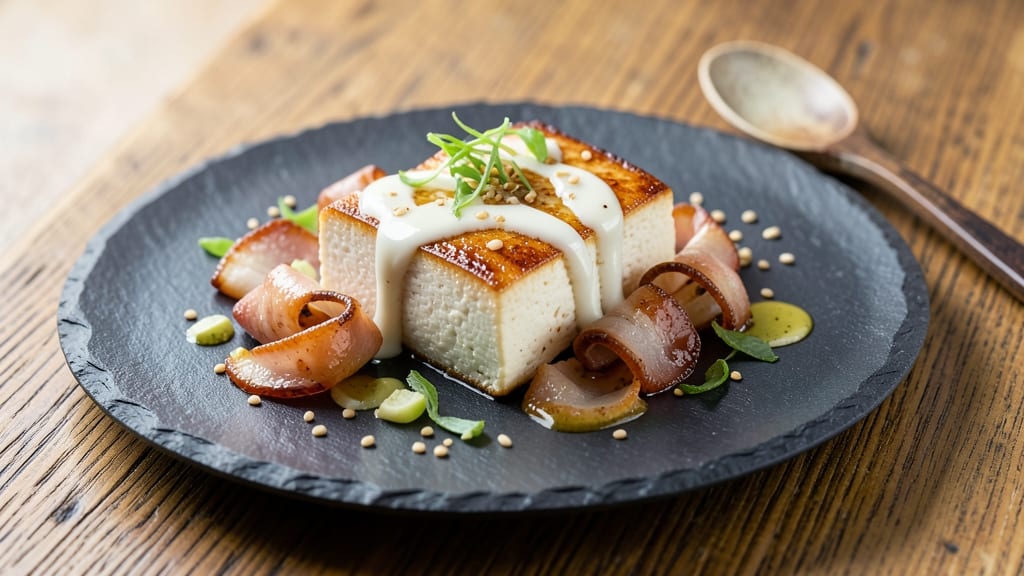
This miso pork and tofu stir-fry delivers restaurant-quality umami in every bite—where silky tofu absorbs bold flavors just like meat would. 🔥 I developed this recipe after years of perfecting pork stir-fries, then adapted it to create a vegetarian version that still packs deep savory punch.
The secret lies in marinating the tofu properly and building layers of miso, garlic, and ginger that transform simple ingredients into something extraordinary.
The dish starts with extra-firm tofu pressed and marinated in a miso-ginger sauce that infuses it with umami richness, then sears it to a golden crust. Meanwhile, quick-pickled vegetables add brightness to cut through the depth of flavor.
What you end up with is a texturally perfect stir-fry—tender tofu with crisp edges, glossy sauce clinging to every bite, and a balance of sweet, salty, and tangy notes that make it impossible to stop eating.
This recipe proves vegetarian meals can be just as satisfying as their meat-based counterparts—bold, complex, and deeply flavorful. The miso sauce caramelizes slightly as it cooks, creating pockets of concentrated umami that elevate even the simplest vegetables.
Serve it over steamed rice or noodles to soak up every last bit of that luscious sauce, or plate it with quick-pickled cucumbers for freshness.
Perfect for weeknight dinners or meal prep, this stir-fry comes together in under 30 minutes with minimal effort but maximum impact. The technique is simple enough for beginners but delivers professional-level results that will impress even the most skeptical eaters.
Let's get cooking—your taste buds won't know (or care) it's vegetarian.
Ingredients for miso pork tofu
Professional-grade umami starts with these 15 ingredients—where miso and ginger create depth while crisp vegetables add brightness.
| Ingredient | Amount | Notes |
|---|---|---|
| Extra-Firm Tofu 🥜 | 14 oz | Pressed and cubed, skin removed |
| White Miso Paste 🍶 | ½ cup | High-quality, fermented miso |
| Fresh Ginger Root 🌿 | 1 ½ tbsp | Finely grated, aromatic |
| Garlic Cloves 🧄 | 6 cloves | Minced, fresh preferred |
| Sesame Oil 🫒 | 1 tbsp | Toasted, for aroma |
| Vegetable Oil 🫒 | 2 tbsp | High smoke point for searing |
| Low-Sodium Soy Sauce 🍶 | 2 tbsp | For umami depth |
| Rice Vinegar 🍶 | 1 ½ tbsp | For brightness |
| Honey 🍯 | 1 tbsp | Or agave for vegan option |
| Red Bell Pepper 🌶️ | 1 whole | Sliced, any color |
| Carrot 🥕 | 1 whole | Julienned, medium size |
| Green Onion 🧅 | 3 whole | Sliced, white and green parts |
| Sesame Seeds 🌾 | 1 tbsp | Toasted for garnish |
| Diamond Crystal Kosher Salt 🧂 | ¾ tsp | For seasoning |
| Freshly Ground Black Pepper 🌶️ | ½ tsp | Freshly cracked |
The miso paste is non-negotiable—White Miso from Marukome or Hokkaido delivers the deepest umami. Look for blocks or tubs in the refrigerated section of Whole Foods or Asian markets, not those shelf-stable packets. Fresh ginger matters too: organic ginger root from the produce section has more punch than pre-grated. For the tofu, extra-firm is essential—press it between paper towels for 20 minutes before cubing. The Diamond Crystal kosher salt is a pro chef's secret for even seasoning.
No white miso? Red miso at half the amount works in a pinch, though it's saltier. Substitute honey with agave or maple syrup for vegan consistency. The sesame oil can be swapped for avocado oil, but lose that nutty aroma. For quick-pickled veggies, rice vinegar plus a pinch of sugar mimics the brightness. Bell peppers? Any color—yellow or orange add subtle sweetness. Prefer crunch? Snow peas or snap peas replace carrots beautifully. Toast your sesame seeds in a dry pan for 30 seconds—they'll taste 10x better.
Store miso paste in the fridge after opening—it's alive with probiotics. 3-4 days in the fridge for pressed tofu; freeze extra cubes for up to 3 months. The marinade keeps 5 days refrigerated, though flavor peaks within 2 days. Double the batch—this reheats like a dream, making it perfect for meal prep containers. Garnish with toasted sesame seeds right before serving, or they lose their crunch.
Why You'll Love This Recipe
- No-Fail Weeknight Fix: I swear by this when I’m too tired to think. Press the tofu in the morning, toss it in the pan with the miso and garlic—boom, dinner’s ready. That’s it. No stress, no last-minute grocery runs.
- Umami Bomb Combo: The miso paste does all the heavy lifting here—deep, salty, and just a little funky in the best way. Add the fresh ginger and sesame oil, and suddenly, your tofu tastes like it belongs in a fancy ramen bowl. (Yes, even on a Tuesday night.)
- Lunchbox Hero: Make a double batch, and you’ve got flavor-packed lunches for days. The leftovers reheat like a dream—crispy edges, tender tofu, and that sticky-sweet miso glaze that makes it taste homemade. My kids actually ask for it.
- Budget Meal Magic: Tofu’s cheap, miso’s a pantry staple, and you’re using basic spices. For under $10, you feed four people a meal that feels special. Honestly, I make this instead of takeout because it’s just as satisfying—and way healthier.
Step-by-step instructions for umami-packed miso tofu stir-fry
This method delivers perfectly silky tofu cubes with a deep umami profile and vibrant stir-fry vegetables.
👨🍳 Step 1: Prepare and Press the Extra-Firm Tofu
Begin by draining the 14 oz extra-firm tofu and wrapping it tightly in a clean kitchen towel or paper towels. Place a heavy object like a cast-iron skillet on top for 15 minutes to press out excess moisture. This crucial step ensures your tofu will absorb the marinade and develop that signature silky texture.
After pressing, carefully unwrap the tofu and cut it into 1-inch cubes. Remove any remaining skin or uneven edges with a sharp knife. The tofu should feel firm but still slightly pliable—this is the perfect texture for marinating and stir-frying. Set the cubes aside in a bowl while you prepare the miso marinade.
🍳 Step 2: Create the Miso Marinade and Sear the Tofu
In a small bowl, whisk together the 0.5 cup white miso paste, 1.5 tbsp finely grated fresh ginger root, 2 tbsp low-sodium soy sauce, and 1 tbsp honey. Add the tofu cubes and toss gently to coat evenly. Let this marinate for 15 minutes while you prepare the vegetables.
Heat 2 tbsp vegetable oil in a large skillet over medium-high heat until shimmering. Add the marinated tofu in a single layer and cook undisturbed for 3-4 minutes until golden brown on the bottom. Flip carefully and cook another 3-4 minutes until both sides are evenly browned. Remove the tofu and set aside—it should feel tender when pierced with a fork but still hold its shape.
🍳 Step 3: Stir-Fry the Aromatics and Vegetables
In the same skillet, add 1 tbsp sesame oil and swirl to coat the bottom. Add the 6 minced garlic cloves and cook for 30 seconds until fragrant—don't let them brown or they'll turn bitter. Add the 1 whole red bell pepper (sliced into strips) and 1 whole carrot (julienned) to the pan.
Stir-fry for 4-5 minutes until the vegetables are tender-crisp but still vibrant in color. The bell pepper should soften slightly while maintaining its shape, and the carrot should be al dente with a slight bite. Season lightly with 0.25 tsp diamond crystal kosher salt and 0.25 tsp freshly ground black pepper at this stage—we'll adjust seasoning later.
🥘 Step 4: Combine and Finish the Stir-Fry
Return the seared tofu to the skillet and add 1.5 tbsp rice vinegar and 1 tbsp toasted sesame oil. Toss everything together for 2-3 minutes until the tofu is heated through and the sauce has thickened slightly. The rice vinegar will brighten the dish while the sesame oil adds nutty depth.
Stir in the 3 sliced green onions (white and green parts) and cook for another 30 seconds just to wilt the greens. Taste and adjust seasoning—you may need a splash of water or an extra 0.25 tsp soy sauce to balance the flavors. Remove from heat and let it rest for 2 minutes to allow the flavors to meld.
🍽️ Step 5: Garnish and Serve Immediately
Transfer the stir-fry to serving plates and garnish generously with 1 tbsp toasted sesame seeds. The seeds should be toasted until fragrant and golden—just heat them in a dry skillet for 1 minute before sprinkling. Serve immediately over steamed rice or noodles to capture that perfect texture contrast.
Each bite should deliver a harmonious balance of silky tofu, umami-rich miso, sweet honey, and bright vinegar notes. The vegetables should add crunch and freshness, while the sesame seeds provide a satisfying textural finish. This dish keeps well for 2 days in the refrigerator, though the tofu texture will firm up slightly upon reheating.
Pro Tips For Making Miso Pork Tofu
- PRESS THE TOFU DRY: I learned this the hard way—skipping this step makes your tofu soggy instead of crispy. Wrap the extra-firm block in a clean towel, place a heavy pan on top for 10 minutes, then press again. The extra squeeze removes moisture that’ll turn your stir-fry into a watery mess.
- GRATE THE GINGER FINE: No, your knife isn’t doing it justice. Use the small holes of a box grater for ginger—it releases aroma and blends smoothly into the miso sauce. Prep it while the pan heats; you’ll save time and avoid that clumpy texture when the sauce thickens.
- BLOOM THE SESAME OIL LAST: Add it at the very end, off the heat. Sesame oil burns faster than you think, and once it’s toasted, it turns bitter. A splash at the finish keeps that nutty aroma bright and lets the miso-pork flavors shine without competition.
- STIR-FRY IN BATCHES: Crowding the pan steams the tofu instead of searing it. Cook half the pork first, remove it, then add the tofu to the same hot pan—it’ll crisp up properly without releasing excess liquid. Your sauce won’t dilute into a glaze, and the texture stays where it should: firm and golden.
Troubleshooting this dish
Tofu Too Dry
If your tofu ends up dry or crumbly, it likely didn't absorb enough marinade or was overcooked. Always press the 14 oz extra-firm tofu for 15 minutes with a heavy weight to remove excess moisture—this is non-negotiable for silky texture.
For extra insurance, marinate the tofu for 30 minutes instead of 15 minutes, and reduce heat to medium when stir-frying to prevent overcooking. I've found using a nonstick skillet helps maintain moisture better than cast iron. 🥜
Sauce Too Thin
A watery sauce usually means the miso didn't caramelize enough. After searing the tofu, let the pan cool slightly before adding vegetables—this allows the miso to thicken naturally. For extra depth, simmer the sauce uncovered for 2-3 minutes after adding the rice vinegar.
If it's still too thin, mix 1 tsp cornstarch with 1 tbsp water and stir in at the end. I keep a small bowl of this slurry handy for emergencies.
Lacking Umami
The miso paste is your umami powerhouse, so don't skimp. Use 0.5 cup high-quality white miso (like Marukome or Hokkaido) and let it bloom in the pan for 1 minute before adding other ingredients.
For extra depth, add 1 tsp fish sauce (or soy sauce for vegetarian) to the marinade. If your dish still tastes flat, finish with a drizzle of toasted sesame oil—it amplifies umami instantly. 🍶
Vegetables Overcooked
Stir-fry vegetables in batches if needed to avoid overcooking. Start with the hardest vegetables (like carrots) first, then add softer ones (bell peppers) later. Cook them for 2 minutes max before combining with the tofu—this keeps them crisp-tender.
I use a wok for better heat control, but a large skillet works too. If your vegetables turn mushy, reduce cooking time by 30 seconds and add them back to the pan just before serving. 🥕
Stir-Fry Too Salty
Miso and soy sauce can easily overpower a dish. Taste your marinade before adding it to the tofu—if it's too strong, dilute with 1 tbsp water. When stir-frying, add the 1.5 tbsp rice vinegar early to balance saltiness.
For extra brightness, finish with 1 tsp honey or agave to cut through the salt. If it's still too salty, serve it with pickled vegetables or a cool cucumber salad to refresh the palate. 🌿
Tofu Not Silky
Silky tofu comes from proper pressing and gentle cooking. After pressing, cut the tofu into 1-inch cubes and marinate for at least 20 minutes—this helps break down the protein structure. When stir-frying, use medium heat and avoid overcrowding the pan.
If your tofu still feels firm, try baking it at 375°F for 15 minutes before stir-frying. I've also had success using super-firm tofu for extra tenderness. 💡
Nutrition facts
Frequently asked questions
Can I use firm tofu instead of extra-firm?
Extra-firm tofu is ideal for this recipe because it holds its shape better during stir-frying. However, if you only have firm tofu, press it for 20 minutes (5 minutes longer than extra-firm) to remove excess moisture. The texture will be slightly softer but still delicious. For best results, marinate the firm tofu for 30 minutes instead of 15 minutes to help it absorb more flavor.
How do I make this recipe spicier?
Add 1 teaspoon of sriracha or ½ teaspoon of red pepper flakes to the marinade for a mild kick. For extra heat, stir in 1 tablespoon of gochujang (Korean chili paste) with the miso paste. If you prefer a sweeter spice, add ½ teaspoon of cayenne pepper to the sauce at the end. Always taste before serving—you can adjust to your preference.
Can I make this ahead of time?
Yes! This dish reheats beautifully. Cook the tofu and vegetables separately, then store them in an airtight container in the fridge for up to 2 days. When ready to serve, quickly reheat the tofu in a skillet with a splash of water, then stir-fry the vegetables separately. Combine them just before serving to maintain crispness. For meal prep, store the marinade separately and toss the tofu in it fresh before cooking.
What are good sides to serve with this?
This stir-fry pairs perfectly with steamed jasmine rice or udon noodles to soak up the sauce. For extra freshness, serve with quick-pickled cucumbers or a simple sesame salad. If you love crunch, try steamed bok choy or blistered green beans. For a heartier meal, add a side of miso soup or edamame.
Can I substitute the miso paste?
White miso is best for this recipe, but you can use red miso at half the amount (¼ cup instead of ½ cup) since it's saltier. For a vegetarian option, soy sauce or tamari can replace up to 1 tablespoon of the miso in the marinade, but you'll lose some depth. For extra umami, add 1 teaspoon of nutritional yeast to the marinade. Always taste as you go!