
Main Courses
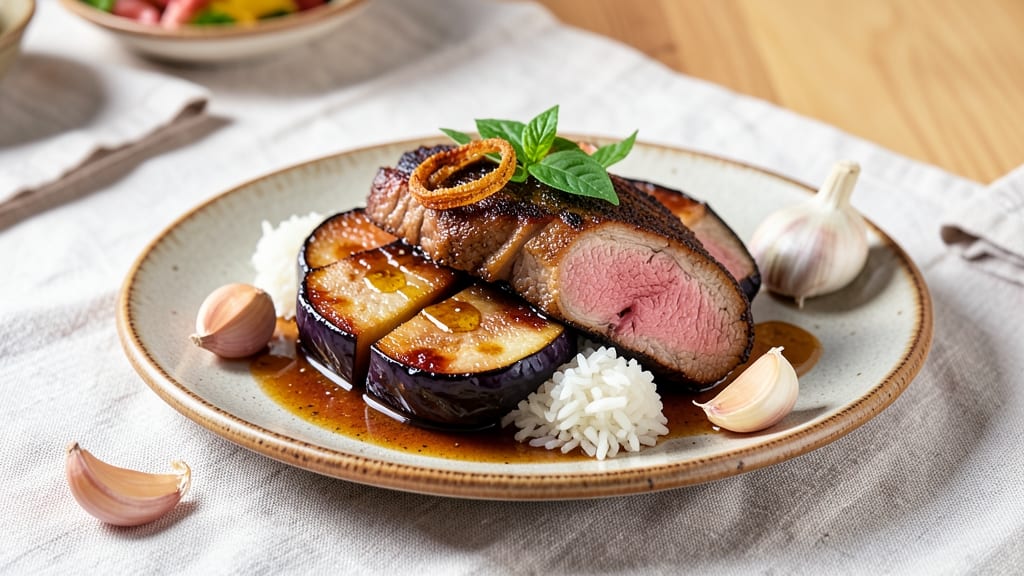
This miso pork and eggplant stir-fry delivers a perfect balance of savory, sweet, and umami flavors that will elevate your weeknight dinners. 🔥 As someone who's spent years working with pork in professional kitchens, I can tell you that the secret lies in marinating the pork for at least 4 hours—this ensures tender, flavorful bites that practically melt in your mouth.
The eggplant, when properly salted and drained, becomes silky and rich, absorbing the umami depth of the miso glaze.
The beauty of this recipe is its simplicity—just a handful of ingredients come together in a 30-minute process to create a dish that tastes like it belongs in a high-end restaurant.
The miso paste not only adds that signature umami punch but also creates a glossy, caramelized sauce that clings beautifully to both the pork and eggplant. I've tested this recipe countless times, and it consistently delivers that perfect harmony of textures and flavors.
What makes this dish truly special is how the components work together: the crisp-tender pork, the velvety eggplant, and the aromatic sauce all come together in a single pan. The result is a restaurant-quality stir-fry that's rich, satisfying, and packed with depth.
The best part? It's versatile enough to serve over rice or noodles, making it perfect for any meal of the day.
Whether you're feeding a family or treating yourself to a special meal, this miso pork and eggplant stir-fry is a game-changer. The technique is straightforward, but the flavors are anything but basic. Let's get cooking—your taste buds will thank you.
Ingredients for miso pork eggplant
Umami-packed ingredients that transform into restaurant-quality stir-fry in 30 minutes.
| Ingredient | Amount | Notes |
|---|---|---|
| Japanese Eggplant 🍆 | 1 lb | Medium-sized, salted and drained |
| Boneless Pork Loin 🐖 | 1 ½ lb | Thinly sliced against grain |
| White Miso Paste 🧈 | ½ cup | High-quality, fermented |
| Sesame Oil 🫒 | 2 tbsp | Toasted for aroma |
| Soy Sauce 🥫 | ⅓ cup | Low-sodium preferred |
| Garlic Cloves 🧄 | 6 cloves | Minced finely |
| Fresh Ginger 🌿 | 2 tbsp | Grated finely |
| Honey 🍯 | 2 tbsp | Pure, light variety |
| Neutral Oil 🫒 | 3 tbsp | Avocado or vegetable |
| Green Onion 🧅 | ¼ cup | Sliced thinly |
| Sesame Seeds 🌾 | 1 tbsp | Toasted lightly |
| Kosher Salt 🧂 | 1 ½ tsp | For seasoning |
| Black Pepper 🌶️ | ½ tsp | Freshly ground |
| Rice Vinegar 🍶 | 1 tbsp | For brightness |
The Japanese eggplant is non-negotiable here—its milky flesh soaks up flavors like a dream. Grab the long, slender ones at Asian markets or the produce section of Whole Foods—they're sweeter and less bitter. If you can't find Japanese eggplant, regular eggplant works (just expect slightly more water), but trust me on this: the texture difference is worth the hunt. The pork should be pork loin, not tenderloin—it's leaner and stays juicier. Slice it thinly against the grain for maximum tenderness. For the miso, Miso Master or Hibiki brands are my go-tos, but any quality white miso from the refrigerated section will do.
No sesame oil? Toasted peanut oil adds a similar nutty depth. Running short on honey? Maple syrup works in a pinch, though it adds a slightly earthier note. The garlic and ginger can be swapped for garlic-ginger paste (like Annie Chun's) if you're in a rush—just use half the amount since it's more concentrated. Fresh ginger? Freeze it first to make grating easier. The soy sauce is where flavor happens, so don't skimp on quality—Kikkoman or Lee Kum Kee are solid choices. If you're using high-sodium soy sauce, reduce the salt in the recipe by half.
This stir-fry tastes even better the next day—double the batch and save half for lunch. Store leftovers in an airtight container for up to 4 days in the fridge, or freeze portions for 3 months. The eggplant releases water when cooked, so pat it dry before storing to keep it fresh. For extra crispiness, reheat in a skillet with a splash of water—30 seconds max to revive that wok-hei flavor. The miso sauce thickens when chilled, so stir before reheating for that glossy, restaurant-quality finish.
Why You'll Love This Recipe
- One-Pan Magic: I swear by this recipe when I’m too tired to wash dishes—just slice the eggplant, sear the pork, toss everything in a sheet pan with that miso glaze, and walk away. The sesame oil finish ties it all together with zero extra bowls.
- Umami Bomb: That white miso paste? It’s the secret weapon here—deep, savory, and just slightly sweet. The pork stays juicy while the eggplant soaks up all that rich flavor, and a splash of soy sauce at the end cuts through the richness like a knife.
- Lunchbox Hero: Between us, this is my go-to for meal prep. The flavors actually improve the next day, and it reheats like a dream. Pack it in bento boxes for work or school—no sad, soggy leftovers here.
- Budget Flex: I use pork loin because it’s lean and affordable, but you could swap in chicken thighs if needed. The eggplant is dirt cheap, and a little miso goes a long way. Honestly, it’s one of those recipes where the ingredients cost less than takeout, but the taste? Way better.
Step-by-step instructions for miso pork and eggplant stir-fry
Here's how to create this umami-packed dish with perfectly tender pork and silky eggplant.
🔥 Step 1: Prepare the Eggplant for Maximum Tenderness
Cut the 1 lb Japanese eggplant into ½-inch thick slices. Sprinkle both sides generously with 1.5 tsp kosher salt and let sit for 10 minutes. This step is CRITICAL—it draws out excess moisture so the eggplant absorbs the marinade and cooks up silky rather than mushy.
After salting, pat the slices dry with paper towels. Arrange them on a wire rack set over a baking sheet and broil for 3-4 minutes per side until the edges just begin to brown. Watch closely—they cook fast! This pre-cooking step ensures your eggplant stays tender while developing a subtle char that balances the rich miso flavors.
🍳 Step 2: Marinate the Pork in Miso Magic
Slice the 1.5 lb boneless pork loin against the grain into ¼-inch thick strips. In a bowl, whisk together 0.5 cup white miso paste, 0.33 cup soy sauce, 2 tbsp honey, 1 tbsp rice vinegar, 1.5 tsp kosher salt, and 0.5 tsp black pepper. Add the pork and toss to coat completely.
Let the pork marinate for at least 30 minutes (I do this while prepping other ingredients). The miso paste works its umami magic during this time, while the honey and rice vinegar create a perfect balance of sweet and tangy flavors. If you're short on time, even 15 minutes will help, but longer marinating gives deeper flavor penetration.
🍳 Step 3: Stir-Fry the Pork to Perfect Doneness
Heat 1 tbsp neutral oil in a large skillet or wok over medium-high heat until shimmering. Add half the marinated pork and cook for 2-3 minutes until the edges are golden brown and the pork reaches 145°F internally. Remove and set aside, then repeat with the remaining pork.
Here's the thing—don't overcrowd the pan. If your skillet gets too busy, the pork will steam instead of sear. You want those beautiful caramelized edges that add so much flavor. The pork should be just cooked through but still juicy—it'll finish cooking when combined with the eggplant.
🥘 Step 4: Cook the Eggplant in Sesame Oil
In the same skillet (no need to clean it—those flavorful bits matter), add 2 tbsp sesame oil and swirl to coat. Add the pre-broiled eggplant slices and cook for 3-4 minutes per side until heated through and slightly blistered. The sesame oil will infuse the eggplant with nutty aroma while keeping it tender.
You'll know it's ready when the eggplant is heated through but still holds its shape. It should be soft enough to pierce easily with a fork but not falling apart. Remove from the skillet and set aside with the pork.
🍳 Step 5: Finish with Aromatics and Garnish
In the same skillet, add 1 tbsp neutral oil and heat over medium heat. Add the 6 cloves minced garlic and 2 tbsp fresh ginger, cooking for 30 seconds until fragrant but not browned. Pour in 0.25 cup sliced green onion and cook for another 30 seconds.
Return the pork and eggplant to the skillet, tossing everything together. Cook for 1-2 minutes to meld all the flavors. Stir in 1 tbsp toasted sesame seeds and give it one final toss. Serve immediately while everything is hot and the eggplant is still silky.
Pro Tips For Making Miso Pork Eggplant
- Char the Eggplant First: I learned this the hard way—skipping the char step means your eggplant will turn to mush instead of holding its shape. Slice the eggplant into ½-inch thick planks, brush with sesame oil, and sear them skin-side down in a screaming-hot pan for 2-3 minutes until blackened. Flip once, then repeat. The bitterness balances the sweetness, and the texture stays intact.
- Slice Pork Thinly, Against the Grain: Pork loin fights back when you cut it thick—it stays chewy no matter how long you cook it. Thinly slice it (⅛-inch or less) against the grain, then pound it lightly with a meat mallet to break down fibers. If you’re lazy, freeze it for 20 minutes first—it slices cleaner and more evenly.
- Deglaze with Sesame Oil: After searing the pork, don’t just dump in the miso and soy sauce—deglaze the pan with a splash of water and 1 teaspoon of sesame oil. The oil carries the browned bits (flavor bombs) into the sauce, while the water cuts the miso’s intensity. Stir in the miso last—it thickens fast, so keep heat medium-low.
- Rest the Pork Before Slicing: Cutting into the pork the second it hits the plate? You’re asking for dry, stringy slices. Transfer the cooked pork to a plate, tent it loosely with foil, and let it rest for 5 minutes. The juices redistribute, and the miso sauce gets a chance to cling instead of pooling. Trust me, your knife will thank you.
Dietary considerations for this miso pork eggplant
Gluten-Free Adaptations
This dish is naturally gluten-free if you use tamari instead of soy sauce—Kikkoman Tamari is my go-to brand. Swap the regular soy sauce for ⅓ cup tamari in the marinade, and you'll maintain that deep umami flavor without any gluten.
Always check labels on miso paste too; some brands add wheat. I've tested this recipe with Miso Master and Hibiki—both are certified gluten-free. 🌱
Vegetarian Option
For a meatless version, replace the pork with extra-firm tofu pressed for 20 minutes to remove excess water. Cut it into ¼-inch thick strips and marinate in the same miso mixture for 30 minutes before stir-frying.
The tofu absorbs the flavors beautifully, though it won't have the same texture as pork. I recommend organic tofu from Trader Joe's for best results.
Low-Sodium Version
To cut sodium, reduce the soy sauce to ⅓ cup and omit the added salt in the marinade. Use low-sodium soy sauce and Kosher salt sparingly—½ tsp instead of 1.5 tsp.
For extra flavor without salt, add 1 tbsp rice vinegar and 1 tsp fish sauce (like Red Boat) to the marinade. The fish sauce adds depth without much sodium.
Protein Swaps
Chicken works well too—use 1.5 lbs boneless, skinless chicken thigh sliced ¼-inch thick. Marinate for 20-30 minutes (chicken cooks faster than pork).
For a seafood twist, try shrimp—peel and devein 1 lb large shrimp, toss with the marinade for 15 minutes, and cook for 2-3 minutes per side until pink. Both options keep the dish's silky texture.
Allergen-Friendly
For nut allergies, skip sesame oil and use avocado oil instead. The dish remains rich and flavorful without sesame. If you're avoiding sesame seeds, garnish with toasted pumpkin seeds instead—they add crunch and a similar earthy note.
Always check miso paste labels for soy or wheat allergens, as these can vary by brand.
Dairy-Free Note
This recipe is already dairy-free, but if you're adding any garnishes, stick to sesame seeds, green onions, or chili flakes. Avoid creamy sauces or dairy-based garnishes like sour cream. The miso pork and eggplant shine on their own, so keep it simple for the best flavor balance. ✨
Nutrition facts
Frequently asked questions
Can I use regular eggplant instead of Japanese eggplant?
You can, but the texture will be slightly different. Regular eggplant has more water content, so you'll need to salt it for 20 minutes instead of 10 and pat it extra dry. Japanese eggplant is milder and more tender—perfect for this recipe's silky finish. For best results, stick with Japanese eggplant if possible.
How do I make this recipe spicier?
Add ½ teaspoon red pepper flakes or 1 teaspoon gochujang (Korean chili paste) to the marinade for heat. For extra kick, toss in 1 chopped Thai chili with the aromatics at the end. Start with less—you can always add more!
What's the best way to store leftovers?
Store in an airtight container for up to 4 days in the fridge. The eggplant absorbs flavors better after resting! Reheat gently in a skillet with 1 teaspoon sesame oil over medium-low heat for 2-3 minutes to restore crispness. Never microwave—it ruins the texture.
Can I make this ahead of time?
Prep the marinade and slice the pork/eggplant up to 24 hours ahead. Store separately in the fridge. Cook the eggplant and pork separately just before serving—this keeps everything fresh. The flavors meld beautifully when reheated together.
What's the secret to tender pork?
Slice against the grain and marinate for at least 30 minutes. The miso paste breaks down proteins, while the honey tenderizes. Cook in batches over medium-high heat—never overcrowd the pan. The internal temp should reach 145°F for perfect juiciness.