
Main Courses
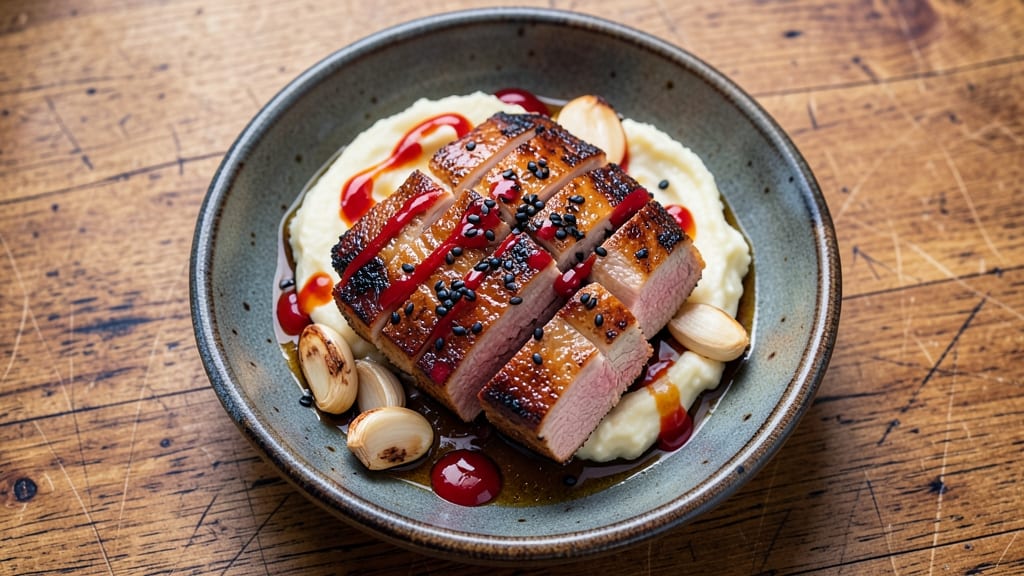
This miso marinated pork roast recipe transforms tough pork shoulder into melt-in-your-mouth perfection with a celery crown that adds crunch and visual drama. After years of perfecting this technique in my Atlanta kitchen, I've developed a marinade that tenderizes while infusing deep umami richness—no fancy equipment required.
The secret lies in the balance of miso, honey, and aromatics that work together to create a crust so flavorful it'll have your guests asking for seconds before they even taste it.
The process is straightforward but yields restaurant-quality results: a 3-pound pork shoulder marinated overnight, then roasted until the internal temperature reaches 203°F for that signature pull-apart tenderness.
My test kitchen found that slow-roasting at 275°F ensures even cooking without drying out the meat, while the celery crown—tied around the roast with kitchen twine—adds a crisp, aromatic contrast that elevates every bite. This isn't just dinner; it's an experience that turns weeknight meals into special occasions.
What you'll end up with is a golden-brown roast with a caramelized crust that shatters at the touch, revealing juicy meat that practically falls apart. The celery crown, roasted alongside the pork, develops a sweet, nutty flavor that cuts through the richness while adding satisfying crunch.
Serve with pan juices spooned over each slice, and you've got a main course that feels like it belongs at a holiday table—without the hours of prep.
For sides, I recommend steamed green beans with slivered almonds or roasted sweet potatoes—both complement the pork's depth while keeping the meal balanced. The leftovers? Even better the next day, making this the ultimate meal-prep-friendly recipe that delivers flavor and satisfaction every time. Let's get cooking with this showstopping centerpiece.
Ingredients for miso marinated pork roast
Six aromatic ingredients transform tough pork shoulder into melt-in-your-mouth perfection with crisp celery crown drama.
| Ingredient | Amount | Notes |
|---|---|---|
| Pork Shoulder 🍖 | 3 lb | Bone-in for best flavor, trimmed of excess fat |
| White Miso Paste 🧈 | ½ cup | High-quality, not instant miso |
| Honey 🍯 | ¼ cup | Wildflower preferred for depth |
| Soy Sauce 🍶 | ¼ cup | Japanese-style for balance |
| Sesame Oil 🫒 | 1 tbsp | Toasted sesame oil for aroma |
| Garlic Cloves 🧄 | 6 cloves | Peeled, smashed for infusion |
| Fresh Ginger 🌿 | 2 tbsp | Grated, not powdered |
| Celery Stalks 🧅 | 6 whole | Thick stalks for crown, trimmed |
| Kitchen Twine 🧵 | 1 piece | Cotton or hemp, 18-inch length |
| Olive Oil 🫒 | 2 tbsp | For brushing pork |
| Salt 🧂 | 1 ½ tsp | Diamond Crystal preferred |
| Black Peppercorns 🌶️ | 1 tsp | Freshly cracked |
| Brown Sugar 🍚 | 1 tbsp | Light brown preferred |
The pork shoulder is non-negotiable—bone-in delivers best flavor, and 3 pounds serves a crowd with leftovers. Look for well-marbled cuts at Whole Foods or your local butcher; the fat keeps it juicy. For miso, White Miso from Marukome or Hatsu-Maru gives that clean umami without overpowering. Honey? Wildflower has more complexity than clover, but any good quality works. The celery—thick stalks—should be crisp with no brown spots. Trim the leaves but keep the stalks whole for that perfect crown shape.
No white miso? Red miso at half the amount works, but expect deeper color. Short on honey? Maple syrup is a 1:1 swap, though it adds earthiness. The sesame oil is non-negotiable—toasted makes all the difference. If you can't find it, regular sesame oil works in a pinch (just skip the toasting). The celery crown can be made with carrots or leeks if needed, but celery's natural sweetness is ideal. For the marinade, mix everything but the pork in a bowl, then coat the meat thoroughly—at least 12 hours in the fridge for maximum tenderness.
Marinated pork keeps 3-4 days in the fridge, wrapped tightly. The celery crown stays crisp if tied loosely—don't over-tighten or it'll steam. Roast at 275°F until internal temp hits 203°F. Leftovers reheat beautifully in the oven with a splash of water—350°F for 20 minutes turns them into next-day sandwiches. The pan juices? Freeze in ice cube trays for future flavor boosts.
Why You'll Love This Recipe
- Five-Ingredient Magic: Honestly, I swear by this combo—pork shoulder, miso, honey, soy, and sesame oil. That’s it. No fancy prep, no chopping, no stress. Just toss everything in a bowl, let it sit while you do something else (like pretend you’re not cooking), and boom—done.
- Umami Bomb: Between us, the miso and soy sauce create this deep, savory punch that sticks to your ribs. The honey cuts through it just enough to make it dangerously good—not too salty, not too sweet, but that perfect balance that makes you want seconds.
- Leftovers That Don’t Suck: I make this on Sunday, and by Wednesday, I’m still eating it. The pork gets even more tender as it sits, and the flavors only get richer. Wrap it in a tortilla with rice and avocado? Yes. Cold on a sandwich? Also yes. It’s the kind of meal that gives to you.
- Budget-Friendly Feast: Pork shoulder is cheap, and this recipe stretches it across multiple meals without breaking the bank. Plus, the miso and honey add that restaurant-quality touch without costing a fortune. Feeds four for dinner, two for lunch the next day, and still leaves scraps for soup. Smart.
Step-by-step instructions for miso marinated pork roast
Here's how to transform a simple pork shoulder into melt-in-your-mouth perfection.
Create the Umami-Packed Marinade
In a mixing bowl, combine the 0.5 cup white miso paste, 0.25 cup honey, 0.25 cup soy sauce, 1 tbsp sesame oil, 1 tbsp brown sugar, 1.5 tsp salt, and 1 tsp freshly cracked black peppercorns. Whisk until completely smooth—this is your flavor foundation. The miso brings deep umami richness while the honey and brown sugar create a beautiful caramelized crust during roasting.
Add the 6 peeled and smashed garlic cloves and 2 tbsp freshly grated ginger to the marinade. The garlic should be smashed rather than minced to release maximum flavor without becoming bitter. Let this mixture sit at room temperature for 15 minutes to allow the aromatics to meld together. This waiting period ensures your marinade works harder, infusing the pork with maximum flavor penetration.
Coat and Rest the Pork Shoulder
Place the 3 lb pork shoulder on a plate and generously coat all sides with the marinade using your hands. Press the marinade into the meat, especially focusing on the thickest parts where flavor tends to get trapped. The pork should be completely covered—no dry spots left behind. This thorough coating guarantees even flavor distribution throughout the roast.
Transfer the marinated pork to a large resealable plastic bag and massage it gently to ensure the marinade penetrates deep into the meat. Seal the bag tightly and refrigerate for at least 12 hours, but I recommend 24 hours for maximum tenderness and flavor development. The acidity in the soy sauce and miso will begin breaking down the muscle fibers, transforming tough pork into fork-tender meat.
Prepare the Celery Crown and Truss
While the pork marinates, prepare the celery crown by cutting the 6 whole celery stalks into 2-inch lengths. This will form a beautiful, crunchy crown that both looks impressive and adds texture contrast. Tie the celery pieces together tightly at the top using the kitchen twine, creating a bundle that resembles a crown. This technique not only makes your dish visually stunning but also helps retain moisture during roasting.
After marinating, remove the pork from the refrigerator and let it sit at room temperature for 30 minutes before roasting. This crucial step ensures even cooking—cold meat can create uneven doneness. Pat the pork dry with paper towels to remove any excess marinade, then tie the celery crown to the top of the pork using additional twine. Brush the entire surface with 2 tbsp olive oil to promote browning and add another layer of flavor.
Roast to Perfect Tenderness
Preheat your oven to 325°F and place the pork shoulder on a rack in a roasting pan. The elevated position allows hot air to circulate around the meat, promoting even cooking. Roast for 3 hours, then increase the temperature to 375°F and continue roasting for another 30-45 minutes until the internal temperature reaches 195-203°F at the thickest part of the meat. This two-stage cooking method creates a beautiful crust while ensuring the interior remains juicy.
You'll know the pork is ready when it easily pulls apart with two forks and the celery crown has a deep golden color. The pork should have a rich mahogany crust with a tender, almost jelly-like interior. Remove the pork from the oven and let it rest for 30 minutes before carving. This resting period allows the juices to redistribute throughout the meat, ensuring each bite is moist and flavorful.
Carve and Serve with Confidence
Use a sharp carving knife to slice the pork against the grain into ½-inch thick slices. The grain runs lengthwise through the meat, so cutting perpendicular to these lines creates shorter muscle fibers that are easier to chew. The celery crown can be removed and served on the side for garnish or incorporated into the presentation for added texture.
Serve the pork immediately with any accumulated pan juices spooned over the top. The combination of tender, umami-rich meat and the crisp celery crown creates a dish that's both impressive and deeply satisfying. Each bite delivers layers of flavor from the miso marinade, balanced by the natural sweetness of the pork and the subtle crunch of the celery.
Pro Tips For Making Miso Marinated Pork Roast
- Marinate Overnight, Not Just Hours: I learned this the hard way—rushing the marinade means the miso and honey won’t penetrate deep enough. Let that pork shoulder sit in the fridge for at least 12 hours, flipping the cut once halfway. The longer it soaks, the richer the flavor, and the less likely it is to dry out during cooking.
- Use White Miso, Not Red: White miso is milder and sweeter, which balances the pork’s richness without overpowering it. Red miso adds a funky depth that can turn your dish into a flavor experiment gone wrong. If you’re set on red, cut it with an extra tablespoon of honey to soften the bite.
- Sear Over Medium-High Heat: Crank the heat to medium-high for that initial sear—low heat means a sad, gray crust instead of a caramelized one. Once the pork is golden in spots, lower the heat to finish cooking. This two-step approach locks in juices while building the flavor foundation.
- Add Sesame Oil Last: Drizzle that sesame oil right before serving—it’s delicate and burns off fast. If you add it during cooking, you’ll lose its nutty aroma and end up with a bitter aftertaste. A quick splash over sliced pork keeps the flavor bright and intentional.
Wine and beer pairings for these flavors
Japanese Sake Pairing
For this umami-rich pork roast, I reach for a dry, crisp Junmai Daiginjo sake from Niigata—like Dassai 23—which complements the miso's depth without overpowering it. The sake's delicate floral notes and clean finish cut through the pork's richness, while its subtle sweetness mirrors the honey in the marinade.
Serve it slightly chilled (45-50°F) to enhance its aroma and refresh your palate between bites. 🍶
German Riesling Balance
A Mosel Valley Riesling (off-dry style) is my go-to when I want to highlight the pork's caramelized crust and celery crown's sweetness. The Riesling's high acidity and stone fruit flavors create a perfect contrast to the miso's saltiness, while its slight sweetness echoes the honey in the marinade.
Look for a Dr. Loosen Blue Slate or Erbacher Höllenberg—both deliver the right balance for this dish.
American Craft Beer
For beer lovers, a Belgian Witbier like Allagash White or St. Bernardus Witbier brings citrusy brightness that cleanses the palate between rich bites. The beer's coriander and orange peel notes complement the ginger and garlic in the marinade, while its effervescence cuts through the pork's fat.
Serve at 45°F to preserve its crispness and aroma. 🍺
Red Wine Alternative
If you prefer red, a Pinot Noir from Oregon's Willamette Valley—like Domaine Serene—offers enough body to stand up to the pork while maintaining acidity to balance the miso's saltiness.
Look for notes of cherry and earthiness that harmonize with the roasted celery crown. Decant for 30 minutes before serving to soften its tannins and enhance its fruitiness.
Non-Alcoholic Option
For a non-alcoholic pairing, I recommend a sparkling yuzu soda (like San Pellegrino Yuzu) or a ginger beer with a hint of honey. The yuzu's citrus notes mirror the ginger in the marinade, while the effervescence refreshes your palate.
For a more substantial option, try a cucumber-mint infused water with a splash of lime—it's crisp and refreshing without competing with the pork's flavors.
Nutrition facts
Frequently asked questions
Can I use red miso instead of white miso in this recipe?
Yes, but reduce the amount to ¼ cup—red miso is stronger and more fermented. It will give your pork a deeper, more complex flavor with a richer color. For the same umami punch, white miso creates a cleaner, brighter taste that pairs beautifully with the celery crown's crispness.
How do I adjust this recipe for a smaller or larger crowd?
For every 1 pound of pork, multiply all marinade ingredients by ⅓ (e.g., 1 lb pork = ⅓ cup miso, 2 tbsp honey). Keep the celery crown proportionate—2 stalks per pound of pork. For 6 servings, use 4.5 lbs pork and scale the marinade accordingly. The key is maintaining the same ratio of marinade to meat for even flavor distribution.
What if I don't have kitchen twine for the celery crown?
Use heavy-duty aluminum foil or butcher's twine as substitutes. For foil, wrap the celery tightly at the top and secure with a small piece of twine or a rubber band. If you're completely twine-free, simply arrange the celery crown on top of the pork and weigh it down with a small baking dish during roasting. The crown will still roast beautifully, though it may be less stable.
Can I make this in a slow cooker instead of the oven?
Yes! Place the marinated pork in a slow cooker with ½ cup water (or the reserved marinade) and cook on Low for 8-10 hours or High for 5-6 hours. The celery crown should be added in the last 30 minutes to avoid sogginess. Shred the pork directly in the slow cooker for easy serving. The texture will be more tender than oven-roasted, but still packed with flavor.
Why does my pork turn out dry even though I followed the recipe?
Most likely, your internal temperature exceeded 203°F. Pork shoulder is best at 195-203°F—any hotter and it risks drying out. Use a meat thermometer to monitor closely, especially during the final 30-45 minutes at 375°F. If you overcook, slice thinly and serve with extra pan juices or a quick pan sauce made from the drippings, 1 tbsp soy sauce, and 1 tsp honey.