
Sauces & Condiments
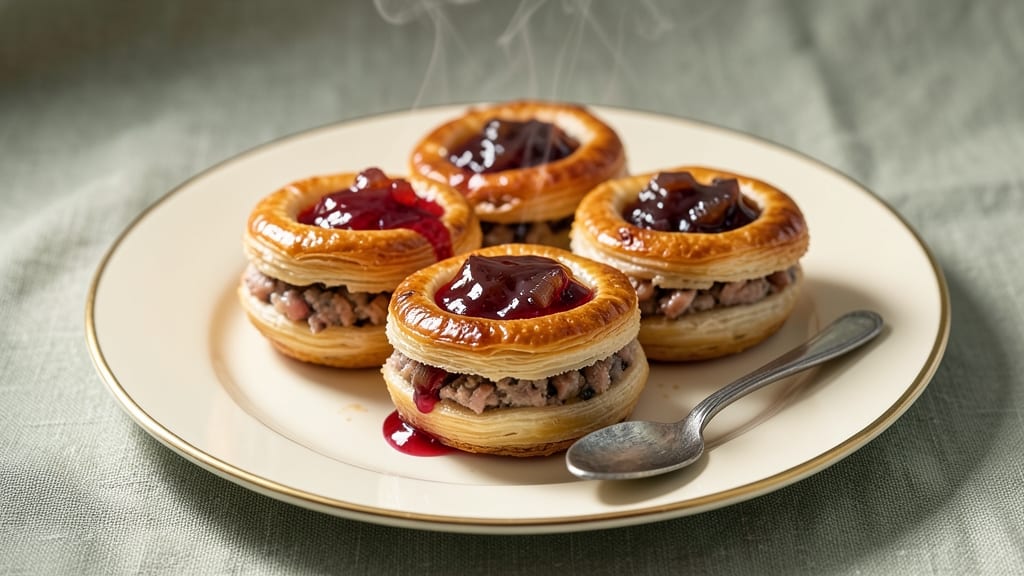
This mini pork pie recipe with jelly delivers the perfect balance of savory meat and sweet tartness in every bite—just like my grandmother used to make. The secret lies in a rich pork filling slow-cooked with herbs and spices, encased in a golden, flaky pastry crust that's crisp yet tender.
I've perfected this recipe over years of holiday baking, ensuring each tiny pie is packed with flavor and holds its shape beautifully.
The filling starts with ground pork simmered until tender, then mixed with a touch of mustard, onions, and a splash of red wine for depth. Meanwhile, the pastry gets its signature flakiness from cold butter cut into the flour before shaping.
The jelly—whether raspberry or apricot—adds that signature sweet-tart contrast that makes these pies irresistible. Baking at 375°F for 25-30 minutes ensures a golden crust while keeping the filling juicy.
What makes these mini pork pies special is how they transform any gathering—whether a holiday feast or a simple afternoon tea. The jelly filling adds a vibrant pop of color and a tangy sweetness that cuts through the richness of the pork.
Serving them warm with a dollop of extra jelly on top creates a presentation that's as impressive as it is delicious. The combination of textures—crisp crust, tender meat, and glossy jelly—is pure comfort food magic.
Perfect for parties, potlucks, or even a cozy weekend brunch, these mini pork pies are easy to make in batches and transport beautifully. I always double the recipe for gatherings, as they disappear faster than you can say "second helping."
The key to success is keeping everything cold until baking, ensuring those flaky layers stay intact. Here's how to make them from scratch!
Ingredients for mini pork pie recipe with jelly
Twelve ingredients for twelve perfect mini pork pies with that signature flaky crust and sweet-tart jelly filling.
| Ingredient | Amount | Notes |
|---|---|---|
| Ground Pork 🐷 | 1 ½ lb | Lean or regular, not extra lean |
| All-Purpose Flour 🌾 | 3 cups | Plus 2 tbsp for dusting |
| Unsalted Butter 🧈 | 1 cup | Cold, cubed for pastry |
| Yellow Onion 🧅 | 1 whole | Medium, finely chopped |
| Red Wine 🍷 | ¼ cup | Dry, like Cabernet |
| Dijon Mustard 🥫 | 1 tbsp | For depth of flavor |
| Fresh Thyme 🌿 | 1 tbsp | Leaves only, chopped |
| Fresh Parsley 🌿 | 1 tbsp | Chopped, for freshness |
| Salt 🧂 | 1 ½ tsp | Kosher or sea salt |
| Black Pepper 🌶️ | ½ tsp | Freshly ground |
| Raspberry Jelly 🍓 | 1 ½ cups | Or apricot, seedless |
| Ice Water 💧 | ½ cup | For pastry dough |
The pork and butter are the stars here. Ground pork should be fresh—look for packages labeled "fresh" at Whole Foods or Trader Joe's for the best quality. For the butter, Land O'Lakes unsalted is my go-to, but any cold, high-fat butter works. The jelly? Welch's raspberry is foolproof, but apricot adds a lovely floral note. Don't skip the ice water—it keeps the pastry tender while still giving that crisp flake. If you're making these for a crowd, double the recipe but keep everything cold until baking to maintain that perfect texture.
No red wine? Substitute with beef broth plus a splash of vinegar—it won't be identical, but it'll still work. Fresh thyme and parsley are ideal, but dried at one-third the amount gets you close. For the jelly, strawberry preserves work in a pinch, though they're sweeter. The mustard is non-negotiable—it's what gives the filling that signature tang. If you're short on time, pre-chopped onions from the grocery store are fine, but fresh is always better. And trust me, cold butter is worth the wait—it makes all the difference in that flaky crust.
Keep the ground pork in the fridge until ready to use—it stays fresh for 2 days. The pastry dough can be made a day ahead and chilled, wrapped tightly in plastic. The jelly filling? Store-bought jars last months, but homemade jelly keeps for 2 weeks in the fridge. These pies reheat beautifully—just 5 minutes at 350°F to warm through. I always make a batch to freeze for holidays, and they thaw perfectly in the oven.
Why You'll Love This Recipe
- No Fuss, Same Magic: I swear, the only "chopping" here is dicing one onion—no fancy techniques, just brown the pork with the wine until it’s rich and glossy, then toss in the flour. That’s it. The jelly comes in later, but honestly? The real work is just stirring.
- Wine-Infused Umami Bomb: Between us, that splash of red wine in the pork mixture does something wild—deepens the flavor without tasting boozy, especially when it reduces into a sticky, caramelized base. Add the jelly? Suddenly it’s sweet-savory perfection, like a tiny, handheld twist on a classic pie.
- Picnic or Potluck Hero: These are my go-to for gatherings because they’re portable—no plates needed, just grab a handful and go. The crust stays crisp even when packed, and the jelly keeps them juicy. (Yes, even on a Tuesday night, I’ve been known to make a batch "just in case.")
- Budget-Friendly Leftovers Hack: A pound of ground pork and a bag of flour stretch far—this recipe makes 12 mini pies, and they reheat beautifully. The jelly adds that "special occasion" touch without costing a fortune. My freezer’s always stocked with these because they’re cheaper than takeout and way tastier.
Step-by-step instructions for mini pork pies with jelly
Here's how to create perfectly flaky crusts with a savory-sweet filling that balances rich pork and fruity jelly.
Make the Savory Pork Filling
In a large skillet over medium-high heat, cook the 1.5 lb ground pork until browned, breaking it apart with a wooden spoon. This should take about 5-7 minutes—you're looking for even browning, not crispy bits. Drain any excess fat, but leave about 1 tablespoon to keep the filling moist.
Add the finely chopped yellow onion and cook for another 3-4 minutes until softened and translucent. Stir in the 0.25 cup red wine, scraping up any browned bits from the bottom of the pan. Let it simmer for 2 minutes until mostly evaporated. Then add the 1 tbsp Dijon mustard, 1 tbsp chopped fresh thyme, 1.5 tsp salt, and 0.5 tsp black pepper, mixing well. Remove from heat and let cool completely.
Prepare the Flaky Pastry Dough
In a large bowl, combine the 3 cups all-purpose flour plus the extra 2 tbsp for dusting with the 1 cup cold cubed unsalted butter. Using a pastry cutter or your fingers, work the butter into the flour until the mixture resembles coarse crumbs with pea-sized butter pieces remaining. This texture is crucial for flaky layers.
Add the 0.5 cup ice water gradually, mixing just until the dough comes together. Be careful not to overwork it—knead lightly until smooth. Divide the dough into 12 equal portions (about 1.5 ounces each) and flatten each into a disk. Wrap in plastic and chill for 30 minutes while you prepare the jelly mixture.
Assemble the Pies
Preheat your oven to 400°F. Roll out each chilled dough disk between two sheets of parchment paper to about 1/8-inch thickness. Use a 2-inch round cutter to cut out circles—you should get about 24 circles total (12 tops and 12 bottoms). Keep the scraps for patching if needed.
Place a 1.5-inch diameter spoonful of the cooled pork filling into the center of each bottom crust. Top with about 1 teaspoon of the raspberry jelly, spreading it slightly to cover the filling. Brush the edges of the bottom crust with a little water, then place a top crust over each pie, pressing gently to seal. Crimp the edges with a fork or your fingers to create a decorative pattern.
Bake to Golden Perfection
Place the assembled pies on a parchment-lined baking sheet, leaving about 1 inch between each. Brush the tops with a little beaten egg (optional for extra shine) and bake for 18-20 minutes until the crusts are deep golden brown and puffed slightly. The filling should be hot and bubbly when you cut into one to check.
Let the pies cool for 5 minutes before serving. The contrast of warm, savory pork filling with the cool, tangy jelly creates the perfect balance. Serve with a side of mustard or horseradish for dipping if desired. These mini pork pies keep well in the refrigerator for up to 3 days, or you can freeze them for up to 1 month—just reheat in a 350°F oven for 10-15 minutes to refresh.
Pro Tips For Making Mini Pork Pie Recipe With Jelly
- COOK THE PORK LOW: Don’t rush the pork—brown it first in batches over medium heat so it doesn’t steam and turn greasy. Then simmer uncovered on low for 10 minutes to evaporate moisture before adding wine, or you’ll end up with a soggy filling.
- GRATE THE ONION FINE: Skip the chopping—grate the onion instead. It cooks faster, blends seamlessly into the pork, and prevents any texture surprises when you later mix it into the jelly. (Yes, even if it looks like pulp.)
- DEGLAZE WITH WINE IMMEDIATELY: As soon as the pork browns, pour in the red wine right away—don’t let it sit. Scrape up those stuck-on bits aggressively; they’re packed with flavor and will disappear into the jelly later if ignored.
- CHILL THE JELLY MIX: Let the pork-wine mixture cool to room temp before adding the jelly, or it’ll seize up and turn rubbery. Spread it on a tray to speed this up—no one wants to wait 2 hours for a proper set.
Regional styles of mini pork pie recipe with jelly
British Classic
In the UK, mini pork pies are a pub staple, often served with a side of mustard or cider. The traditional version uses leaner pork mixed with apple cider vinegar instead of wine, giving it a tangy depth.
I’ve made these with Worcestershire sauce (about 1 tbsp) for that signature British umami kick. Serve them warm with a sharp cheddar cheese platter for a proper British tea-time spread. 🇬🇧
American Southern Twist
Down South, mini pork pies often get a smoky BBQ twist—swap the red wine for ½ cup BBQ sauce (like Sweet Baby Ray’s) and add ½ tsp smoked paprika to the filling.
Top with a drizzle of honey before baking for a sweet-savory balance. These work perfectly as game-day snacks or alongside collard greens for a Southern-inspired meal. 🌶️
French Bistro Style
For a French-inspired version, replace the jelly with a light apricot compote (simmer 1 cup apricot jam with 2 tbsp water and 1 tsp lemon juice until glossy). The filling gets a boost of 1 tsp herbes de Provence and a splash of white wine instead of red.
Serve with a buttery baguette and Camembert cheese for an elegant bistro vibe. 🥖
Portland Pacific Northwest
Here in Portland, I love adding local touches—swap the jelly for huckleberry jam (if you can find it!) or blackberry preserves from a farmers market. The filling gets a dash of maple syrup (about 1 tsp) for a subtle sweetness that pairs beautifully with the tart berries.
These mini pies are a hit at holiday markets and pair well with local craft beer or Pinot Noir. 🍇
Holiday Gift Version
For gifting, assemble the pies without baking—wrap them in parchment paper, tie with twine, and bake fresh before serving. Add a sprig of rosemary on top before baking for a festive touch.
These make perfect stocking stuffers or party favors. Store unbaked pies in the fridge for up to 24 hours before baking. 🎄
Nutrition facts
Frequently asked questions
Can I make these mini pork pies ahead of time?
Assemble the pies unbaked and refrigerate for up to 24 hours before baking. For gift-giving, wrap them in parchment and tie with twine—just bake fresh before serving. The filling stays flavorful, and the cold dough prevents shrinking.
What's the best jelly to use for maximum flavor?
Raspberry jelly adds a classic tartness, but apricot brings floral depth. For a Portland twist, try huckleberry or blackberry preserves from local markets. Avoid overly sweet jams—they can overpower the savory pork.
Why did my crust turn out tough instead of flaky?
Overworking the dough or using warm butter are common culprits. Keep everything cold—especially the butter—and handle the dough minimally. For extra flakiness, chill the dough 30 minutes before rolling.
Can I make these without red wine?
Yes! Substitute with ½ cup beef broth + 1 tsp vinegar for depth. Or use apple cider for a fruity note. The key is acidity—it tenderizes the pork and balances flavors.
How do I reheat leftover mini pork pies?
Warm in a 350°F oven for 10-15 minutes until heated through. For crispy crusts, place on a baking sheet. Microwaving works in a pinch but can make crusts soggy.