
Main Courses
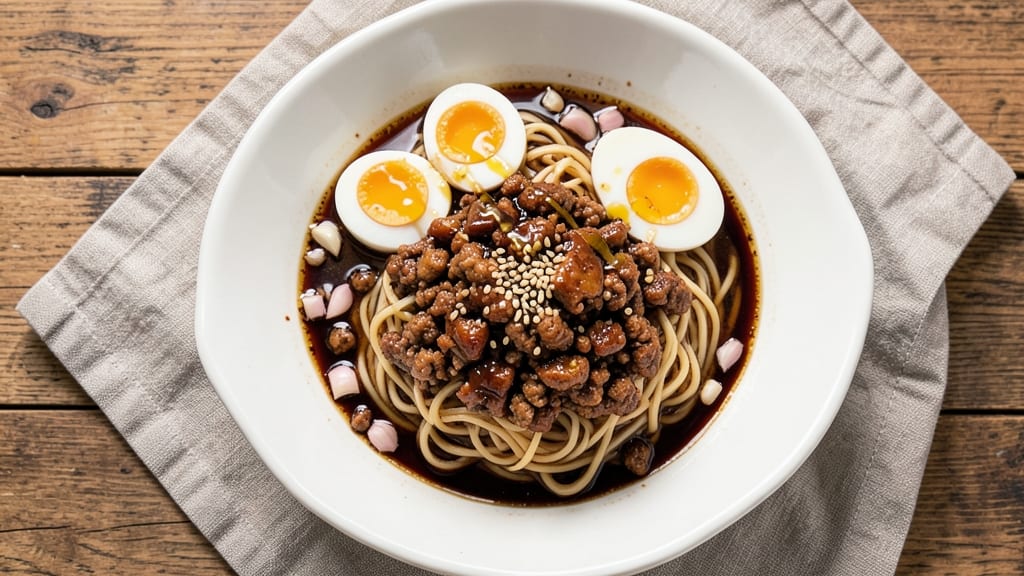
This minced pork ramen recipe delivers restaurant-quality flavor with wok-fried pork that bursts with umami and silky noodles in every bite. After years of perfecting my technique—balancing traditional ramen methods with modern wok-frying—I’ve created a dish that’s both comforting and exciting.
The secret lies in high-heat stir-frying the pork until it’s crispy at the edges while keeping the center tender, then combining it with a rich, aromatic broth that clings to the noodles perfectly.
The foundation starts with a foolproof broth—whether you prefer classic tonkotsu (pork bone) or a lighter miso-based version, the key is building deep flavor through slow simmering.
Meanwhile, the minced pork gets marinated in a blend of soy sauce, sesame oil, and garlic before wok-frying, creating a texture that’s crispy yet juicy. This isn’t just ramen; it’s a textural masterpiece where every spoonful delivers a perfect balance of heat, richness, and umami.
What sets this recipe apart is the silky noodle technique: cooking ramen noodles just shy of al dente, then finishing them in the hot broth to absorb maximum flavor without turning mushy.
Topped with soft-boiled eggs, quick-pickled vegetables, and a drizzle of chili oil, each bowl becomes a harmonious symphony of textures and temperatures. The result? A dish that feels indulgent yet remains approachable for home cooks.
Whether you’re serving this as a weeknight dinner or hosting a small gathering, this ramen recipe scales beautifully while keeping the focus on bold flavors and perfect technique.
The wok-fried pork adds a smoky depth that elevates even the simplest broth, making it a standout dish that’s as satisfying as it is impressive. Let’s get cooking.
Ingredients for minced pork ramen
Restaurant-quality minced pork ramen starts with these carefully balanced ingredients for deep umami and crispy textures.
| Ingredient | Amount | Notes |
|---|---|---|
| Ground Pork 🐷 | 1 ½ lb | Freshly ground, 20% fat preferred |
| Dried Ramen Noodles 🍜 | 2 packages | Standard 3 oz packages, not instant |
| Pork Bone Broth 💧 | 4 cups | Homemade or high-quality store-bought |
| Soy Sauce 🍶 | ½ cup | Kikkoman preferred for balance |
| Sesame Oil 🫒 | 1 tbsp | Toasted, for aroma |
| Garlic Cloves 🧄 | 6 cloves | Minced, fresh preferred |
| Ginger Root 🌿 | 1 tbsp | Freshly grated, aromatic |
| White Miso Paste 🧈 | 1 tbsp | Fermented, for umami depth |
| Green Onions 🧅 | ½ cup | Thinly sliced, for garnish |
| Soft-Boiled Eggs 🥚 | 2 whole | 6-minute cook, runny yolk |
| Sesame Seeds 🌾 | 1 tbsp | Toasted, for crunch |
| Chili Oil 🌶️ | 1 tbsp | Homemade or store-bought |
| Vegetable Oil 🫒 | ¼ cup | High smoke point for wok-frying |
| Salt 🧂 | 1 ½ tsp | Diamond Crystal kosher preferred |
| Black Pepper 🌶️ | ½ tsp | Freshly cracked for heat |
The ground pork is non-negotiable—20% fat content ensures that crispy edge while keeping the center tender. Local butchers often carry freshly ground pork with higher fat content than grocery store pre-packaged options. If you can't find it, pork shoulder ground fine works in a pinch, but render the fat separately for better control. The ramen noodles? Standard 3 oz packages (not instant) are essential—they hold up better to the hot broth without turning mushy. For the broth, homemade pork bone broth delivers unmatched depth, but Kikkoman or Pacific Foods brands are solid shortcuts if you're pressed for time.
No sesame oil? Toasted peanut oil at half the amount adds a similar nutty aroma, though it lacks the authentic sesame flavor. Fresh ginger and garlic are ideal, but powdered ginger at one-third the amount works if you're short on time. The miso paste should be white miso for subtlety—red miso adds too much funk for this delicate balance. For the chili oil, homemade with Sichuan peppercorns gives that signature tingling heat, but Lao Gan Ma brand from Asian markets is a reliable store-bought option. The eggs? 6-minute soft-boiled is key—the yolk should be just set with a runny center for that luxurious texture.
Store the pork marinade (soy sauce, sesame oil, garlic, ginger) in an airtight container for up to 3 days in the fridge. The broth can be made ahead and reheated gently—never boil after initial simmer or it loses clarity. Leftover ramen keeps for 3 days in the fridge, but the noodles get soggy. For best results, reheat the broth separately and combine with fresh noodles. The chili oil and sesame seeds should be stored in dark jars at room temperature—light degrades their flavor. Freeze the pork marinade for up to 3 months if you're prepping ahead.
Why You'll Love This Recipe
- Pantry Magic: I swear by this recipe when I forget to grocery shop. Ground pork and ramen noodles are my go-to staples—no fancy ingredients needed. Just brown the pork, toss in the broth, and let the soy sauce work its savory magic while you chop veggies or wait for the noodles.
- Umami Bomb: That pork bone broth? Chef’s kiss. It turns this into a rich, deeply flavorful dish with almost no effort. The sesame oil adds a nutty finish that makes it taste like you slaved over it for hours—when really, you just stirred and waited.
- Leftover Hero: Between us, this ramen is better the second day. The broth thickens, the pork gets even more tender, and I often find myself microwaving a bowl for lunch. Honestly, I make double batches just to have leftovers—I’m not ashamed.
- Budget Win: Ground pork is cheap, ramen is cheap, and broth from bones (or even bouillon) keeps costs low. For under $10, I feed my whole family a filling, satisfying meal that feels like a restaurant dish. My wallet and my taste buds both thank me.
Step-by-step instructions for minced pork ramen
Transform simple ingredients into a restaurant-quality ramen with bold umami flavors and silky noodles.
Prepare the Soft-Boiled Eggs
Place the 2 whole eggs in a small saucepan and cover with cold water by about 1 inch. Bring to a gentle boil over medium heat, then immediately reduce to a simmer. Cook for exactly 6 minutes—set a timer. You want the whites fully set but the yolks still liquid and wobbly when gently shaken. Transfer eggs to an ice bath for 2 minutes to stop cooking, then peel and slice in half lengthwise. Keep them warm in a bowl of warm water until ready to use.
This precise cooking time creates the signature runny yolk that becomes the creamy heart of your ramen. If you overcook, the yolk will firm up and lose its luxurious texture. The ice bath prevents further cooking while making peeling easier. Save the shells for compost or discard—they're not needed for this recipe.
Create the Umami-Packed Base
Heat the 0.25 cup vegetable oil in a large wok or deep skillet over high heat until shimmering. Add the 1.5 lb ground pork and cook, breaking it apart with a wooden spoon, until it loses its raw color and begins to brown—about 4-5 minutes. Drain all but 2 tablespoons of the rendered fat, then add the 6 cloves minced garlic and 1 tbsp freshly grated ginger root. Stir vigorously for 30 seconds until fragrant.
Don't rush this step—the pork needs to render its fat completely for maximum flavor. If the pan gets too dry, add a splash of pork bone broth to deglaze. The garlic and ginger should sizzle and release their aromatic oils within seconds. This forms the flavor foundation that carries through the entire dish.
Build the Rich Ramen Broth
Add the 4 cups pork bone broth, 0.5 cup soy sauce, 1 tbsp white miso paste, 1.5 tsp salt, and 0.5 tsp black pepper to the wok. Bring to a boil, then reduce heat to medium-low and simmer uncovered for 10 minutes, stirring occasionally. The broth should reduce slightly and develop a glossy, slightly thickened consistency. Taste and adjust seasoning—you want deep umami with balanced saltiness.
This reduction step concentrates the flavors and creates a silky texture that coats the noodles beautifully. The miso paste adds fermented depth while the soy sauce provides that essential savory punch. If the broth seems too thin after simmering, continue reducing for another 2-3 minutes—it should coat the back of a spoon.
Cook the Noodles and Assemble
While the broth simmers, cook the 2 packages dried ramen noodles according to package instructions until just al dente—about 2 minutes less than directed. Drain and rinse briefly with cold water to stop cooking, then drain again thoroughly. Divide the noodles among four deep bowls.
Ladle the hot broth over the noodles, then nestle the 2 soft-boiled egg halves on top of each serving. Drizzle with 1 tbsp sesame oil and 1 tbsp chili oil, then sprinkle with 1 tbsp sesame seeds and 0.5 cup thinly sliced green onions. The contrast of textures—silky noodles, creamy yolk, crispy seeds—creates the perfect bite.
Finish with Fresh Aromatics
Return the wok with the pork mixture to medium heat and cook for an additional 2 minutes to reheat. Spoon the pork over each bowl of ramen, allowing it to mingle with the broth and noodles. The pork should be hot but not crispy—it should release its juices into the broth.
Serve immediately while the noodles are still steaming and the yolk remains runny. The aroma of toasted sesame and chili will fill your kitchen—this is your signal that the dish is ready. Each bowl should deliver layers of flavor: savory pork, umami broth, creamy egg, and fresh green onion crunch.
Pro Tips For Making Minced Pork Ramen
- CRANK THE HEAT: Start your pork on high heat until it’s actually browned—no, not just pink, but deep golden. I used to rush this, and my ramen tasted flat until I realized the Maillard reaction is non-negotiable here. Two minutes of searing makes all the difference in flavor.
- USE FROZEN PORK: Cold ground pork releases less grease, so grab it straight from the freezer. It’ll cook more evenly and won’t turn into a greasy mess in your broth. (Yes, even if you’re impatient like me.)
- SALT THE BROTH LAST: Add soy sauce to the broth after the noodles are cooked, or it’ll turn the water cloudy. Trust me, the flavor stays cleaner this way—your future self will notice.
- SWAP SESAME OIL EARLY: Toss the noodles with sesame oil right after draining, while they’re still hot. It coats them instantly instead of pooling at the bottom. (And no, you can’t just add it to the broth—it’ll taste like soap.)
Common mistakes when making perfect results
Overcooking Pork
This is the #1 mistake I see—letting minced pork lose its moisture and turn dry. The key is high heat for just 4-5 minutes until it browns but remains juicy inside.
I’ve ruined many batches by walking away for "just a second." Use a meat thermometer—pull the pork at 150°F internal temperature to ensure it’s cooked but not overdone. 🔥
Skipping the Fat Rendering
Leaving rendered fat in the pan is essential for flavor, but many home cooks drain it all. Keep 2 tablespoons of that golden pork fat to sauté garlic and ginger—it carries the umami depth.
If your pork is lean (less than 20% fat), add 1 tablespoon neutral oil to compensate. Never skip this step—it’s the flavor anchor.
Broth Over-Simmering
Simmering broth too long makes it thin and flavorless. The goal is 10 minutes max at medium-low heat—any longer and the miso paste burns, turning bitter. I’ve learned this the hard way after letting a batch reduce for 20 minutes (don’t ask).
Always taste as you go—it should coat the back of a spoon without being gluey.
Noodle Overcooking
Cooking ramen noodles to full package time guarantees mush. Stop them 2 minutes early, rinse briefly in cold water, then drain well. The residual starch helps the broth cling, but soggy noodles ruin the texture.
Pro tip: Use a slotted spoon to transfer noodles directly into bowls to avoid watering them down.
Egg Timing Errors
Soft-boiled eggs are delicate—cook them 6 minutes (no more!) or the yolk firms up. I once served a batch where I forgot the timer, resulting in a sad, rubbery yolk.
Keep eggs in warm water until serving to maintain their creamy center. The ice bath after cooking is non-negotiable—it stops the cooking process instantly.
Garnish Overload
Too many toppings dilute the dish’s harmony. Stick to 1 tbsp sesame seeds, 1 tbsp chili oil, and green onions** per bowl. I’ve seen home cooks drown ramen in every herb and oil they own—resist the urge!
The pork and broth should shine, not compete with garnishes. Less is more for that restaurant-quality balance. ✨
Nutrition facts
Frequently asked questions
Can I use ground beef instead of pork for this recipe?
While beef works in a pinch, pork delivers that signature umami depth ramen lovers crave. The higher fat content in pork creates a richer broth and crispier texture when wok-fried. If you must use beef, opt for 80% lean ground chuck and add an extra 1/2 teaspoon soy sauce to compensate for the flavor difference.
How do I make this gluten-free?
Replace the soy sauce with tamari or coconut aminos (use 1/2 cup total) and ensure your ramen noodles are certified gluten-free. The miso paste should be gluten-free white miso, and double-check all broth ingredients for hidden gluten. The texture and flavor will be slightly different but still delicious.
Can I prepare this ramen ahead of time?
Assemble everything except the noodles and store in the fridge for up to 2 days. When ready to serve, cook fresh noodles and assemble bowls with pre-made components. For best texture, reheat the pork mixture separately and combine with fresh noodles and warm broth. The egg should be added fresh for that perfect runny yolk.
What's the best way to store leftover pork mixture?
Transfer the cooked pork mixture to an airtight container and refrigerate for up to 3 days. For longer storage, freeze in portions for 3 months. When reheating, warm over medium-low heat with a splash of broth to prevent drying out. The texture will be slightly softer after freezing, but the flavor remains intact.
How can I make this spicier?
Add 1/2 teaspoon gochugaru (Korean chili flakes) to the pork marinade or increase the chili oil to 2 tablespoons per bowl. For heat lovers, stir in 1/2 teaspoon crushed red pepper flakes with the miso paste when building the broth. Balance is key—start with small amounts and adjust to taste.